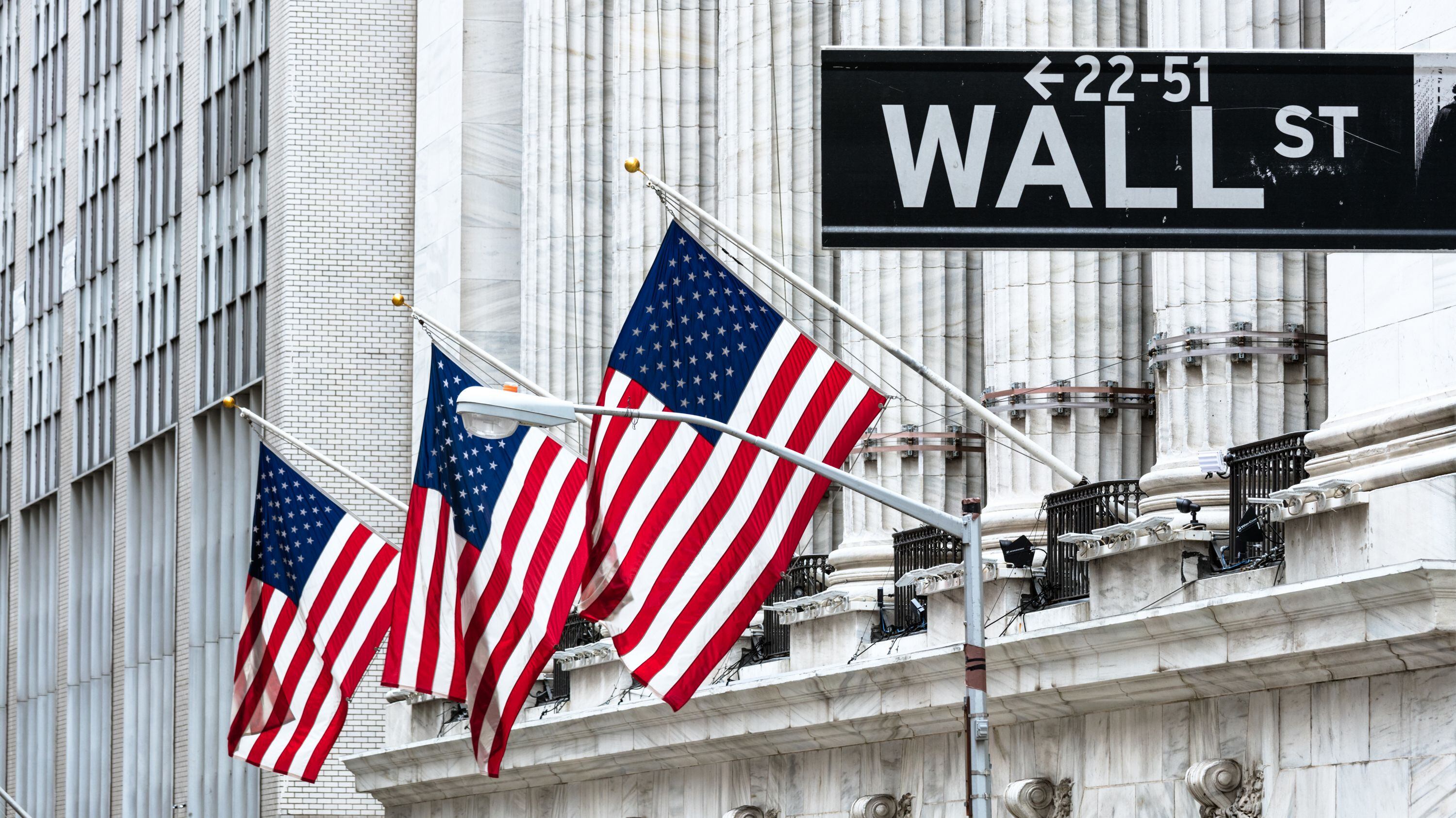
Stocks rose solidly in early trading Wednesday as investors regained an appetite for risk after two days of heavy losses.
The sharp drops, which wiped out the market's gains for the year, were brought on by worries over economic fallout from the virus outbreak that originated in China.
The virus continues to spread and threatens to hurt industrial production, consumer spending, and travel. More cases are being reported in Europe and the Middle East. Health officials in the U.S. have been warning Americans to prepare for the virus.
Investors are setting aside some of their concerns for the time being and bid up technology stocks. Microsoft rose 1.5 percent and Adobe rose 1.8 percent. The tech sector was among the worst hit by sell-offs this week as many of the companies rely on global sales and supply chains that could be stifled by the spreading coronavirus.
Health care companies also climbed. UnitedHealth Group rose 1.9 percent.
Bond prices fell and pushed yields higher. The yield on the 10-year Treasury rose to 1.36 percent from 1.33 percent late Tuesday.
TJX, the parent of retailer TJ Maxx, surged 7.7 percent after beating Wall Street's fourth-quarter profit forecasts and raising its dividend.
Utilities and real estate companies lagged the market in another sign that investors were shifting away from safe-play stocks.
VIRUS UPDATE: The virus outbreak has now infected more than 81,000 people globally and continues spreading. Brazil has confirmed the first case in Latin America. Germany, France, and Spain were among the European nations with growing caseloads. New cases are also being reported in several Middle Eastern nations.
President Donald Trump will hold a news conference later Wednesday, along with representatives from the Centers for Disease Control, to discuss the virus.
KEEPING SCORE: The S&P 500 index rose 1.2 percent as of 10:20 a.m. Following its two-day drop, it's still down 6.4 percent from the record high it reached last Wednesday.
The Dow Jones Industrial Average rose 335 points, or 1.2 percent, to 27,423. The Nasdaq rose 1.5 percent. The Russell 2000 index of smaller-company stocks rose 0.6 percent.
European markets were mixed and Asian markets fell.
MOUSE EXIT: Disney fell 0.5 percent following Bob Iger's surprise announcement that he will immediately step down as CEO of the entertainment company. Iger steered the company's absorption of big moneymakers, including Star Wars, Pixar, Marvel and Fox's entertainment businesses. He also oversaw the launch of the Disney Plus streaming video service.
BUSTED BUILDERS: Toll Brothers fell 10.1 percent and weighed down other homebuilders after reporting disappointing fiscal first-quarter profit. D.R. Horton fell 2.7 percent and PulteGroup shed 2.9 percent.
Despite challenges like inflation, labor and product shortages, and the Omicron variant, holiday sales saw record levels of growth this year, according to a new report from Mastercard SpendingPulse. The group reports on national retail sales across all payment types, finding that holiday sales rose at the fastest pace in 17 years this year. Mastercard senior advisor and former chariman and CEO of Saks Incorporated Steve Sadove joined Cheddar News' Closing Bell to discuss.
Keith Fitz-Gerald, chief investment officer at Fitz-Gerald Group, spoke to Cheddar about the growing competition for Tesla's electric cars in China as tech giant Huawei enters the race. "There's a lot of legacy worry, but that does not discount the possibility that Elon might have a contender on his hands," he said about the sometimes troubled telecom company. Fitz-Gerald also gave a nod to two other local rivals, Nio and XPeng, noting the latter as having something of an edge with its CEO He Xiopeng being lauded by Chinese state media.
Ariel Kaye, founder and CEO of home goods business Parachute, joined Cheddar to discuss the company's sales success over the holidays as it navigated supply chain issues. She also expects a strong showing in 2022 with the continuation of 2021 trends. "The hybrid work model is going to be here for a long time," Kaye said. The business, which currently has 12 physical locations, plans to expand to 30 brick-and-mortar shops by the end of 2022.
Nikola announced that it delivered its first electric semi trucks last week, sending the embattled EV company's stock soaring. There is a lot of competition in this space, though, said Lauren Fix, an automotive analyst with Car Coach Reports. While every country has companies racing to dominate the electric trucking industry, she explained, a shortage of graphite, used in batteries, and a dearth of convenient charging stations will still keep growth slow in 2022. "You really have to be very careful when you're investing in this marketplace," Fix said. "That's great that [Nikola was] able to deliver one, but can they deliver more?"
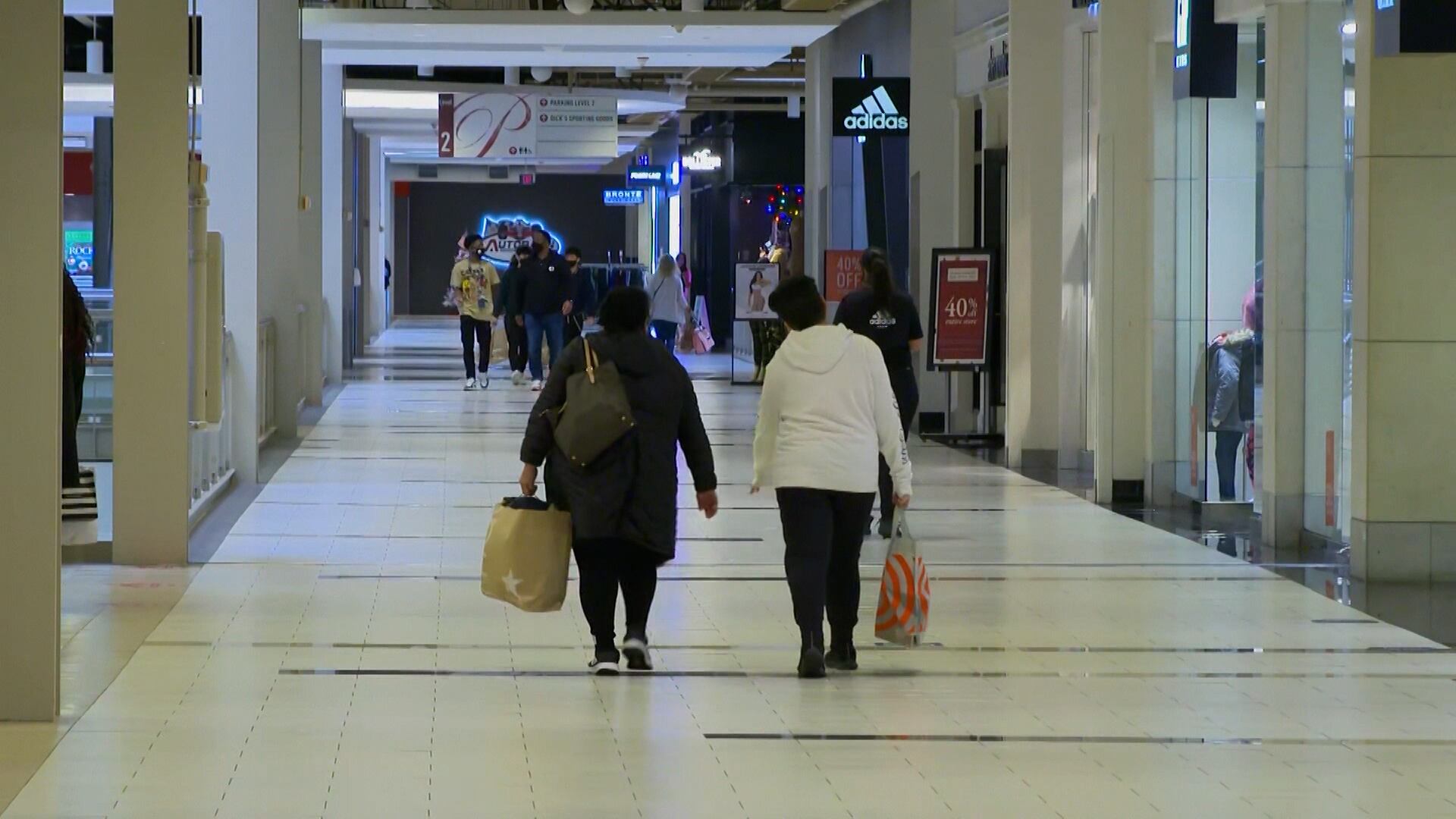
It looks like the supply chain didn't steal Christmas this year after all. Retail sales jumped 8.5 percent between November 1 and December 24, compared with the same period last year, according to a report from Mastercard. That's the strongest growth in 17 years. Jharonne Martis, director of consumer research at Refinitiv, joined Cheddar to discuss how retailers were able to do so well despite inflation, supply chain issues, and the COVID-19 omicron variant but gave a subdued outlook for the retail sector at the beginning of 2022. "Consumers are not just completely isolated from the inflation issues," she said. "This is definitely going to continue into the first half of the year, as per our IFR data."
Hotel cancellations are on the rise ahead of the holidays as the omicron variant spreads around the world. Online hotel search site Trivago noted a 35 percent jump in cancellations since November. Axel Hefer, managing director and CEO at Trivago, joined Cheddar to discuss this worrying trend. Hefner said it is important for both travelers and businesses to watch how the 2021-2022 winter travel season unfolds as it will help them prepare for next year as the pandemic will likely be ongoing.
Markets opened slightly higher to kick off the final trading week of the year as investors continue to watch the Omicron variant in the U.S. Sean O'Hara, President, Pacer ETFs joined Cheddar's Opening Bell to discuss what drove early market activity.