Stocks rose solidly in early trading Wednesday as investors regained an appetite for risk after two days of heavy losses.
The sharp drops, which wiped out the market's gains for the year, were brought on by worries over economic fallout from the virus outbreak that originated in China.
The virus continues to spread and threatens to hurt industrial production, consumer spending, and travel. More cases are being reported in Europe and the Middle East. Health officials in the U.S. have been warning Americans to prepare for the virus.
Investors are setting aside some of their concerns for the time being and bid up technology stocks. Microsoft rose 1.5 percent and Adobe rose 1.8 percent. The tech sector was among the worst hit by sell-offs this week as many of the companies rely on global sales and supply chains that could be stifled by the spreading coronavirus.
Health care companies also climbed. UnitedHealth Group rose 1.9 percent.
Bond prices fell and pushed yields higher. The yield on the 10-year Treasury rose to 1.36 percent from 1.33 percent late Tuesday.
TJX, the parent of retailer TJ Maxx, surged 7.7 percent after beating Wall Street's fourth-quarter profit forecasts and raising its dividend.
Utilities and real estate companies lagged the market in another sign that investors were shifting away from safe-play stocks.
VIRUS UPDATE: The virus outbreak has now infected more than 81,000 people globally and continues spreading. Brazil has confirmed the first case in Latin America. Germany, France, and Spain were among the European nations with growing caseloads. New cases are also being reported in several Middle Eastern nations.
President Donald Trump will hold a news conference later Wednesday, along with representatives from the Centers for Disease Control, to discuss the virus.
KEEPING SCORE: The S&P 500 index rose 1.2 percent as of 10:20 a.m. Following its two-day drop, it's still down 6.4 percent from the record high it reached last Wednesday.
The Dow Jones Industrial Average rose 335 points, or 1.2 percent, to 27,423. The Nasdaq rose 1.5 percent. The Russell 2000 index of smaller-company stocks rose 0.6 percent.
European markets were mixed and Asian markets fell.
MOUSE EXIT: Disney fell 0.5 percent following Bob Iger's surprise announcement that he will immediately step down as CEO of the entertainment company. Iger steered the company's absorption of big moneymakers, including Star Wars, Pixar, Marvel and Fox's entertainment businesses. He also oversaw the launch of the Disney Plus streaming video service.
BUSTED BUILDERS: Toll Brothers fell 10.1 percent and weighed down other homebuilders after reporting disappointing fiscal first-quarter profit. D.R. Horton fell 2.7 percent and PulteGroup shed 2.9 percent.
Following the invasion of Ukraine, a multitude of Western companies have paused doing business with Russia. PepsiCo, Coca-Cola, McDonald's, and Starbucks are the most recent companies to temporarily cease operations in Russia. Dean of Miami Herbert Business School at the University of Miami, John Quelch, joined Cheddar News to discuss what message this sends to Russia and the Russian consumer. “I would not underestimate the collective strength of all of these multinational companies, essentially coming together to make their collective statement in support of the political statements that have come out of Washington," he said.
Cristyl Kimbrough, real estate attorney and star of 'Ladies Who List: Atlanta,' joins Cheddar News to discuss her new show on OWN and breaking into Atlanta's luxury real estate space.
Carl Tobias, professor of law at the University of Richmond, joins Cheddar News to talk about how Johnson & Johnson funded experiments on mostly Black men comparing the effects of talc and asbestos on their skin.
Amazon unveiled its new mobile app called Amp as a direct competitor to Clubhouse, allowing people to host live radio shows. Although it is still in beta, users can join the waitlist from the iOS store.
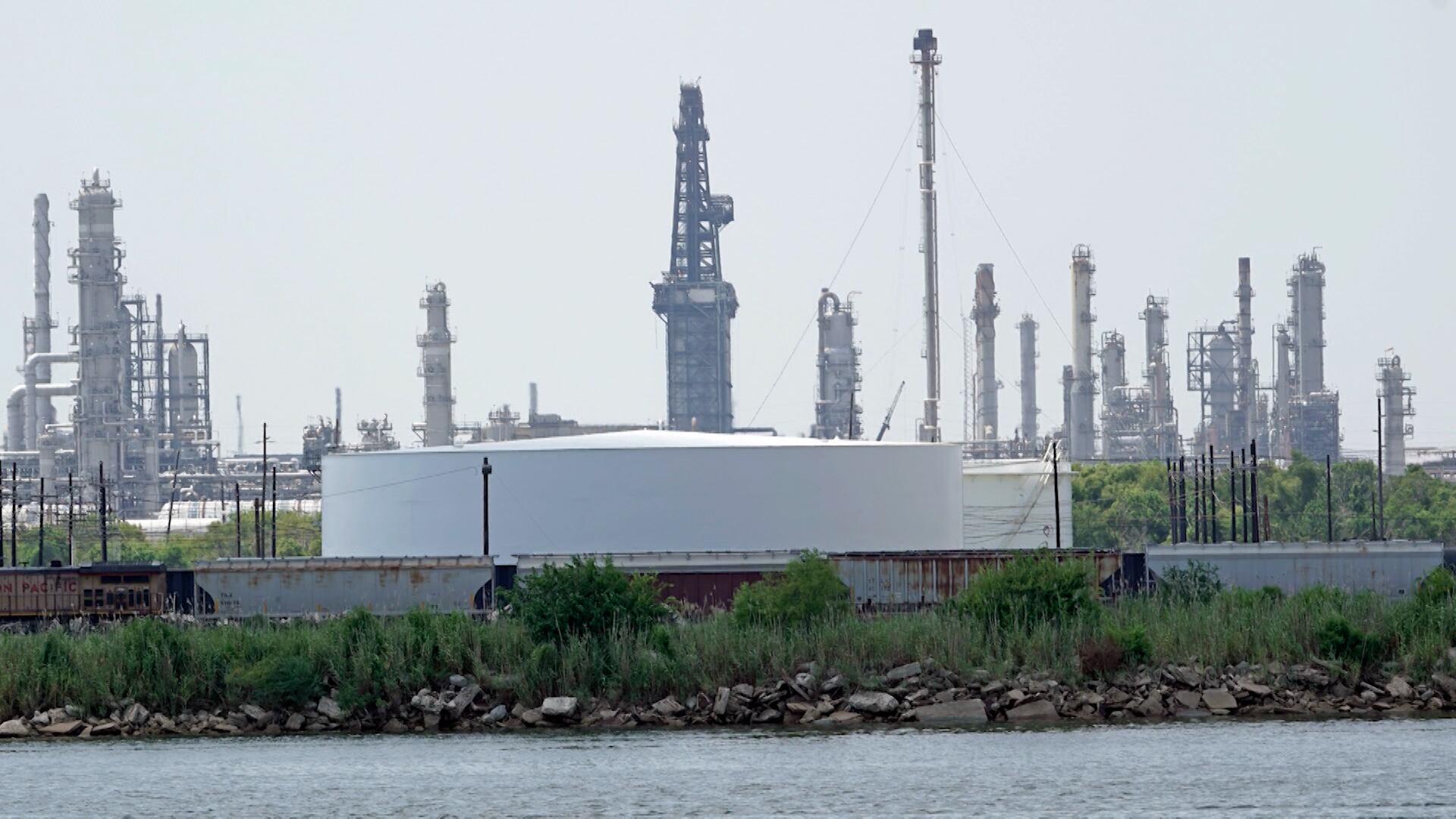
President Biden announced a ban on Russian oil and natural gas imports to the U.S. in response to its invasion of Ukraine, a move he warned could lead to an even greater surge in gas prices. The ban is prompting a conversation about the current oil production levels in the U.S. and whether or not the industry can ramp up production to soften the blow to American families at the gas pump. Clark Williams-Derry, Energy Finance Analyst with the Institute for Energy Economics and Financial Analysis, breaks down the state of the U.S. oil industry and how the ban might impact production levels here at home.
PepsiCo, Coca-Cola, McDonald’s, and Starbucks are the latest American food brands to have halted business operations in Russia after having faced scrutiny and criticism for originally failing to do so amid the country's invasion of Ukraine.
As Russia intensifies its war on Ukraine, President Biden announced a ban on oil imported from the aggressor nation. Critics of Russia have said this would be the best way to force Putin to pull back, but curbs on Russian oil exports are expected to send already skyrocketing oil and gas prices even higher, further impacting consumers, businesses, financial markets, and the global economy. Leslie Beyer, CEO of the Energy Workforce and Technology Council, joined Cheddar News' Closing Bell to discuss. "It's certainly going to increase pricing, but it is the right thing to do," she said. "The industry itself has already pulled out of the significant portion of its operations in Russia."