By Stan Choe

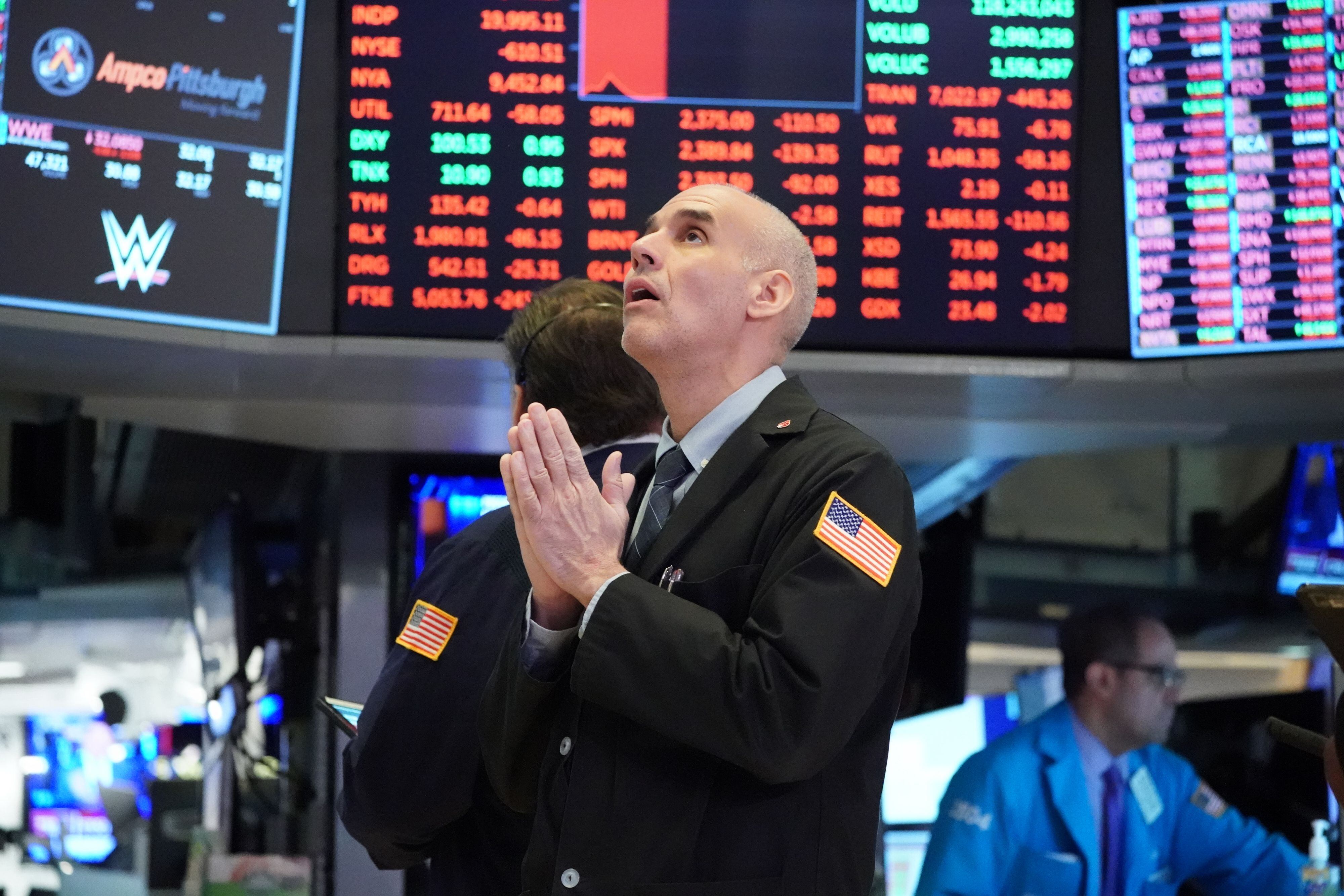
The vicious swings keep coming for the stock market, and the S&P 500 sank more than 3 percent in early trading Wednesday to erase much of the prior day's big gain.

Markets have been incredibly volatile for weeks as Wall Street and the White House acknowledge an increasing risk of a recession due to the coronavirus outbreak. The typical day this month has seen the stock market swing up or down by 4.9 percent. Over the last decade, the typical move was just 0.4 percent.

The selling pressure swept markets around the world. Benchmark U.S. oil fell 10 percent and dropped below $25 per barrel for the first time since 2002. European stock indexes lost 4 percent following broad losses in Asia. Even prices for longer-term U.S. Treasurys, which are seen as some of the safest possible investments, fell as investors flocked to the very shortest-term Treasury debt.

It was just a day ago that the S&P 500 surged 6 percent after President Donald Trump said he's "going big" in plans to aid an economy that's increasingly shutting down by the day. The program could approach $1 trillion, and it would follow a spate of emergency actions by the Federal Reserve and other central banks to get financial markets running more smoothly.

Despite all that, investors are struggling with how much to pay for anything — stocks, bonds, oil — when it's so uncertain how badly the economy is getting hit, how much profit companies will make and how many companies may go into bankruptcy due to a cash crunch.

"These are truly unprecedented events with no adequate historical example with which to precisely anchor our forecast," Deutsche Bank economists wrote in a report Wednesday.

With all the uncertainty and early evidence that China's economy was hit much harder by the virus than earlier thought, they now see "a severe global recession occurring in the first half of 2020."

But they also are still forecasting a relatively quick rebound, with activity beginning to bounce back in the second half of this year in part because of all the aid promised from central banks and governments.

Investors say they need to see the number of infections slow before markets can find a bottom. The number of new cases reported in China, where the virus emerged in December, is declining but infections in the United States, Europe and elsewhere are increasing.

The number of infections has topped 200,000 worldwide, and the virus has killed more than 8,000.

For most people, the coronavirus causes only mild or moderate symptoms, such as fever and cough, and those with mild illness recover in about two weeks. Severe illness including pneumonia can occur, especially in the elderly and people with existing health problems, and recovery could take six weeks in such cases.

The Dow Jones Industrial Average was down 828 points, or 3.9 percent, shortly after 10 a.m. Eastern time. after being down as many as 1,365 shortly after trading began. If it crosses back over the 1,000 threshold — which is not a big if given how steep swings have been within the same day — it would be the eighth straight day the Dow has moved by that much.

The S&P 500, which dictates how 401(k) accounts perform much more than the Dow, is down nearly 29 percent from its record set last month.

All the uncertainty has pushed many people toward safety. Last month, investors pulled $17.5 billion out of stock mutual funds and exchange-traded funds, even though stocks set all-time highs in the middle of the month. Money-market funds, meanwhile, drew $25.5 billion, according to Morningstar.

That was all before the market's sell-off accelerated this month, as broad swaths of the economy shut down in hopes of better containing the outbreak. Restaurants have closed to dine-in customers, planes are parked and sports arenas have been dimmed. Goldman Sachs strategists describe this month as "March Sadness."

Share:
More In Business
Stocks Close Higher Amid Hot December CPI Report
Stocks closed higher Wednesday, with the Nasdaq making gains for the third day in a row despite this morning's CPI data showing inflation continues to run hot. The report showed that CPI ticked up to 7% in December, and while it was the biggest jump since 1982, the data was broadly in line with Wall Street's expectations. Mark Lehmann, CEO of JMP Securities, a Citizens Company, joins Cheddar News' Closing Bell to discuss today's close, the Fed's proposed monetary tightening, and more.
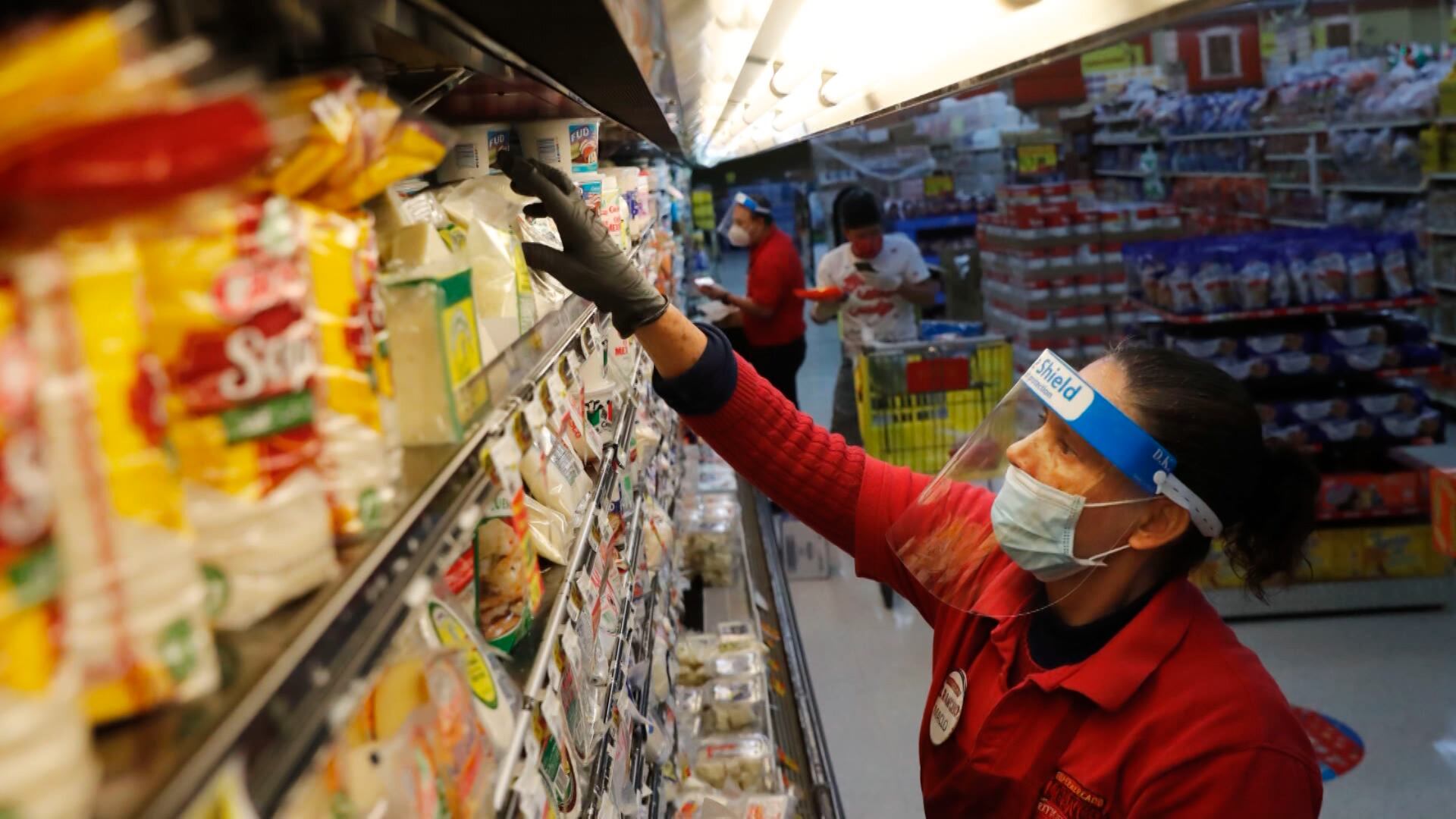
Behind the Latest Round of Empty Shelves at U.S. Supermarkets
As more and more consumers are experiencing empty shelves at their grocery stores, Phil Lempert, editor of SupermarketGuru.com, spoke with Cheddar's Ken Buffa to discuss the changes in the supply chain that have trickled down into our grocery stores. "It's really three major factors: number one is climate change, number two is labor, and number three is transportation," he explained. Lempert also called on people to shop with local, independent grocers, calling it "critical to our infrastructure."
December CPI Data Shows Inflation Continues to Run Hot
CPI rose 7% from a year prior in December, showing that inflation has continued to increase at its fastest pace since June 1982. Consumers are feeling the pressure when it comes to food, apparel, and used car prices, but got some relief in December as energy prices ticked slightly lower month-over-month. How will this ongoing inflation streak impact U.S. monetary policy as the Federal Reserve says it's prepared to implement aggressive tactics like raising interest rates? John Leer, Chief Economist at Morning Consult, joins Cheddar News' Closing Bell to discuss December's CPI data, what it means for consumers, how the Federal Reserve can help limit inflation, and more.
Terraformation Raised $30 Million to Scale Global Forest Restoration Projects
One startup is working to reverse climate change one seed at a time. Terraformation is a global forest accelerator that provides tools, training, financing, and business support to help scale forest restoration projects worldwide. Forests naturally absorb carbon and Terraformation says that reforestation is a safe, low-cost, and scalable solution to the climate crisis. Yee Lee, VP of growth at Terraformation, joins Cheddar Climate to discuss.
Twitter Sees Progress Towards Its Three-Year Plan in 2022
Back in February 2021, Twitter announced its three-year plan to double development velocity, to reach 315 million monetizable users, and double its total annual revenue. Chief Customer Officer Sarah Personette, joined Cheddar to discuss where the social media giant stands now a year after the announcement. "The progress against all three of those pillars has been substantial, and we'll continue to drive that over the course of the next year and beyond," she said. Personette also discussed the leadership of Twitter's CEO Parag Agrawal who took over for founder Jack Dorsey late in 2021.
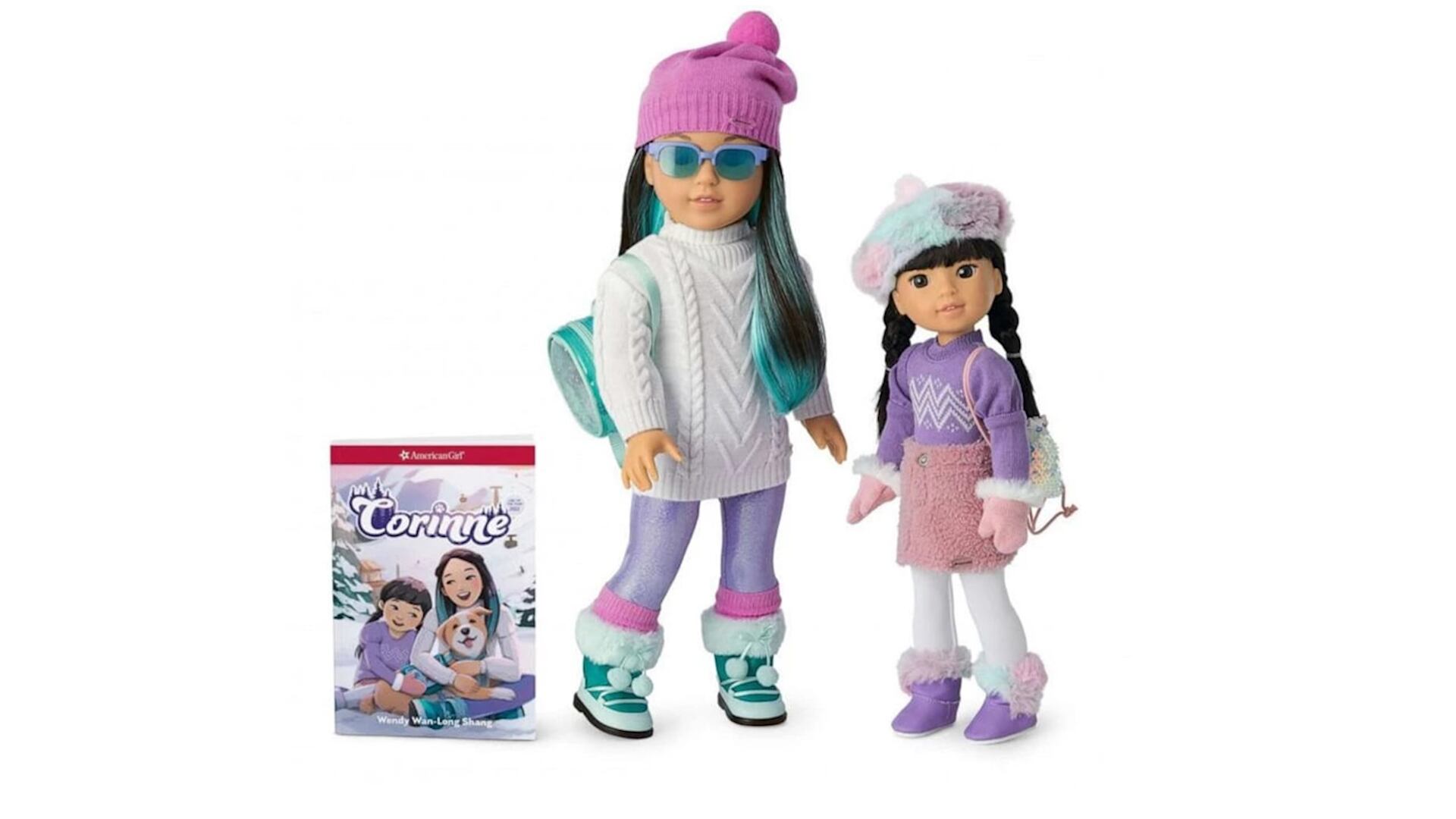
American Girl Unveils Chinese American 2022 Girl of the Year Doll
Meet Corrine Tan, American Girl’s 2022 Girl of the Year. Corrine is the first doll of Chinese descent from the company, debuting in response to a rise in hate crimes against the Asian American community. Jamie Cygielman, president and general manager of American Girl, spoke to Cheddar about the long development of the character. "As the pandemic began we started to see a lot of anti-Asian sentiment across the country," she said. "We sort of blended all of these stories together to create Corinne, an outline for Corinne, and then partnered with the wonderful author Wendy Shang to help tell that story to our fans." Cygielman also touched on linking up with AAPI Youth Rising, donating $25,000 for education efforts.
Importance of Mentorship and Guidance
Janet Phan, founder of Thriving Elements and author of 'Boldly You,' joins Cheddar News to discuss the importance of being a mentor and how her organization is helping the next generation of STEM leaders.
Load More