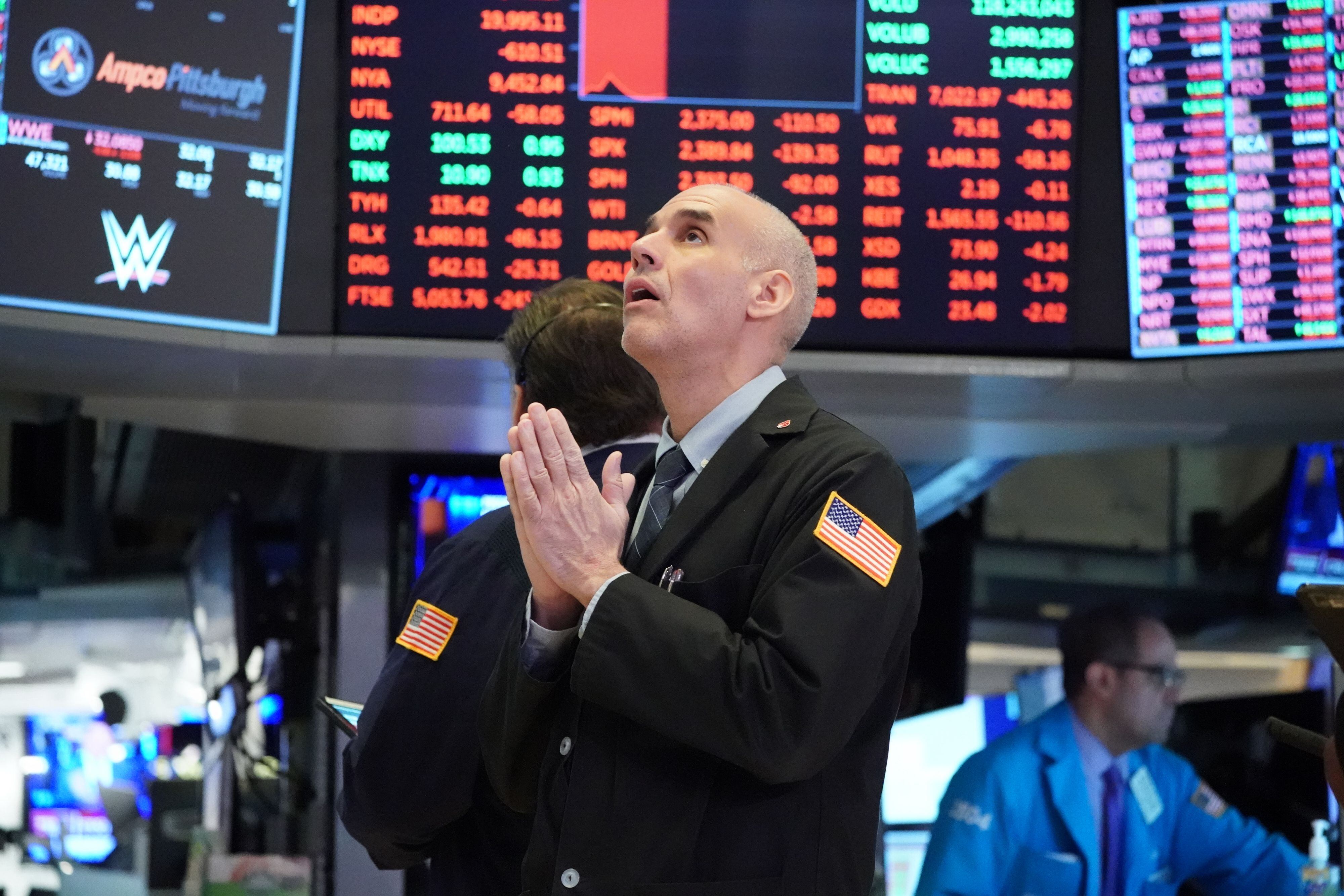
Traders work on the floor at the opening bell of the Dow Industrial Average at the New York Stock Exchange on March 18, 2020 in New York. (Photo by BRYAN R. SMITH/AFP via Getty Images)
By Stan Choe
The vicious swings keep coming for the stock market, and the S&P 500 sank more than 3 percent in early trading Wednesday to erase much of the prior day's big gain.
Markets have been incredibly volatile for weeks as Wall Street and the White House acknowledge an increasing risk of a recession due to the coronavirus outbreak. The typical day this month has seen the stock market swing up or down by 4.9 percent. Over the last decade, the typical move was just 0.4 percent.
The selling pressure swept markets around the world. Benchmark U.S. oil fell 10 percent and dropped below $25 per barrel for the first time since 2002. European stock indexes lost 4 percent following broad losses in Asia. Even prices for longer-term U.S. Treasurys, which are seen as some of the safest possible investments, fell as investors flocked to the very shortest-term Treasury debt.
It was just a day ago that the S&P 500 surged 6 percent after President Donald Trump said he's "going big" in plans to aid an economy that's increasingly shutting down by the day. The program could approach $1 trillion, and it would follow a spate of emergency actions by the Federal Reserve and other central banks to get financial markets running more smoothly.
Despite all that, investors are struggling with how much to pay for anything — stocks, bonds, oil — when it's so uncertain how badly the economy is getting hit, how much profit companies will make and how many companies may go into bankruptcy due to a cash crunch.
"These are truly unprecedented events with no adequate historical example with which to precisely anchor our forecast," Deutsche Bank economists wrote in a report Wednesday.
With all the uncertainty and early evidence that China's economy was hit much harder by the virus than earlier thought, they now see "a severe global recession occurring in the first half of 2020."
But they also are still forecasting a relatively quick rebound, with activity beginning to bounce back in the second half of this year in part because of all the aid promised from central banks and governments.
Investors say they need to see the number of infections slow before markets can find a bottom. The number of new cases reported in China, where the virus emerged in December, is declining but infections in the United States, Europe and elsewhere are increasing.
The number of infections has topped 200,000 worldwide, and the virus has killed more than 8,000.
For most people, the coronavirus causes only mild or moderate symptoms, such as fever and cough, and those with mild illness recover in about two weeks. Severe illness including pneumonia can occur, especially in the elderly and people with existing health problems, and recovery could take six weeks in such cases.
The Dow Jones Industrial Average was down 828 points, or 3.9 percent, shortly after 10 a.m. Eastern time. after being down as many as 1,365 shortly after trading began. If it crosses back over the 1,000 threshold — which is not a big if given how steep swings have been within the same day — it would be the eighth straight day the Dow has moved by that much.
The S&P 500, which dictates how 401(k) accounts perform much more than the Dow, is down nearly 29 percent from its record set last month.
All the uncertainty has pushed many people toward safety. Last month, investors pulled $17.5 billion out of stock mutual funds and exchange-traded funds, even though stocks set all-time highs in the middle of the month. Money-market funds, meanwhile, drew $25.5 billion, according to Morningstar.
That was all before the market's sell-off accelerated this month, as broad swaths of the economy shut down in hopes of better containing the outbreak. Restaurants have closed to dine-in customers, planes are parked and sports arenas have been dimmed. Goldman Sachs strategists describe this month as "March Sadness."
The White House laid out plans for a $5 billion investment into a national network of charging stations to ease EV driving anxiety. Bruce Brimacombe, CEO of EV infrastructure GOe3 joined Cheddar News to discuss how much needs to be done for drivers to get over the fear of running out of energy. "People need to be able to do what they're doing now," he said. "But that is the way that if you're going to buy an electric car, you got to feel like you're not changing your world." Brimacombe noted that building out the infrastructure between cities was GOe3's own focus.
U.S. automakers are saying that the blockade of the Ambassador Bridge, a crucial border crossing between the U.S. and Canada, is affecting their production lines. Michelle Krebs of Cox Automotive warns that the disruption "couldn't come at a worst time," amid chip and labor shortages in Detroit.
AND DETROIT-BASED AUTO MAKERS SAY THEY ARE SHUTTING DOWN PLANTS OR SCALING BACK PRODUCTION BECAUSE OF PARTS SHORTAGES.
Sonos reported better than expected Q1 earnings amid chip shortage with the release of its Roam product. CFO Brittany Bagley joined Cheddar News to discuss the smart speaker maker's successful report and its plans to hit its 2024 targets as people leave their homes as pandemic restrictions ease. "Even as people head out in the world, it doesn't mean they don't like to listen to music at home or watch a streaming movie at home," she said. "So there's still a real role for us and our products in peoples lives, sort of, no matter what else they're doing."
Lynn Martin, president of the NYSE Group, explains why investors at the New York Stock Exchange should still feel confident despite the recent Wall Street volatility and discusses the landscape for 2022 when it comes to IPOs and retail investors.
The merger of WarnerMedia and Discovery received Justice Department approval on Wednesday, and Patty Hirsch, EVP of consumer and digital platforms at WarnerMedia, joined Cheddar News to discuss current and future offerings from the media conglomerate that will control both HBO Max and Discovery+. "Content really drives so much, and CNN has always had a very long history of creating an incredible documentaries, incredible content … and this service I think is going to ultimately provide the kind of content consumers want and the kind of content that consumers are going are going to pay for," she said. Hirsch also discussed NFTs in use through its Turner Sports and DC brands.
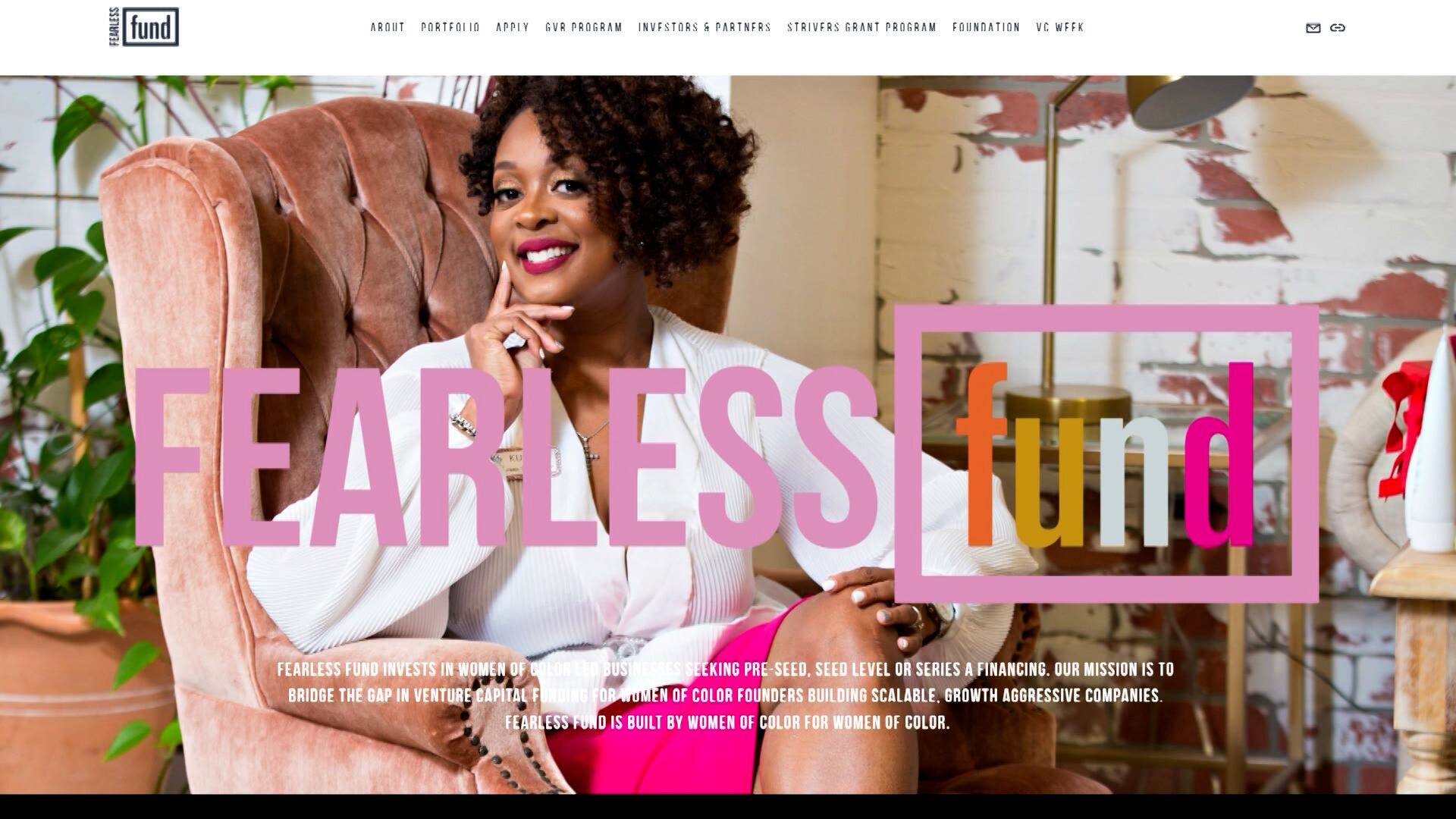
Black entrepreneurs lead the way in the creation of new businesses, but they often cannot get the necessary funding to get their business off the ground. The Fearless Fund is on a mission to change that, and help Black business owners get venture capital. The fund also offers a unique grant program meant to help entrepreneurs with growth, peer coaching, and more, including grants between $10,000 and $20,000. Arian Simone, Co-Founder and General Partner of Fearless Fund, joins Closing Bell to discuss the Fund's mission, how it helps Black entrepreneurs, and more.
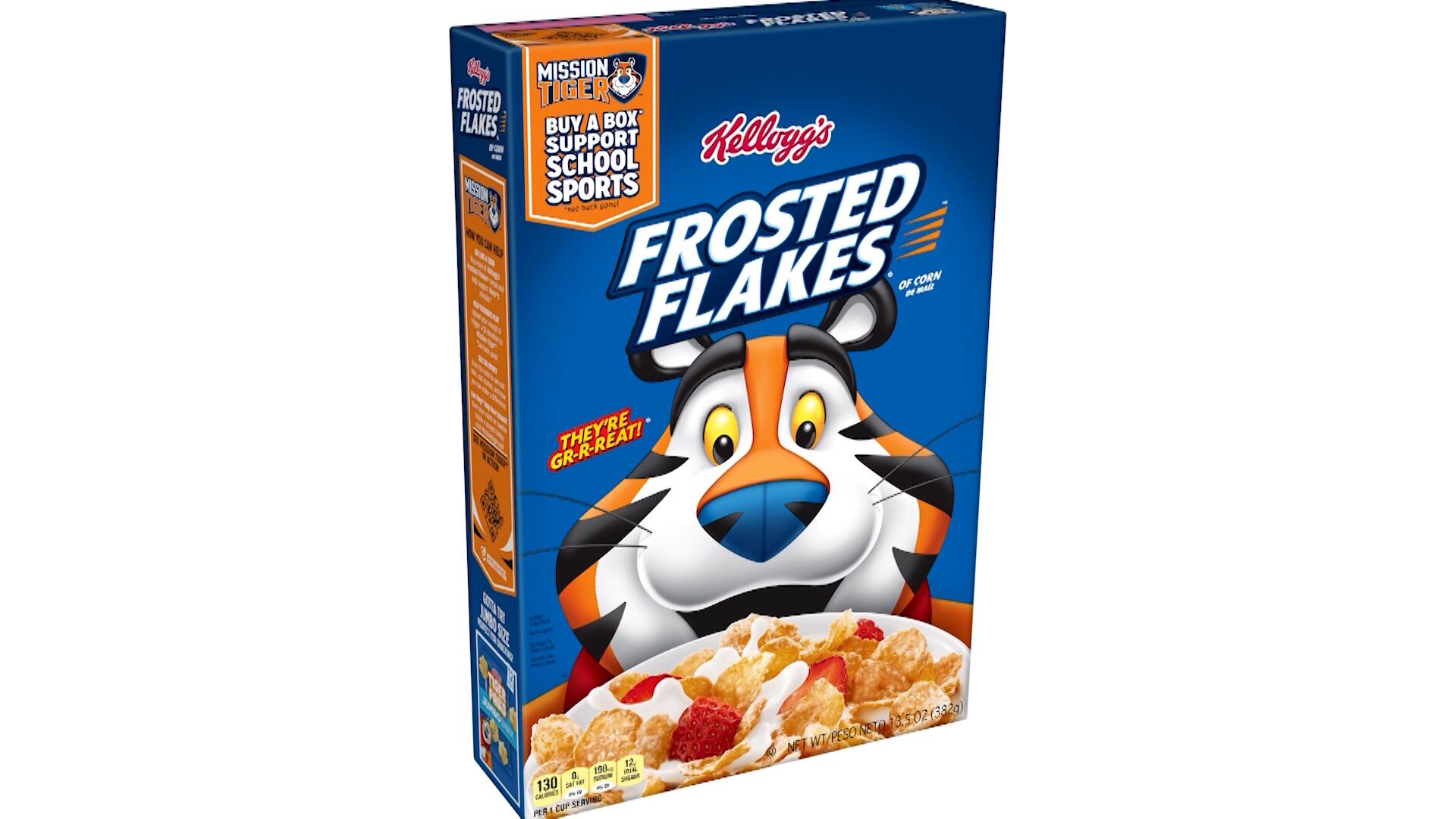
Multinational food company Kellogg’s reported an earnings beat amid supply chain issues and an extended labor strike. Kellogg’s Chairman and CEO c joined Cheddar News to discuss overcoming the obstacles and what's to come for the company. "The first half of the year is really going to be one about rebuilding inventory, and into the second quarter, starting to reestablish promotional activity for our customers and our consumers," Cahillane said. "And then the back half of the year, obviously, we're really much more back in business, and we expect to exit the year with our business in cereal being just as strong as it's ever been."
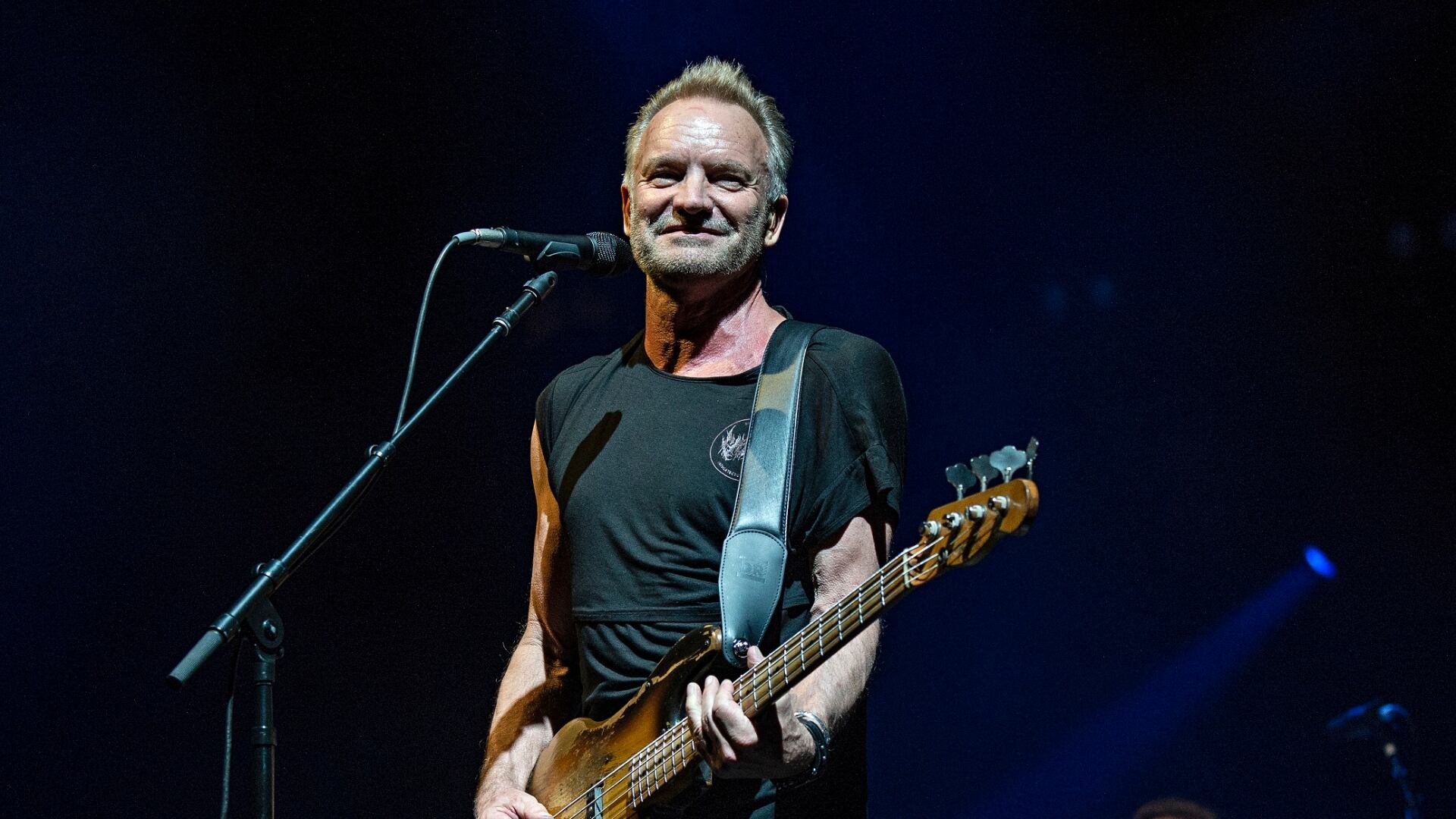
Sting has sold his catalog of more than 600 songs for $300 million to Universal Music. The deal gives the label the rights to all of his work, including “Every Breath You Take," as well as all future royalties.
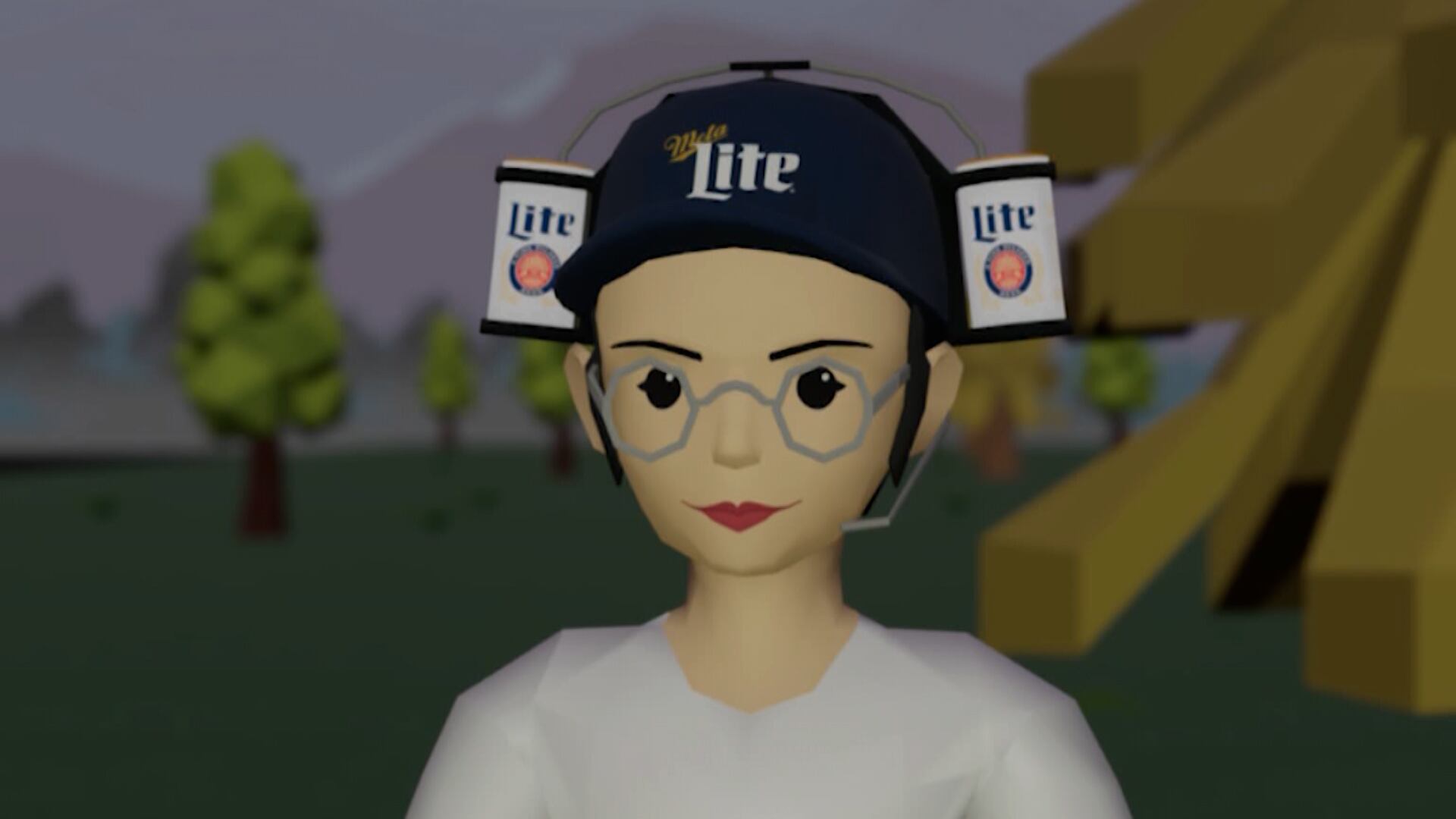
Miller Lite is opening the first branded bar in the metaverse, by way of Decentraland, as a way to advertise during the Super Bowl this year without buying an expensive TV commercial slot. Sofia Colucci, global vice president of Miller Family of Brands, joined Cheddar to talk about the new marketing concept. "We have a lot of great partnerships with NFL teams throughout the year but were shut out of advertising during the Super Bowl game, so this pushes us to think creatively and also think of what feels really relevant right now," Colucci said. "There's no question that there's a lot of excitement with the metaverse, and we wanted to participate but in a way that felt right for Miller Lite."
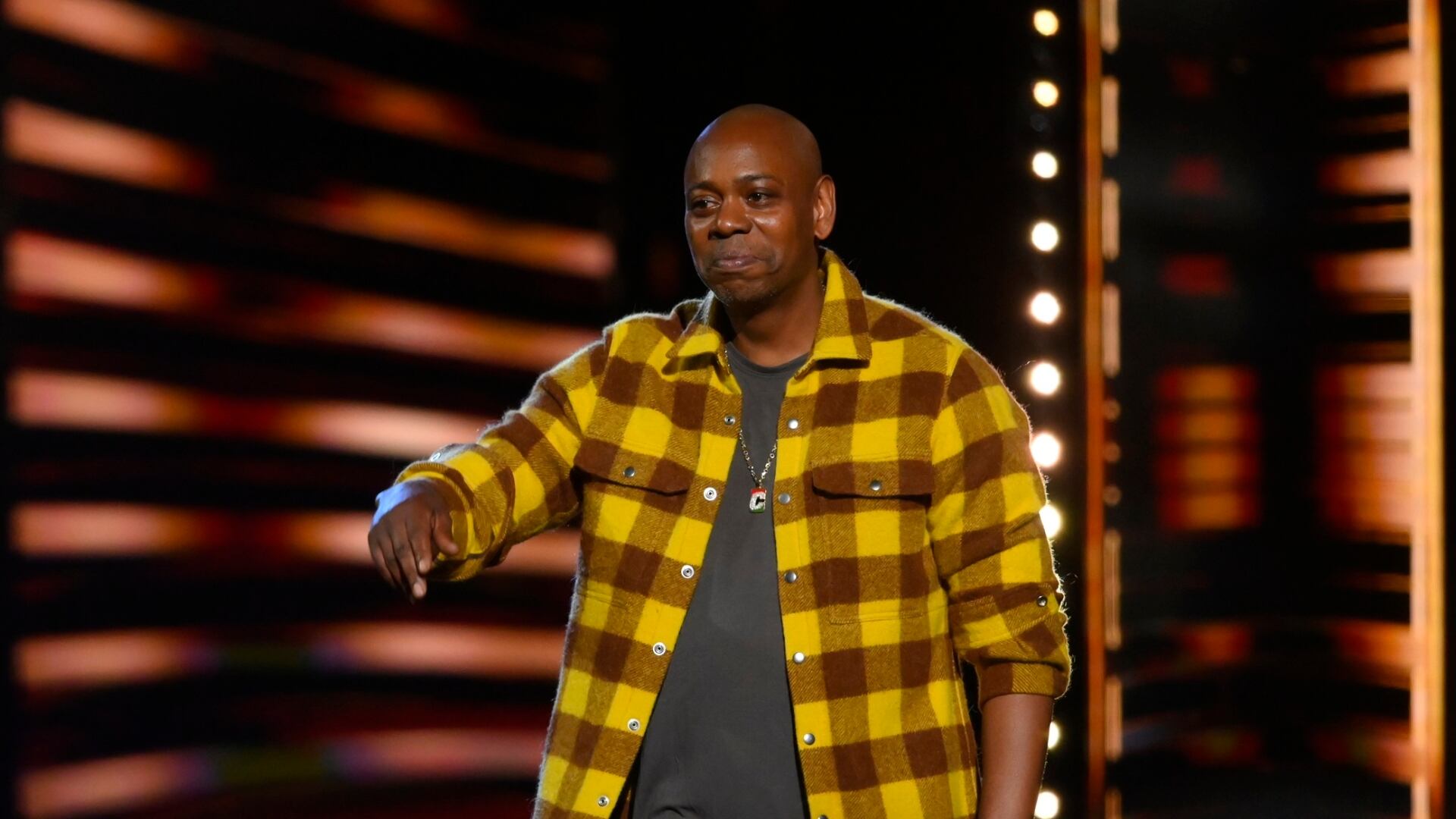
Plans to add affordable housing to a development in Yellow Springs, Ohio, were squashed after comedian Dave Chappelle and other community members spoke out against the project. Chappelle threatened to pull the plug on his local comedy club and restaurant projects if the development had been approved.