Stocks rose broadly in morning trading on Wall Street as investors welcomed signals that a standoff in Congress over the federal debt ceiling is closer to a resolution.
The S&P 500 rose 1.4% as of 10:16 a.m. Eastern. Roughly 95% of stocks within the benchmark index gained ground. The Dow Jones Industrial Average rose 514 points, or 1.5%, to 34,930 and the Nasdaq rose 1.6%.
Markets in Europe and Asia were also broadly higher.
The market snapped out of a days-long bout of volatility late Wednesday after Senate GOP leader Mitch McConnell made an offer that would allow an emergency extension of the debt ceiling into December.
The debt ceiling caps the amount of money the federal government can borrow and it needed to be raised by Oct. 18. Treasury Secretary Janet Yellen had warned that the the nation would likely face a financial crisis and economic recession if Congress failed to do so.
The debt ceiling debate and the potential for an unprecedented federal default is one of many concerns weighing on the market. Those worries sent the benchmark S&P 500 swinging between daily gains and losses of more than 1% for four days.
Investors received another encouraging piece of news on Thursday after the Labor Department reported that the number of Americans applying for unemployment benefits fell last week for the first time in four weeks. The labor market has been struggling to recover from the pandemic's initial impact 18 months ago when lockdowns from COVID-19 gutted jobs.
Wall Street will get another snapshot Friday of the job market and its recovery when the Labor Department releases its employment report for September.
Inflation remains a key concern for Wall Street and investors are closely watching the Federal Reserve for any shift in its timetable for raising interest rates. The Fed’s policymaking committee recently signaled the central bank could start raising rates late next year. Analysts have said that the Fed could act sooner than expected if high inflation persists.
Bond yields rose. The yield on the 10-year Treasury rose to 1.55% from 1.52% late Wednesday.
COVID-19 continues to hamper the economic recovery following a surge of cases over the summer. Consumer spending and job growth was stunted and supply chain problems crimped operations in a wide range of industries.
More positive news on fighting off future spikes of the virus came from Pfizer on Thursday. It asked U.S. regulators to allow use of its COVID-19 vaccine in children ages 5 to 11. The drug developer's stock rose 1.9%.
At 100 years old, the Goodyear Blimp is an ageless star in the sky. The 246-foot-long airship will be in the background of the Daytona 500 — flying roughly 1,500 feet above Daytona International Speedway, actually — to celebrate its greatest anniversary tour. Even though remote camera technologies are improving regularly and changing the landscape of aerial footage, the blimp continues to carve out a niche. At Daytona, with the usual 40-car field racing around a 2½-mile superspeedway, views from the blimp aptly provide the scope of the event.
You'll just have to wait for interest rates (and prices) to go down. Plus, this deal's a steel, the big carmaker wedding is off, and bribery is back, baby!
It’s a chicken-and-egg problem: Restaurants are struggling with record-high U.S. egg prices, but their omelets, scrambles and huevos rancheros may be part of the problem. Breakfast is booming at U.S. eateries. First Watch, a restaurant chain that serves breakfast, brunch and lunch, nearly quadrupled its locations over the past decade to 570. Fast-food chains like Starbucks and Wendy's added more egg-filled breakfast items. In normal times, egg producers could meet the demand. But a bird flu outbreak that has forced them to slaughter their flocks is making supplies scarcer and pushing up prices. Some restaurants like Waffle House have added a surcharge to offset their costs.
William Falcon, CEO and Founder of Lightning AI, discusses the ongoing feud between Elon Musk and Sam Altman, and how everyday people can use AI in their lives.
U.S. tariffs on steel and aluminum “will not go unanswered,” European Union chief Ursula von der Leyen vowed on Tuesday, adding that they will trigger toug
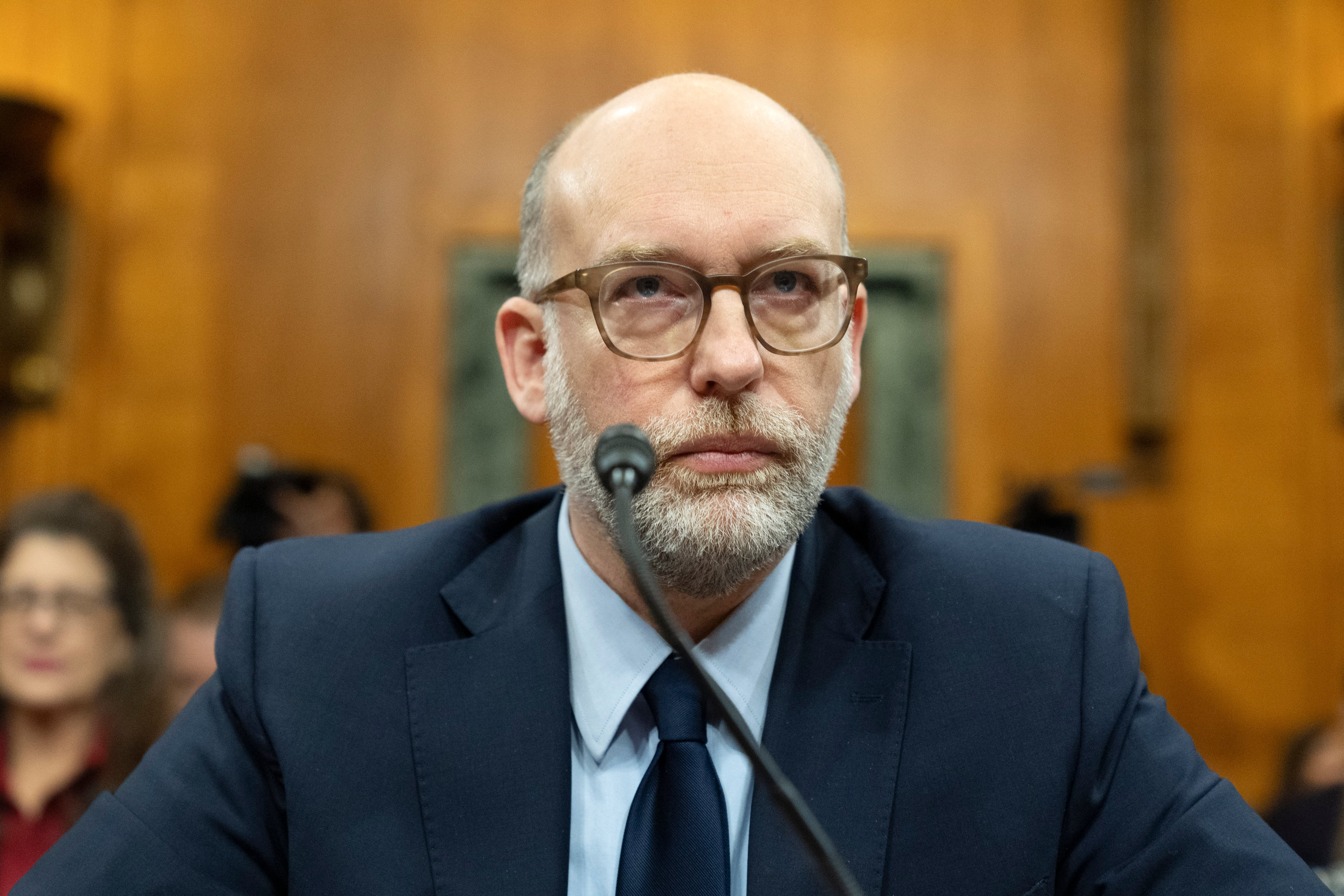
The Trump administration has ordered the Consumer Financial Protection Bureau to stop nearly all its work, effectively shutting down the agency that was created to protect consumers after the 2008 financial crisis and subprime mortgage-lending scandal. Russell Vought is the newly installed director of the Office of Management and Budget. Vought directed the CFPB in a Saturday night email to stop work on proposed rules, to suspend the effective dates on any rules that were finalized but not yet effective, and to stop investigative work and not begin any new investigations. The agency has been a target of conservatives since President Barack Obama created it following the 2007-2008 financial crisis.