By Stan Choe
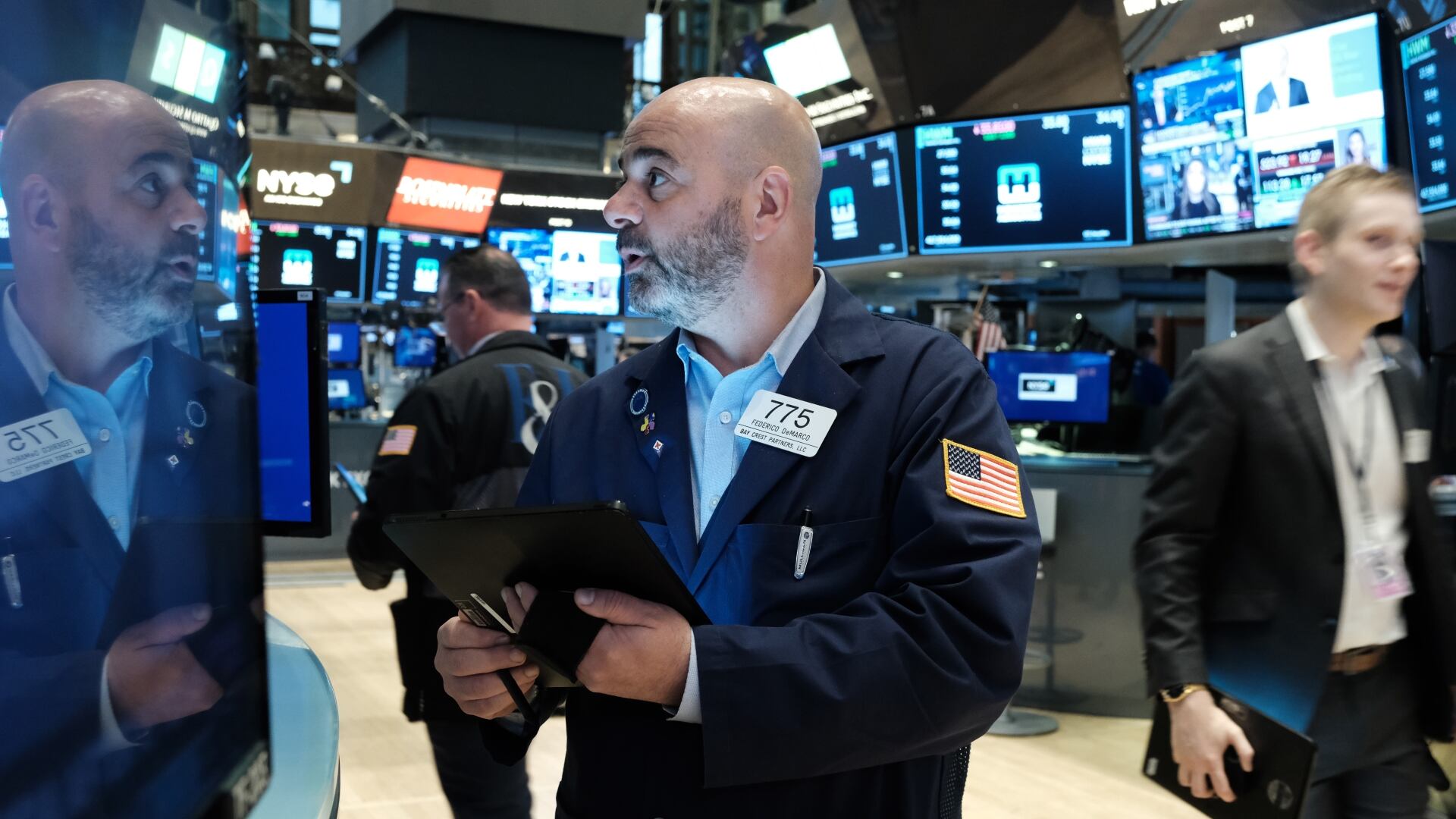
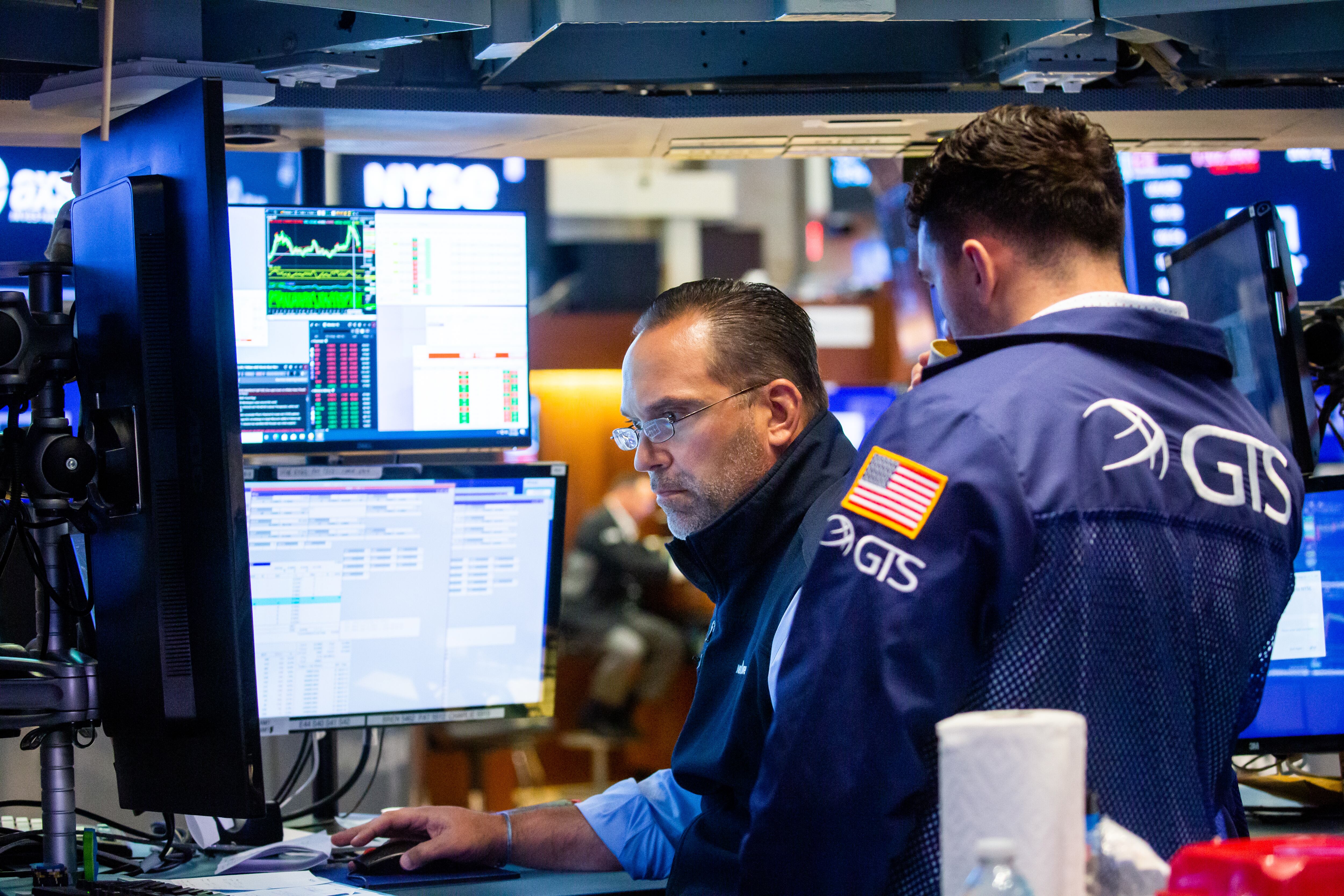
Stocks ended mixed a day after falling to their worst loss since December, as Wall Street prepares for interest rates to stay higher for longer. The S&P 500 dipped 0.2% Wednesday after drifting between small gains and losses. The Dow fell and the Nasdaq rose. Treasury yields pulled back a bit after their surge the prior day. Yields have shot higher this month on expectations the Federal Reserve will be more aggressive on interest rates than markets had expected to drive down inflation. Minutes from the Fed’s last meeting showed policy makers still think inflation is too high despite a recent cooldown.
THIS IS A BREAKING NEWS UPDATE. AP’s earlier story follows below.
Stocks wavered between small gains and losses on Wall Street Wednesday, a day after falling to their worst loss since December on worries about higher interest rates.
The S&P 500 fell 0.2% after drifting between small gains and losses throughout the day. The Dow Jones Industrial Average fell 91 points, or 0.3%, at 33,037, as of 2:44 p.m. Eastern time, while the Nasdaq composite was up 0.1%.
After leaping at the start of the year, stocks hit a wall in February on worries that inflation may not be cooling as quickly or as smoothly as hoped. That has Wall Street upping its forecasts for how high the Federal Reserve will take interest rates, as well as for how long it will keep them at that level.
High rates can help drive down inflation, but they raise the risk of a recession because they slow the economy. They also hurt investment prices.
Yields in the Treasury market have shot higher this month after several stronger-than-expected reports on the economy forced the recalibration by Wall Street, which had earlier built bets that easing inflation would get the Fed to take it easier on interest rates soon.
The yield on the 10-year Treasury is near its highest level since November. It pulled back a bit from its surge on Tuesday, dipping to 3.91% from 3.95%. That helped take some pressure off stocks on Wednesday.
The two-year yield, which moves more on expectations for the Fed, fell to 4.68% from 4.73%. It’s also been near its highest level since November. If it tops that level, it would be at its highest since 2007.
Traders have in recent weeks reduced bets that the Fed could cut rates later this year. Now they’re in closer alignment with what Fed officials have been telling the market for months, if not preparing for even more.
Investors are penciling in at least two more rate hikes of 0.25 percentage points. They’re even talking about the possibility that the Fed may consider going back to increases of 0.50 points.
The Fed has brought its main overnight rate up to a range of 4.50% to 4.75%, up from virtually zero at the start of last year, in its drive to stamp out high inflation. It’s also said it envisions no cuts to rates this year.
Minutes from the central bank's last policy meeting showed that nearly all of its policymakers agreed earlier this month to slow the pace of their rate increases to a quarter-point. Its next move on rates will be next month.
Traders see a nearly three-in-four chance that the Fed will raise rates by 0.25 points, according to CME Group. They see a 24% chance of a hike of 0.50 points. A month ago, traders were seeing a roughly 21% chance that the Fed wouldn't raise rates at all in March.
A relatively lackluster earnings reporting season for big U.S. companies is winding down, and some of Wednesday's biggest losers dropped despite reporting better results for the latest quarter than expected. That's because investors have been putting more emphasis on what companies say about their upcoming results, with worries high about rising costs and high inflation eating into profits.
Charles River Laboratories dropped 11.9% despite topping forecasts for the latest quarter. It said it received a U.S. Justice Department subpoena related to shipments of non-human primates that the company received from its supplier in Cambodia. The company said it voluntarily suspended such shipments, which pushed it to cut its forecast for revenue this upcoming year.
Keysight Technologies tumbled 13.5% for the largest loss in the S&P 500 despite also reporting stronger profit and revenue for the latest quarter than expected. Analysts pointed to its reporting of softer orders than forecast.
On the winning side was Diamondback Energy, which rose 2.1% after it reported a stronger profit for its latest quarter than analysts expected.
___
AP Business Writers Damian J. Troise, Yuri Kageyama and Matt Ott contributed.