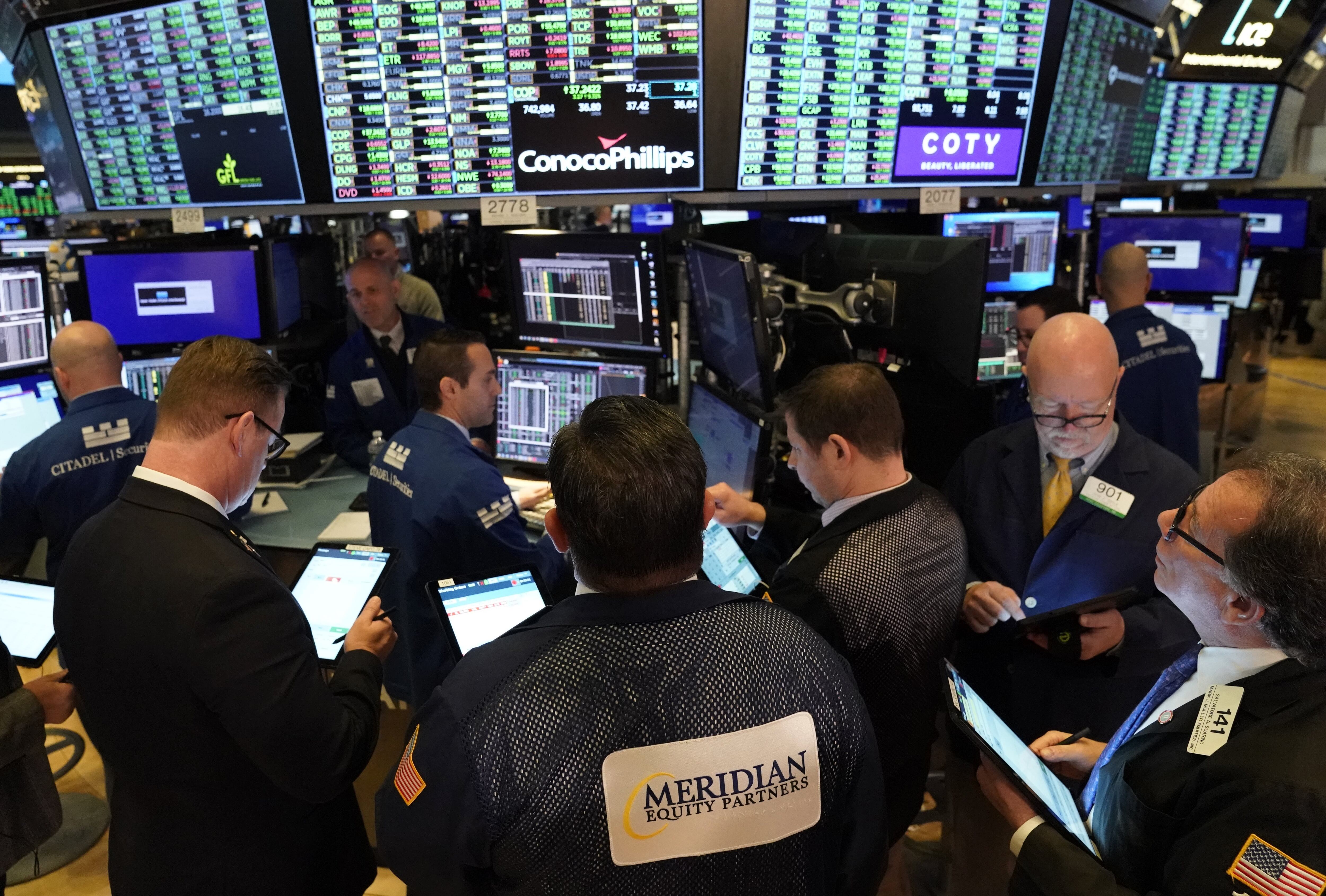
Traders work on the floor of the New York Stock Exchange during the opening bell on March 10, 2020 in New York. (Photo by TIMOTHY A. CLARY/AFP via Getty Images)
By Stan Choe
U.S. stocks, oil and other financial markets around the world clawed back some of their historic plunge from a day before amid hopes that the U.S. and other governments around the world will pump in more aid for a virus-weakened global economy.
Investors welcomed Tuesday's reprieve but weren't pretending that this is the end to the market's huge swings, which took the S&P 500 on Monday to its worst day since the 2008 financial crisis. Stocks have had jumps even bigger than this in the past couple weeks, only for the bottom to give out again.
Nonetheless, hope was rising that the big support efforts from global authorities that markets have been waiting for may be on the way, at least in a piecemeal way. President Donald Trump says his administration will ask Congress for payroll tax relief and other quick measures to help protect from the spread of COVID-19, which has pushed airlines to cancel flights and prodded Italy to lock down the entire country.
In Japan, a task force set up by the prime minister approved a 430 billion yen ($4.1 billion) package with support for small to medium-sized businesses.
Perhaps the most notable market move Tuesday was that Treasury yields also pushed higher in a sign that fear has receded a bit, though they remain far below where they were even a week ago.
The 10-year Treasury yield rose to 0.65 percent from 0.49 percent late Monday. A week ago, it had never been below 1 percent.
The S&P 500 was up 3.3 percent, as of 10:10 a.m. Eastern time. It recovered about two-fifths of its loss from the day before.
The Dow Jones Industrial Average rose 794 points, or 3.3 percent, to 24,645, and the Nasdaq composite was up 3.5 percent.
Brent crude, the international standard, rose $2.77, or 8.1 percent, to $37.13, while benchmark U.S. crude rose $2.450 to $33.63. Oil prices plunged 25 percent on Monday amid a price war between producers, who are pulling more oil out of the ground even though demand is falling due to the virus.
For most people, the new coronavirus causes only mild or moderate symptoms, such as fever and cough. For some, especially older adults and people with existing health problems, it can cause more severe illness, including pneumonia.
The vast majority of people recover from the new virus. According to the World Health Organization, people with mild illness recover in about two weeks, while those with more severe illness may take three to six weeks to recover. In mainland China, where the virus first exploded, more than 80,000 people have been diagnosed and more than 58,000 have so far recovered.
But because the virus is new, experts can't say for sure how far it will ultimately spread. That has investors worried about the worst-case scenario for corporate profits and the economy, where factories and supply chains are shut around the world due to quarantines and people stay huddled at home instead of working or spending.
That's why many say the market will continue to swing sharply at least until the number of new cases decelerates.
Central banks around the world, which have done some of the heaviest lifting to prop up markets and business confidence over the last decade-plus, have already used up most of their ammunition. Several have already cut rates below zero, and the Federal Reserve's benchmark rate is sitting at a range of 1 percent to 1.25 percent.
That adds pressure on governments to do what they can as well. Investors are asking for quick, coordinated aid to provide support to companies and households who are going to be out income because of the virus.
For strategists at BlackRock Investment Institute, that could include generous sick-pay programs or even direct payments to households. For businesses, governments could suspend collecting tax revenue to give them some temporary relief and hold on to cash as the world waits for the outbreak to be contained.
"That would prevent these temporary disruptions from turning into a full-blown global recession," strategists at BlackRock Investment Institute wrote in a report.
___
The Associated Press receives support for health and science coverage from the Howard Hughes Medical Institute's Department of Science Education. The AP is solely responsible for all content.
Green tech investments had a stellar 2021 amid a wave of SPAC mergers and massive valuations. But that momentum seems to be slowing down as investors turn to safer companies amid tightening monetary policy and skepticism about profitability and reliability amid SEC investigations. What happens next for this next-generation group of startups? Sophie Karp, an equity research analyst at KeyBanc Capital Markets, joins Closing Bell to discuss.
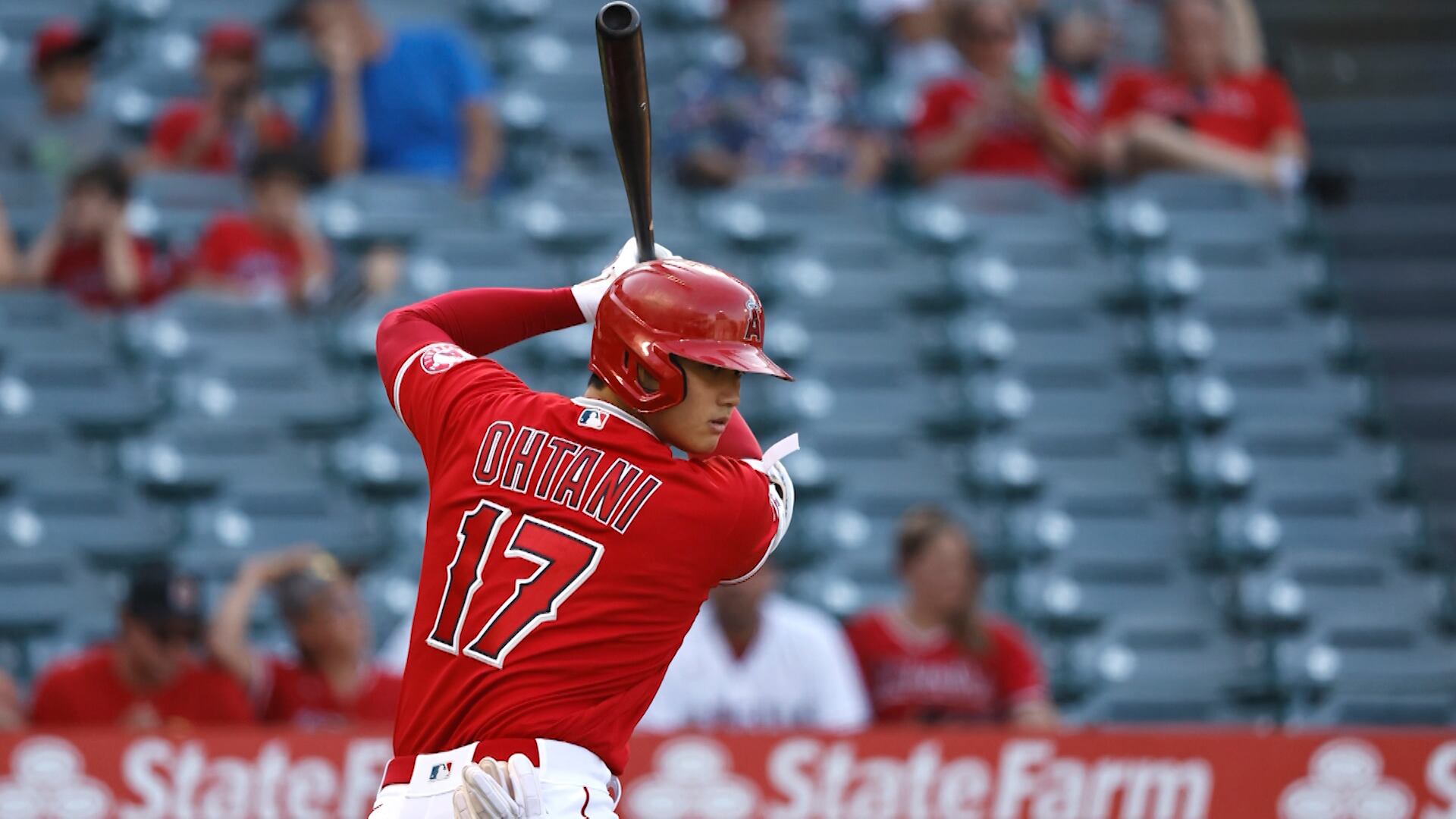
In late January, NFT company Candy Digital cashed in when a Shohei Ohtani Icon NFT sold for $100,000, breaking the six-figure sale price mark for MLB NFTs for the first time. Scott Lawin, CEO of Candy Digital, joins Cheddar News' Closing Bell, where he explains why his company is very excited about the future of digital collectibles and how the Ohtani NFT sale shows consumer confidence in the marketplace.
Sēkr, a mobile app that aims to improve and digitize the outdoor travel experience, announced this week that it raised a $2.25 million seed round. In the Sēkr app, users can get access to more than 50,000 campsites throughout the U.S. including the nation's largest database of free campsites. The company is saying it is on a mission to make every step of the planning experience for outdoor travel easier, safer, and more social. Breanne Acio, co-founder and CEO of Sēkr, and Jess Shisler, co-founder and COO, joined Cheddar News' Closing Bell to discuss.
Cheddar's Big Game Special gives you all the info you need heading into Sunday's event. Pro Football Hall of Famer Terrell Davis, Big Game MVP Hines Ward, and Big Game Champion Emmanuel Sanders dissect the action set to take place on the field, Olivia Harlan Dekker delivers her winning wagers, Tom Morton breaks down what we should expect from advertisers, Azia Celestino showcases the atmosphere from Los Angeles, and Baker Machado discusses what viewers should expect to see unfold during the halftime show.
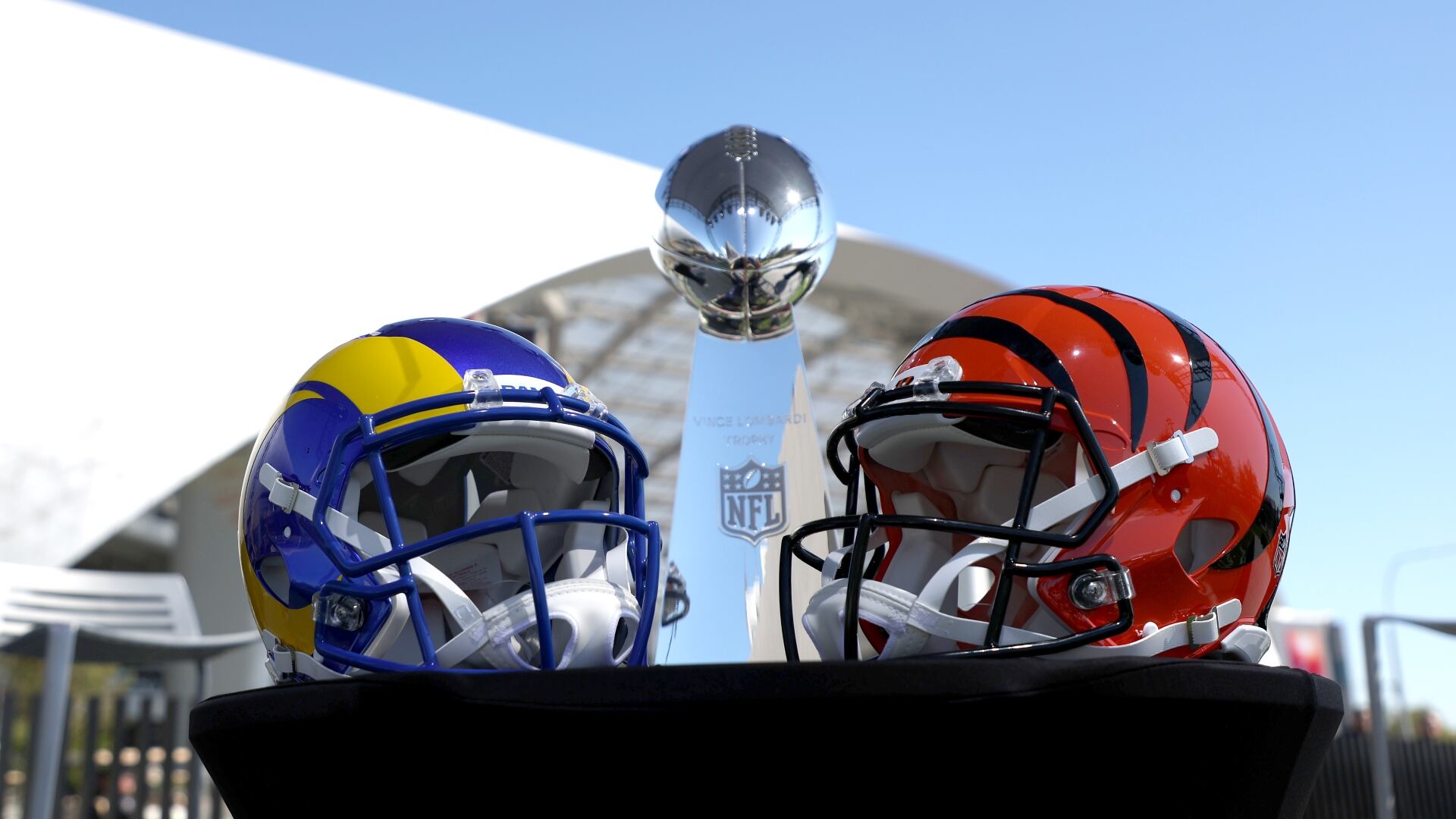
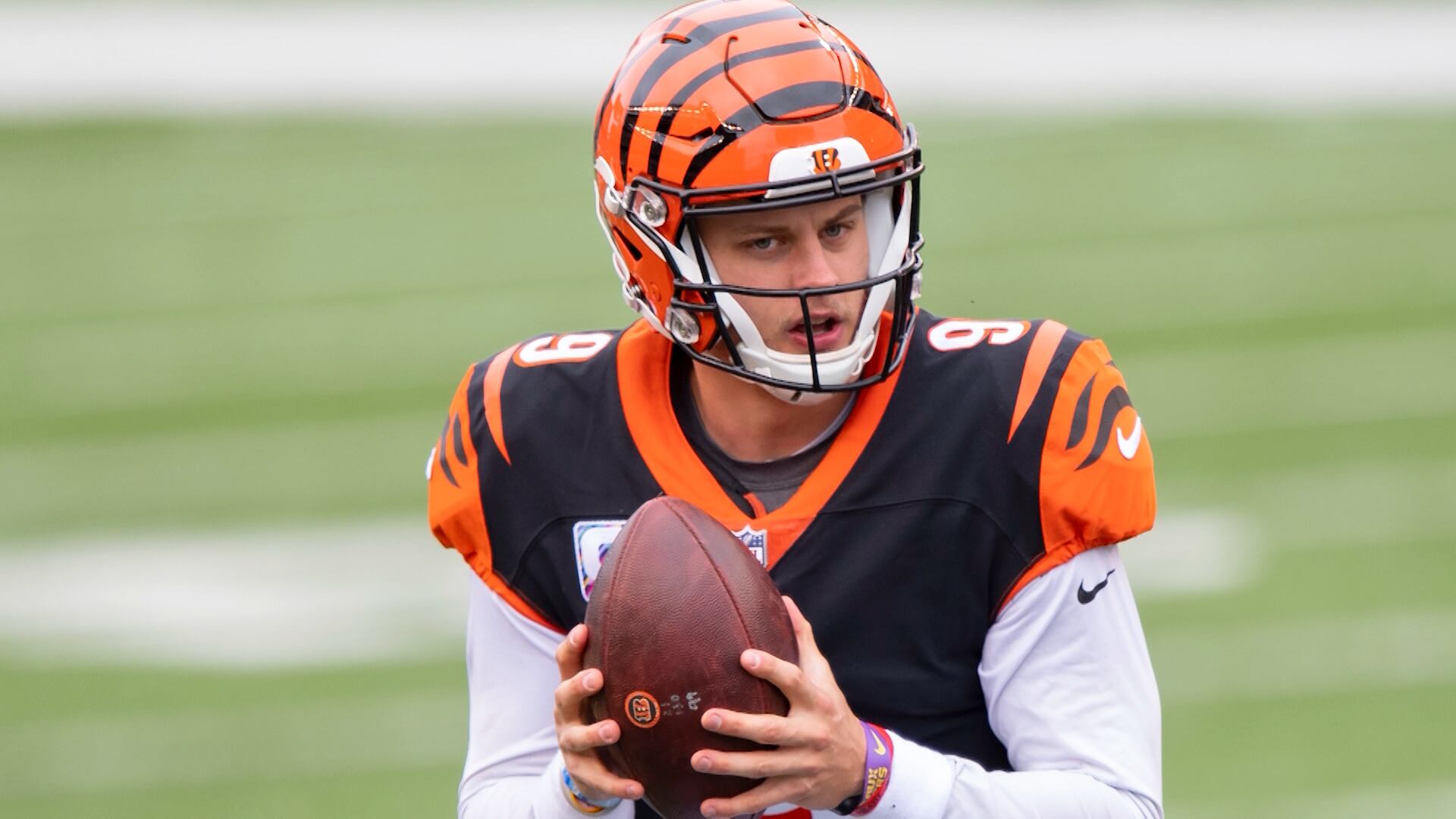
As the Cincinnati Bengals and Los Angeles Rams prep to face each other in the Big Game at SoFi Stadium in LA, 55 percent of a record number of bettors are projected to drop money on the Rams. Casey Clark, the senior vice president of strategic communications for the American Gaming Association, joined Cheddar News to share some data and predictions based on the greater interest in gambling on Super Bowl LVI. "You know that means that people are migrating away from the predatory illegal market and corner bookie and moving their action into the legal marketplace," he said. "So really encouraging for consumer protections and for those of us who might want to have a little action on the game."
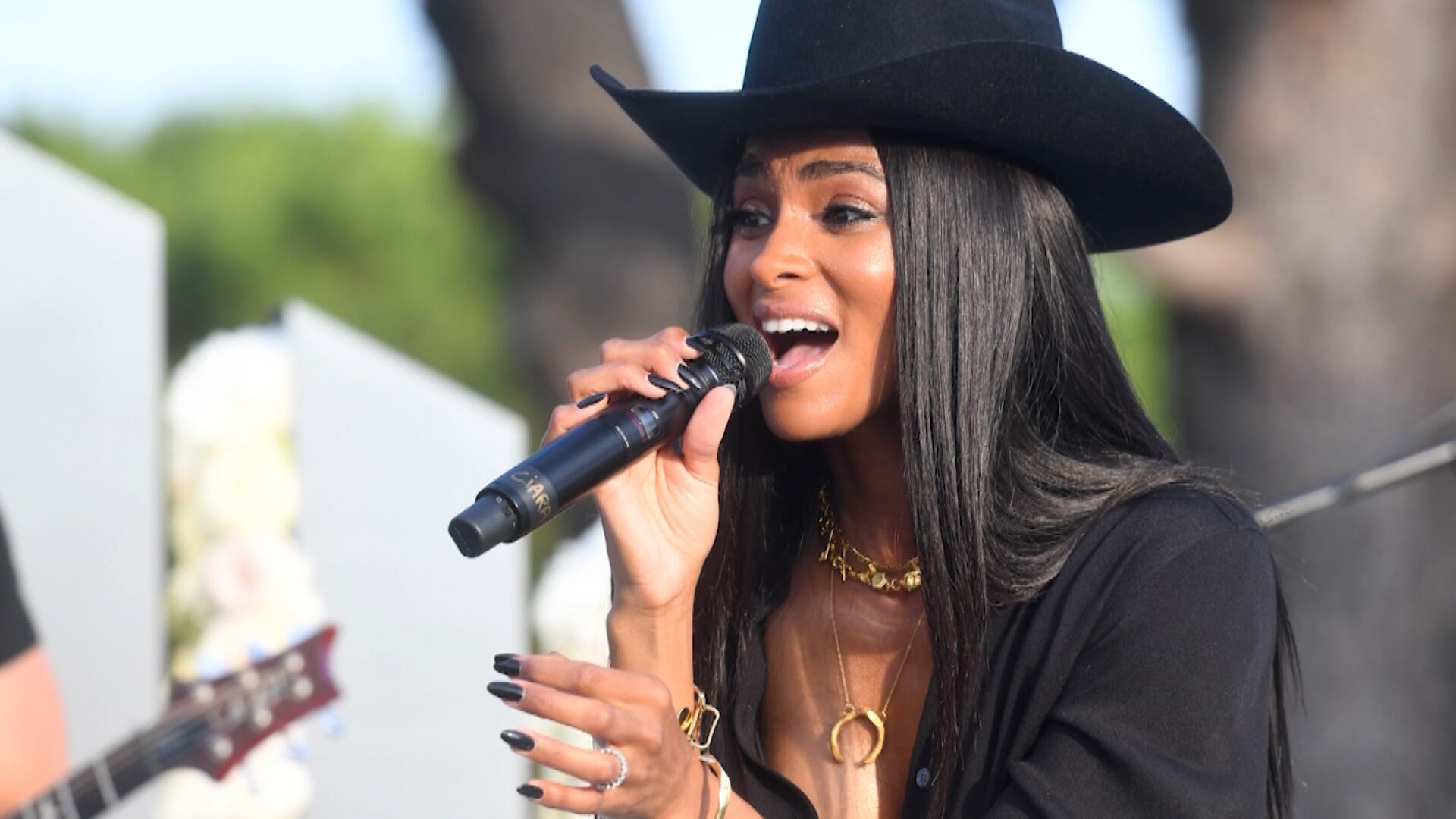
Facebook parent Meta and Grammy Award-winning singer Ciara have joined forces to help black female-owned small businesses. Selected businesses will receive marketing mentorship from Meta along with $100,000 to put into their brand. One such business, The Self Care Suite, is a platform that supports mental health, and founder Tara Pringle Jefferson, along with Irene Walker, Meta Elevate founder and program manager, joined Cheddar News to discuss the program. "Having this opportunity with Meta, with Ciara, really will allow us to focus on our virtual programming, to focus on our e-commerce shop, and, as we kind of adjust, to the new normal in 2022," said Pringle Jefferson.
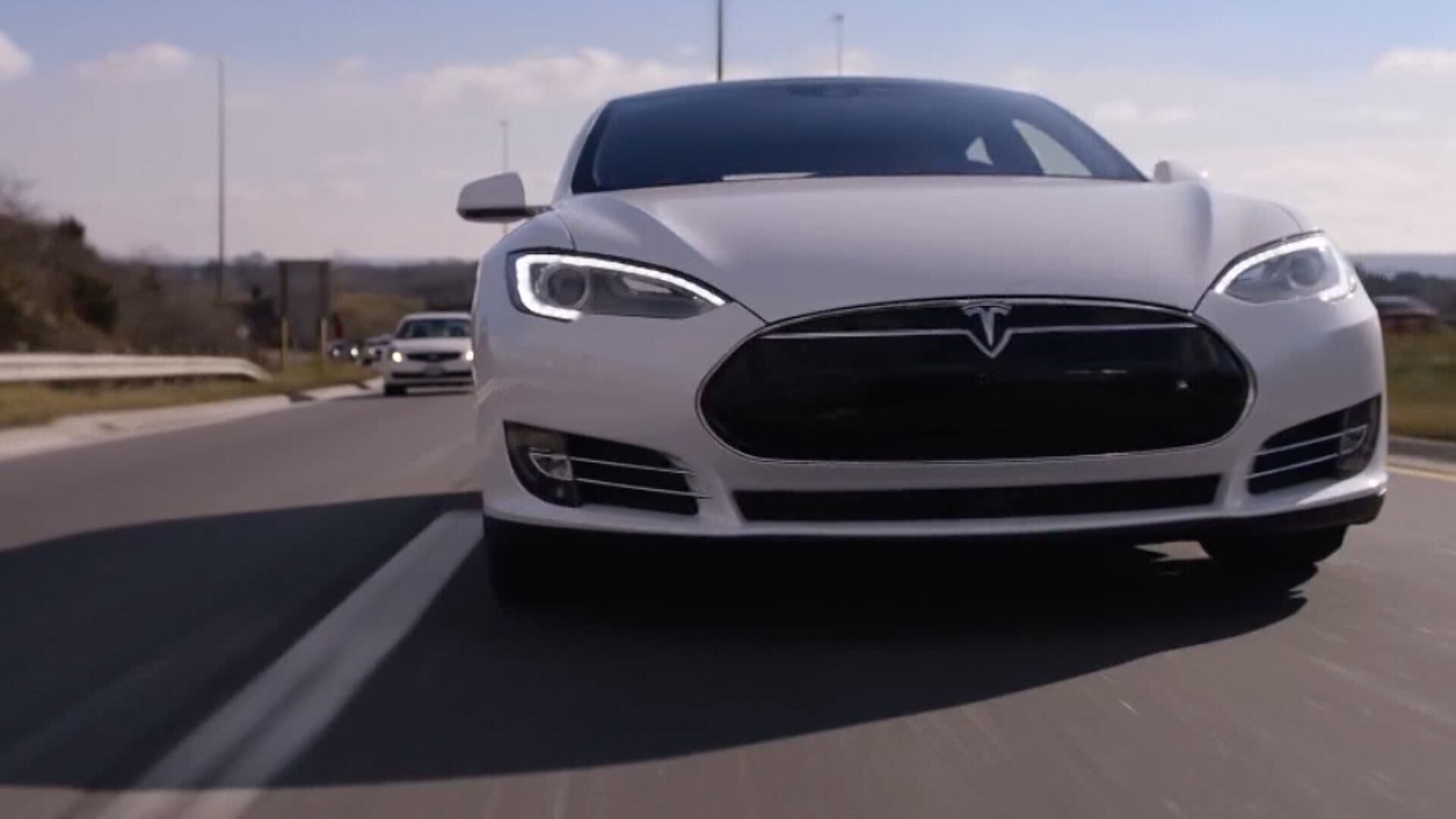
Tesla has been under mounting regulatory scrutiny by the NHTSA, and has issued numerous recalls, including four within the past two weeks. While the company has issued recalls over the years, the number seems to be increasing in recent months as the company issues fixes for seat belt chimes, pedestrian alerts, its self-driving software, and more. What's behind this uptick in recalls — and how might this impact brand loyalty? Al Root, Senior Writer at Barron's, joins Closing Bell to discuss.
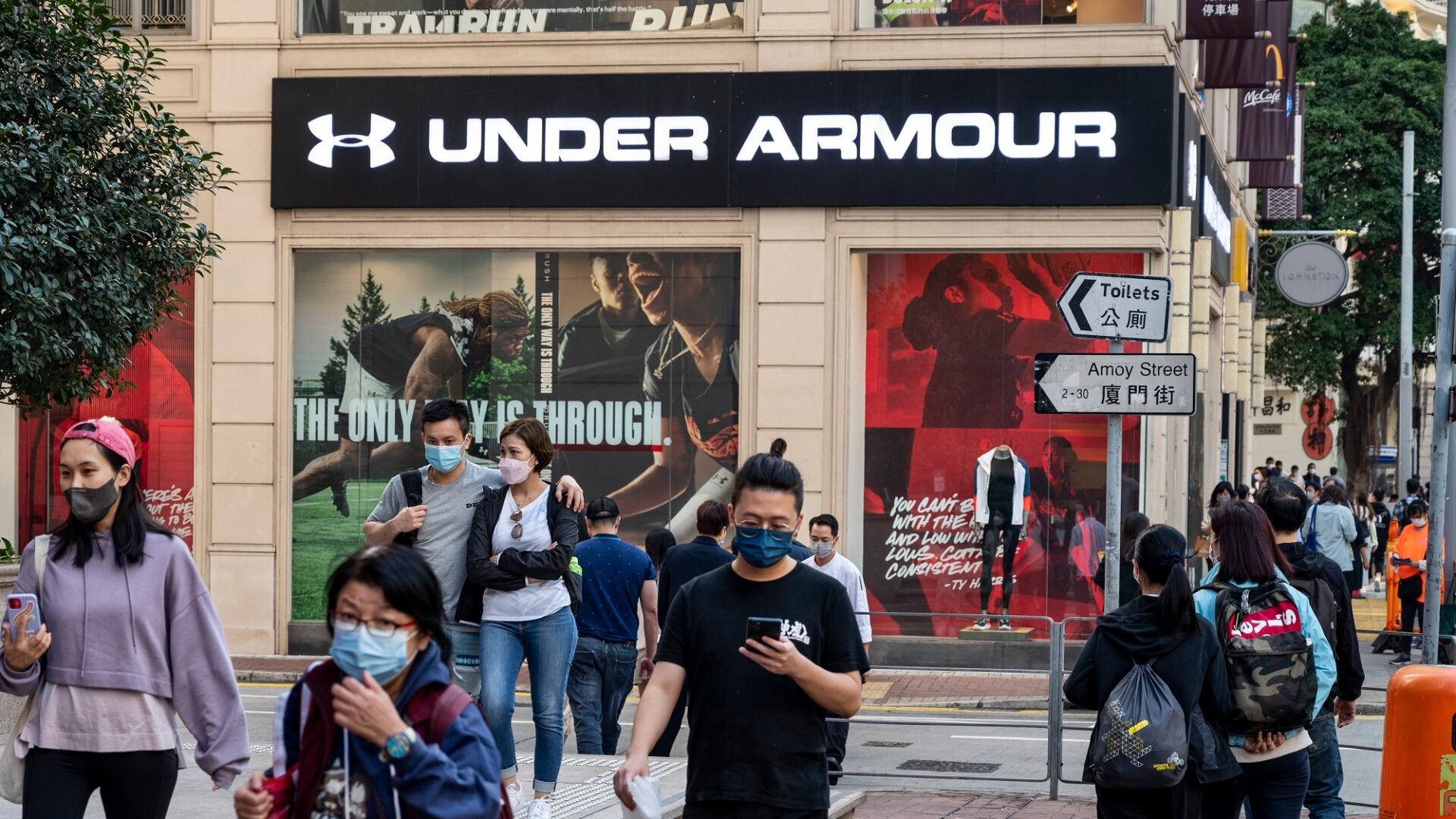
Under Armour released a successful Q4 earnings report amid supply chain issues. The apparel company said it invested in analytics to decipher what drives consumers to its brand. However, the company warned of potential supply problems going forward due to COVID.