By Alex Veiga
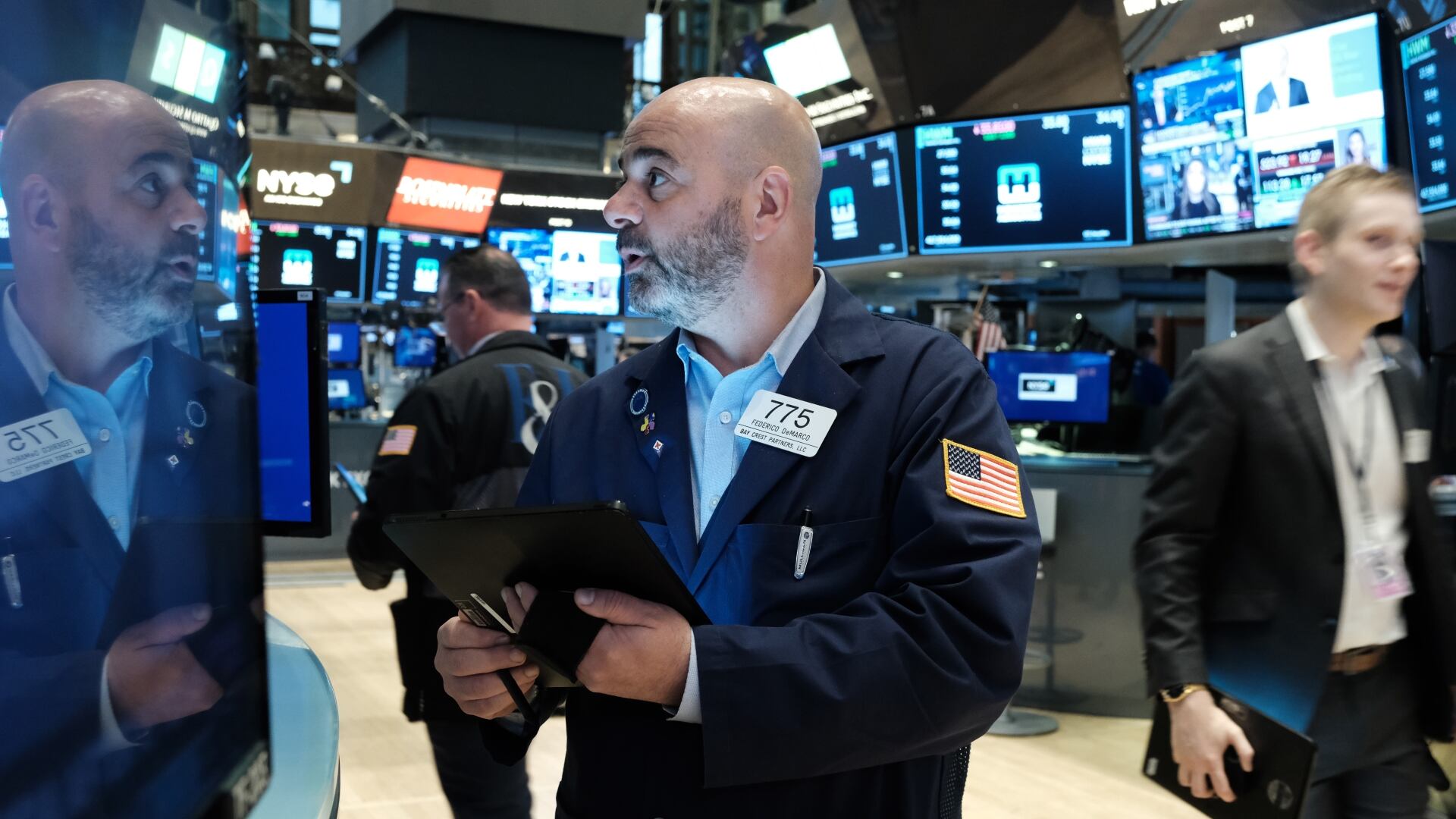
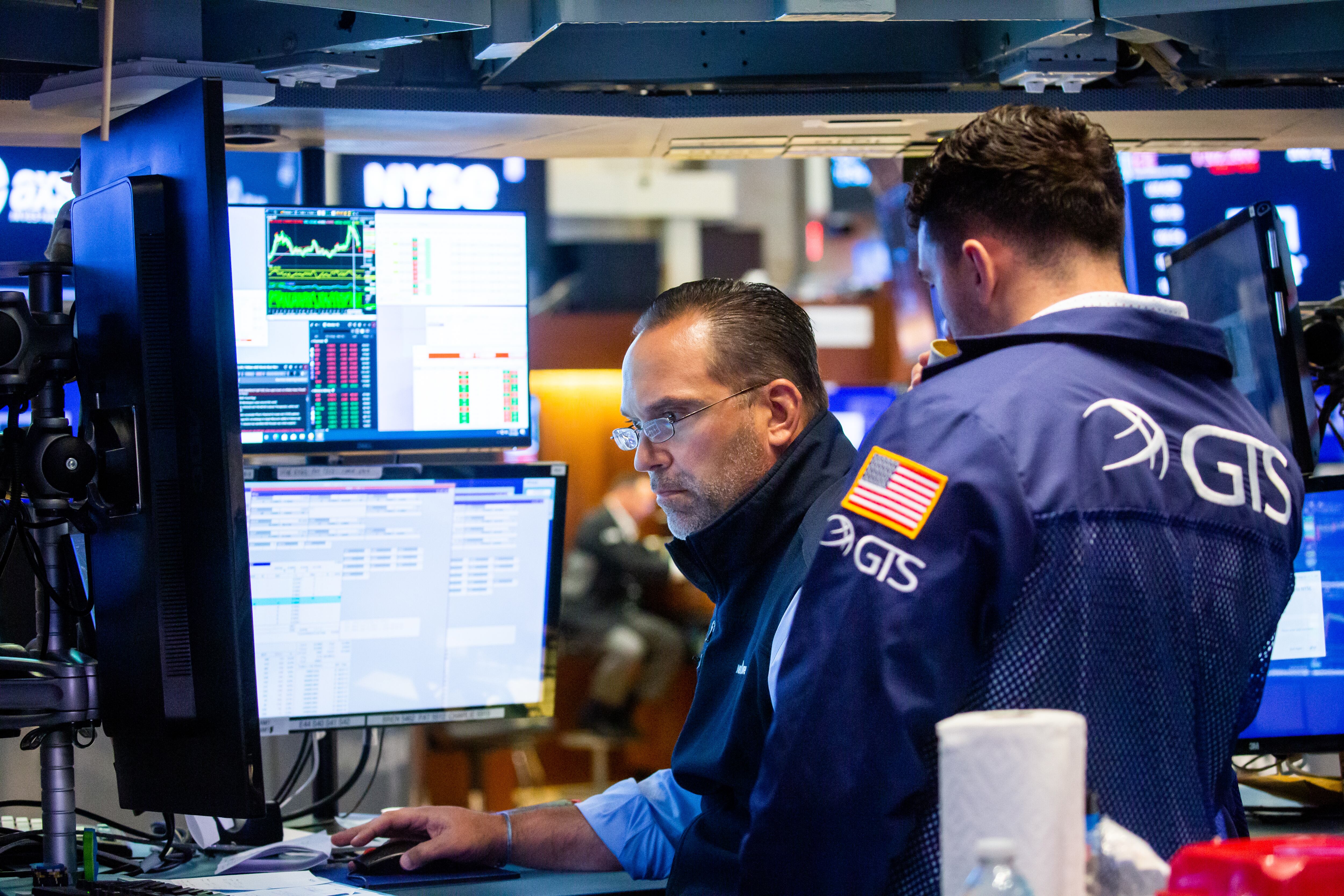
Stocks are clawing back some of their recent losses Friday at the end of a brutal week of selling as the spreading coronavirus heightened fears of a global recession.
The gains, which came in yet another day of turbulent trading, follow the worst slide for the U.S. market since the Black Monday crash of 1987 and one of the worst drops for Europe on record.
Much of an early surge evaporated, leaving major indexes up about 1.7% at lunchtime, or 330 points on the Dow Jones Industrial Average. They had been up as much as 6% earlier. The Dow's 10% drop a day earlier was its worst since the Black Monday crash of 1987.
Investors have been clamoring for strong action from the U.S. government to combat the economic impact of the virus outbreak. News that the White House and Congress are close to announcing an agreement on a package aimed at reassuring anxious Americans by providing sick pay, free testing and other resources helped boost the market.
“We’re finally getting that a little late to the party, but it’s better to be late to the party then not to come to the party,” said Ryan Detrick, senior market strategist at LPL Financial. He said he the stimulus plan should help cushion the financial impact to people and businesses.
Treasury Secretary Steven Mnuchin said Friday morning on CNBC that the two sides were “very close to getting this done.” President Donald Trump is expected to hold a news conference later Friday.
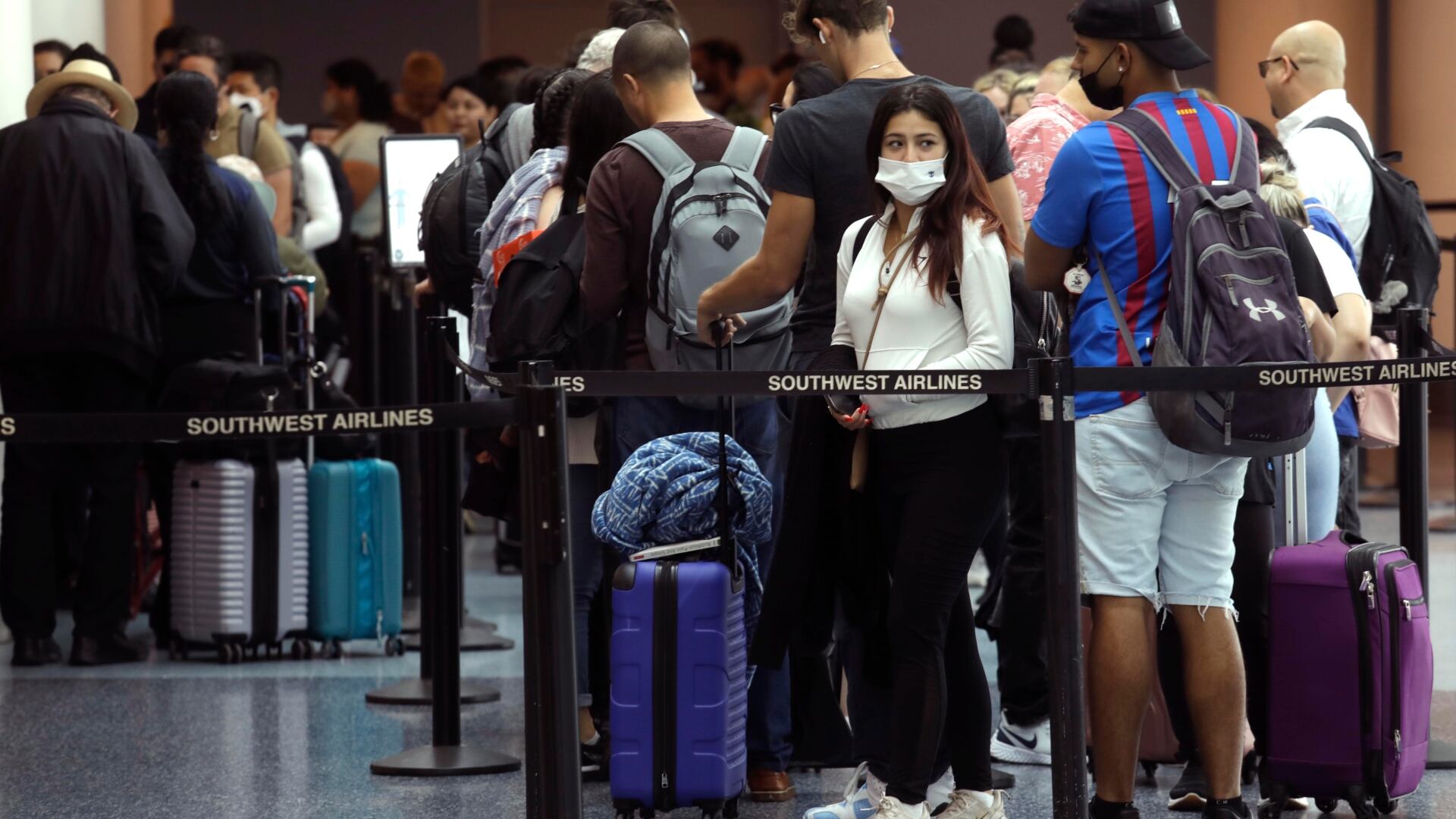
The market's rout intensified this week amid a torrent of cancellations and shutdowns around the globe as governments and businesses attempted to stem the spread of the outbreak. On Thursday, Disney said it would close its theme parks in the U.S., one of many closures by businesses that have fueled fear that a severe pullback in consumer and business spending will tip the U.S. economy into a recession and wreck corporate profits this year.
Even with pickup, the stock market is still on track for its worst week since October 2008, during a global financial crisis. In just a few weeks, U.S. stocks have wiped out all the gains made during 2019, one of the best years for the market in decades. All the major indexes are in what traders call a bear market.
The virus has infected nearly 137,000 people worldwide. More than 5,000 have died, but half of those who had the virus have already recovered. The pandemic's new epicenter is Europe. In Italy, which is on a lockdown, the death toll has topped 1,000, with more than 15,000 confirmed cases. In the United States, cases have topped 1,700, while 31 people have died.
Initially, many hoped the virus would be contained in China. But as the damage and disruptions from the outbreak mount, the combined health crisis and the market retreat have heightened fears of a global recession.
“Recession risks are now clearly elevated, and we expect that there will be a hit to U.S. growth,” Anwiti Bahuguna, head of multi-asset strategy at Columbia Threadneedle Investments, wrote in a research note Friday.
She added that the extent of the drop in growth will depend on how severe and lengthy the virus infections end up being.
“If the spread of coronavirus disrupts demand for a prolonged period — beyond the next two months — the impact on growth will be more significant," Bahuguna wrote.
The market's wild swings this week have come as governments stepped up precautions against the spread of the new coronavirus and considered ways to cushion the blow to their economies.
More central banks, including those of China, Sweden and Norway, stepped in to support bond trading, a day after similar interventions from the Federal Reserve and the European Central Bank.
The Federal Reserve unexpectedly cut its benchmark interest rate by half a percentage point last week. On Thursday, it unveiled a massive short-term lending program to try to help smooth trading in U.S. Treasurys. Many economists expect the Fed will move to cut interest rates by a full percentage point, to nearly zero, at its meeting of policymakers next Wednesday.
Markets worldwide have been on the retreat as worries over the economic fallout from the coronavirus crisis deepen. Friday's gains in the U.S. and Europe were the latest chapter in a period of remarkable volatility for markets, with major indexes plunging into bear market territory at record pace. Asian markets ended a volatile day mostly lower.
The historic sell-off on Wall street this week helped to wipe out most of the big U.S. gains since President Trump took office in 2017. On Thursday, the S&P 500's fell more than 20% below its all-time high set on February 19, officially ending Wall Street's unprecedented bull-market run of nearly 11 years. The index's slide into a bear market has been the fastest since World War II from a record high to a bear market.
Just last month, the Dow was boasting a nearly 50% increase since Trump took the oath of office on Jan. 20, 2017. It officially went into a bear market on Wednesday, finishing down more than 20% from its all-time high.
The selling has been so swift and sharp that there remains the potential for a significant bounce after the virus and its impact begin to recede, Detrick said. The economy was already on solid footing and well-known companies like Disney and Apple were could help lead a recovery.
He also said there could be a recession on the horizon, but it would likely be mild at this point.
"It could be a shallow, quick, violent scary recession, but one that bounces back quickly," Detrick said.
For most people the new coronavirus causes only mild or moderate symptoms, such as fever and cough. For some, especially older adults and people with existing health problems, it can cause more severe illnesses, including pneumonia. The vast majority of people recover from the virus in a few weeks.
The Associated Press receives support for health and science coverage from the Howard Hughes Medical Institute’s Department of Science Education. The AP is solely responsible for all content.