Stocks closed slightly higher on Christmas Eve, as investors went into the holiday weekend not bothered by President Donald Trump’s threat not to sign a major economic stimulus package approved by Congress this week.
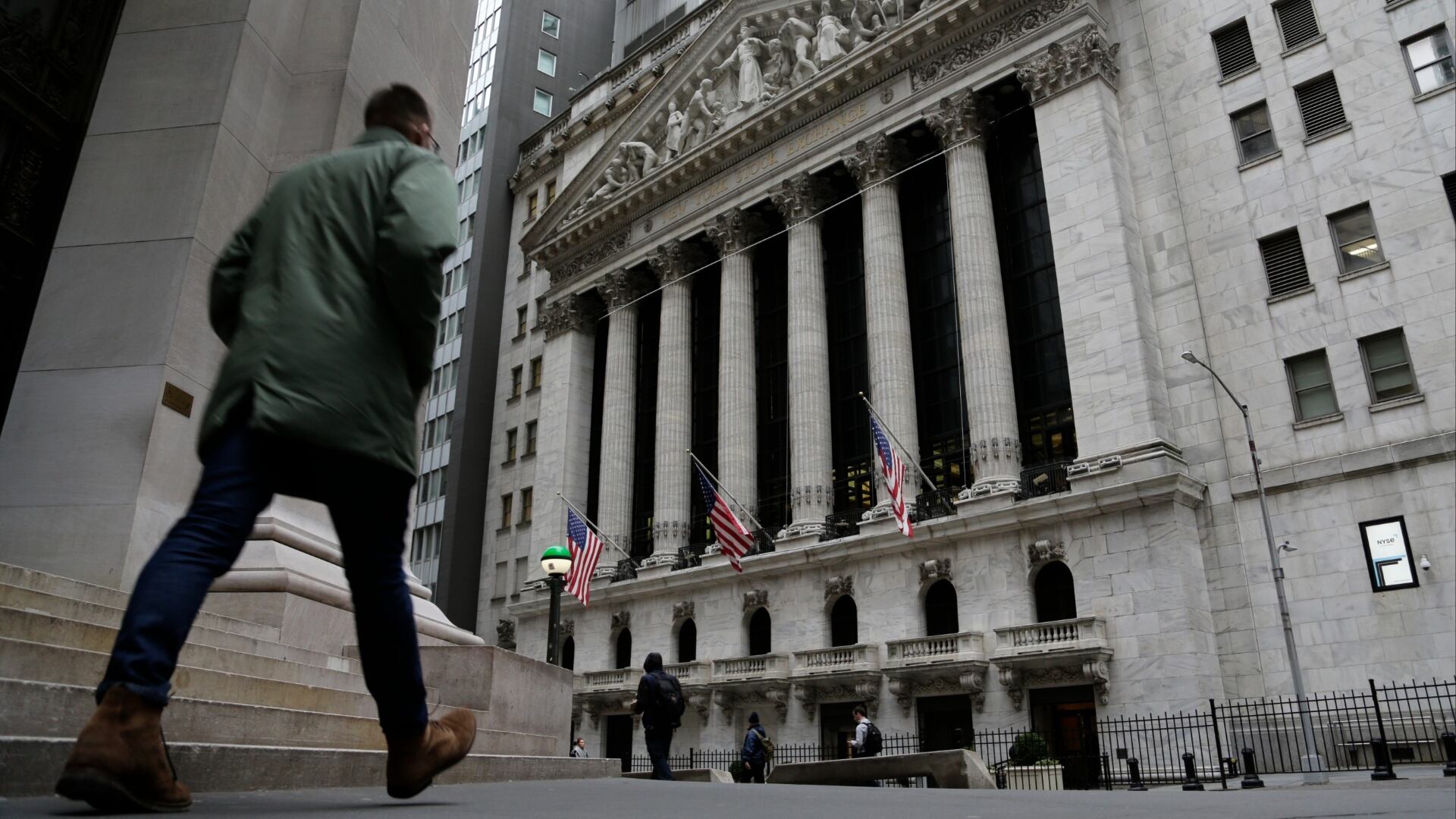
Trading was extremely light in the abbreviated session ahead of the Christmas holiday. Trading on the New York Stock Exchange and the Nasdaq ended at 1 p.m. ET instead of the usual 4 p.m. ET. Volume was a less than half of a typical trading day.
The S&P 500 index closed up 13.05 points, or 0.4%, to 3703.06. Despite the gains, the index ended the week down 0.2%. Relatively safe investments like utilities and real estate were among the biggest gainers, while energy stocks fell.
The Dow Jones Industrial Average rose 70.04 points, or 0.2%, to 30,199.87 and the Nasdaq composite rose 33.62 points, or 0.3%, to 12,804.73.
Investors remain focused on Washington, where Democrats in Congress are expected to try to make alterations to the $900 billion COVID stimulus bill that President Trump has threatened to veto. Trump has asked for higher individual payments to Americans, something Democrats support but which is unlikely to get a vote in the Republican-held Senate.
The hope has been that Trump will back away from his veto threat and the stimulus package might tide the economy over until widespread vaccinations can help the world begin to return to normal.
Meanwhile the U.S. economy continues to deteriorate under widespread coronavirus outbreaks, infections and hospitalizations. The Labor Department said fewer U.S. workers filed for unemployment benefits last week. The number is still incredibly high compared with before the pandemic, but it was better than economists were expecting.
Other reports were grimmer. Consumers pulled back on their spending by more last month than economists expected, mainly because of a drop in income.
“Despite the churning of the Washington D.C. pond by vetoes, new votes, and overrides, Wall Street clearly believes something positive will float to the top of the barrel when the churning stops," Jeffrey Halley of Oanda said in a commentary to investors.
___
AP Business Writers Stan Choe, Alex Veiga, and Joe McDonald contributed.
Updated on December 24, 2020, at 2:06 p.m. ET.