By Stan Choe
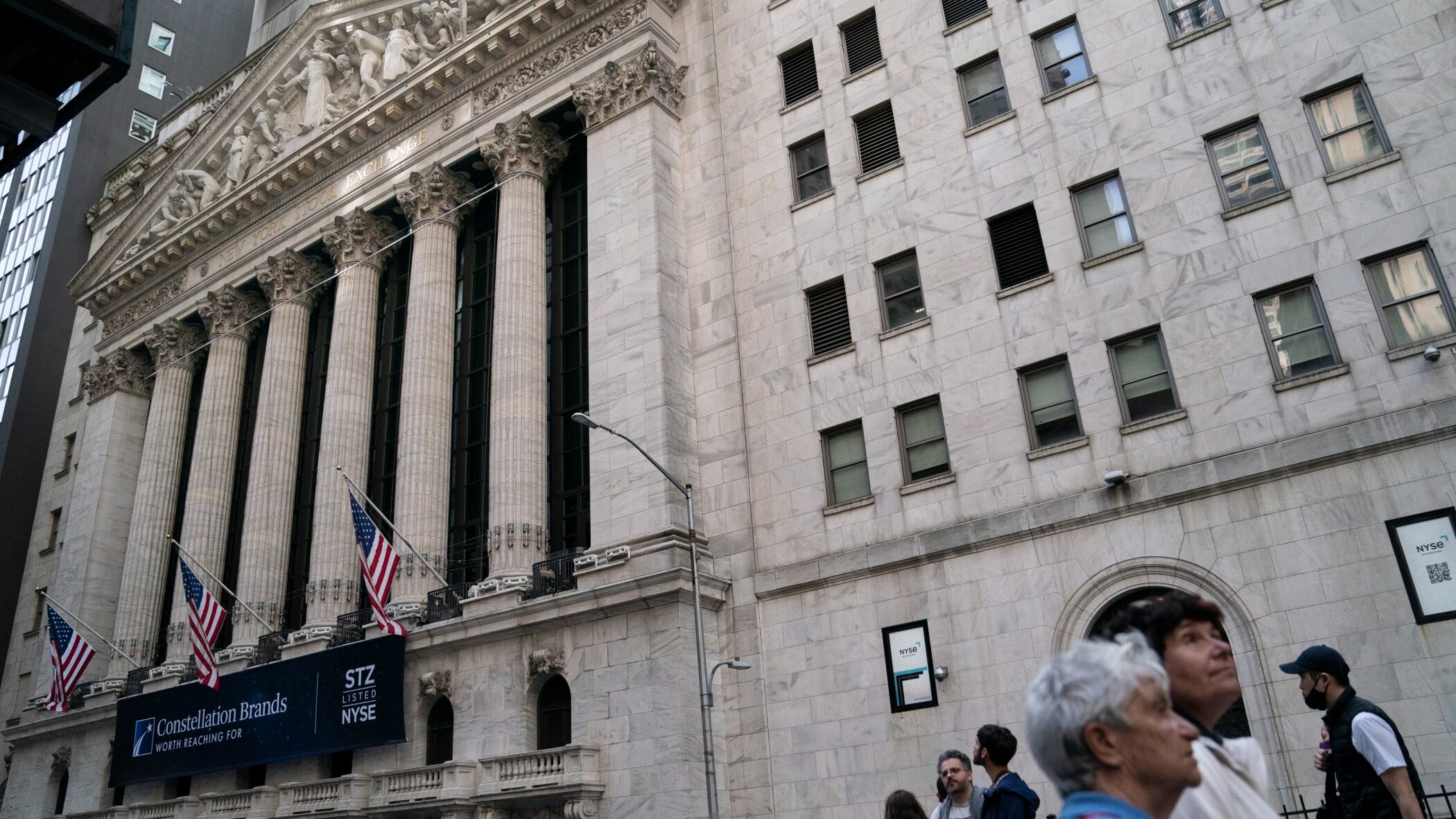
A mixed day of trading left Wall Street slightly higher on Wednesday after a report showed inflation is making strides toward easing, even if it remains too high.
The S&P 500 rose 18.47, or 0.4%, to 4,137.64 after swinging between gains and losses through the day. The Dow Jones Industrial Average slipped 30.48, or 0.1%, to 33,531.33, while the Nasdaq composite rallied 126.89, or 1%, to 12,306.44.
Bond prices climbed after the highly anticipated report said inflation at the consumer level edged down to 4.9% last month, its lowest level in two years. That was slightly better than economists expected, and other underlying measures of inflation also came in very close to forecasts.
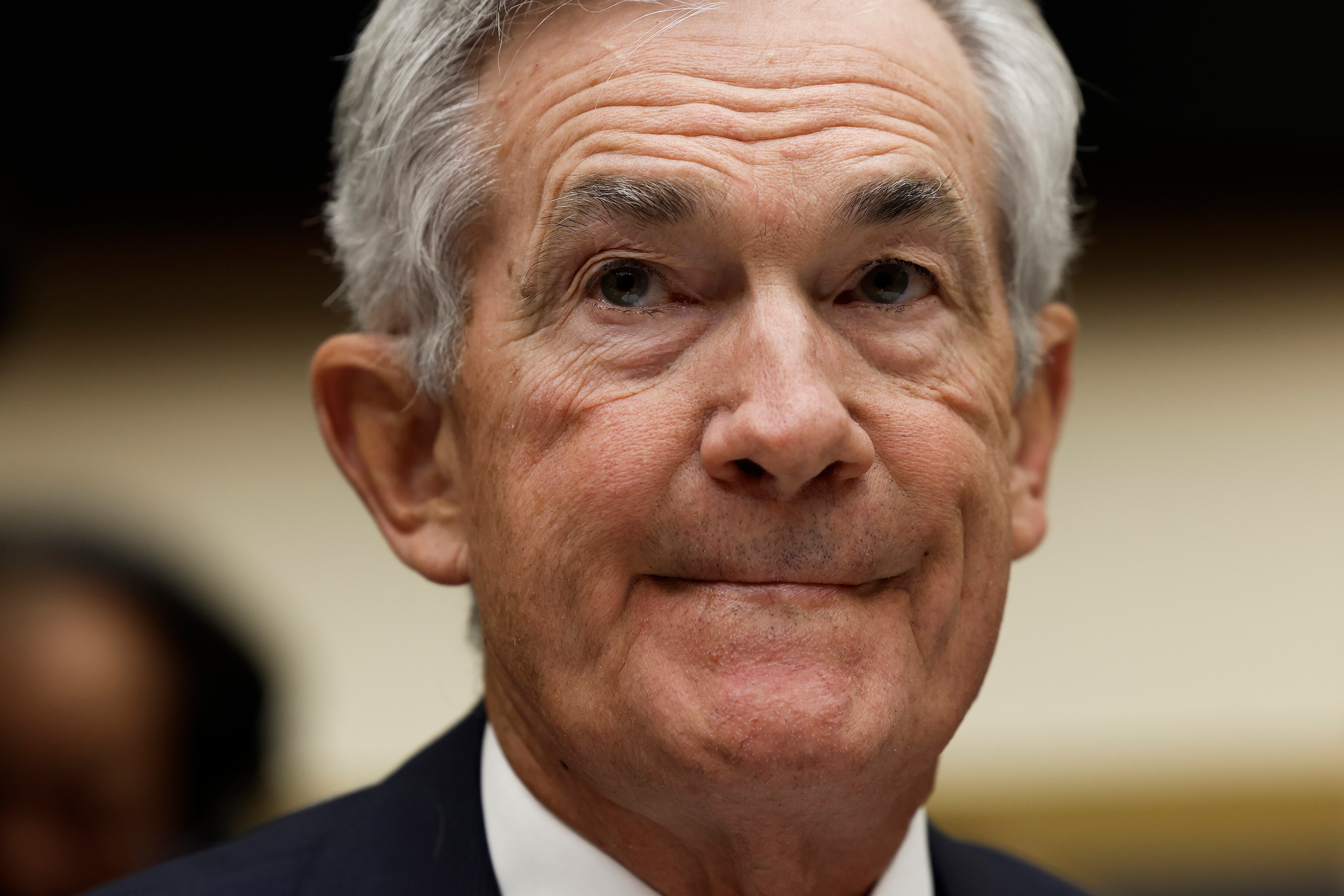
Because of that, Wall Street still sees the door open for the Federal Reserve to leave interest rates alone at its next meeting in June. That would be the first time it hasn’t raised rates at a meeting in more than a year, and a pause would offer some breathing room for the economy and financial markets.
“The concern coming in was that it would be hotter than feared,” said Ross Mayfield, investment strategy analyst at Baird. “While not exactly an exciting report, I think there was enough good news baked in that it shouldn’t impact the Fed or the economic trajectory all that much.”
The Fed has jacked up rates at a furious pace in hopes of driving down inflation. But high rates do that by slowing the entire economy and hitting investment prices broadly. They’ve already sent stock prices tumbling, caused turmoil in the banking system and dragged on the economy enough that many investors expect a recession to hit this year.
Following the report, traders upped the probability they see of the Fed holding rates steady in June to nearly 94%, according to data from CME Group.
Stocks that benefit the most from an easing of interest rates led the way on Wall Street, including Big Tech and other high-growth stocks. Amazon's 3.3% rise and Microsoft's 1.7% climb were the two biggest forces pushing the S&P 500 higher.
Of course, other economic reports will arrive before the Fed’s next meeting in the middle of June that will sway its decision. One will hit Thursday, showing how inflation fared at the wholesale level last month.
In the meantime, inflation still remains way above the Fed's 2% target and continues to squeeze households across the economy, particularly those with the lowest incomes.
On the losing end of Wall Street, Lincoln National fell 3.9% after reporting weaker profit for the latest quarter than expected.
Airbnb dropped 10.9% despite reporting profit that matched analysts' forecasts. It gave financial forecasts for the current quarter that were weaker than some on Wall Street expected.
The majority of companies in the S&P 500 have topped profit forecasts so far this reporting season, which is approaching its final stretch. But they're still on pace to report an overall drop in earnings from a year earlier, which would be the second straight quarter that's happened.
Icahn Enterprises, the partnership run by high-profile activist investor Carl Icahn, sank 15.1% after disclosing federal prosecutors asked for information related to its corporate governance and other matters.
The request from the U.S. Attorney's office for the Southern District of New York came a day after a short-selling research firm, Hindenburg Research, accused Icahn Enterprises of inflating the value of some of its investments. Icahn called the accusations misleading and self-serving and published a rebuttal Wednesday.
In the bond market, increased hopes for a coming pause from the Fed on rates pushed yields lower.
The yield on the 10-year Treasury fell to 3.43% from 3.52%. It helps set rates for mortgages and other important loans. The two-year Treasury yield, which moves more on expectations for Fed action, fell to 3.90% from 4.03%.
Besides worries about interest rates and inflation, some corners of the bond market are also swinging on concerns about the U.S. government inching closer to a possible default on its debt. That's never happened before, and economists warn a default could be catastrophic for the economy and financial markets.
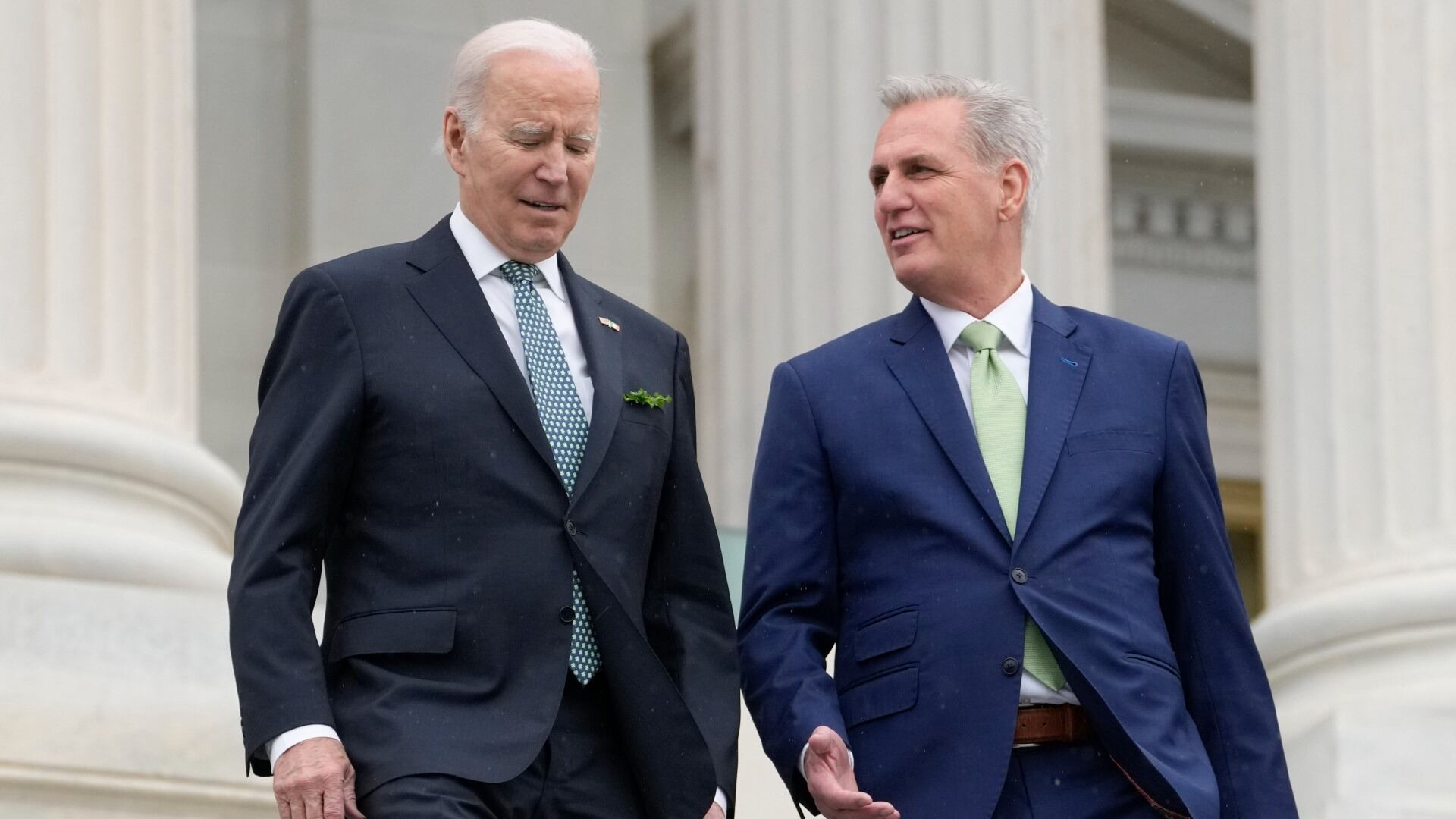
The widespread expectation is that Congress will come to a deal before the June 1 deadline that many on Wall Street have circled, simply because the alternative would be so painful for everyone. But a meeting in the White House on Tuesday between political leaders yielded no breakthrough, and sniping continues between them.
___
AP Business Writer Yuri Kageyama contributed from Tokyo.