By Stan Choe
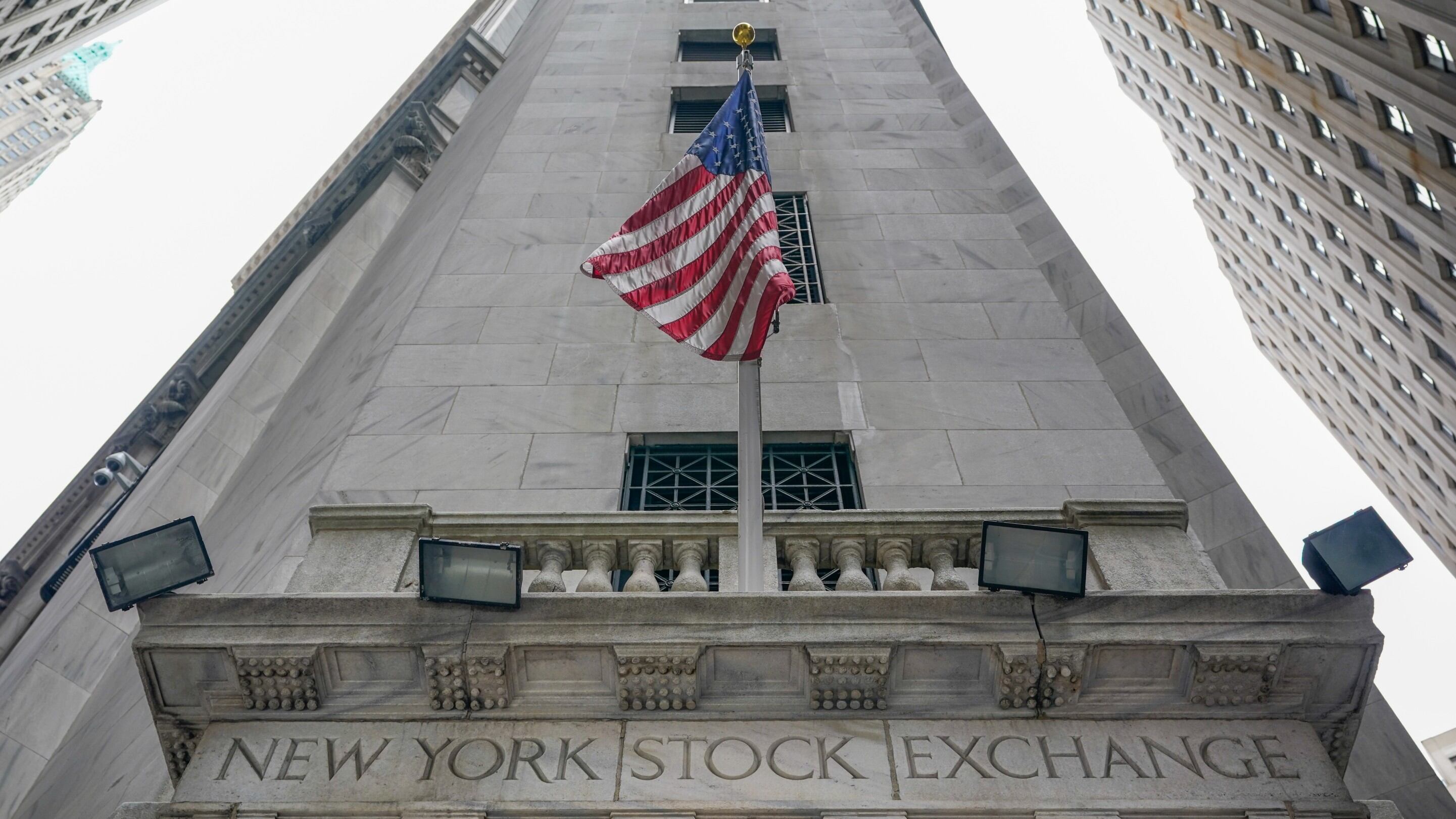
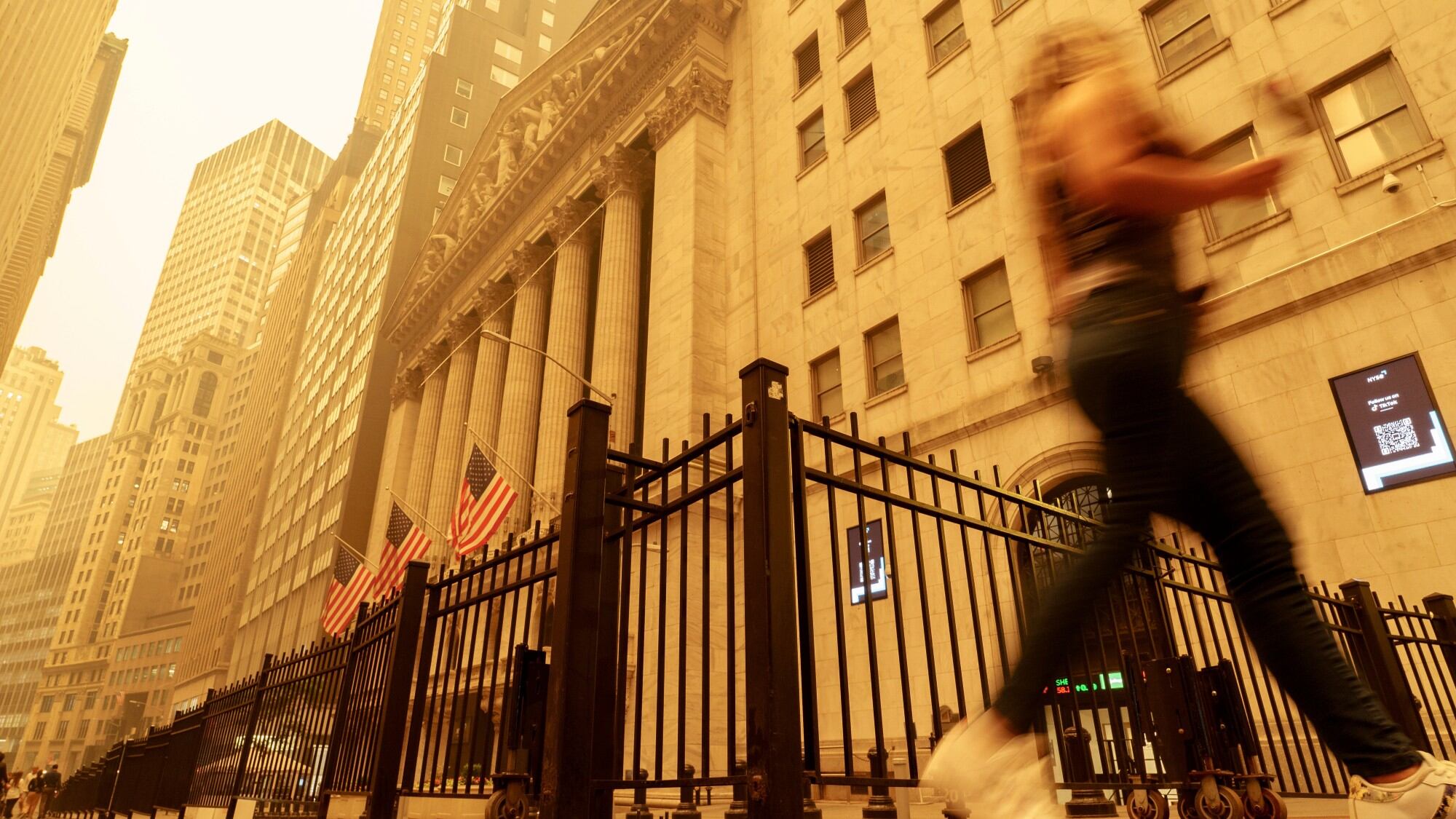
The latest historic U.S. banking failure made few waves in markets, and stocks drifted Monday as Wall Street braces for what it hopes will be the last hike to interest rates for a long time.
The S&P 500 was virtually unchanged after regulators seized First Republic Bank and sold off most of it in hopes of preventing more turmoil in the industry. It dipped 1.61, or less than 0.1%, to 4,167.87. The Dow Jones Industrial Average slipped 46.46, or 0.1%, to 34,051.70, and the Nasdaq composite fell 13.99, or 0.1%, to 12,212.60.
First Republic has been in the spotlight for nearly two months on worries it could be next to topple following March’s failures of Silicon Valley Bank and Signature Bank. The worry was that runs on smaller- and mid-sized banks could take down the economy, like the financial industry's woes during the 2008 crisis did.
But analysts and economists have said they see big differences between then and now, including how the biggest U.S. banks are feeling less pressure this time around. Plus, several banks under scrutiny for weakness recently have said their deposit levels have strengthened since late March.
Analysts said the difference between the stock market’s reactions to them and First Republic Bank, which plunged 75% last week, indicates investors may see it as an isolated event rather than a problem with the deeper system.
Shares of JPMorgan Chase, which is buying much of First Republic’s assets, rose 2.1%. It’s becoming even bigger following the deal.
Still, many other questions continue to hang over Wall Street that could shake things up. They include worries about corporate profits and the U.S. government’s latest squabble over the country’s debt limit.
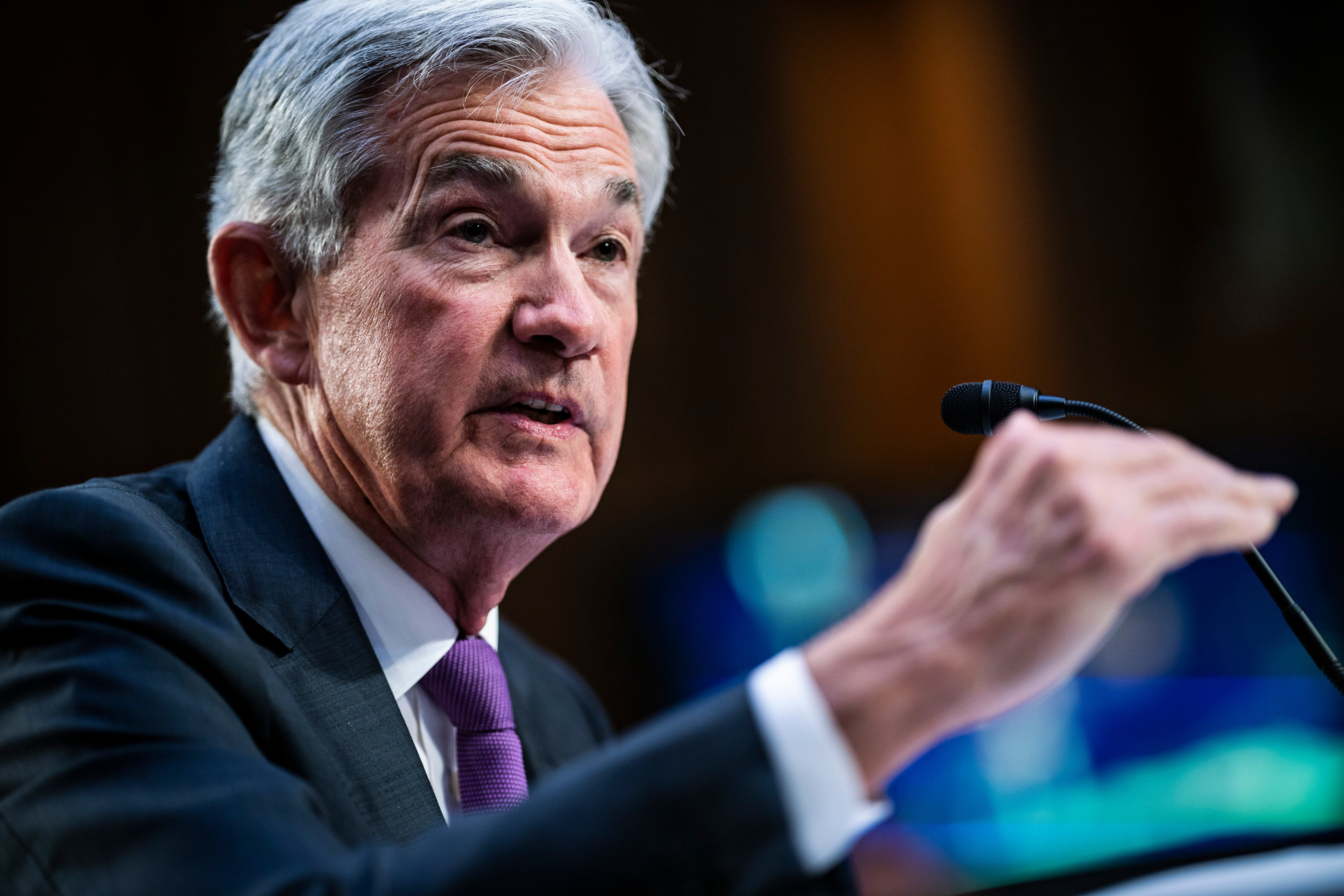
Above all is what the Federal Reserve will do with interest rates. At its next meeting, which concludes Wednesday, most traders expect the Fed to raise short-term rate by another quarter of a percentage point, up to a range of 5 to 5.25% from virtually zero early last year.
The hope is that may be the final increase for a while, which would give the economy and financial markets more breathing room.
The Fed has been raising rates sharply in hopes of getting high inflation under control. But high rates are a notoriously blunt tool that slow the entire economy, raise the risk of a recession and hurt prices for investments. .
If banks limit their lending following their industry's recent struggles, even if there are no more failures, that could act like rate increases on their own. Many investors are preparing for a recession to hit later this year
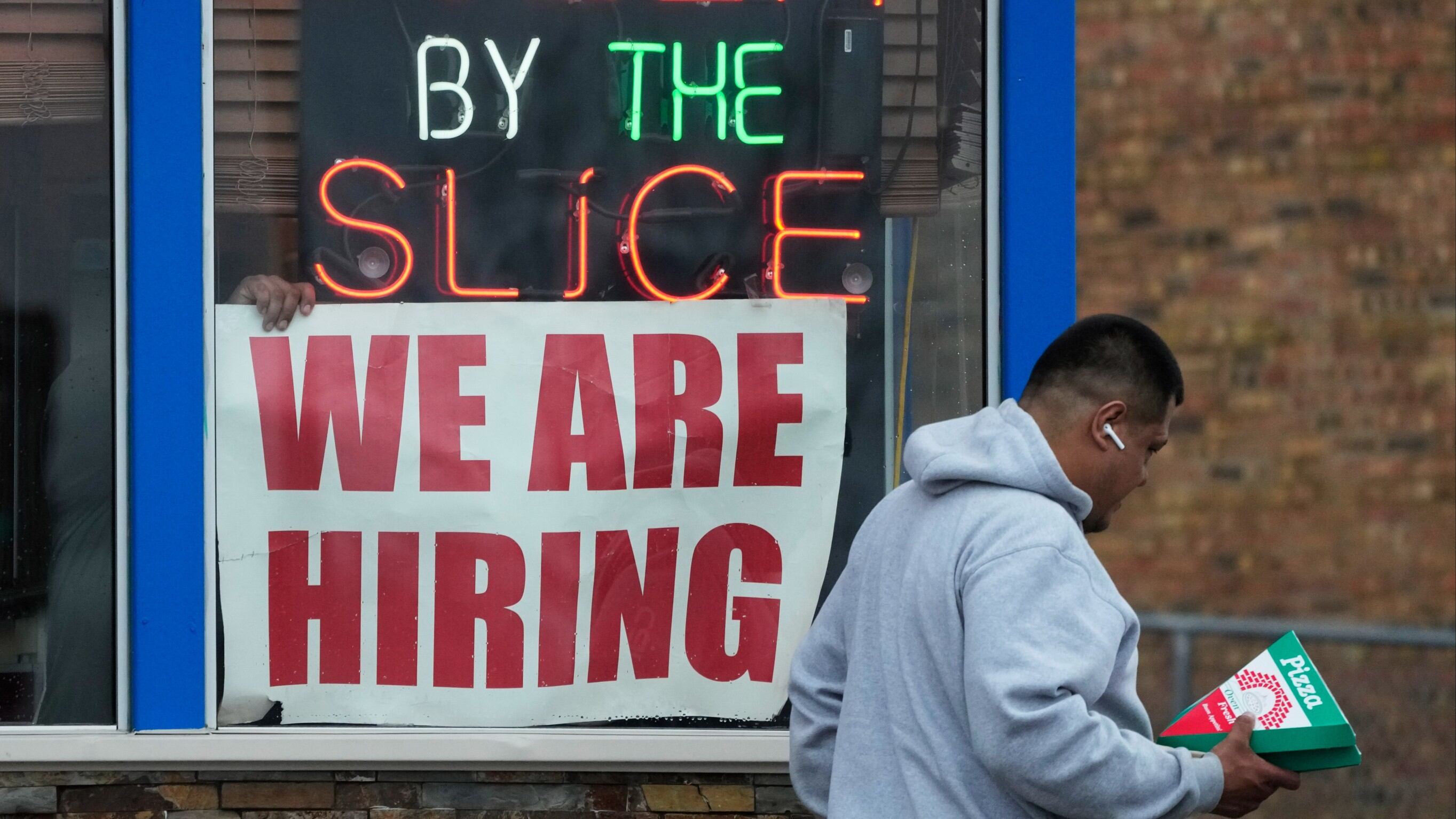
A report on Monday from the Institute for Supply Management said manufacturing activity shrank again in April, though not as badly as most economists expected. Other reports this week will give the latest updates on U.S. services industries and hiring across the economy.
One lever that’s propped up Wall Street in recent weeks has been a stream of companies reporting better profits for the first three months of the year than expected.
Through last week, with just over half of S&P 500 companies reporting, nearly four in five had reported higher earnings than forecast, according to FactSet. That has companies in the index on track to report a drop of 3.7% from a year earlier.
That would mark a second straight quarter of falling earnings, something that Wall Street calls a profit recession. But it would not be as bad as the 6.7% drop that analysts forecasted a month ago.
ON Semiconductor rose 8.9% after reporting stronger profit and revenue for the latest quarter than expected. Norwegian Cruise Line climbed 8.9% after likewise topping expectations.
Big Tech companies have largely reported better profits than expected, which has helped stabilize the market because their immense size gives them outsized sway on indexes. Apple will follow with its own report this week.
Those huge companies are a big reason why the S&P 500 has risen 8.6% this year, but it may be a worrying sign the rest of the market hasn't kept up, according to strategists at Goldman Sachs. When market breadth is this narrow, the stock market has historically had tough returns in the near term.
Countering that, though, is also how well stocks tend to do once the Federal Reserve stops hiking rates: an average return of 8% over the ensuing three months, going back to 1984. Ultimately, the biggest risk on the downside for the market is whether the economy falls into a recession, the strategists led by David Kostin said.
In the bond market, Treasury yields rose as expectations firmed on Wall Street for at least one more rate hike. The yield on the 10-year Treasury rose to 3.58% from 3.43% late Friday. It helps set rates for mortgages and other important loans.
The yield on the two-year Treasury, which moves more on expectations for Fed action, rose to 4.13% from 4.02%.
In markets abroad, many exchanges were closed in observance of holidays.
——
AP Business Writers Elaine Kurtenbach and Matt Ott contributed.