ALEX VEIGA AP Business Writer
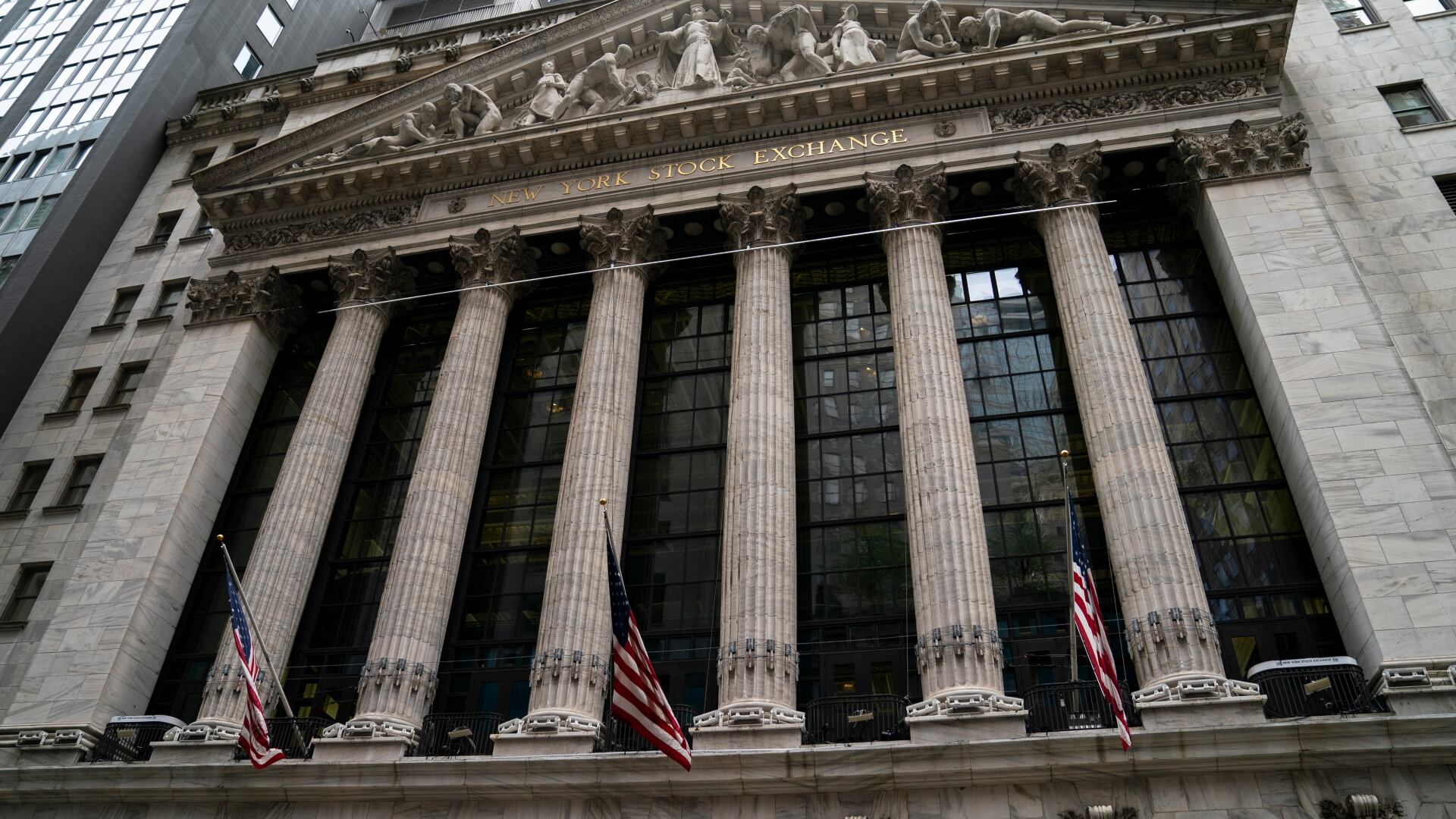
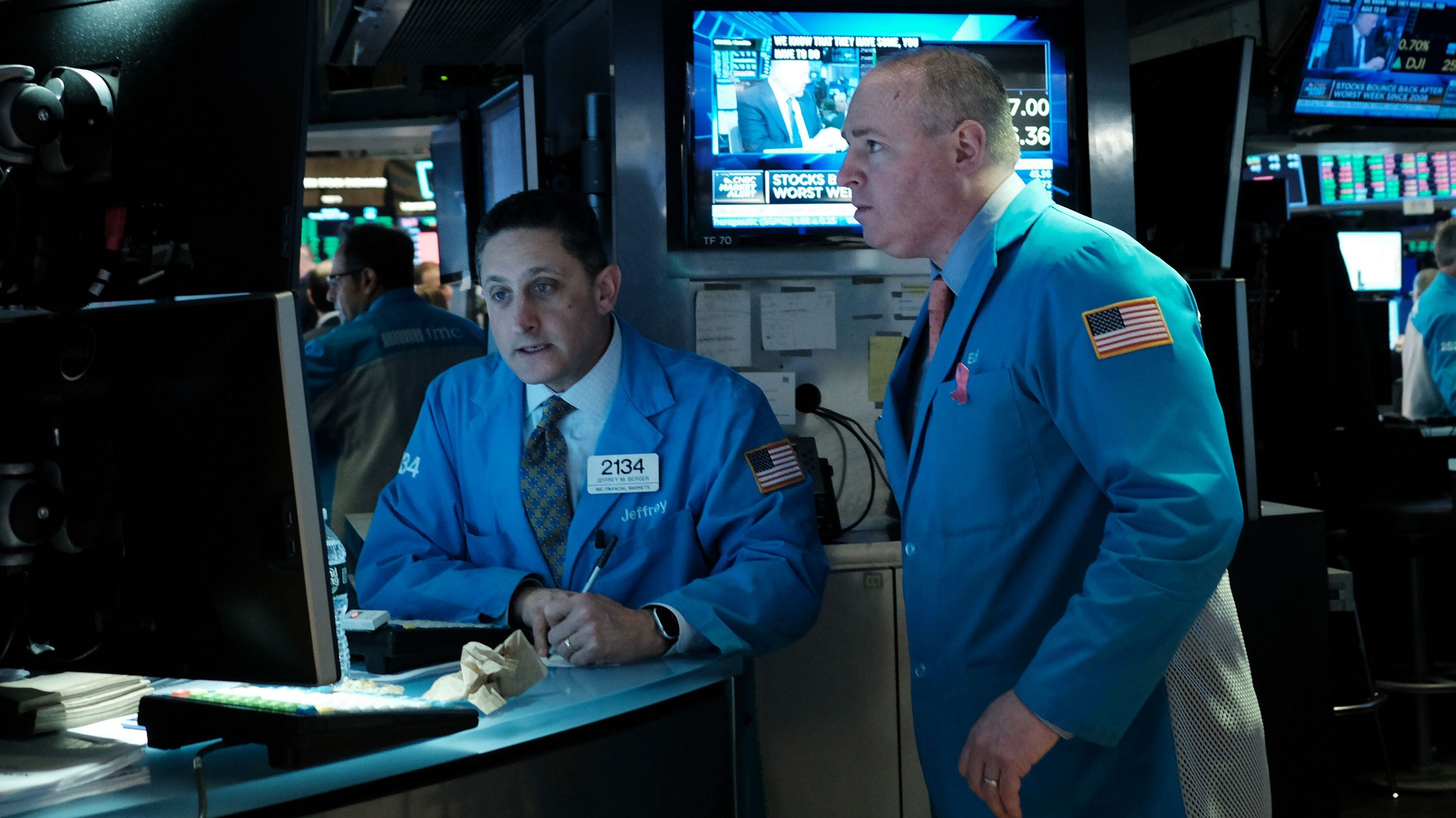
Stocks rose in early trading on Wall Street Monday following a seven-day rout brought on by worries that the spreading coronavirus outbreak will stunt the global economy.
Technology stocks and companies that rely on consumer spending accounted for most of the gains in the early going. Energy, industrial and financial stocks fell.
Bond prices climbed again, pushing yields to more record lows as investors continued to favor low-risk assets. The yield on the 10-year Treasury note fell to 1.08 percent from 1.12 percent late Friday. That yield is a benchmark for home mortgages and many other kinds of loans.
The price of U.S. crude oil was up 2.3 percent. Gold was up 2.2 percent.
The turnaround on Wall Street follows a rally in some Asian markets amid hopes that major central banks will take steps to shore up economies from the impact of the outbreak. Indexes in Europe were mostly lower, however, following a downbeat economic growth forecast.
The Organization for Economic Cooperation and Development warned that the global economy could shrink in the first quarter of this year as a result of the outbreak. It expects the global economy to grow by 2.4 percent this year, half a percentage point less than it previously thought. The OECD also warned growth could be as low as 1.5 percent if the virus lasts long and spreads widely.
U.S. stocks were coming off their worst weekly drop since the financial crisis of 2008. Gloomy forecasts for the world economy have hurt sentiment.
The Dow Jones Industrial Average rose 123 points, or 0.5 percent, to 25,532 as of 10:07 a.m. Eastern time. The S&P 500 index rsoe 0.2 percent and the Nasdaq rose 0.2 percent.
Britain's FTSE 100 rose, but other European benchmarks fell.
The OECD's bleak assessment sidelined budding hopes in the markets that the world's central banks, particularly the U.S. Federal Reserve, could be stung into action and cut interest rates or provide financial liquidity.
On Friday, Fed chairman Jay Powell said the central bank stood ready to help the economy if needed. Investors increasingly expect the Fed to cut rates at its next policy meeting in mid-March, possibly even before. His hint of looser policy weighed on the dollar.
Bank of Japan Governor Haruhiko Kuroda likewise issued a statement Monday, after an early plunge in share prices, saying the central bank "will closely monitor future developments, and will strive to provide ample liquidity and ensure stability in financial markets through appropriate market operations and asset purchases."
Given that the main economic impact so far of the virus outbreak is on the supply side of economies rather than on the demand side, questions are being asked as to whether looser monetary policy will have any meaningful impact.
"For all the talk of lower rates the one thing a rate cut can't do is get people back to work and supply chains back running again," said Michael Hewson, chief market analyst at CMC Markets.
"You also have to confront the possibility that simple rate cuts might be the policy equivalent of turning a garden hose onto a mild wildfire. It might dampen it for a while, but it would do little to address the underlying issue itself. That requires benevolence on the part of banks in terms of easier credit terms and forbearance, as cash flow problems start to pile up, for companies in difficulty."
Stimulus hopes nevertheless helped shore up markets in Asia earlier. The Nikkei 225 index closed 1 percent higher, while the Shanghai Composite index rose 3.2 percent. The benchmark for the smaller exchange, in Shenzhen, jumped 3.8 percent, while South Korea's Kospi climbed 0.8 percent. The Hang Seng in Hong Kong climbed 0.6 percent.
The virus outbreak that began in central China has rattled markets as authorities shut down industrial centers, emptying shops and severely crimping travel all over the world. Companies are warning investors that their finances will take a hit because of disruptions to supply chains and sales. Governments are taking increasingly drastic measures as they scramble to contain the virus.
The economic fallout is becoming increasingly evident in China, which has seen most of the 90,000 or so virus cases worldwide. The latest data showed China's manufacturing plunged in February as anti-virus controls shut down much of the economy.
A monthly purchasing managers' index released Monday by Caixin magazine fell to 40.3 from January's 51.1 on a 100-point scale on which numbers below 50 show activity contracting. A separate PMI released Saturday by the National Bureau of Statistics and the China Federation of Logistics & Purchasing fell sharply, to 35.7 from January's 50.
Last week's rout knocked every major index into what market watchers call a "correction," or a fall of 10 percent or more from a peak. The last time that occurred was in late 2018, as a tariff war with China was escalating. Many market watchers have said for months that stocks were overpriced and long overdue for another pullback.
The scale of the selling is staggering. The Dow, for example, fell 3,583 points, or 12.4 percent last week. Meanwhile, the S&P 500 notched up a weekly loss of 11.5 percent, its biggest since an 18.2 percent drop in the week ending October 10, 2008, at the height of the global financial crisis.
Oil prices have also slumped as traders price in the prospect of lower demand as a result of the virus outbreak. Last week, oil prices tanked by around 15 percent. On Monday, benchmark U.S. crude was up $1.03 to $45.79 per barrel. Brent, the international standard, rose 99 cents to $50.66.
In other trading, gold, another safe haven for investors, jumped $34.50 to $1,601.20 per ounce, silver picked rose 2.4 percent to $16.85 per ounce.