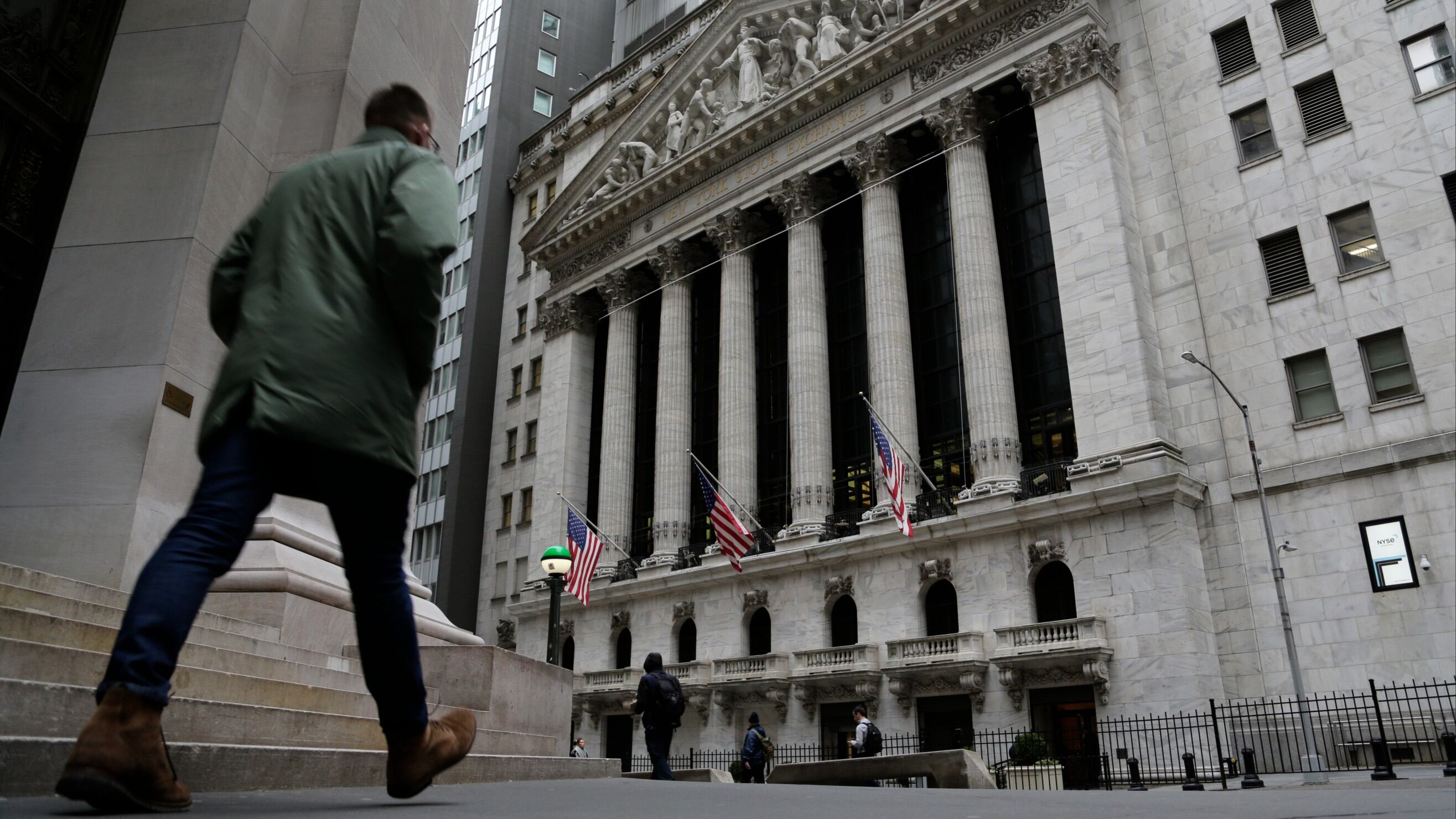
Stocks slipped again Thursday as investors braced for more interest rate hikes from the Federal Reserve, and the volatility is once again stirring up debates over whether the U.S. economy is headed for a recession.
"Our view right now is that for the next six months the U.S. economy should be okay," said Ahmed Riesgo, chief investment officer for financial services company Insigneo.
He said the strength of the January jobs report has put downward pressure on stocks because it showed resilience in the economy that many investors interpreted as a sign that more rate hikes were coming. Recent reports showing "sticky" inflation have had a similar effect.
These trends increase the odds of a recession, he added, because the uncertainty around inflation makes it more likely the Fed will make a policy mistake.
"Our base case is not a recession," he said. "But when you look a little bit further out over a 12 month period, I think the chances of a mild recession in the United States are very elevated."
He also cited recent comments from Fed officials as evidence for this theory. The nation's top bankers have signaled they are committed to bringing inflation down to 2 percent annually, while also saying hitting that goal effectively requires inducing a recession.
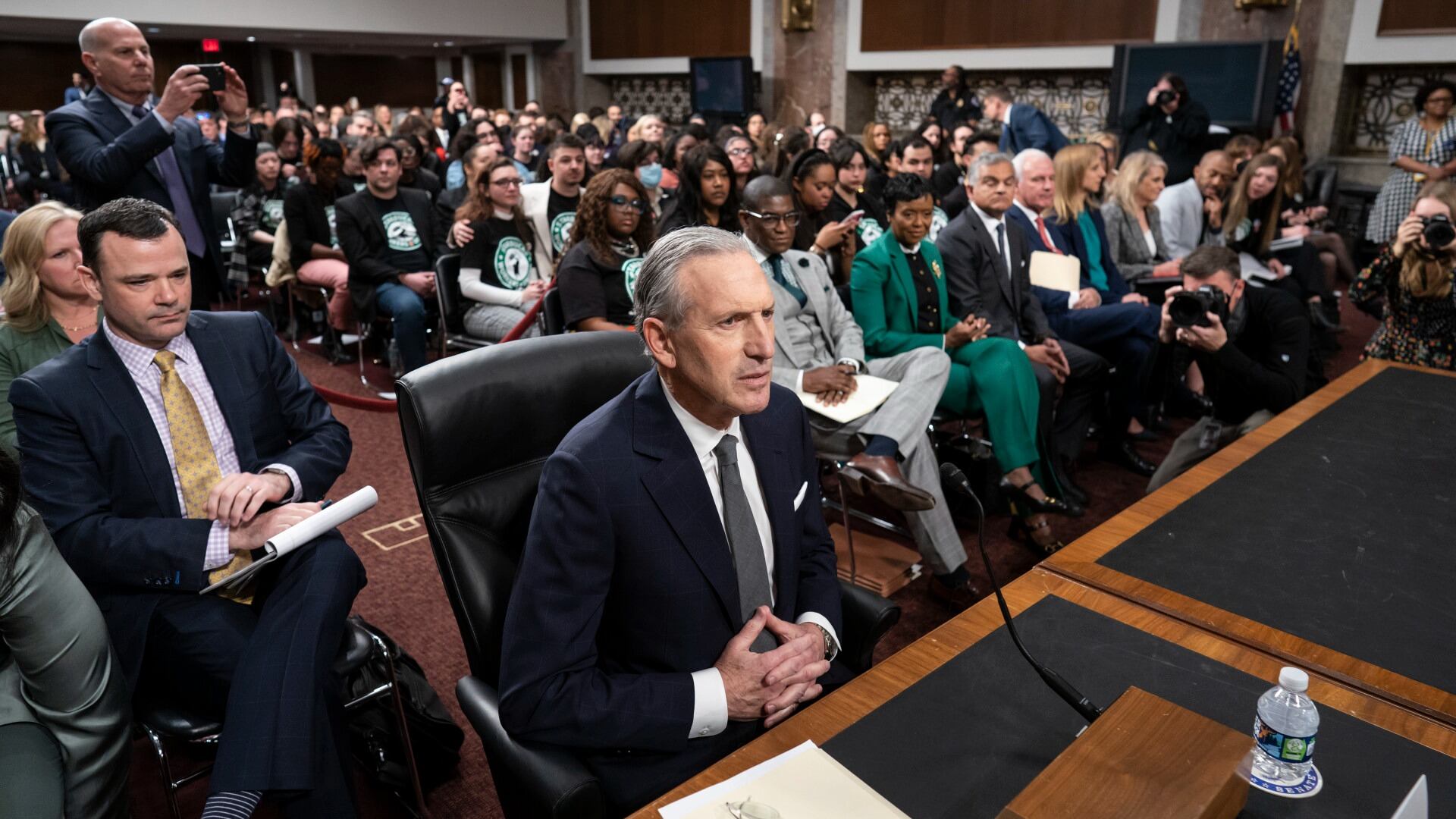
Longtime Starbucks CEO Howard Schultz is facing sharp questioning before the Senate Health, Education, Labor and Pensions Committee where he is defending the company’s actions during an ongoing unionizing campaign.
Apple Pay is getting in on the buy now pay later boom with a feature allowing users to split purchases into four separate payments over six weeks at no additional cost or interest.
UBS says it’s bringing back former CEO Sergio Ermotti to lead the Swiss bank as it moves forward with a government-orchestrated plan to take over struggling rival Credit Suisse.
San Francisco-based technology startup Illumix just closed a $18 million Series A round of funding, and in a rare move for the Shark Tank star, Mark Cuban contributed.
Austin Graff, founder and CIO of Opal Capital in Austin, Texas, offers his take on why stocks opened higher Wednesday, saying investors appear tentatively optimistic about regulatory actions being taken around struggling banks, even as they remain worried about the long-term consequences of federal action on the sector. "
Credit Suisse violated a plea agreement with U.S. authorities by failing to report secret offshore accounts that wealthy Americans used to avoid paying taxes, U.S. lawmakers said Wednesday.