Stocks slipped again Thursday as investors braced for more interest rate hikes from the Federal Reserve, and the volatility is once again stirring up debates over whether the U.S. economy is headed for a recession.
"Our view right now is that for the next six months the U.S. economy should be okay," said Ahmed Riesgo, chief investment officer for financial services company Insigneo.
He said the strength of the January jobs report has put downward pressure on stocks because it showed resilience in the economy that many investors interpreted as a sign that more rate hikes were coming. Recent reports showing "sticky" inflation have had a similar effect.
These trends increase the odds of a recession, he added, because the uncertainty around inflation makes it more likely the Fed will make a policy mistake.
"Our base case is not a recession," he said. "But when you look a little bit further out over a 12 month period, I think the chances of a mild recession in the United States are very elevated."
He also cited recent comments from Fed officials as evidence for this theory. The nation's top bankers have signaled they are committed to bringing inflation down to 2 percent annually, while also saying hitting that goal effectively requires inducing a recession.
A key index of underlying inflation that is closely followed by the Federal Reserve remained elevated last month, keeping the Fed on track to raise interest rates next week for the 10th time since March of last year.
As a growing number of overweight Americans clamor for Ozempic and Wegovy — drugs touted by celebrities and on TikTok to pare pounds — an even more powerful obesity medicine is poised to upend treatment.
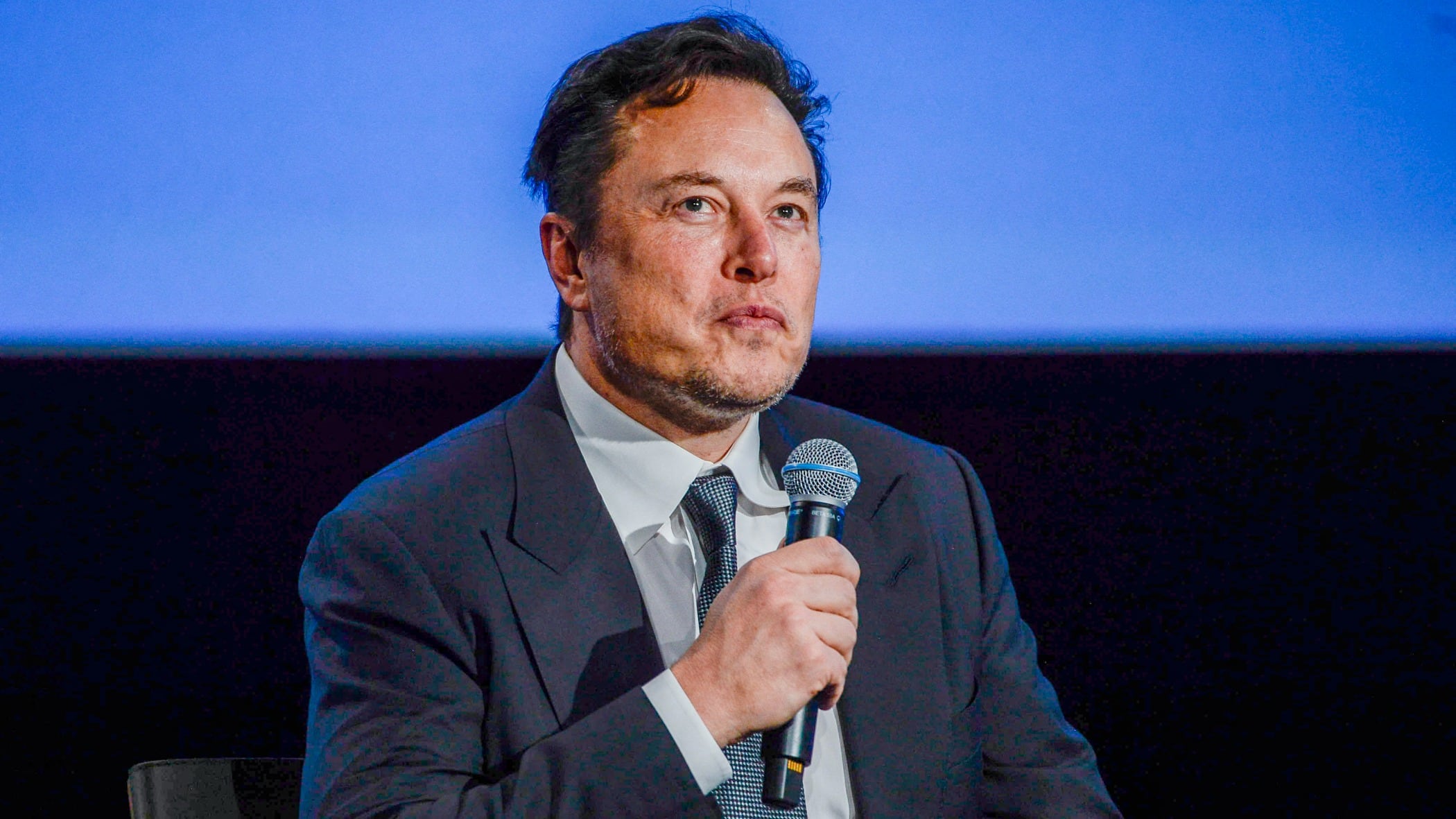
A California judge is ordering Tesla CEO Elon Musk to be interviewed under oath regarding statements about the safety and capability of the car maker's autopilot features.
David Wright, president and owner of Wright Financial Group LLC, joined Cheddar News to discuss Thursday's trading as stocks closed higher amid strong tech profits. But Wright says banking stress could sway markets down as the Federal Reserve could weigh more rate increases.
The Gap is laying off 1,800 corporate workers, roughly three time the number of headquarters jobs it cut last fall, as the struggling chain cuts costs in a bid to become more nimble.