Stocks slipped again Thursday as investors braced for more interest rate hikes from the Federal Reserve, and the volatility is once again stirring up debates over whether the U.S. economy is headed for a recession.
"Our view right now is that for the next six months the U.S. economy should be okay," said Ahmed Riesgo, chief investment officer for financial services company Insigneo.
He said the strength of the January jobs report has put downward pressure on stocks because it showed resilience in the economy that many investors interpreted as a sign that more rate hikes were coming. Recent reports showing "sticky" inflation have had a similar effect.
These trends increase the odds of a recession, he added, because the uncertainty around inflation makes it more likely the Fed will make a policy mistake.
"Our base case is not a recession," he said. "But when you look a little bit further out over a 12 month period, I think the chances of a mild recession in the United States are very elevated."
He also cited recent comments from Fed officials as evidence for this theory. The nation's top bankers have signaled they are committed to bringing inflation down to 2 percent annually, while also saying hitting that goal effectively requires inducing a recession.
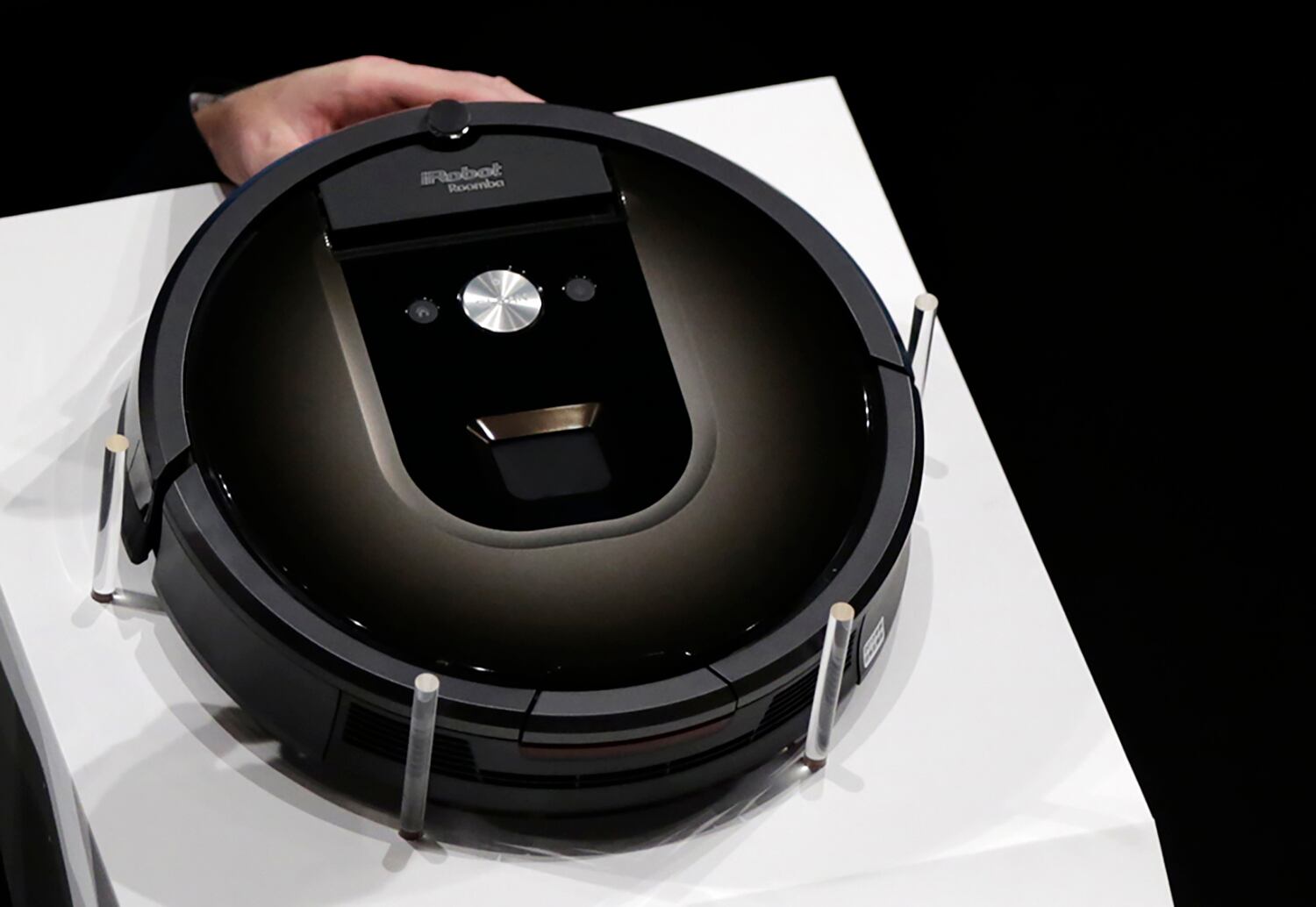
Amazon blamed "regulatory hurdles" for calling off its proposed acquisition of robot vacuum maker iRobot. Not even a Roomba could clean up the deal's antitrust scrutiny.
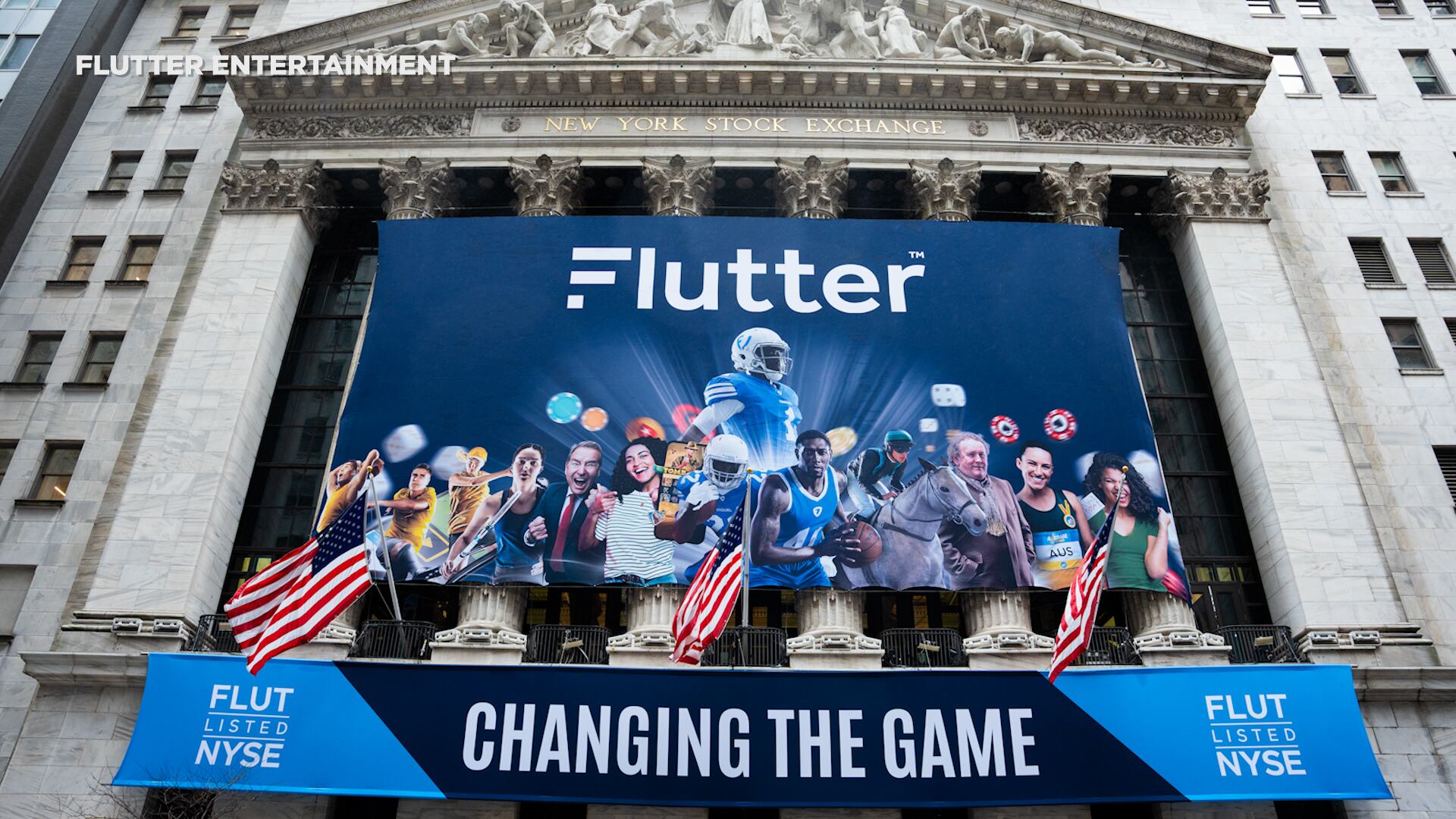
To celebrate Flutter Entertainment's debut on the NYSE, FanDuel CEO Amy Howe shares her thoughts on the company's plans for growth, the future of online sportsbetting, and Super Bowl Sunday.
Investopedia's Caleb Silver shares thoughts on the upcoming Fed meeting, why individual investors are still slightly skeptical, and what he's looking for from mega cap tech earnings.
Season's greetings! Tax season, that is. January 29 is the first day you can file your tax return. We walk you through each step — plus a checklist you can download.
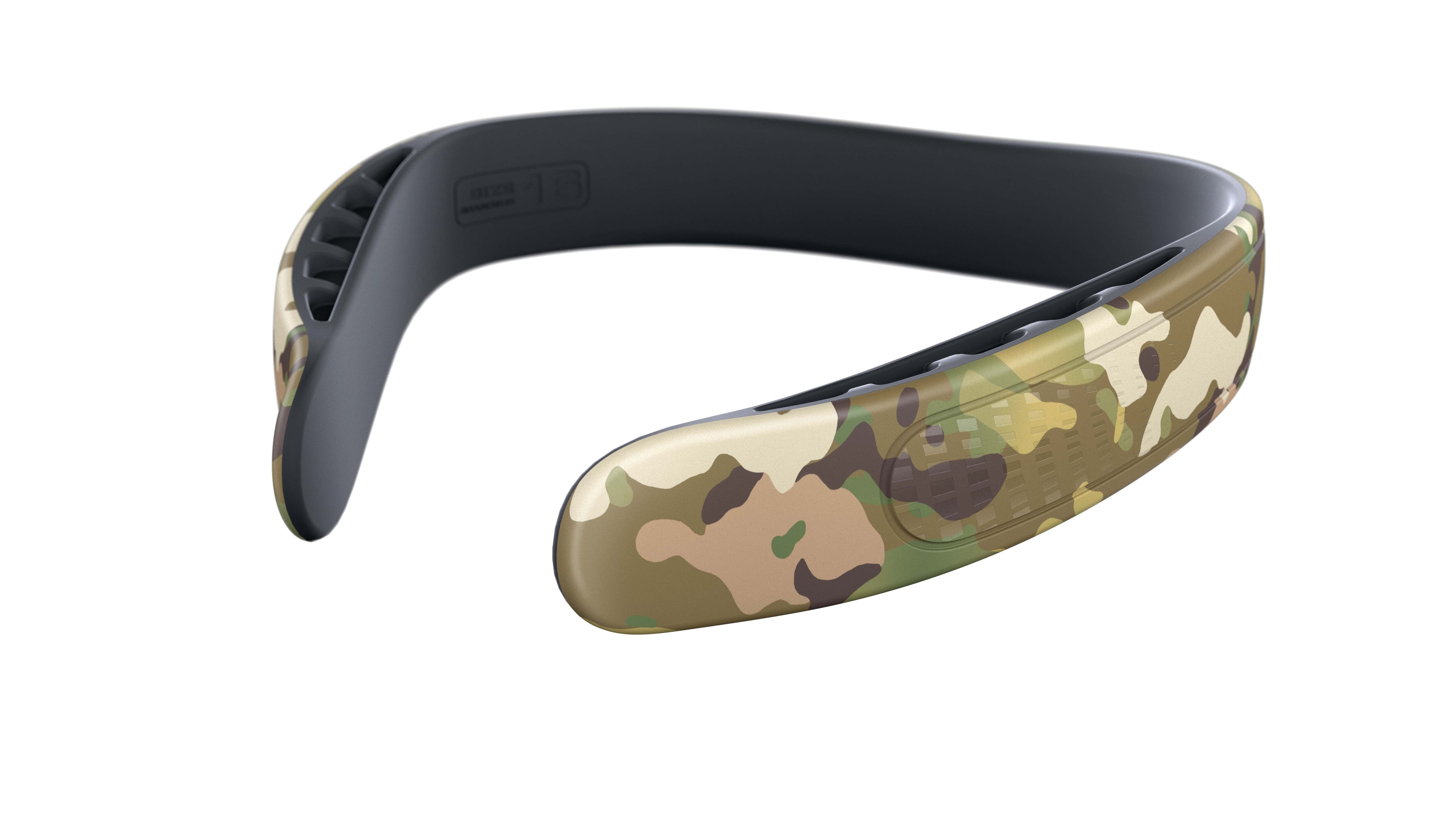
The Q-Collar helps protect athletes from impact-related concussions. Now, the U.S. Army is evaluating if the device could help reduce traumatic brain injury cased by blast weapons.
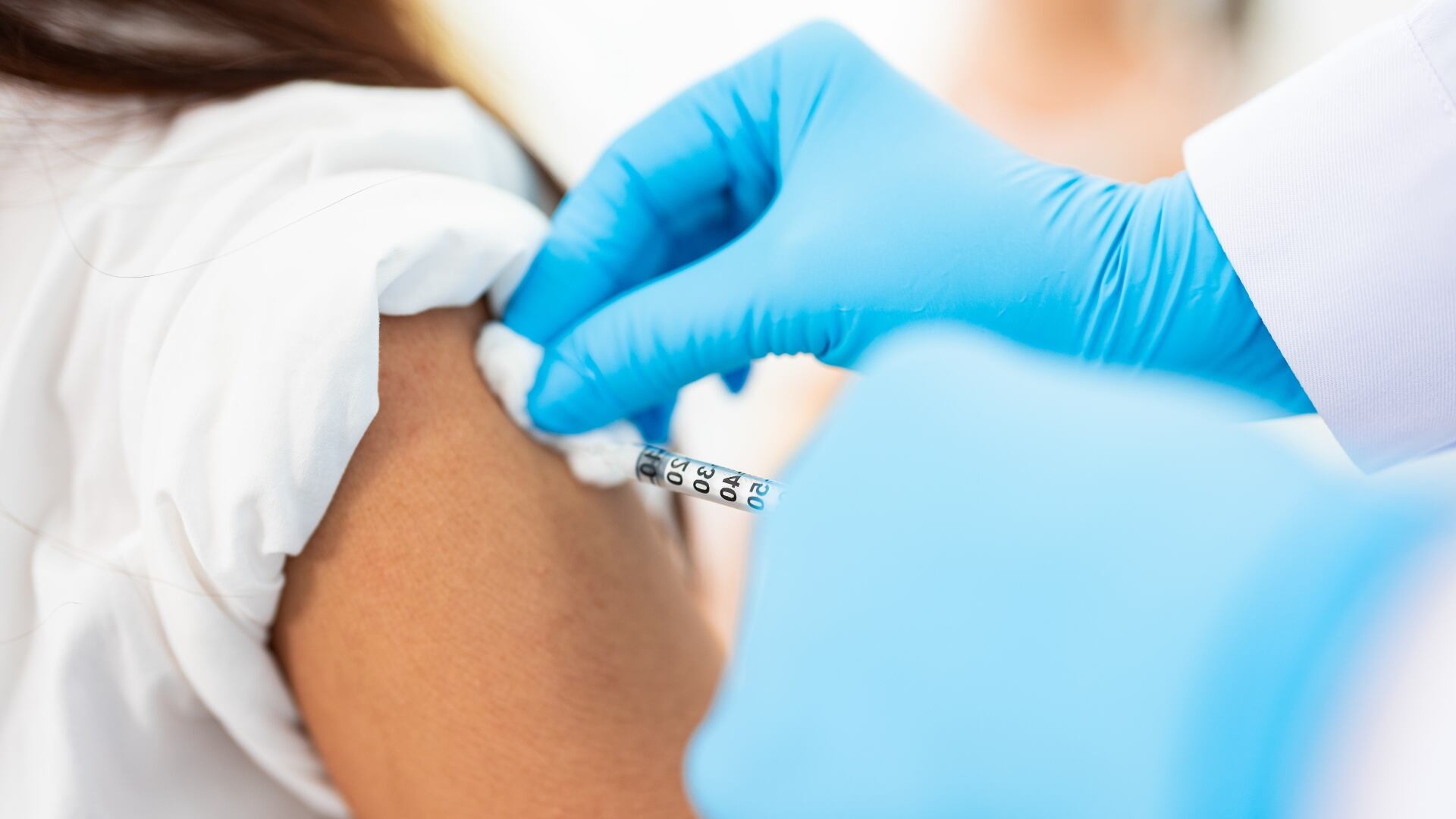
Co-founder and executive chairman of the board at Vaxxinity Lou Reese shares how the company is working to bring vaccines for chronic illnesses like heart disease and Parkinson’s to market with an eye for accessibility.
Mario Veneroso, Kingsview Asset Management Partner, weighs in on the latest economic data and whether the market is pricing in too many rate cuts for the coming year.