Stocks slipped again Thursday as investors braced for more interest rate hikes from the Federal Reserve, and the volatility is once again stirring up debates over whether the U.S. economy is headed for a recession.
"Our view right now is that for the next six months the U.S. economy should be okay," said Ahmed Riesgo, chief investment officer for financial services company Insigneo.
He said the strength of the January jobs report has put downward pressure on stocks because it showed resilience in the economy that many investors interpreted as a sign that more rate hikes were coming. Recent reports showing "sticky" inflation have had a similar effect.
These trends increase the odds of a recession, he added, because the uncertainty around inflation makes it more likely the Fed will make a policy mistake.
"Our base case is not a recession," he said. "But when you look a little bit further out over a 12 month period, I think the chances of a mild recession in the United States are very elevated."
He also cited recent comments from Fed officials as evidence for this theory. The nation's top bankers have signaled they are committed to bringing inflation down to 2 percent annually, while also saying hitting that goal effectively requires inducing a recession.
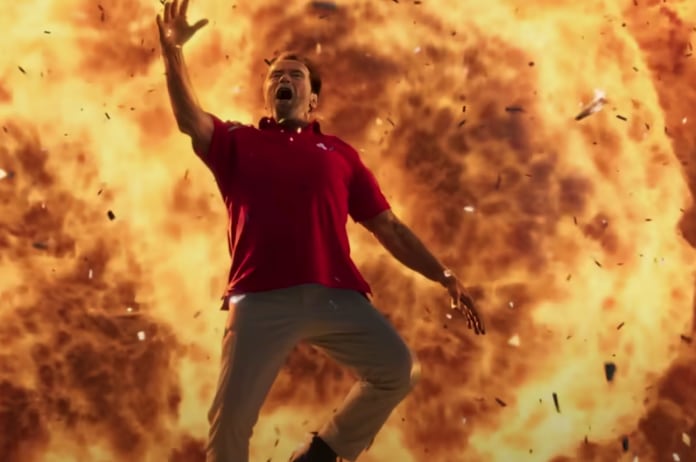
What do Arnold Schwarzenegger, Aubrey Plaza, and Tom Brady all have in common? You'll see them on Super Bowl Sunday, but not on the field. If you only watch the Super Bowl for the ads, here's a sneak peek.
The Federal Communications Commission knows (to loosely quote Drake) "when that [AI robocall] hotline bling, that can only mean one thing" — deception. The agency says bad actors have been using these voices to misinform voters.
David Stryzewski, CEO of Sound Planning Group, breaks down Disney’s latest results, from adding Taylor Swift to building out ESPN, and why Bob Iger’s leadership is crucial.
Kevin Cohee, CEO and chairman of OneUnited Bank, discusses the power of financial literacy and how education and technology can help bridge the racial wealth gap.
Alex McGrath, Chief Investment Officer at NorthEnd Private Wealth, discusses why the A.I. hype can’t power the market forever and how to position investments in the current market.
Paul Verna of Insider Intelligence breaks down how the company is positioned, whether they can make their streaming service profitable, and the upper limit of streaming bundle prices.
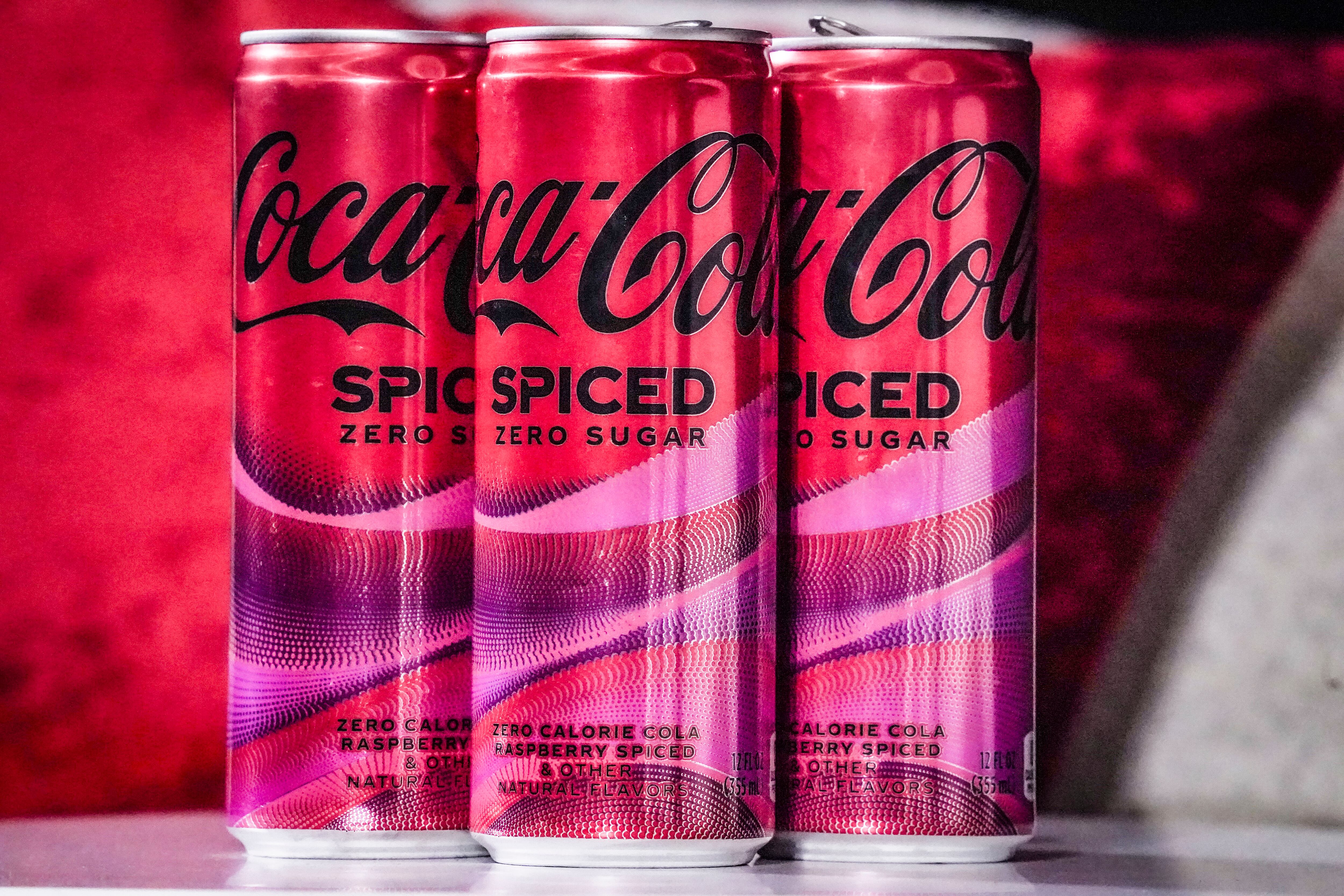
From Flamin’ Hot Cheetos to Sweet Heat Starburst, America’s snacks are getting spicier. Now, Coca-Cola wants in on the trend. The beverage giant introduced Coca-Cola Spiced, the first new permanent offering to its North American portfolio in three years.