Stocks slipped again Thursday as investors braced for more interest rate hikes from the Federal Reserve, and the volatility is once again stirring up debates over whether the U.S. economy is headed for a recession.
"Our view right now is that for the next six months the U.S. economy should be okay," said Ahmed Riesgo, chief investment officer for financial services company Insigneo.
He said the strength of the January jobs report has put downward pressure on stocks because it showed resilience in the economy that many investors interpreted as a sign that more rate hikes were coming. Recent reports showing "sticky" inflation have had a similar effect.
These trends increase the odds of a recession, he added, because the uncertainty around inflation makes it more likely the Fed will make a policy mistake.
"Our base case is not a recession," he said. "But when you look a little bit further out over a 12 month period, I think the chances of a mild recession in the United States are very elevated."
He also cited recent comments from Fed officials as evidence for this theory. The nation's top bankers have signaled they are committed to bringing inflation down to 2 percent annually, while also saying hitting that goal effectively requires inducing a recession.
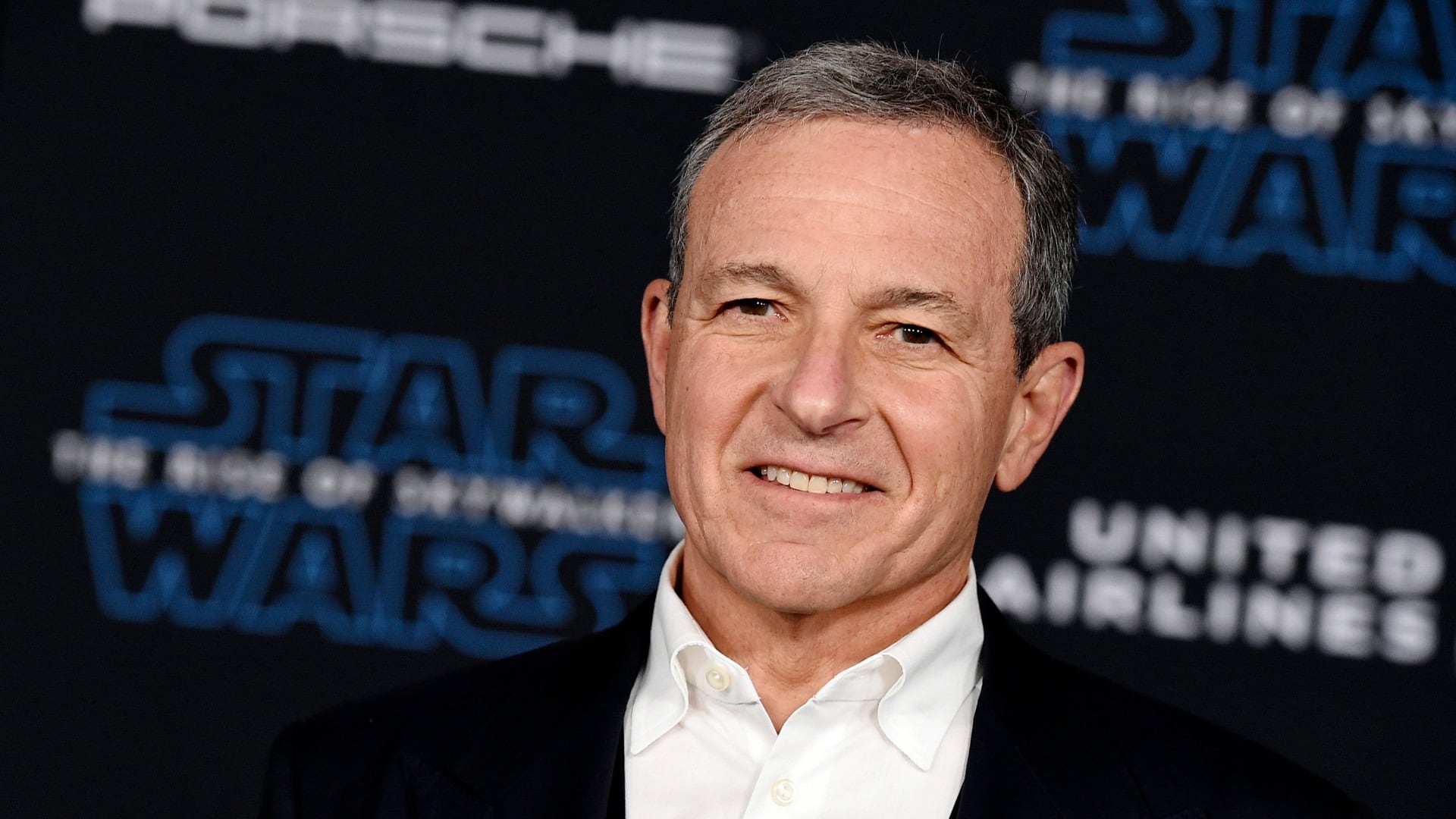
Disney shareholders have rallied behind longtime CEO Robert Iger. They voted Wednesday to rebuff activist investor Nelson Peltz and his ally, former Disney chief financial officer Jay Rasulo.
Student loan borrowers have the ability to earn retirement funds pegged to their payments – and the company Summer might be bringing it to your workplace.
It might not be what investors want to hear… but bringing down inflation could mean interest rates stay higher for (even) longer. But it's not all downside.
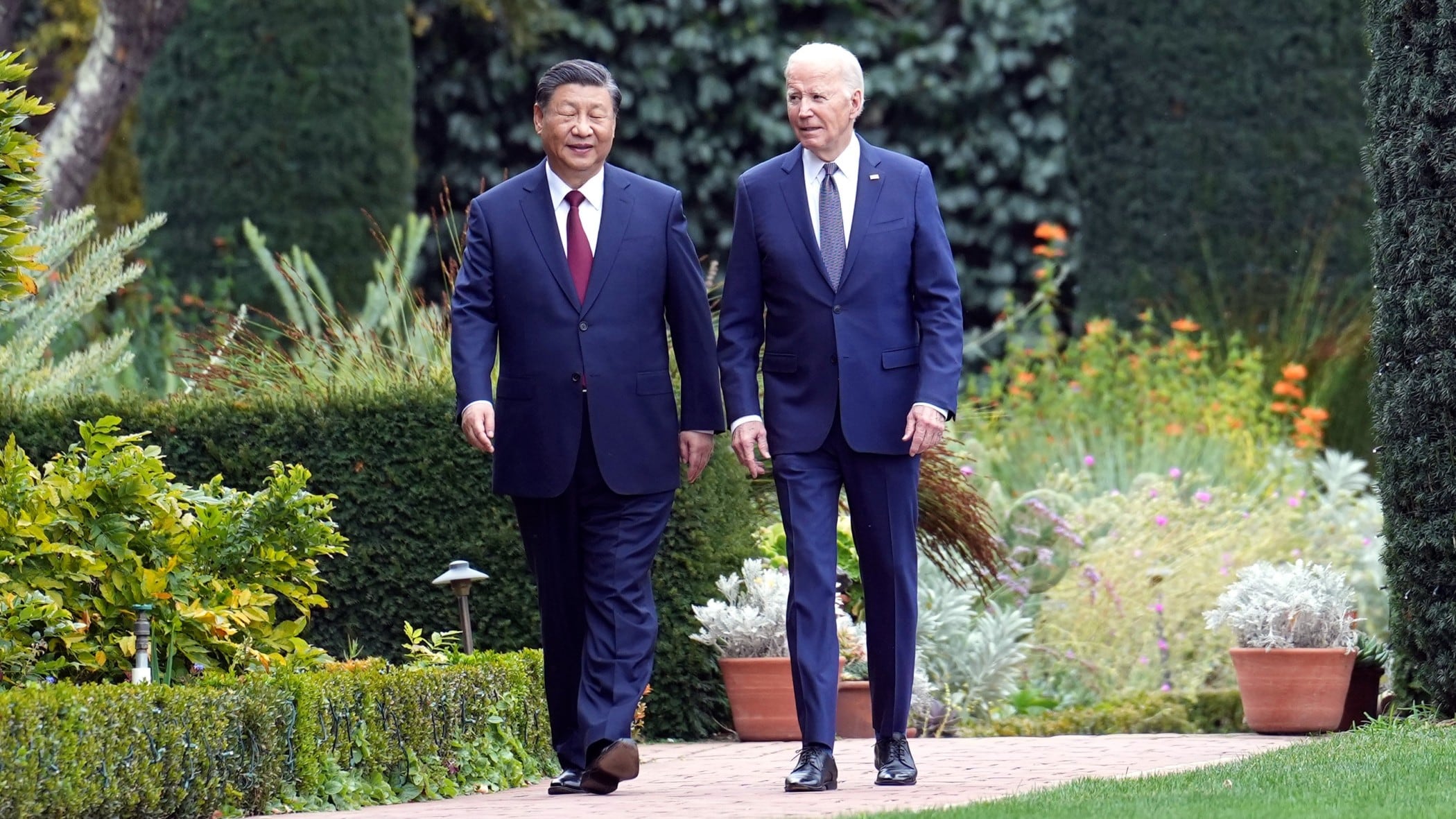
President Joe Biden and Chinese President Xi Jinping have discussed Taiwan, artificial intelligence and security issues in a call meant to demonstrate a return to regular leader-to-leader dialogue between the two powers.
April is Earth month, and while the green revolution might feel far away, the founder of climate VC Siam Capital says it’s on it’s way, and, even better: it won't cost you more.
From snow in April to heatwaves in December, it’s hard to plan a trip in a climate change world. Startup Sensible Weather thinks weather-based travel reimbursements are the solution.
Between corporate debt and the widening gap between ‘the haves and the have nots,’ there are reasons to be cautious about the economy, even with interest rate cuts on their way.