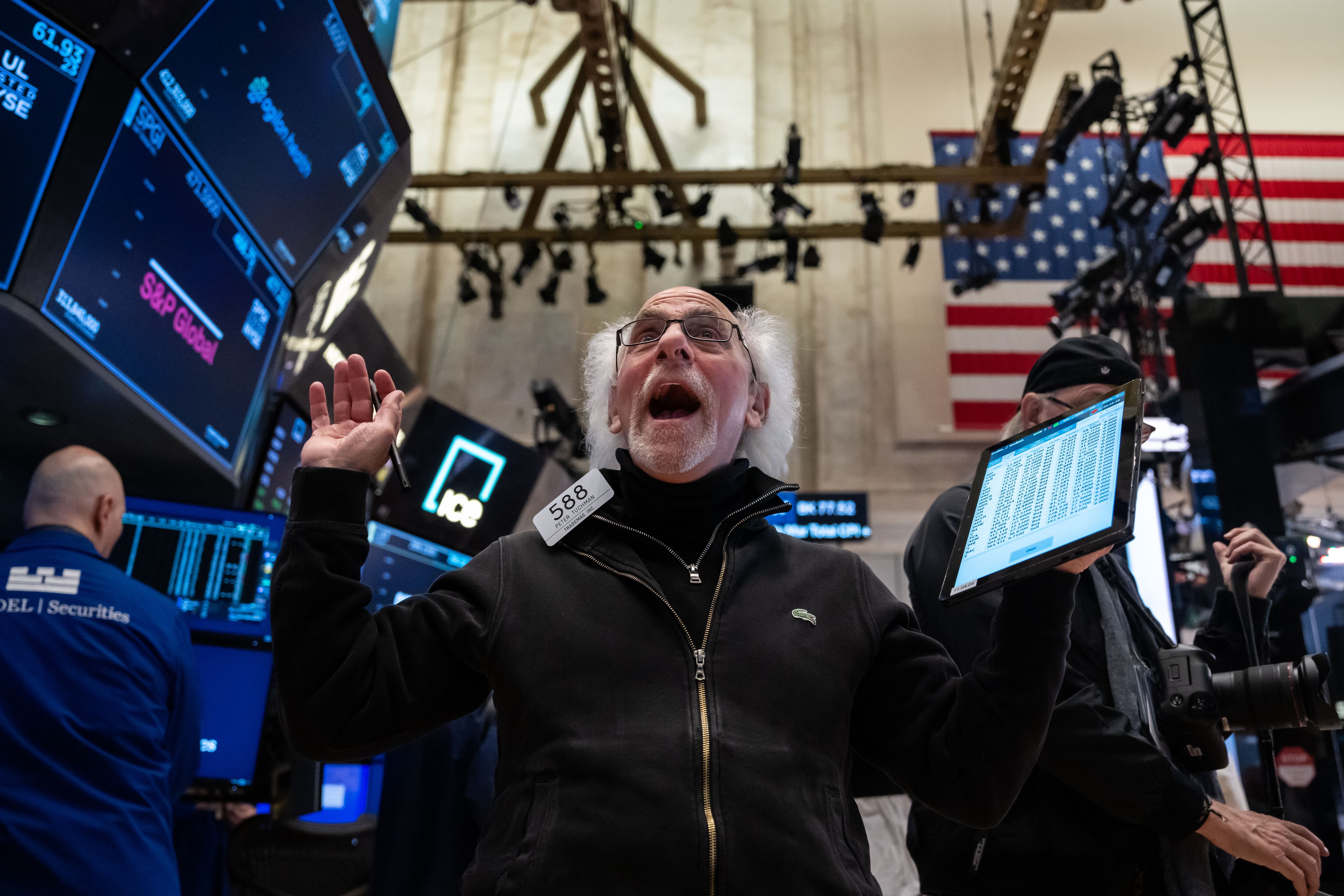
Stocks sagged further Friday, despite a decent July jobs report from the Labor Department.
The U.S. added 164,000 jobs in July, in line with expectations. Unemployment remained at 3.7 percent. Average wages also saw an increase of 3.2 percent from last year, beating expectations. They were up 0.3 percent from June. But some were still concerned.
"Wage growth continues to fall short of what we'd expect in an economy that has had historically low unemployment — the unemployment rate has been at (or below) 4.0 percent for the past 17 months," said Elise Gould, a senior economist at the Economic Policy Institute in a release.
While many of the indicators appeared to be in line with averages, it wasn't enough to correct the market plunge sparked Thursday when President Trump announced that the U.S. will impose an additional 10 percent tariff on Chinese goods. Beijing later indicated that it plans to respond in kind, although specific details have not yet been released.
"We'd be growing at a much bigger rate if Trump laid off on the tariffs, left them behind, and tried to make deals in a better way. They are not healthy," said Tim Doescher of Heritage Foundation told Cheddar after the report's release.
There were a few key data points within the report that showed signs of weakness. The average workweek fell to 34.3 hours, the lowest in two years. While the workweek in the manufacturing industry was a longer 40.4 hours, it was also down from the previous month. Overtime hours for the sector also declined.