Accusations are flying between U.S. and Chinese officials over how each country is handling the coronavirus pandemic.
U.S. Secretary of State Mike Pompeo told Fox News on Wednesday that the Chinese Communist Party has a "responsibility to tell the world how this pandemic got out of China and all across the world, causing such global economic devastation.”
The comments came after China Central Television's top evening news program questioned the accuracy of U.S. data tracking of COVID-19 infections, singling out Pompeo for “turning himself into the common enemy of mankind.”
Underlying the heated exchange is an effort by the U.S. State Department to better understand the origins of the outbreak in Wuhan.
"It's not even about the blame game," Morgan Ortagus, a spokesperson for the department, told Cheddar. "It's about us not being able to answer fundamental questions about this pandemic."
She said the agency is focused on "making sure the world has the data and the transparency that it needs, not only from the Chinese Communist Party but also from Iran, North Korea, other places."
Specifically, the department wants to confirm China's claim that the virus originated in a Wuhan wet market by sending in independent scientists to assess the data. Ortagus compared the process to the common practice of getting studies peer-reviewed by a credible source.
"It doesn't matter if it's Americans, by the way," Ortagus said. "We're happy if it's Germans, or French, or British scientists that want to go in, but no one is being allowed to go into Wuhan to investigate."
Other global leaders, including Australian Prime Minister Scott Morrison, have called on China to allow an international investigation into the source of coronavirus.
In addition, the State Department is doing a 60 to 90-day review of the World Health Organization to determine "what information they have and don't have," she said.
"Everything that we're doing right now boils down to this: how do we prevent a pandemic of this scale from ever happening again?" Ortagus said. "We know that we can't answer that question until we get the live virus samples, until we have independent, credible scientists and doctors who are able to go into the Wuhan, into the wet markets, into the laboratories, to understand what caused this pandemic."
U.S. intelligence agencies also revealed that they are following up on speculation amplified by the White House that the pandemic may have spread from a lab accident in Wuhan, while also acknowledging that the virus appeared "not manmade or genetically modified."
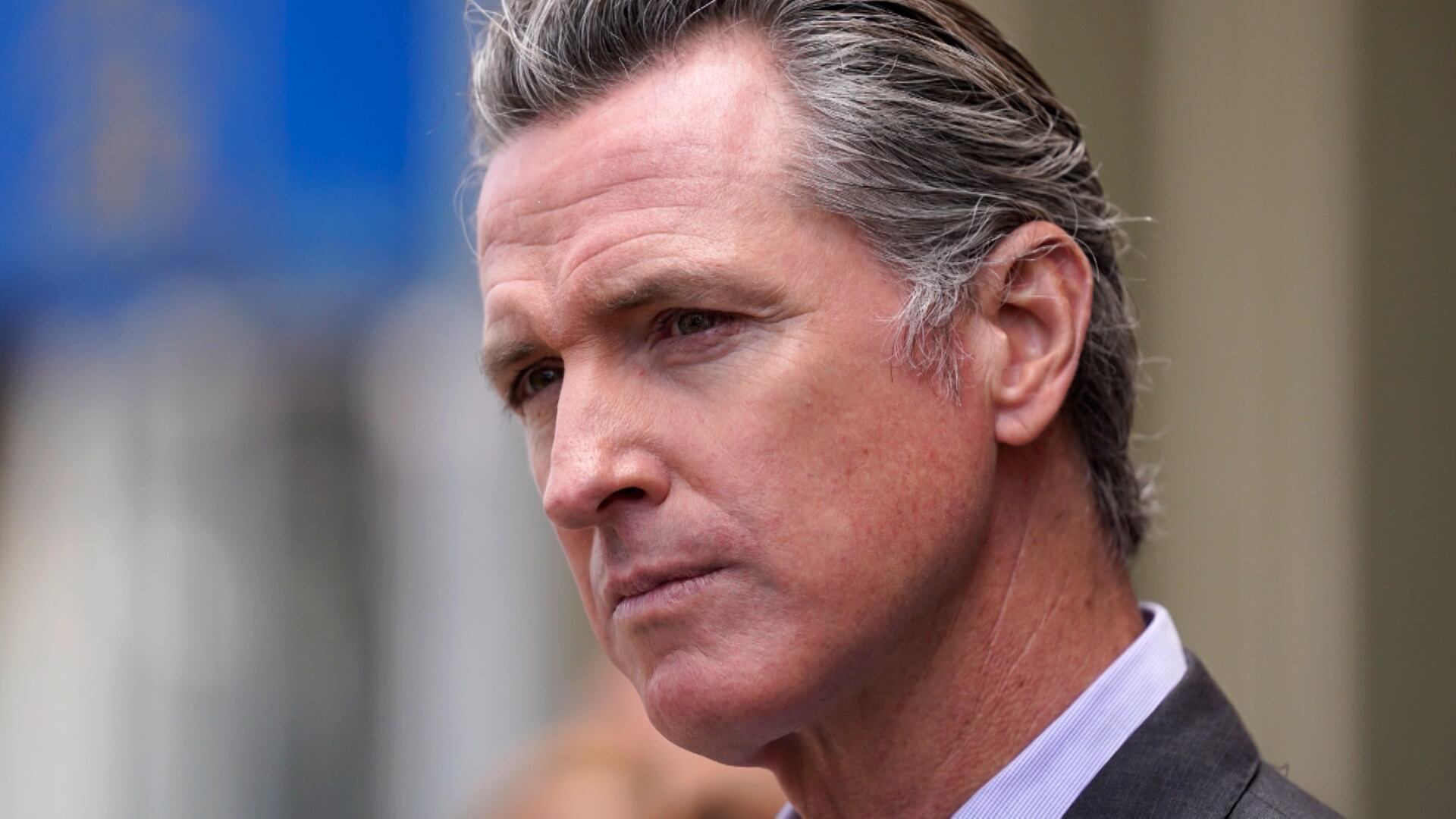
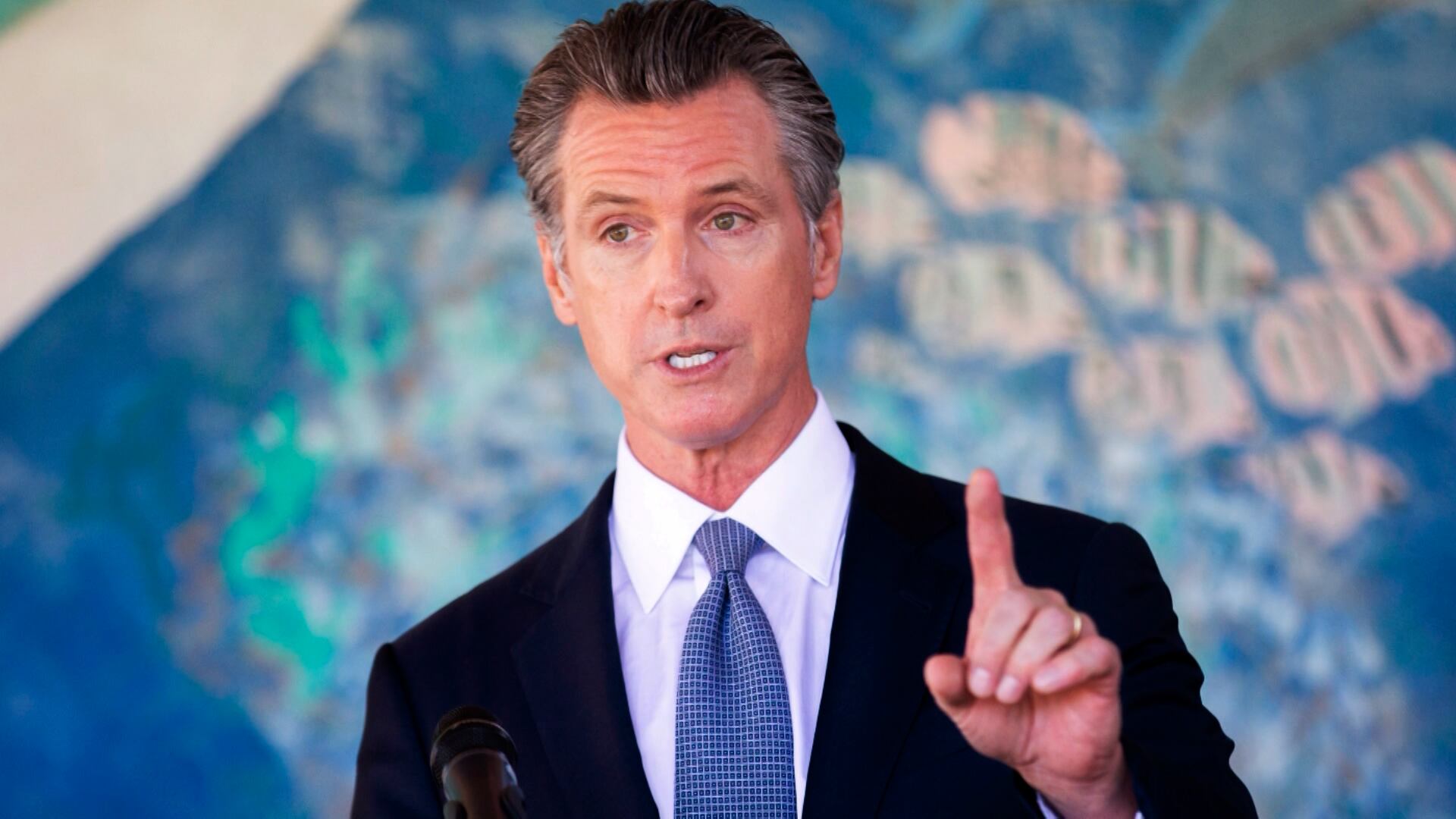
Emily Hoeven, newsletter editor at CalMatters, joins Cheddar News to discuss California Governor Gavin Newsom's gun law modeled after Texas's abortion law.
Chuck Rocha, host of 'Nuestro' podcast and opinion contributor at The New York Times, joins Cheddar News to discuss why Democrats are losing Hispanic voters.
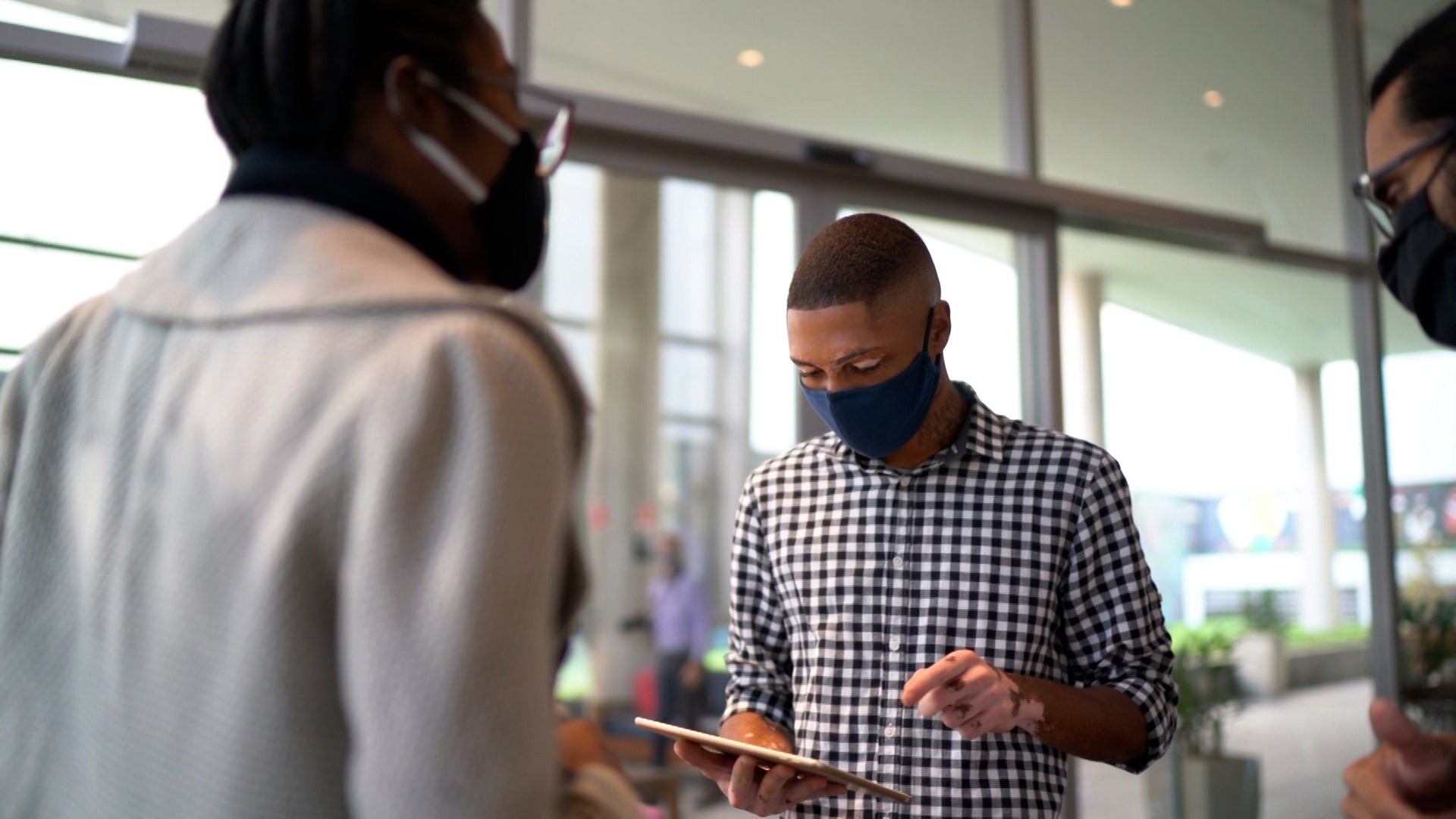
More businesses are requiring workers to return to the office, but there is concern that many employees in the middle class, especially women and people of color, need remote work options for reasons including childcare and financial security. Joan Williams, director of the Center for WorkLife Law at the University of California, joined Cheddar to discuss why office mandates could be detrimental to the middle class. She noted that while companies claim a return to offices would help foster more collaboration and efficiency, reports show that they are successfully able to do their jobs from home.
The U.S. postal service has confirmed that it secretly developed and tested a blockchain-based mobile voting system ahead of the 2020 election. Susan Greenhalgh, senior advisor on election security, Free Speech for People, joins Cheddar News to discuss the cybersecurity complications of a mobile voting system.
The U.S. Supreme Court ruled to allow the controversial Texas abortion law to remain in effect, banning abortion at six weeks and allowing any private citizen to sue a person or doctor aiding or abetting someone seeking an abortion. Outraged at this decision, California Governor Gavin Newsom is working to draft a proposal in line with the law as it relates to guns. Shawn Hubler, California correspondent at the New York Times, joins Cheddar News to discuss.
Even as tech giant Google implements a vaccination mandate, charging its employees to declare their vaccine status within a time frame or risk dismissal, the federal government is tangled up in the court system trying to impose one of its own. Cindy Cohn, the executive director of the Electronic Frontier Foundation, and Harry Nelson, founder and managing partner of Nelson Hardiman LLP, joined Cheddar to debate the ethics, efficacy, and legality surrounding the issue. While Cohn noted that she thinks the federal mandate might be legally sound, her organization is also concerned with a separate question of privacy. "At EFF what we're most interested in is the digital surveillance that's going along with some of these attempts to try to track and confirm whether people are vaccinated or not," she said.