Stash is making investing accessible to everyone. The platform and app was started in 2015 and since then has grown to more than 1.2 million accounts and over 2.5 million content subscribers.
Brandon Krieg is the CEO and co-founder of Stash. He explains that Stash is not only about investing, it is also a learning platform. Stash opens up conversations between friends and family about investing and what to be looking for. Krieg says he is really proud of his customers.
The minimum investment in Stash is only $5, opening the door for all types of investors. In fact, over 80% of Stash customers are first-time investors.
When it comes to crypto, Krieg says they are waiting and watching. Krieg wants to get a sense of what regulators do and say. That being said, Stash customers are asking to invest in crypto. Krieg reveals that Stash will likely roll out a product sometime later this year.
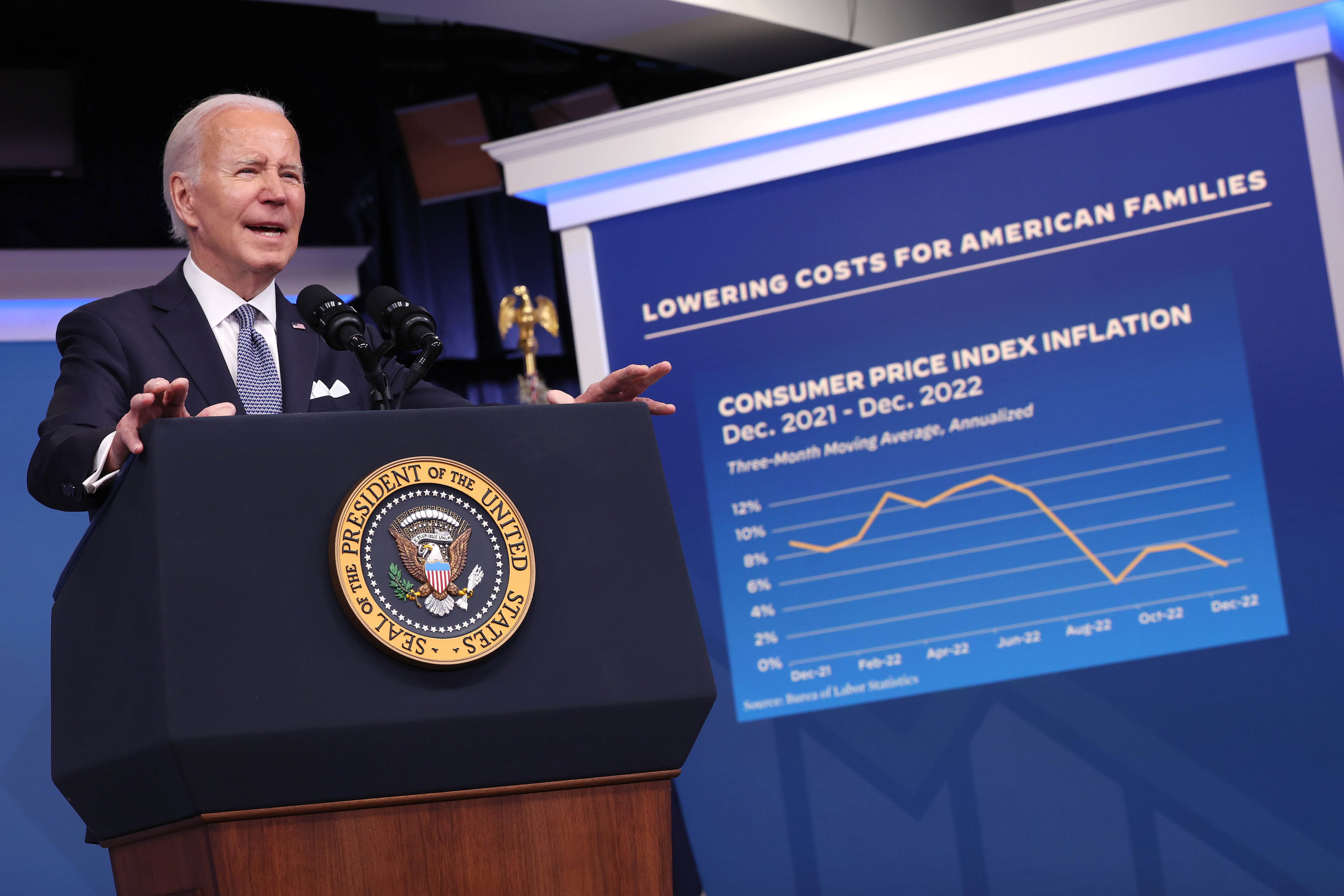
Boeing continues their terrifying trend of having their planes fall apart mid-flight, inflation — checks notes — is still up and the future of AI looks terrifying. Cheery!
Food waste – uneaten scraps or leftovers sent to landfills – is responsible for 10% of global emissions. Mill, a new product from the co-founder of Nest, thinks technology can play a role in eliminating it.
By the time the 2024 election is over, be prepared to see some form of a recession – but this shouldn’t be as bad as what we experienced in 2020 or 2008.
International Master Alice Lee defeated grandmaster Irina Krush to win the American Cup – becoming one of the best women players in the world in the process – but she’s not stopping there.
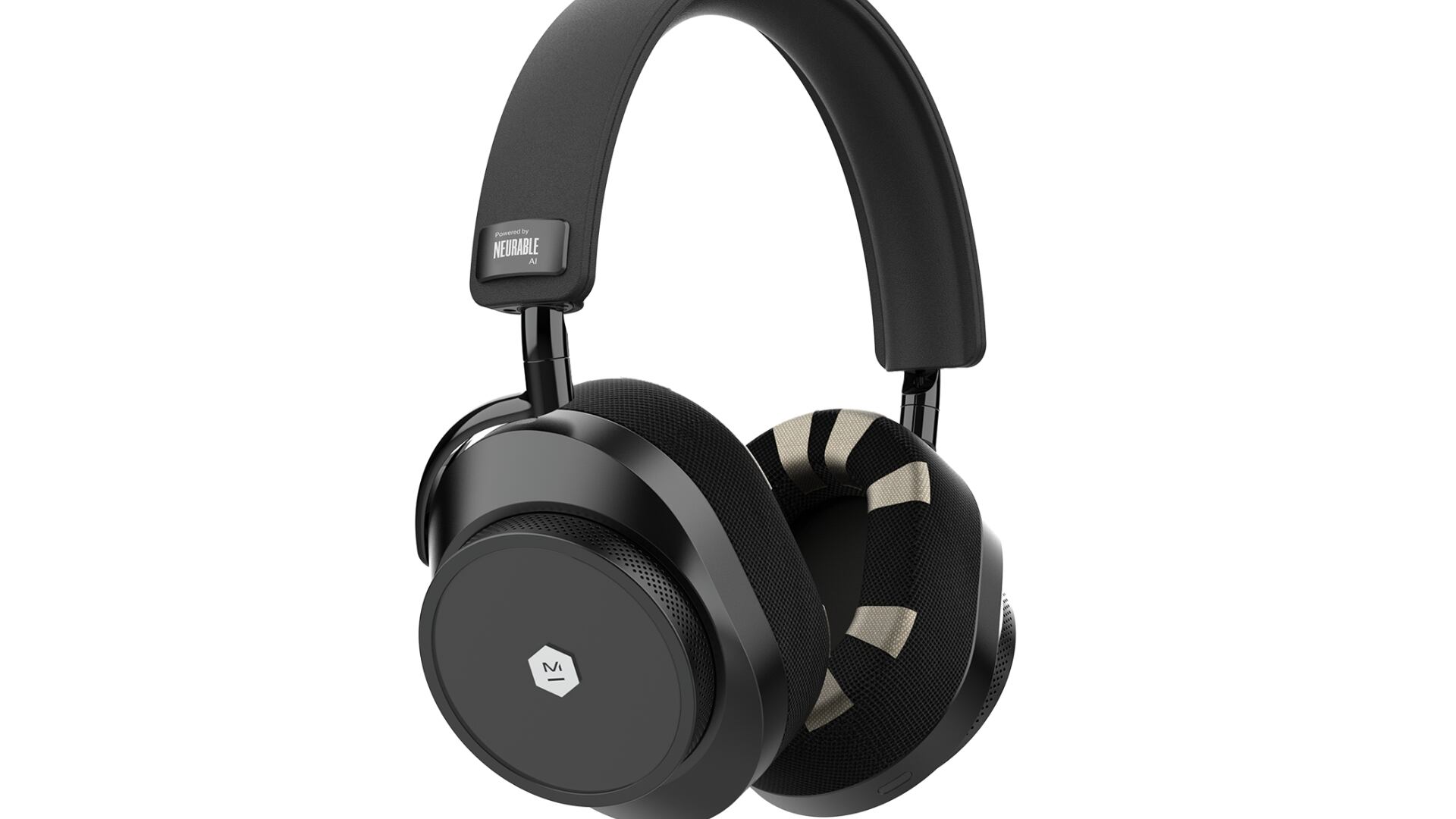
You can track your sleep habits or heart rate, but how about your brain? Neurable's MW75-Neuro headphones turn your focus and productivity into data you can use to avoid burnout – here's how they do it.
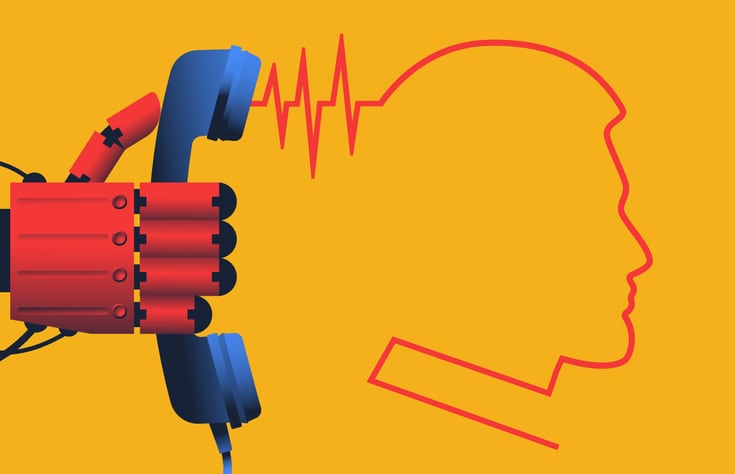
Whether it’s a deepfake video of actor Tom Cruise discovering gum in a lollipop or President Joe Biden discouraging people from voting via telephone, you’ve likely come across a deepfake video, photo or audio recording.
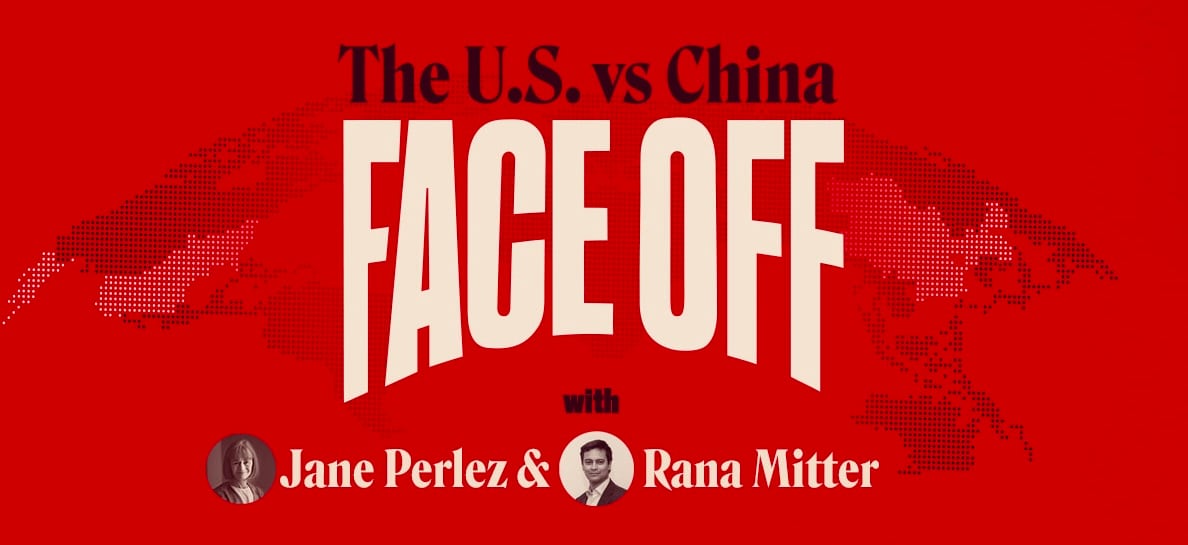
Tensions in the South China Sea, Apple moving to India, and banning TikTok? The podcast ‘Face Off: The U.S. Versus China’ helps explain how we got here.