Katzenberg and Whitman's $1 Billion Challenge to Netflix
*By Max Godnick*
Netflix might not have much time to chill.
NewTV, the streaming video start-up from Jeffrey Katzenberg and Meg Whitman, secured $1 billion in funding to produce episodic content for a mobile-first platform next year.
"If I were Netflix, I'd be pretty worried," said Julian Roman, a correspondent for MovieWeb, in an interview with Cheddar on Tuesday. "This is going to be a very legitimate contender in streaming services."
The venture has support from nearly every major Hollywood studio, including 21st Century Fox, Disney, NBCUniversal, Sony Pictures Entertainment, and Viacom. And NewTV will be led by two of the most formidable entertainment executives of all time ー Katzenberg, the former chairman of Walt Disney Studios, and Whitman, also a former Disney executive.
"You're talking about a power couple who made a fortune at Disney," Roman said.
Unlike the prestige series from Netflix, Hulu, Amazon and HBO competing for Emmys, NewTV will produce 10-minute episodes of shows meant to be viewed on a smartphone or tablet.
The potential for micro-targeting on mobile, the venture's A-list slate of investors, and the pedigree of its leadership could give NewTV an advantage against established competition.
"This is a billion-dollar start-up, so everything that these guys are going to do is going to be top flight," said Roman. "It's going to be prime-quality entertainment from Hollywood's biggest producers."
Netflix, with a $13 billion content budget, has become the leader in streaming dominance. It recently broke HBO's 17-year record as the most-nominated network at the Primetime Emmy Awards. Disney's new streaming service ー scheduled to launch next year ー and the arrival of NewTV pose a serious threat to Netflix.
"When you have this kind of backing and this production team, there's a capability to go out there and give you basically everything that you want," Roman said of NewTV's potential to win across genres and formats. "I think this is going to be a major player."
For more on this story, [click here](https://cheddar.com/videos/why-netflix-should-fear-newtv).
While the U.S. may slowly be on the path to lowering inflation (and therefore interest rates), Europe has thoroughly trounced America, putting it on the path to lower rates by this summer.
April's release of the monthly Housing Starts and Building Permits reports by the Census Bureau provides crucial insights into the construction activity in the housing market. These reports are an economic indicator, shedding light on the current state of the housing market and its broader economic impact.
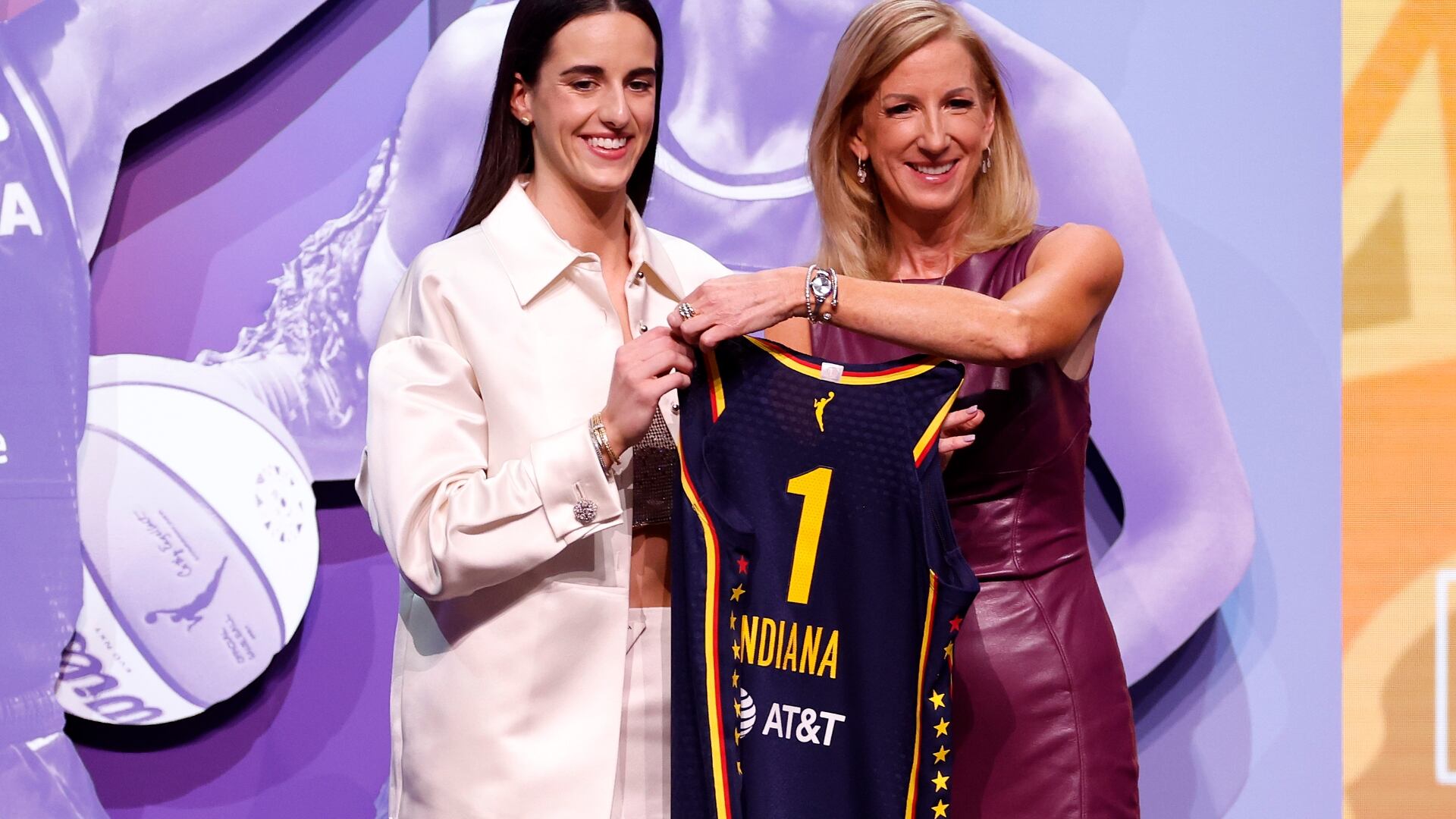
Caitlin Clark is heading to the Indiana Fever, the number one draft pick and the highest-scoring college basketball player of all time. And while she may not be getting millions from the WNBA, there's a few ways she'll net compensation for her generational talents.
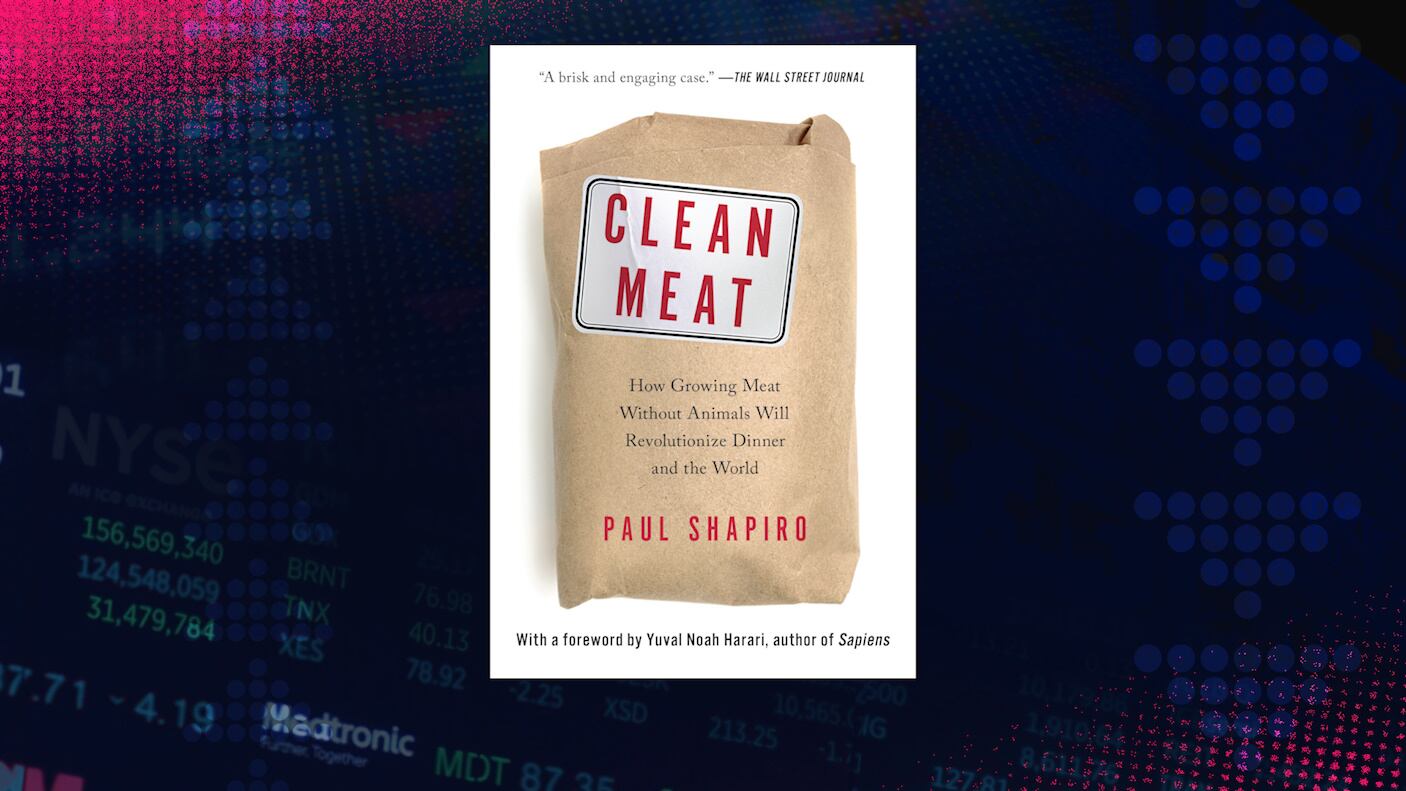
Author of 'Clean Meat,' Paul Shapiro joins Cheddar to discuss how the cellular agricultural revolution helps lower rates of foodborne illness and greatly improves environmental sustainability. Plus, how his company The Better Meat Co. is bringing healthier food options to the table.
Recent headlines might make it sound like World War III is imminent, but when it comes to your finances, it's not the time to panic. The market is coming off its longest winning streak since 2011.
You may have noticed fewer new venture capital-backed startups (like Airbnb or Uber) lately. The market slowed to a crawl after 2021, but things are expected to take off again in 2025.
Corporate earnings season is underway, that time when companies share their billions in sales or double-digit profits. But the data shows even companies are struggling with high inflation and interest rates.
Boeing continues their terrifying trend of having their planes fall apart mid-flight, inflation — checks notes — is still up and the future of AI looks terrifying. Cheery!
Food waste – uneaten scraps or leftovers sent to landfills – is responsible for 10% of global emissions. Mill, a new product from the co-founder of Nest, thinks technology can play a role in eliminating it.
By the time the 2024 election is over, be prepared to see some form of a recession – but this shouldn’t be as bad as what we experienced in 2020 or 2008.