It was a happy holiday at Starbucks, but the company's sales momentum could start to slow due to the coronavirus outbreak in China.
New drinks like the Pumpkin Cream Cold Brew were a hit with customers, helping the Seattle-based coffee giant beat Wall Street's forecasts in the October-December period. Starbucks reaffirmed its 2020 profit guidance for now, but said it has already closed more than half of its stores in China.
Starbucks reported Tuesday that its earnings rose 16% to $886 million in its fiscal first quarter. Earnings, adjusted for non-recurring items like restructuring charges, were 79 cents per share. That beat Wall Street's forecast of 76 cents.
Starbucks said same-store sales — or sales at stores open at least 13 months — jumped 5% worldwide in the October-December period, ahead of analysts' forecast of 4.4%. Revenue was up 7% to $7.1 billion, in line with analysts' forecasts.
Starbucks said 1.4 million U.S. customers joined its Starbucks Rewards loyalty program during the quarter. The company said demand for mobile ordering and payment is growing in the U.S.
Stellantis is telling owners of nearly 220,000 Jeep Cherokee SUVs worldwide to park them outdoors and away from other vehicles because the power liftgates can catch fire even when the engines are off.
After years of explosive growth during the pandemic, Home Depot’s revenue during the first quarter fell short of expectations and the company cut its profit and sales outlook for the year
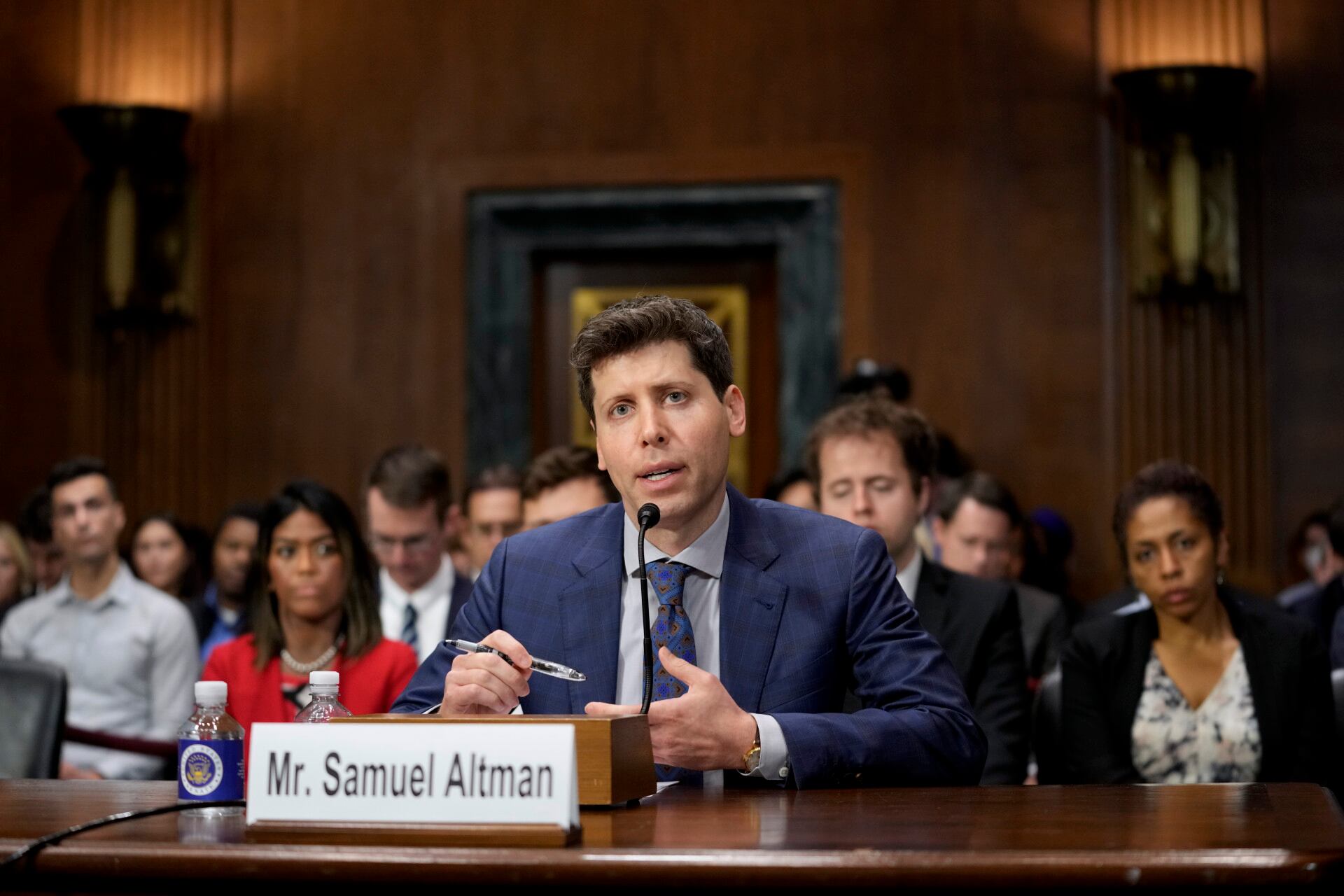
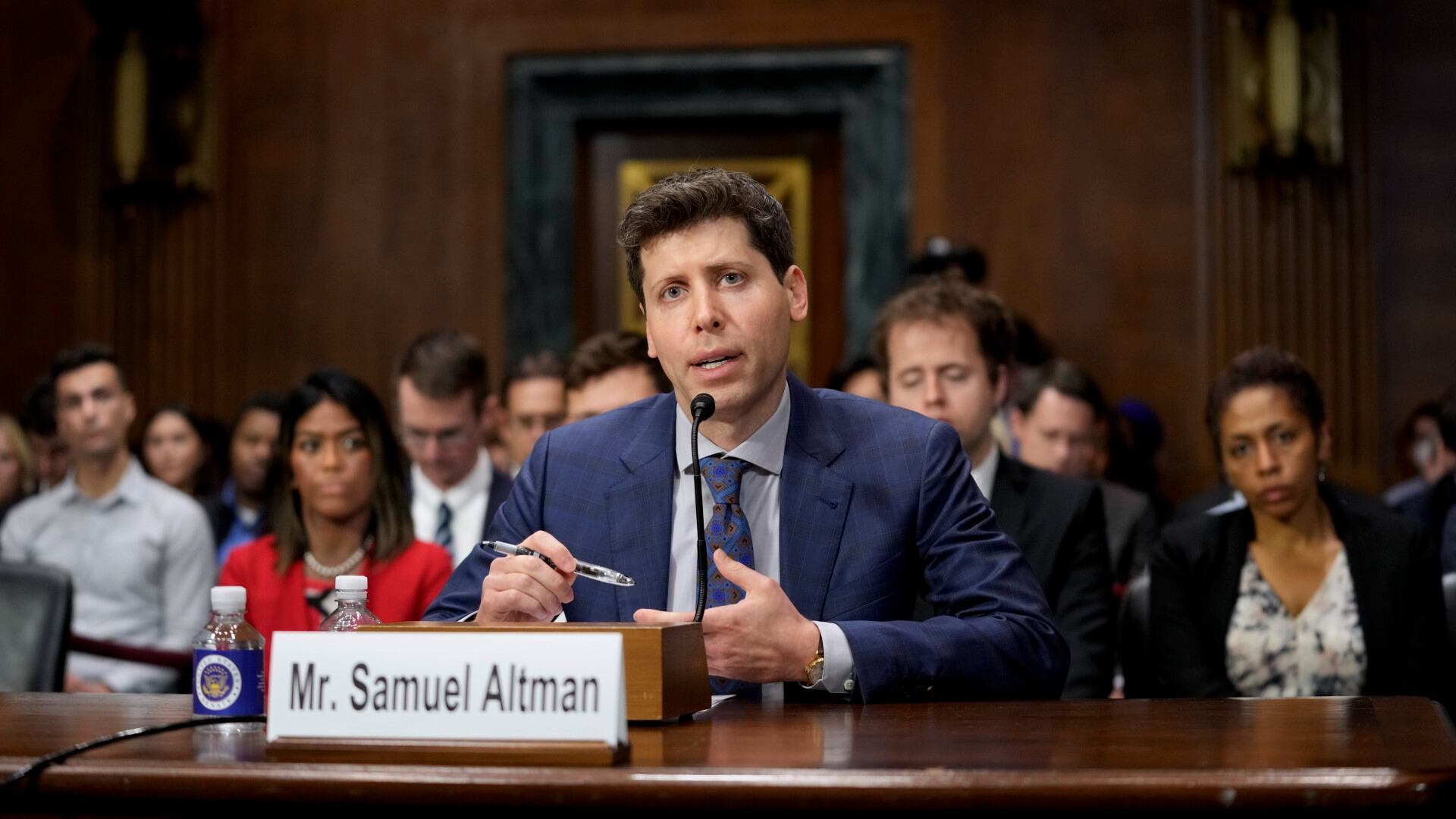
The head of the artificial intelligence company that makes ChatGPT told Congress on Tuesday that government intervention "will be critical to mitigate the risks of increasingly powerful” AI systems.
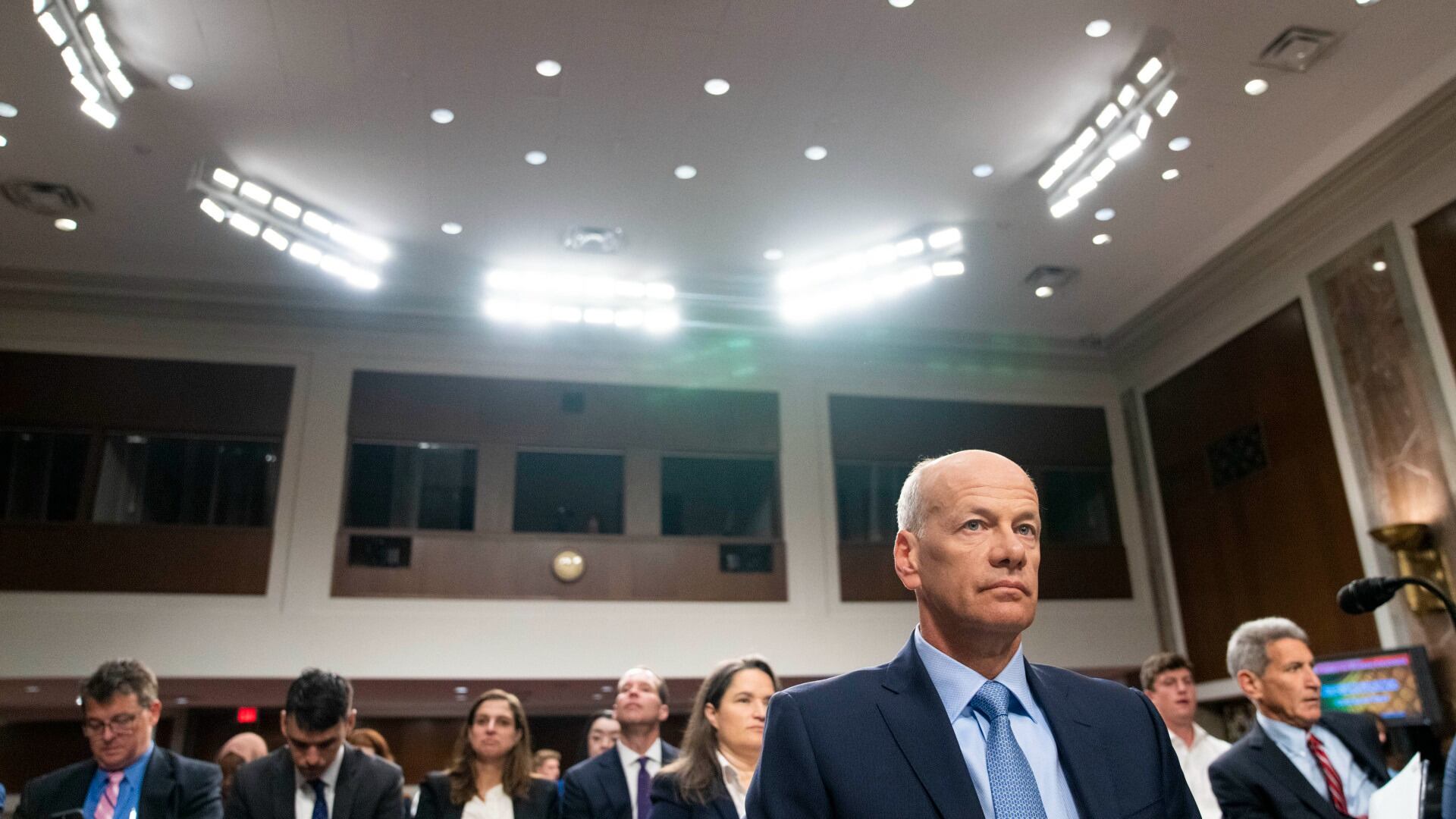
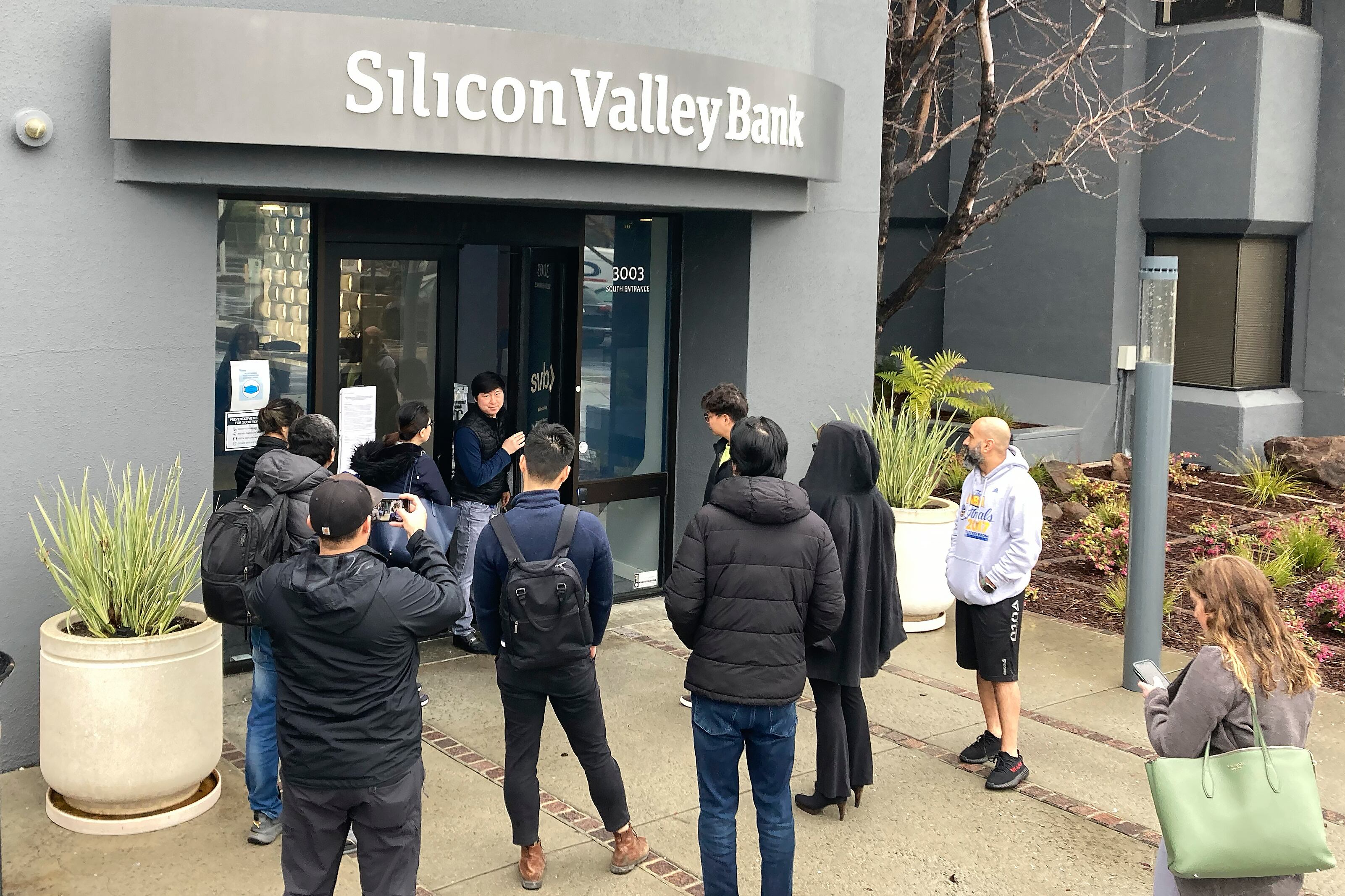
Top executives at Silicon Valley Bank and Signature Bank largely avoided taking responsibility for their banks’ dramatic failures at a Senate hearing Tuesday.
The head of the artificial intelligence company that makes ChatGPT will testify before Congress as lawmakers call for new rules to guide the rapid development of AI technology.
The recent failures of a trio of midsize banks has once again raised questions about whether senior executives in the U.S. are being rewarded more for short-term gains — like rising stock prices — than for ensuring their companies' long-term health.