It was a happy holiday at Starbucks, but the company's sales momentum could start to slow due to the coronavirus outbreak in China.
New drinks like the Pumpkin Cream Cold Brew were a hit with customers, helping the Seattle-based coffee giant beat Wall Street's forecasts in the October-December period. Starbucks reaffirmed its 2020 profit guidance for now, but said it has already closed more than half of its stores in China.
Starbucks reported Tuesday that its earnings rose 16% to $886 million in its fiscal first quarter. Earnings, adjusted for non-recurring items like restructuring charges, were 79 cents per share. That beat Wall Street's forecast of 76 cents.
Starbucks said same-store sales — or sales at stores open at least 13 months — jumped 5% worldwide in the October-December period, ahead of analysts' forecast of 4.4%. Revenue was up 7% to $7.1 billion, in line with analysts' forecasts.
Starbucks said 1.4 million U.S. customers joined its Starbucks Rewards loyalty program during the quarter. The company said demand for mobile ordering and payment is growing in the U.S.
Shutterstock said Tuesday it’s buying Giphy from Meta Platforms for $53 million, the final step to unwind the deal blocked by British regulators, who prevented the Facebook owner from purchasing the GIF-sharing platform over competition concerns.
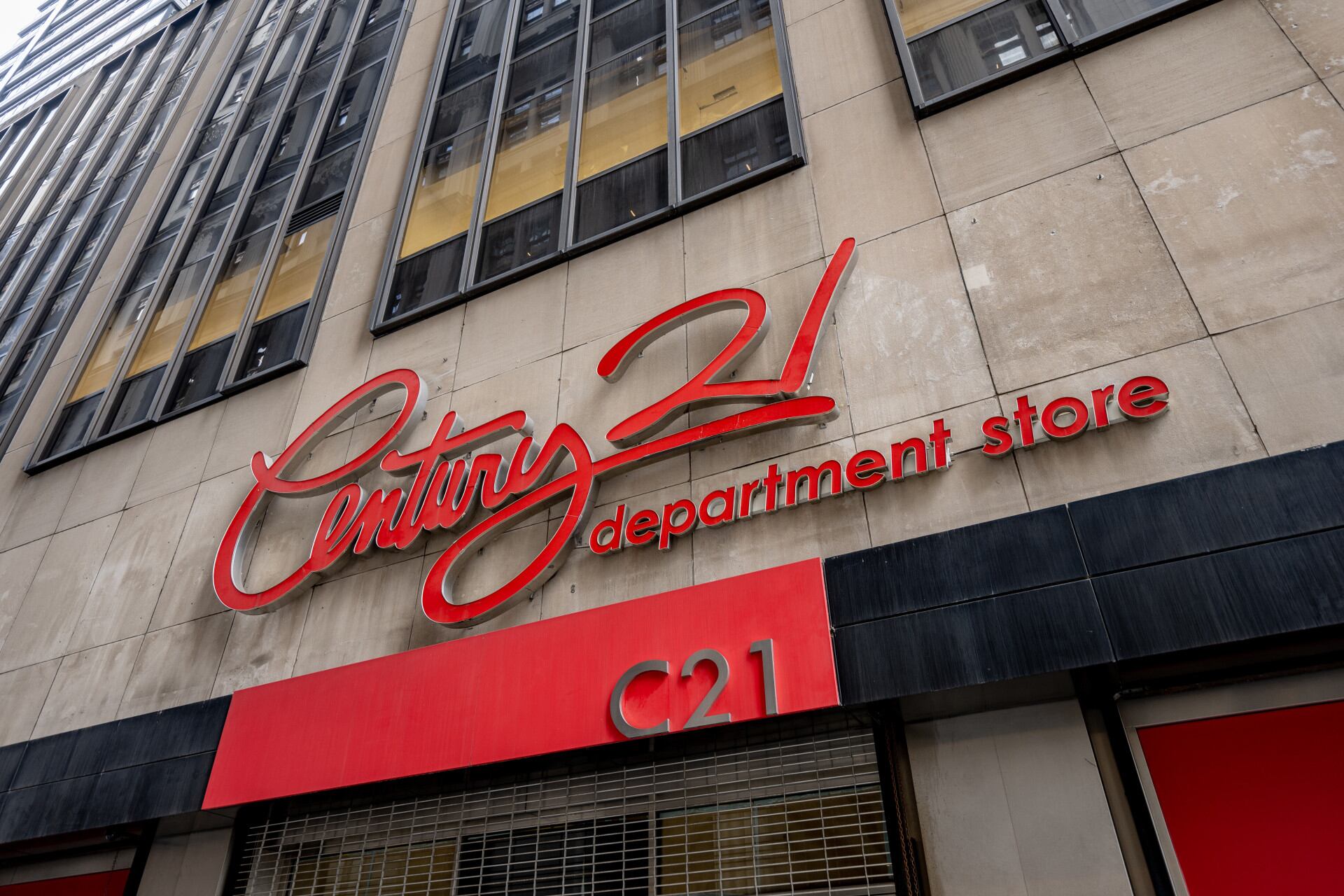
Century 21 was a long-time staple for bargain shopping in Manhattan when it went belly up in 2020 at the height of the COVID-19 pandemic. Now, as of last week, the store has reopened and some locals see it as a sign of an economic recovery in New York City.
Paramount Global is set to absorb Showtime into Paramount+, creating a single streaming option to compete with the likes of Netflix and Warner Bros. Discovery’s Max. The company also plans to raise the monthly price from $9.99 to $11.99 per month after the integration.
Debt ceiling talks are underway in Washington, DC ahead of a default deadline. Michael Rosen, chief investment officer with Angeles Investments, joined Cheddar News to explain how a potential default could affect investment portfolios, among other items, for Americans.
Australia's government announced regulations for buy now, pay later services, which will be labeled as consumer credit products, which puts them under the country's Securities and Investments Commission's watch.