It was a happy holiday at Starbucks, but the company's sales momentum could start to slow due to the coronavirus outbreak in China.
New drinks like the Pumpkin Cream Cold Brew were a hit with customers, helping the Seattle-based coffee giant beat Wall Street's forecasts in the October-December period. Starbucks reaffirmed its 2020 profit guidance for now, but said it has already closed more than half of its stores in China.
Starbucks reported Tuesday that its earnings rose 16% to $886 million in its fiscal first quarter. Earnings, adjusted for non-recurring items like restructuring charges, were 79 cents per share. That beat Wall Street's forecast of 76 cents.
Starbucks said same-store sales — or sales at stores open at least 13 months — jumped 5% worldwide in the October-December period, ahead of analysts' forecast of 4.4%. Revenue was up 7% to $7.1 billion, in line with analysts' forecasts.
Starbucks said 1.4 million U.S. customers joined its Starbucks Rewards loyalty program during the quarter. The company said demand for mobile ordering and payment is growing in the U.S.
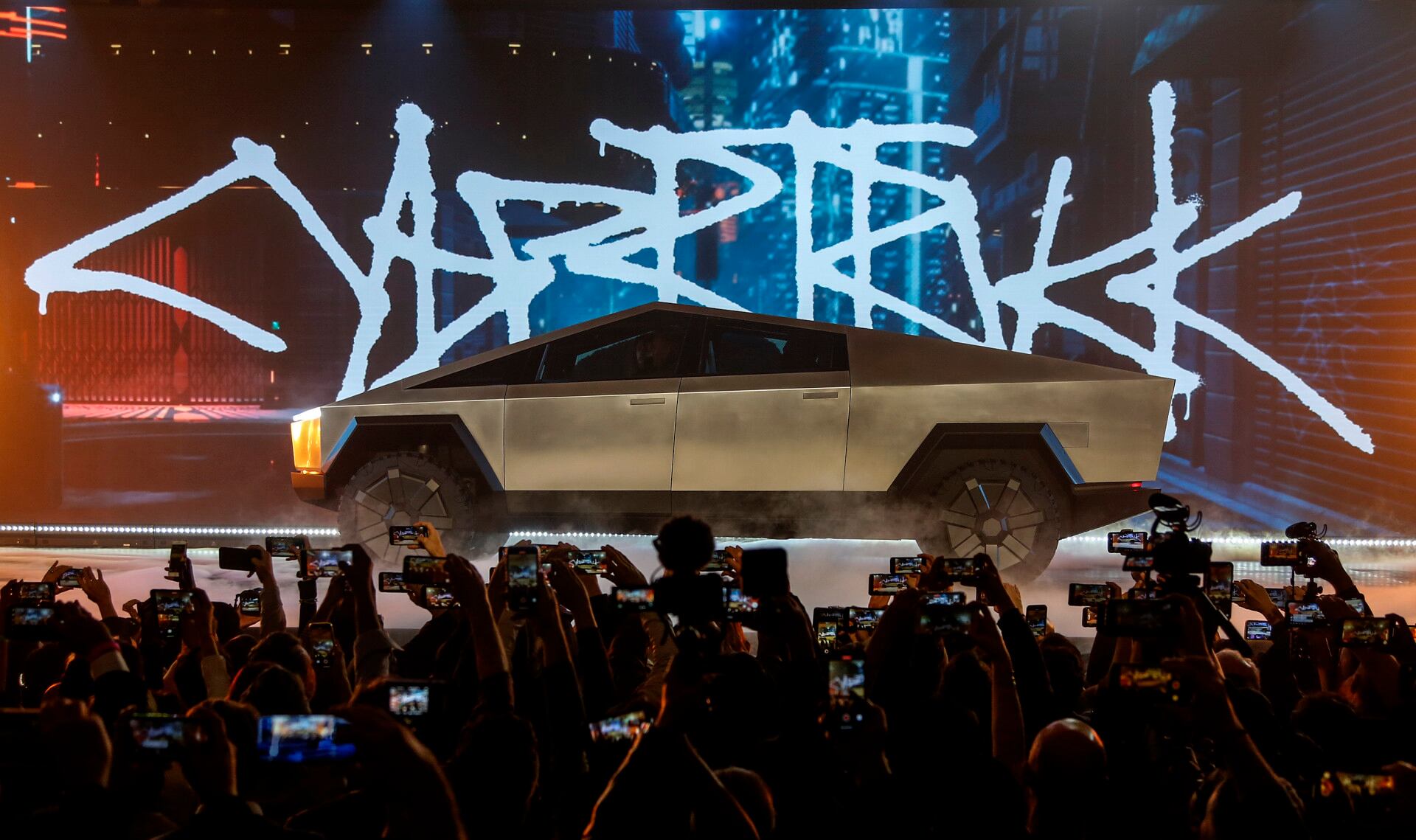
Fed Chair Jerome Powell weighed in on interest rates, some of Tesla's cybertrucks have been delivered, Apple and Paramount have reportedly discussed bundling their streaming services together and Panera Bread has reportedly filed to go public.
Build-A-Bear Workshop has been one of the most recognizable and beloved toy brands in the world since opening in 1997. Sharon Price John, CEO of Build-A-Bear Workshop, spoke with Cheddar News about its plans for the holiday season this year as well as the company's first animated feature film.
Stocks were generally flat after the opening bell on Friday ahead of Federal Reserve Chair Jerome Powell's comments in a speech at Spelman College later. Investors are growing optimistic that the central bank is done raising rates and may start cutting next year.
The network of nearly 4,800 fake accounts was attempting to build an audience when it was identified and eliminated by the tech company, which owns Facebook and Instagram.
Someone in China created thousands of fake social media accounts designed to appear to be from Americans and used them to spread polarizing political content in an apparent effort to divide the U.S. ahead of next year's elections, Meta said Thursday.