*By Chloe Aiello* The U.S. Treasury on Monday announced sanctions against Venezuela's state-owned oil firm in an effort to undermine incumbent president Nicolás Maduro and reinforce support for interim president Juan Guaidó. "The United States is holding accountable those responsible for Venezuela's tragic decline. We will continue to use all of our diplomatic and economic tools to support interim president Guaido, the National Assembly, and the Venezuelan people's' efforts to restore their democracy," Treasury Secretary Steven Mnuchin said in a White House briefing. The move exerts more pressure on an increasingly volatile situation, as more nations pledge their support for both sides. The Trump administration has not wavered in its support for Guaidó over incumbent Maduro, who has been backed by China, Iran, and Russia, among others. Brett Bruen, a former diplomat and director of global engagement under President Obama, called the administration's decision "one of the bright spots" in Trump's foreign policy. "The Trump administration is holding firm to defend democracy, they are standing up for human rights, they are standing up for the rule of law," Bruen told Cheddar Monday. Amid calls for legitimate elections and anti-government protests that turned deadly, Guaidó, the leader of the country’s opposition-controlled legislative body, declared himself "interim president," on Jan. 23. Just weeks prior, newly re-elected Nicolás Maduro was sworn in for his second term following a controversial and reportedly corrupt election last May in which many opposition candidates were barred from running. President Trump was quick to declare U.S. support for Guaidó as interim leader. On Monday, Mnuchin's announcement deepened that support. He called Venezuela's state-owned oil company Petroleos de Venezuela, better-known as PDVSA, a "vehicle for embezzlement, for corruption for Venezuelan officials and businessmen," and said sanctions were necessary to prevent Maduro from continuing to divert the country's oil wealth for himself. "The path to sanctions relief for PDVSA is through the expeditious transfer of control to the interim president, or a subsequent, democratically elected government," Mnuchin added. It was a moment of decisiveness and clarity from Trump, who has previously been criticized for cozying up to leadership that embraces less-than American principles ー much to the frustration of U.S. intelligence. Trump previously rejected evidence implicating Saudi Arabia's Crown Prince Mohammed bin Salman in the murder of dissident Jamal Khashoggi, and has sided with Russian leader Vladimir Putin on 2016 election meddling. According to Bruen, it's an important moment for the United States and the Trump administration, which has not only demonstrated its support for human rights and democracy, but proven it can continue to set an example for other like-minded nations in the world. "You've got Maduro and there are countries ー Russia, China, Cuba, Iran ー that are siding with him. But these are not necessarily countries that one would consider big fans of democracy," said Bruen. "These aren't generally seen as democratic defenders." The Venezuelan crisis and the growing divide in support over Maduro and Guaido has also invited comparisons to Cold War-era political posturing ー with Russia on one side and the U.S. on the other. President Trump's stance firmly opposing that of Russia is especially relevant, considering the interest and ongoing special counsel investigation into alleged ties between Trump's presidential campaign and the Eastern European state. Venezuela is "an important example and one I hope will lead to other cases where the the Trump administration is ready not only to stand up to Russia but to others who are threatening democracy and human rights around the world," Bruen said. For full interview [click here](https://cheddar.com/videos/venezuela-still-on-the-brink-of-violence-as-contest-for-presidency-continues).
Share:
More In Politics
Economy Appears to Be Back on Track in 2022 With Job Growth
Following the surprising big beat on estimates for the January jobs report, William M. Rodgers III, vice president and director of the Institute for Economic Equity at the Federal Reserve Bank of St. Louis, joined Cheddar News to break down the data. “We ended 2021 with a strong crescendo to a recovery that had taken hold, and we started 2022 in good fashion." He also discussed the dueling pressures of wage growth and inflation.
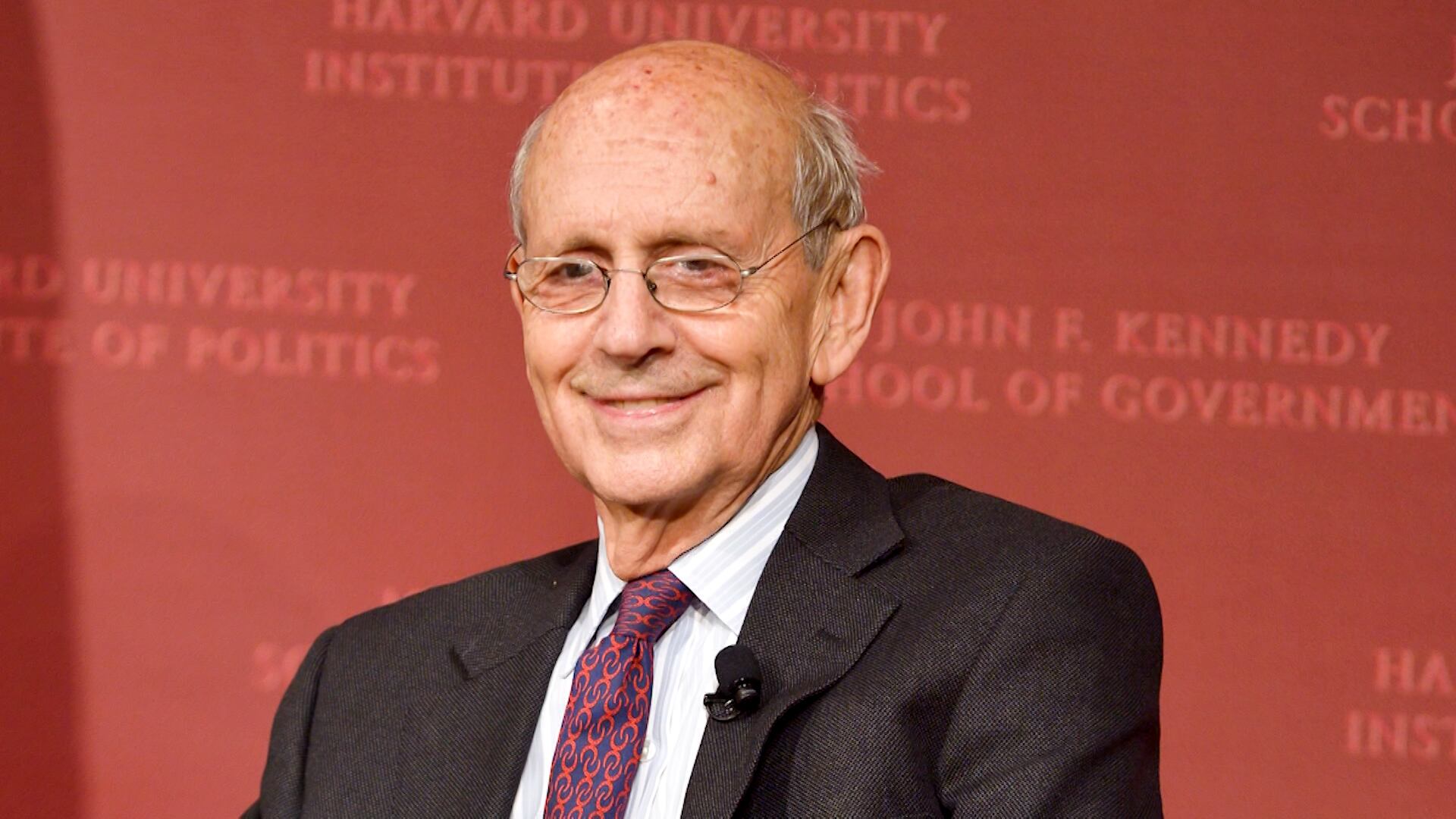
Justice Stephen Breyer to Retire
Jessica Mason Pieklo, senior vice president and executive editor of the Rewired News Group and co-host of the podcast. "Boom! Lawyered," joins Cheddar Politics to discuss Justice Stephen Breyer's retirement, legacy and potential replacement on the Supreme Court.
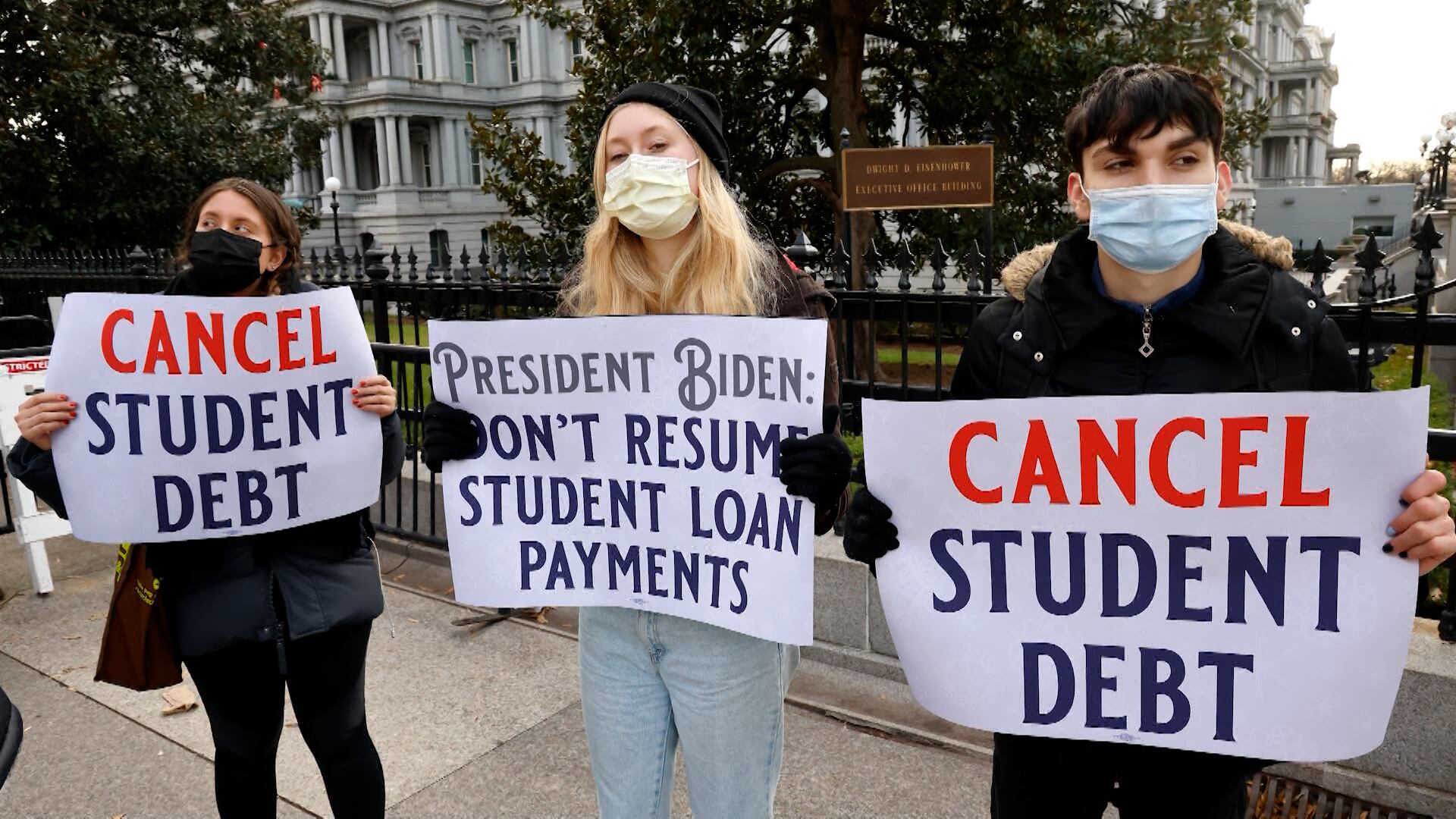
Student Borrowers Anxious for Payments to Resume in May
The Biden administration delivered a temporary win for student loan borrowers this year by extending the moratorium on federal payments for a few more months. That moratorium is coming to an end on May 1st and borrowers will again have their monthly loan payment plopped in their lap. Stephanie Vanderslice, a creative writing professor paying off debt through the Parent Plus program, and Mike Pierce, executive director of the Student Borrower Protection Center, join Cheddar Politics to discuss.
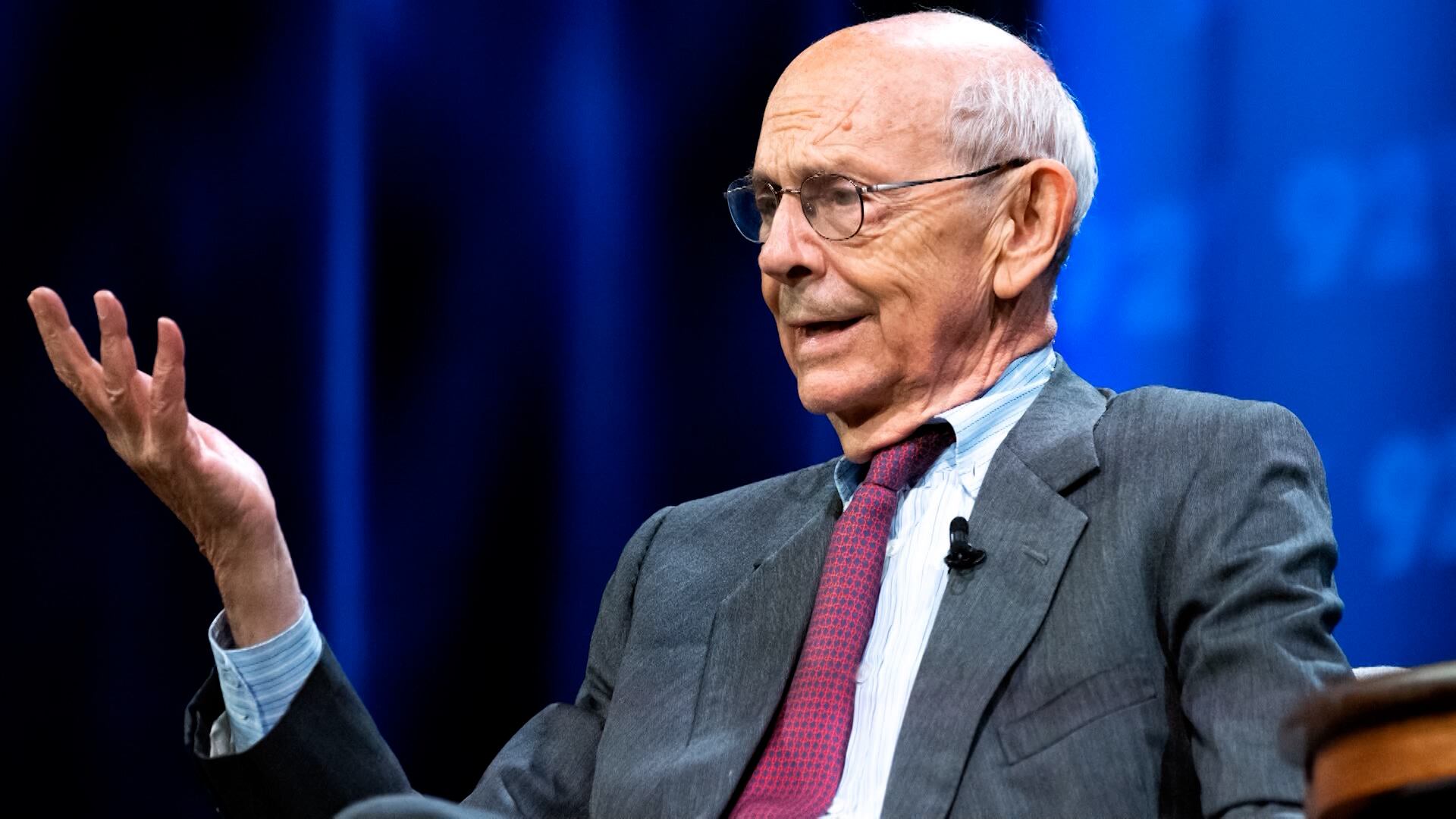
The Legacy of Justice Stephen Breyer
2022 was already going to be a big year for the Supreme Court. We have decisions on major issues like abortion and gun rights on the way. Then, Justice Stephen Breyer announced his retirement and that set up a major confirmation fight for later this year. Amy Howe, co-founder of SCOTUSblog, joins Cheddar Politics to discuss.
White House Economic Adviser on January Job Growth, Wages vs. Inflation
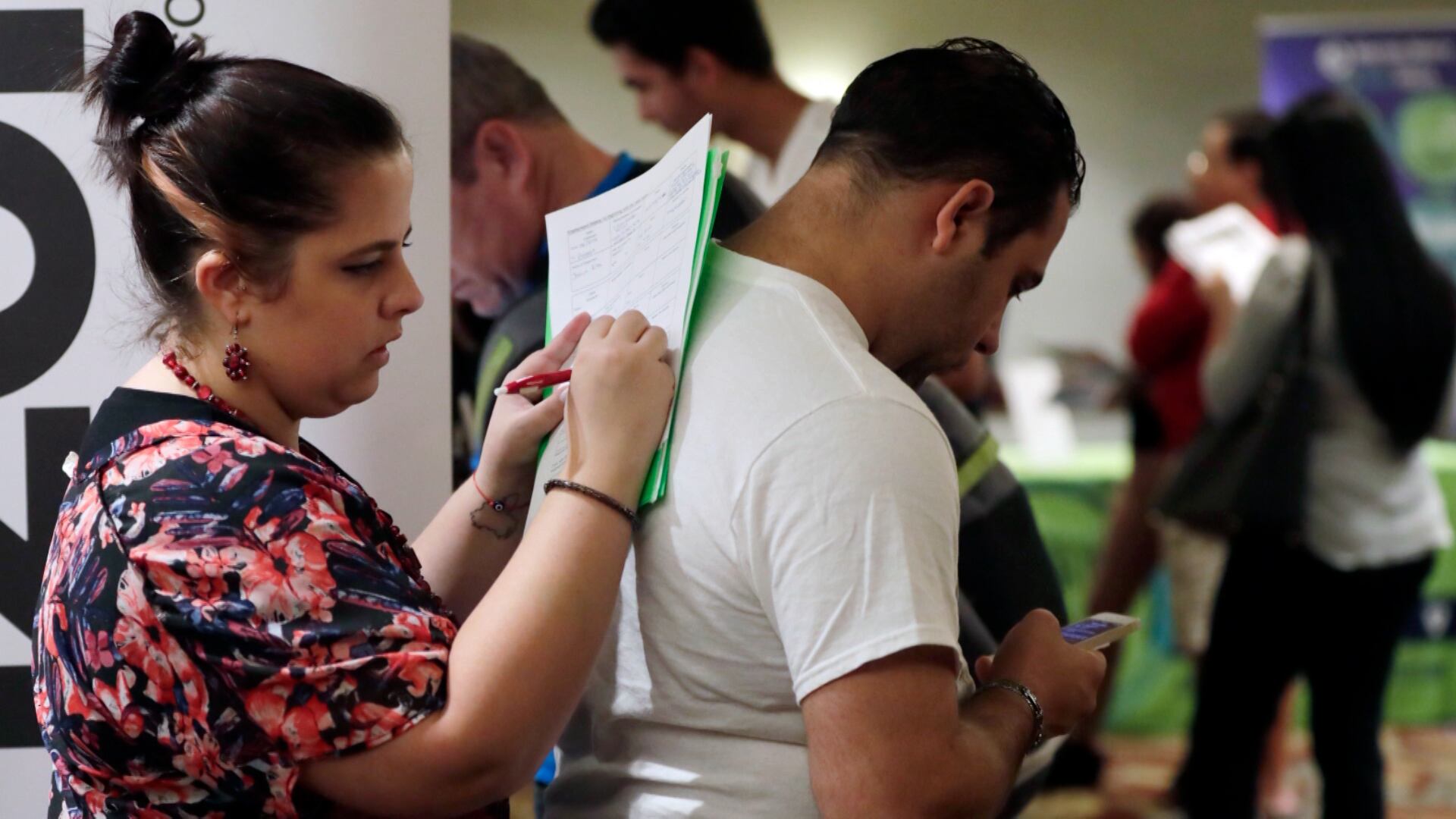
The Labor Department released a better-than-expected report of 467,000 jobs added in January. Heather Boushey, Council of Economic Advisers Member for President Biden, joined Cheddar to tout the administration's handling of the economy amid the pandemic and the upward revisions for the previous month. "It also shows that, because of the revisions, the economy was stronger over the past couple of months," she said. "I don't think that this can be said enough, but economic forecasting during an historic pandemic is extremely difficult." Boushey also addressed issues involving wage growth versus the rapid rise of inflation.
'Stellar' January Jobs Report Shows Much Ground Recovered Since Start of Pandemic
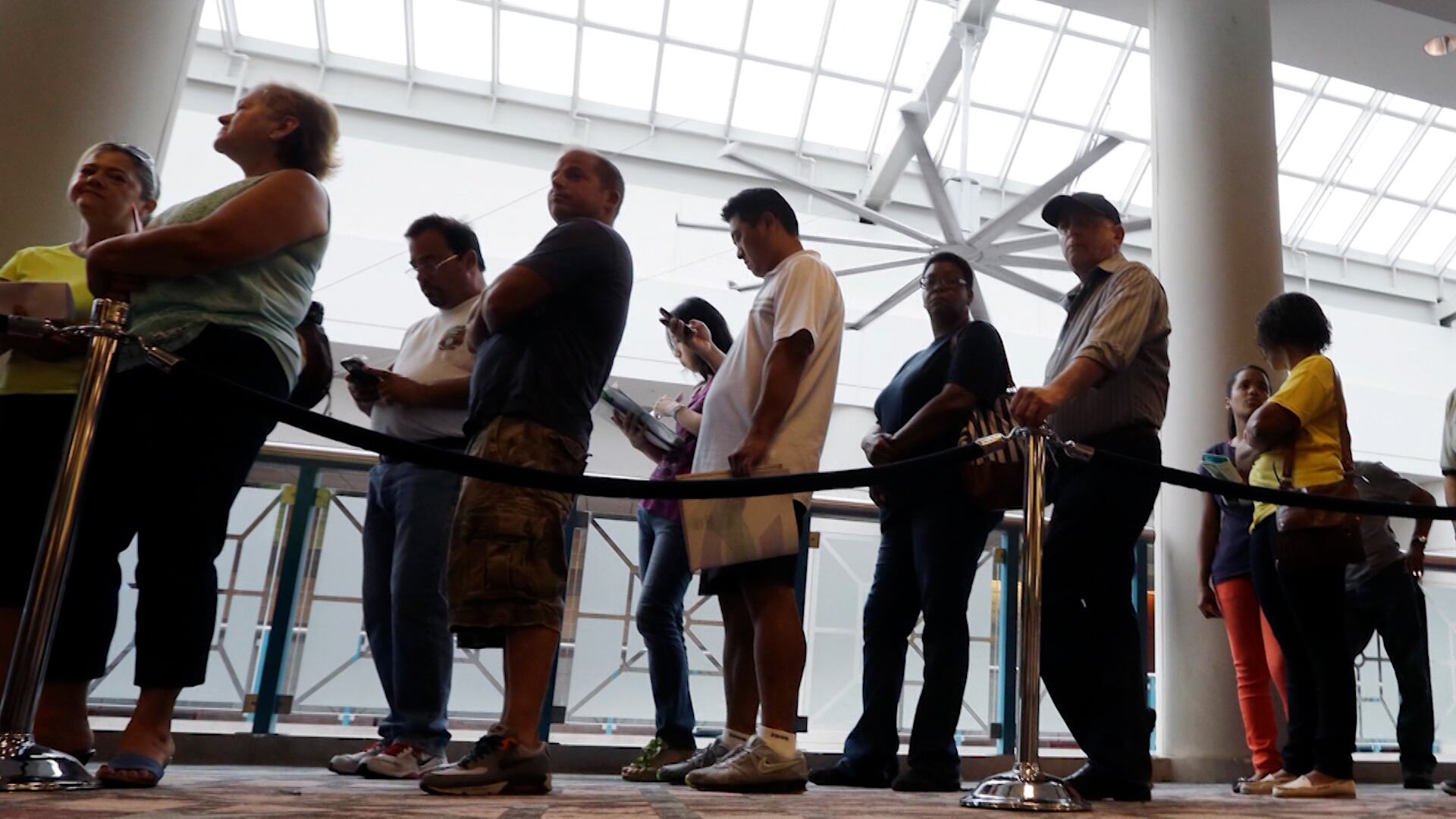
The Labor Department's January jobs report showed 467,000 jobs were added, compared to the 150,000 that were projected, a sign that employment is continuign to return to pre-pandemic levels. Lindsey Piegza, chief economist at investment bank Stifel, joined Cheddar to break down the report, noting the big gains but adding a note of caution. "Remember, even with this morning's stellar report, we're still millions below that level that we had reached prior to the onset of COVID-19," she said." Yes, we are recapturing jobs. We still have further ground that needs to be made before we can talk about reaching that previous peak." Piegza also discussed the role of the Federal Reserve going forward as the employment figures turn more positive.
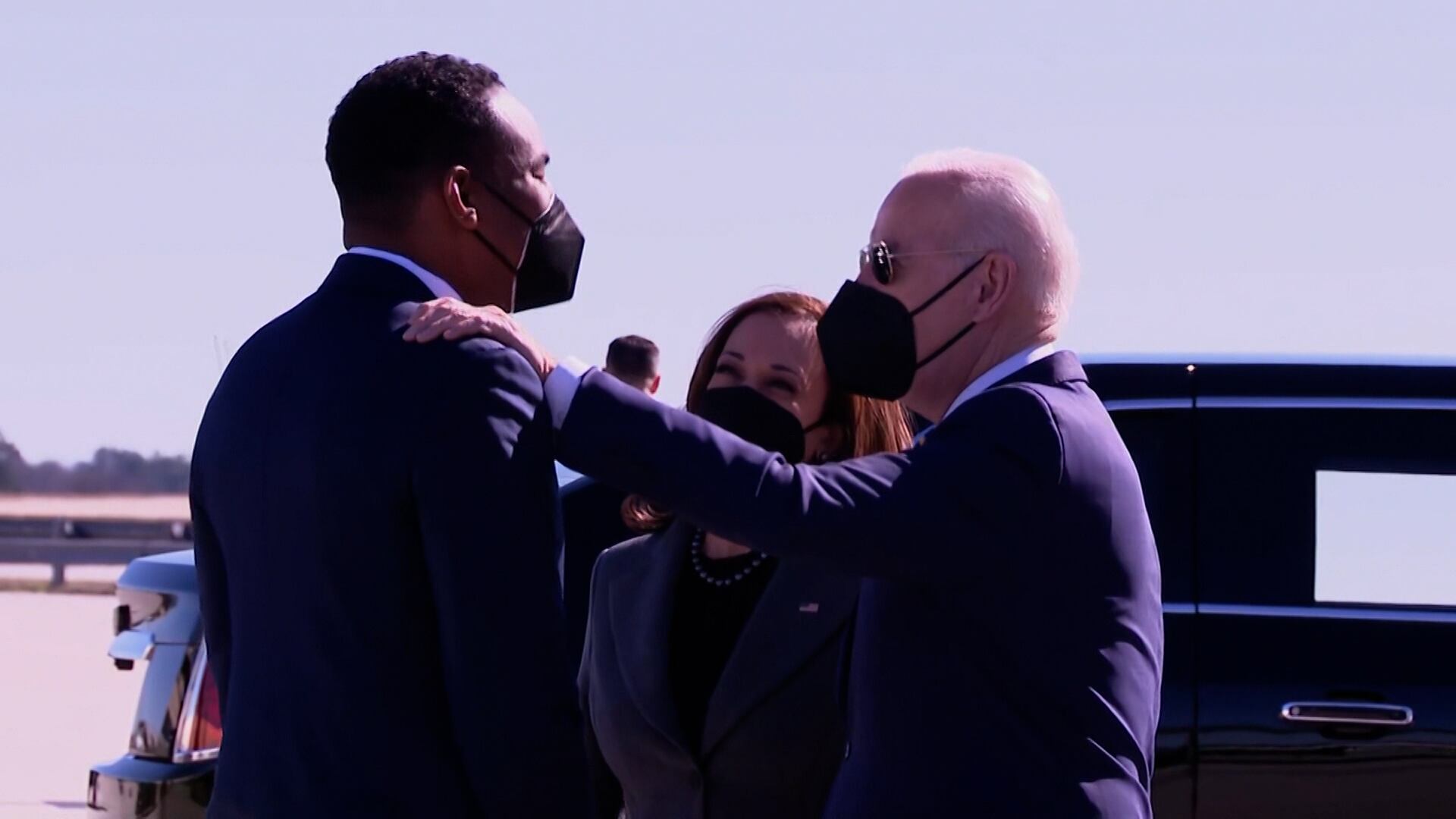
Rep. Ayanna Pressley Wants Biden to Deliver Legislation, Student Debt Relief for Black Voters
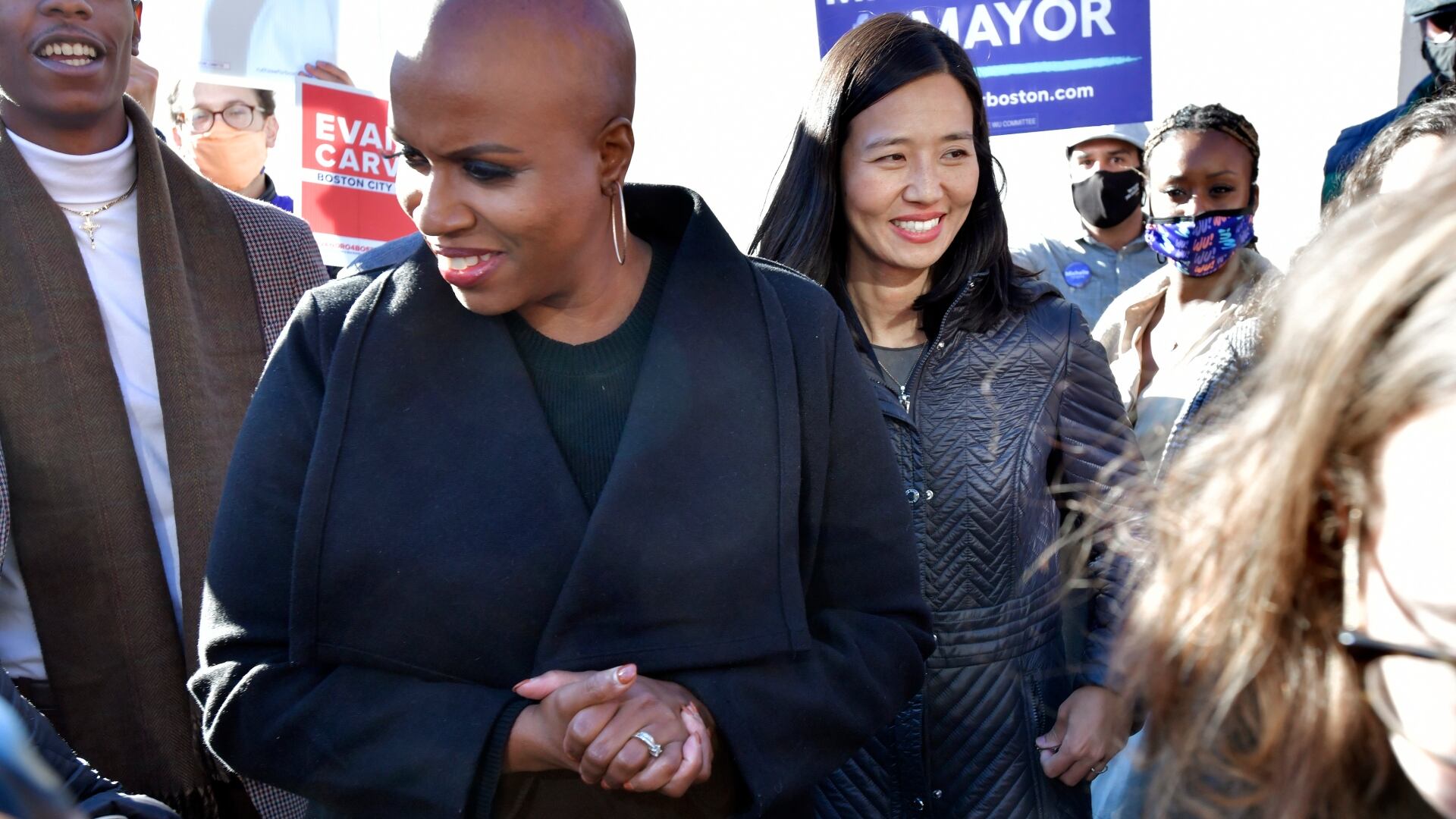
As President Biden's poll numbers fall with Black voters, Rep. Ayanna Pressley (D-Mass. 7th District) joined Cheddar to discuss what she feels could help the embattled administration: deliver on policies. Pressley pointed to stalled legislation such as new voting rights laws and Build Back Betters and canceling student loan debt, which would go a long way to improving his standing with Black constituents. "President Biden has the authority and the power to alleviate this burden, which would also help in closing the racial wealth gap, and he can do it by executive action with the stroke of a pen," she said. "And it doesn't require one vote from Congress. So, the Biden administration just needs to deliver to Black America in a tangible and impactful way."
Load More