Tishaura Jones, currently treasurer of St. Louis, Missouri, defeated Alderman Cara Spencer in Tuesday's mayoral race with more than 50 percent of the vote. The mayor-elect told Cheddar that her first priorities will be to continue mass vaccination efforts and to address the persistent public safety issue that plagues the city.
"St. Louis, unfortunately, just had its most violent year on record in 2020 with over 260 murders by gun violence, and also, we are tops in the nation per capita for police-involved shootings, and so we need to totally transform our public safety department, declare gun violence as a public health crisis, which addresses the root causes, and brings everyone to the table," Jones said.
She also noted the importance of continuing to provide financial support to the community as the country works through the coronavirus pandemic. She said $500 million in federal aid was granted to the city, and those funds will be used to help families cover rent and mortgage expenses.
Small businesses are also eligible for help, Jones added.
"We had several town halls during the election, and we want to continue those conversations with our small business owners, not only just to make sure that they get back on their feet but also to expand opportunities for people who want to open businesses," she said.
"We want to be helpful and provide the tools and resources that they need as well as technical assistance and to make sure that we create an economy where people not just survive but thrive."
Jones is slated to be sworn in on April 20, when she will then join two other prominent Black Americans, Comptroller Darlene Green and President of the Board of Aldermen Lewis Reed, the three offices that control St. Louis' top fiscal body called the Board of Estimate and Apportionment. Once Jones is sworn in, it will be the first time in the city's history that the board will be headed by three Black Americans.
"I'm excited to serve with two people that I have respected for decades. Comptroller Darlene Green has a ton of institutional knowledge and as current treasurer, I'm a member of the department of finance so I've had an opportunity over the last eight years to really learn from her and get some wisdom from her as we lead, together, our city's finances," Jones said.
"And President Lewis Reed and I were friends for decades as well. We used to work together before we got into politics, and so I look forward to serving with both of them and developing solutions, short and long term, to move our city forward."
When it comes to transitioning into the role of mayor, Jones said she's learned a number of things since she began working for St. Louis, which includes having patience when it comes to the speed at which city government operates, not airing closed-door disagreements in the public, and being compassionate while still enforcing the law.
Add FIFA to the list of organizations announcing a break with Russia. The world soccer authority has suspended the nation from competing in the 2022 World Cup tournament, while the NHL also announced suspending business relations with Russia. Executive editor and senior writer at Sports Illustrated, Jon Wertheim, joined Cheddar News to discuss the rebukes. "I think a big element of this is, this is a way to really hit at Putin because we know how much this appearance of strength and the victory… often portrayed through sports, how much that means to him," he said. "This will bother him in a way that it might not bother other world leaders."
Prices at the pump have escalated severely during the Russian invasion of Ukraine. Paul Christopher, head of global market strategy, Wells Fargo Investment Institute, joined Cheddar News to explain how he sees the gas prices continuing to spiral despite the International Energy Agency announcing the release of 60 million barrels of oil from the strategic reserves of 31 countries. "We think you could see oil and gas prices continue to rise. Oil prices maybe could hit $140 a barrel. That's possible. And that would add another 50-60 cents on top of the gasoline prices you already have," he said.
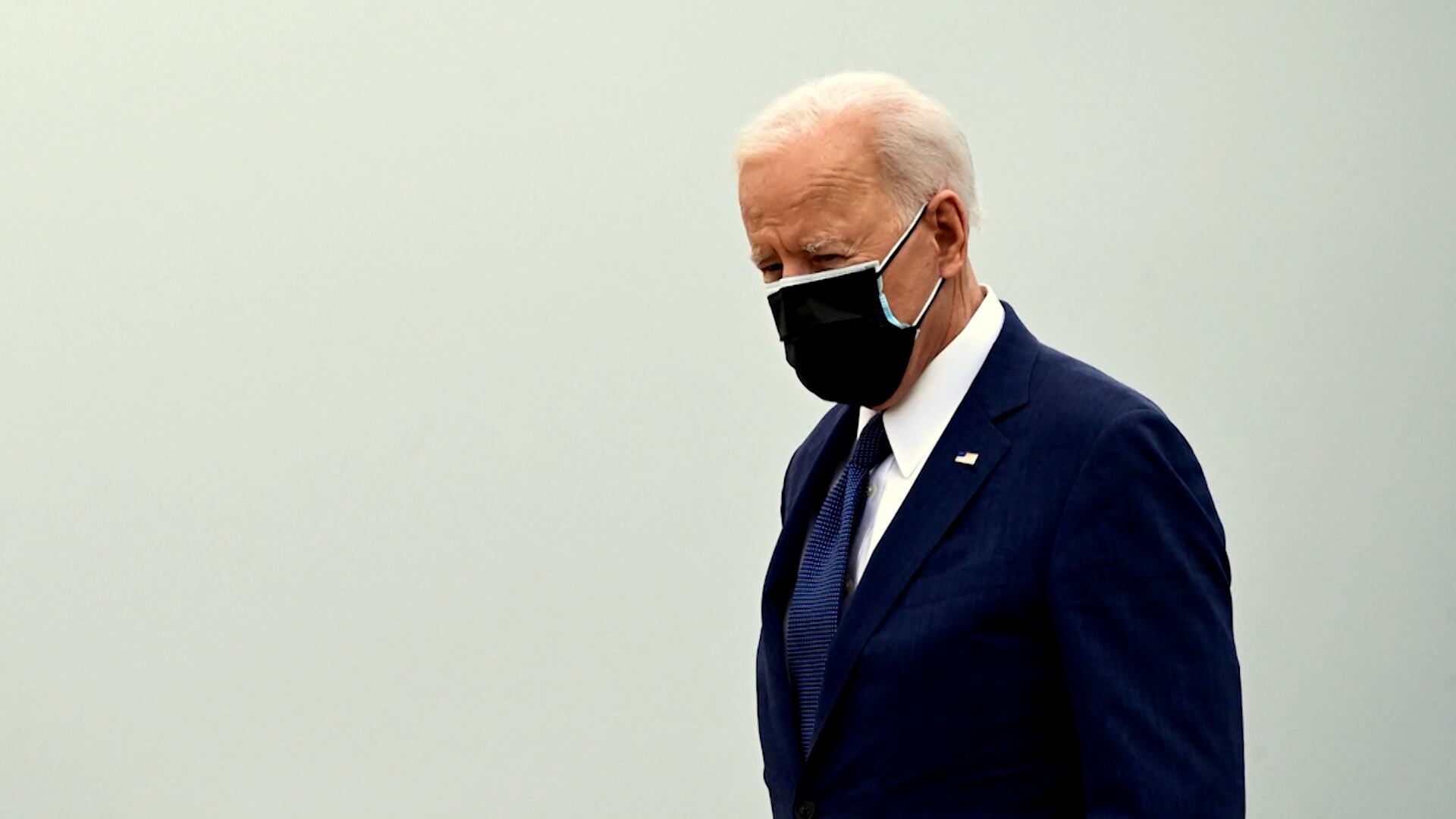
President Joe Biden is set to give his first State of the Union address amid both international and domestic crises: the Russia-Ukraine conflict and continued rising inflation and economic worries at home. He's expected to focus on a four-point plan to reduce everyday costs, and promote economic competition, among other key tenets. But will it be enough to persuade Americans that his administration will be able to get rising prices and foreign policy moves under control? Eugene Scott, national politics reporter at The Washington Post, joins Closing Bell to discuss Biden's expected focus, how he will aim to ease Americans' concerns, and more.
Dr. Daniel Bober, psychiatrist and certified addiction medicine physician, joins Cheddar News to offer tips on how parents and guardians can talk to their children about what's happening in Ukraine.
While crypto exchanges have been used to aid Ukraine amid the Russian invasion, critics point to possible sanction evasion on the Russian side using the same technology. Cheddar's Alex Vuocolo takes a closer look.
Airbnb.org has announced that it will provide up to 100,000 Ukrainian refugees with free housing. Airbnb.org is the philanthropic branch of Airbnb that provides free housing for those affected by disasters. Joe Gebbia, co-founder and chairman of Airbnb.org, joined Cheddar News to talk about how the company has helped thousands find shelter in times of crisis. "A lot of people are saying this conflict is likely to be the largest humanitarian crisis since World War II, and I believe Airbnb believes that companies have a responsibility to step up and to help out in times like these," he said.
The International Energy Agency’s 31 member countries have agreed to release 60 million barrels of oil from their strategic reserves “to send a strong message to oil markets” that supplies won’t fall short after the Russian invasion of Ukraine.
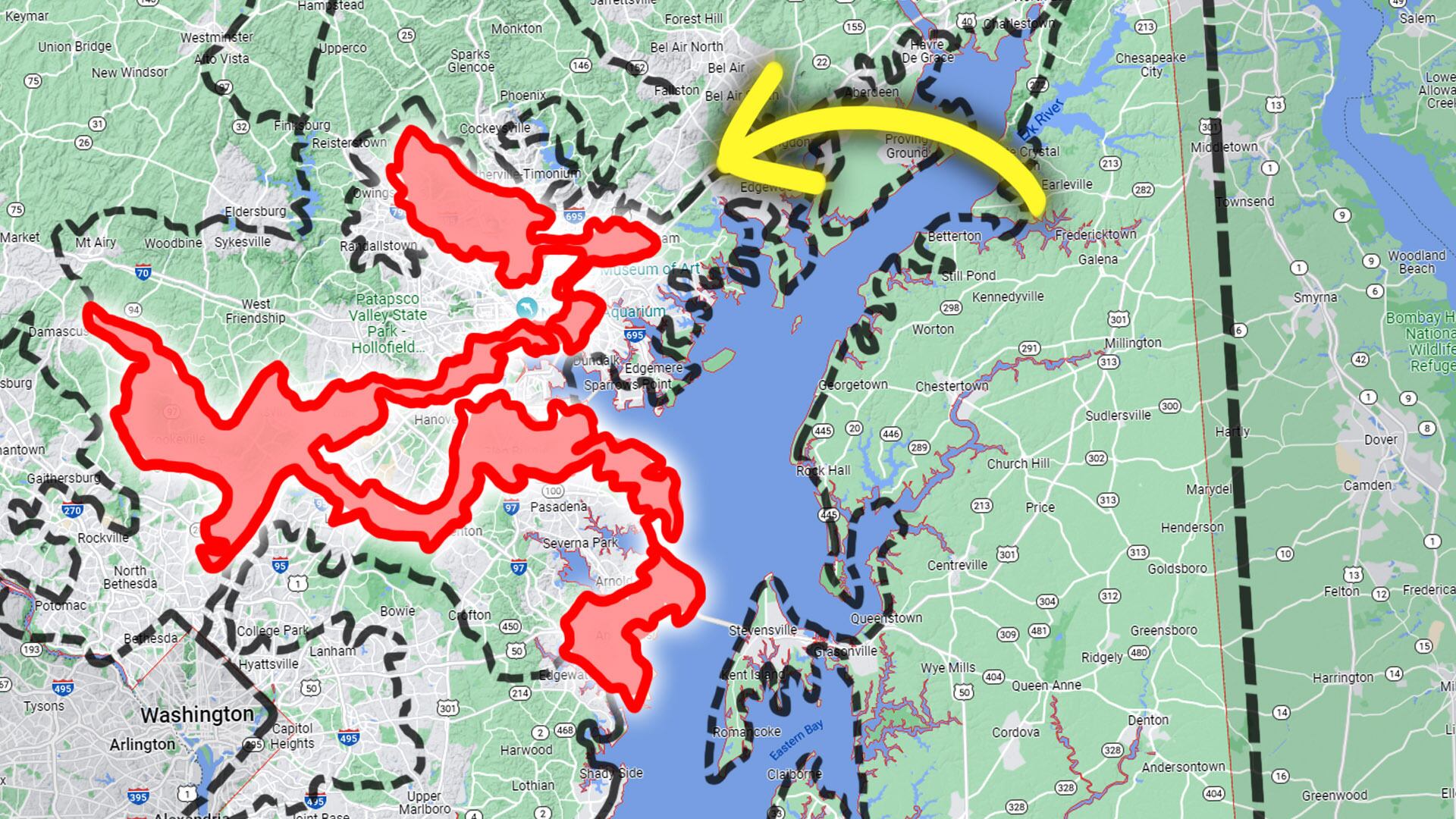
Every ten years, there’s a census. That decennial count is long and tedious and arduous…and important. Because it confirms who lives where so the Federal Government properly allocates resources, so services go to the places that need them most and - yes - so states gain or lose seats in congress and have the opportunity to redraw all their state and Congressional lines.
That means, every 10 years, states start what has famously been one of the most partisan and divisive processes in politics. Because one strategic line can mean the difference in party control in not just the state legislatures but also in congress.
Cheddar explains how gerrymandering works and why it exists.
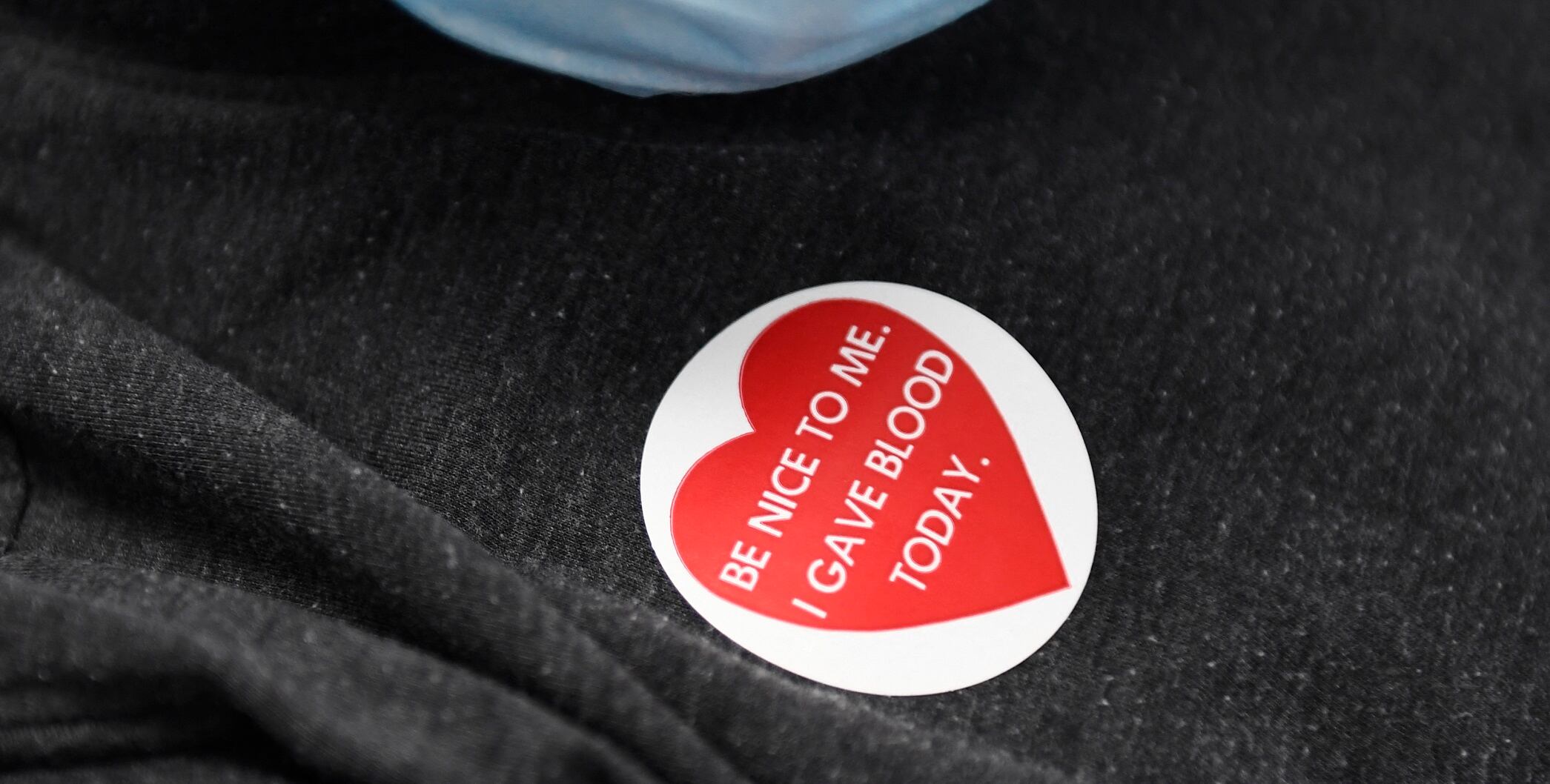
The COVID-19 pandemic disrupted blood donations leading to severe shortages throughout the country. Chloe Aiello reports on the desperate need for new donors.