Sprint's 'Curiosity' Aims to Advance an IoT-Connected World
*By Samantha Errico*
As our world becomes more digital, companies are increasingly turning to the "internet of things" to inform their business practices. One such company is cellphone-service provider Sprint, which recently announced a "Curiosity IoT" platform ー a network designed to turn sensor data into "actionable intelligence," according to the chief of products and solutions at the IoT division, Ricky Singh.
Although the project is still in its early stages, Singh hopes that this core network will "create an intrinsic part of the ecosystem that helps bring solutions to bear that do impact our lives positively."
The internet of things, Singh told Cheddar, is enabling smart homes and smart buildings to be safer and more efficient. For example, IoT sensors can send users a phone notification when a person arrives at office ー those censors can also dim the lights when that user leaves a common area in his or her office building.
On a fundamental level, Singh said, IoT aims to create new experiences and services for guests, up the levels of efficiency for building owners, and reinforce safety and security for tenants.
"We're seeing traditional work spaces being evolved in more collaborative fashions ー you go there to interact with your co-workers rather than sit at a desk and work," Singh said. "And for the gig economy specifically, we're seeing the rise of companies like WeWork that provide co-sharing spaces that are all sort of powered in many ways by IoT. "
"Digitization of everything has really impacted what going into the office or building means for us," Singh said.
Kim Grauer, Director of Research for Chainalysis, joins Cheddar News' Closing Bell, where she breaks down her recent study and says while scammers took a record $14 billion in crypto in 2021, the share of overall activity of those events are at an all-time low.
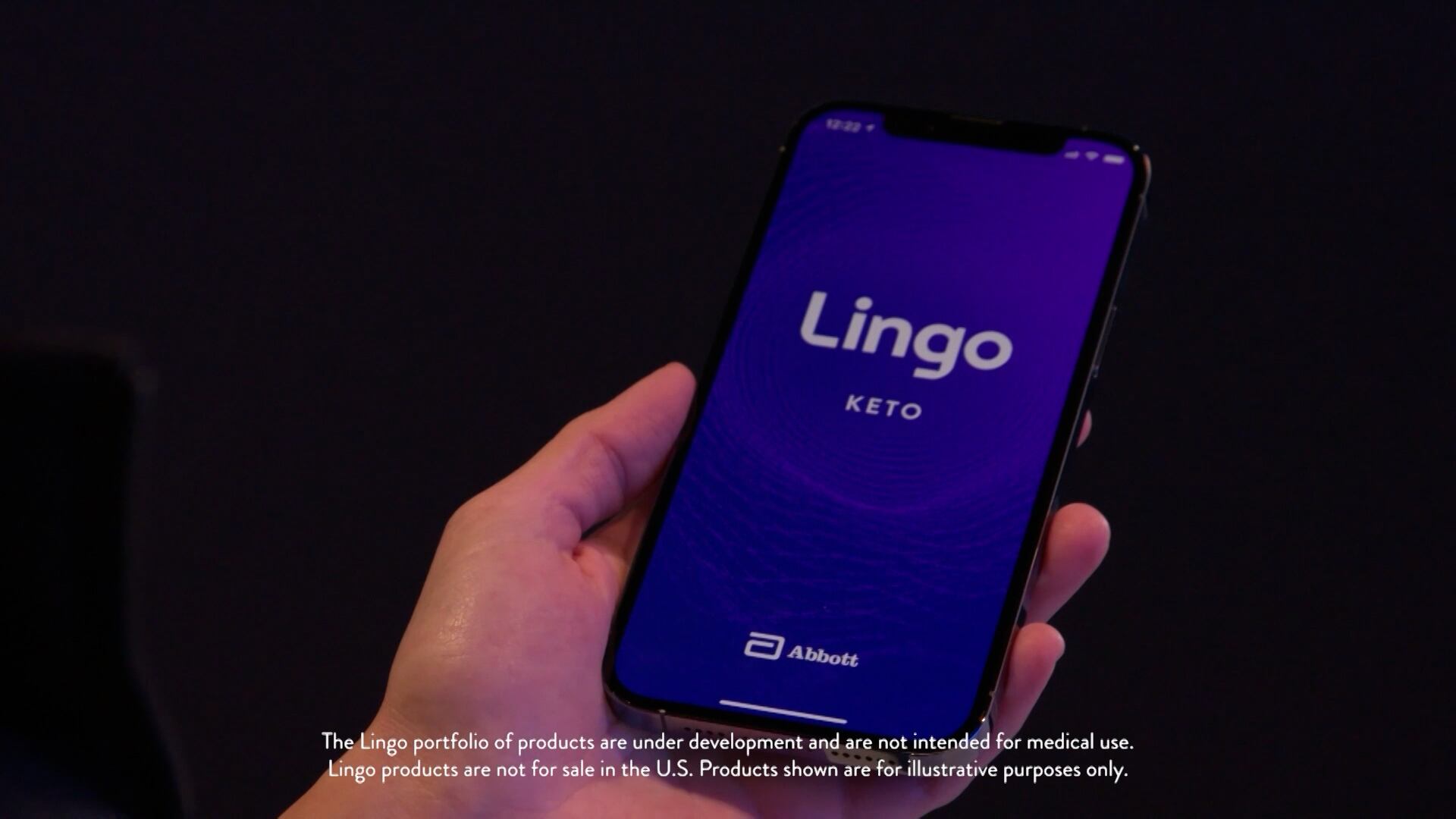
Jared Watkin, senior vice president, diabetes care, at Abbott Laboratories, joined Michelle Castillo from the CES 2022 floor to discuss the future of health tech, including Abbott's consumer-facing biowearable called Lingo. The accessory is supposed to send real-time biomarker information like glucose or ketone levels to the Lingo app for the wearer to review. "The idea is that it's a window into your body," Watkin said. "It gives you insight into what's going on in your body and the certain circumstances that you otherwise wouldn't be able to have."
Aaron Jefferson, VP of product at Luminar, joined Cheddar to discuss partnering with automaker Volvo to bring its LIDAR (light detection and ranging) tech into autonomous cars capable of safely driving on the highway. While companies like Tesla have come under fire due to safety issues with its self-driving technology, Jefferson noted how his company's tech differs. "Our LIDAR, its iris sensor that's really set for production, is able to sense, understand, and give the vehicle confidence to react accordingly such that you don't have these same types of issues," he said. The Ride Pilot technology in Volvo vehicles will be rolled out in California following safety testing.
The fintech app backed by billionaire Mark Cuban called Dave made its public debut on the Nasdaq Thursday via a SPAC merger. CEO and co-founder Jason Wilk spoke to Cheddar's Kristen Scholer about the IPO and how his company's services distinguish it from traditional banks. "Customers come to us because they're tired of paying $20 billion of overdraft fees, and they come to Dave, they download our app, and within minutes they can get access to $250 of no interest credit, which we give them through our own proprietary machine learning model," he told Cheddar.
Stephanie Linnartz, president of Marriott International, joined Cheddar's "Closing Bell" to talk about the launch of the Marriott Design Lab, a new facility within its Bethesda, Maryland, headquarters to explore innovative tech offerings for bolstering the guest experience. "It's all around figuring out how we can innovate in the guest room in the public space, looking at how we can use robotics, improve sustainability, etcetera," she said. Some short-term changes in the future Linnartz also noted is an expansion of the chain's mobile capabilities to make check-in and check-out an easier process for guests, as well as mobile room service, from the feedback it received during the pandemic.
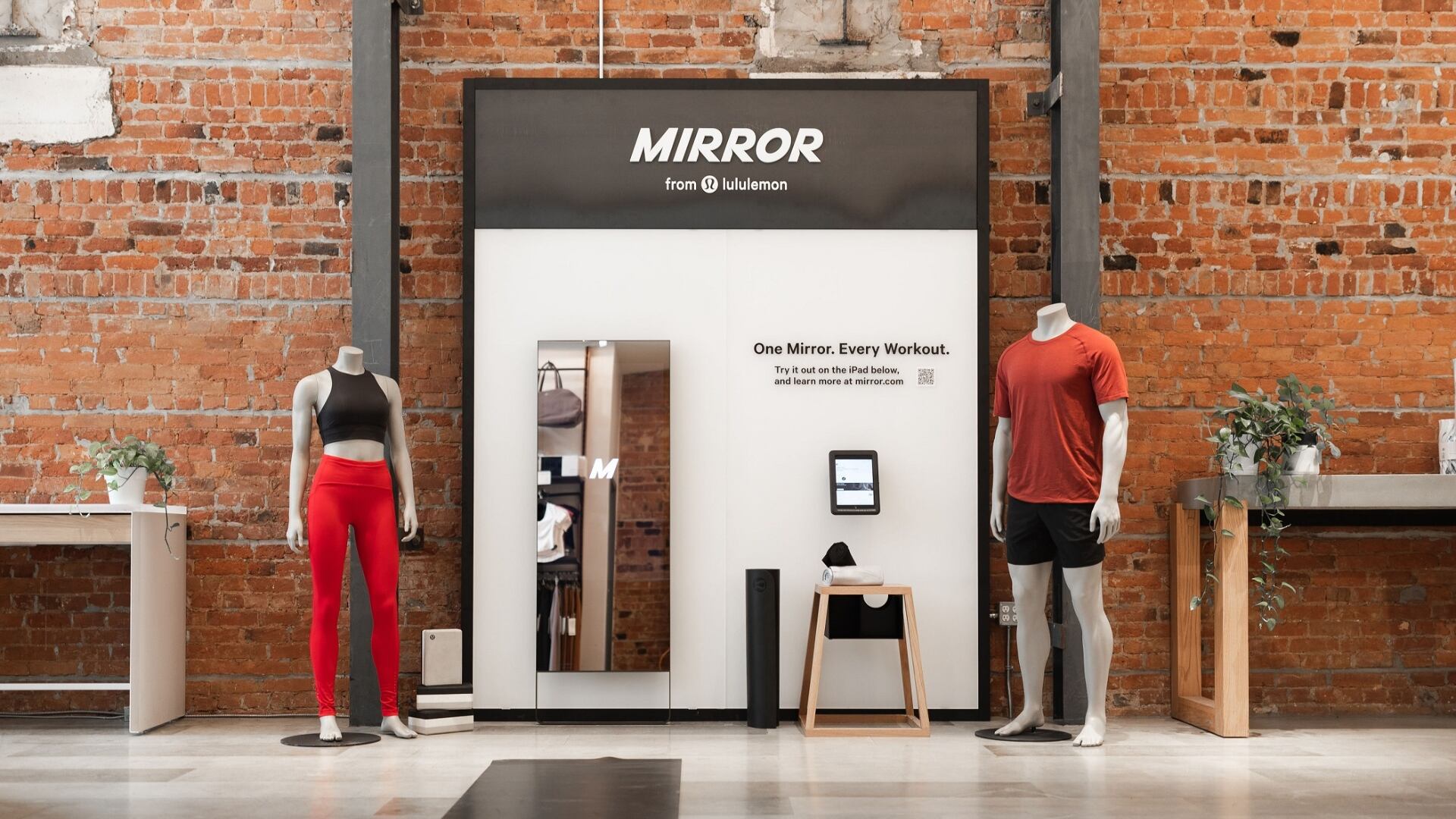
Nike has initiated a lawsuit against athletic apparel retailer and competitor Lululemon over claims of patent infringement. The sneaker giant is claiming the technology in their rival's MIRROR home gym was patented back in 1983.
Adi Robertson, senior reporter at The Verge, joins Cheddar News to break down the battle between two NFT collections by Phunky Ape Yacht Club and PHAYC that are selling plagiarized Bored Ape Yacht Club designs.
Dan Diasio, EY Global Artificial Intelligence Consulting Leader, joins Cheddar News to discuss the role of artificial intelligence for everyday consumers, what hurdles are holding back for greater A.I. adoption, and advice for businesses using this emerging tech.
On this episode of Cheddar Innovates: Founder of Unlimited Tomorrow breaks down how he is creating completely 3D printed prosthetics to make them more affordable, customizable, and accessible; Chief Technology Officer of Zebra Technologies explains what the future of collaboration between robots and humans may look like; A look at Curiosity Stream's 'Mystery of the Roman Skulls.'