Sprint's 'Curiosity' Aims to Advance an IoT-Connected World
*By Samantha Errico*
As our world becomes more digital, companies are increasingly turning to the "internet of things" to inform their business practices. One such company is cellphone-service provider Sprint, which recently announced a "Curiosity IoT" platform ー a network designed to turn sensor data into "actionable intelligence," according to the chief of products and solutions at the IoT division, Ricky Singh.
Although the project is still in its early stages, Singh hopes that this core network will "create an intrinsic part of the ecosystem that helps bring solutions to bear that do impact our lives positively."
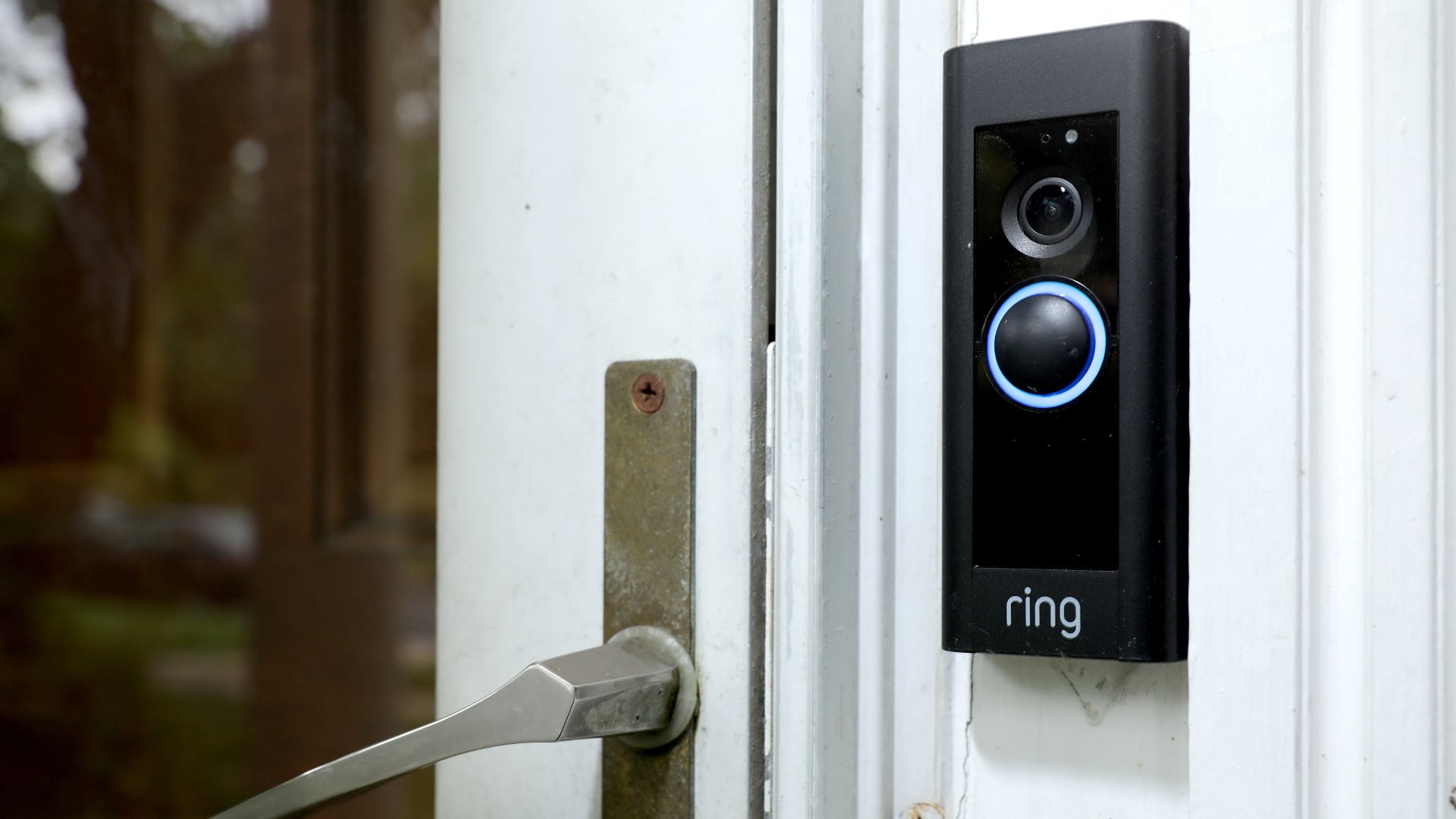
The internet of things, Singh told Cheddar, is enabling smart homes and smart buildings to be safer and more efficient. For example, IoT sensors can send users a phone notification when a person arrives at office ー those censors can also dim the lights when that user leaves a common area in his or her office building.
On a fundamental level, Singh said, IoT aims to create new experiences and services for guests, up the levels of efficiency for building owners, and reinforce safety and security for tenants.
"We're seeing traditional work spaces being evolved in more collaborative fashions ー you go there to interact with your co-workers rather than sit at a desk and work," Singh said. "And for the gig economy specifically, we're seeing the rise of companies like WeWork that provide co-sharing spaces that are all sort of powered in many ways by IoT. "
"Digitization of everything has really impacted what going into the office or building means for us," Singh said.
Elon Musk announced that he expects Starship to reach orbit in 2022. The SpaceX CEO delivered updates about the largest space vehicle to be constructed from its Texas facility. Jim Cantrell, CEO and co-founder at Phantom Space, joined Cheddar News to talk about the future of Starship. "I've always done wrong by betting against Elon," he said. "The one thing that I find very curious is it launches 100 metric tons into space, and last year, in the entire year, we launched 750. So, you know, with about seven launches, he could launch every satellite on Earth."
Sheri Bachstein, CEO of The Weather Company and GM of IBM Watson Advertising, joins ChedHER to discuss her successes in this role, and how she's helping women thrive in the c-suite.
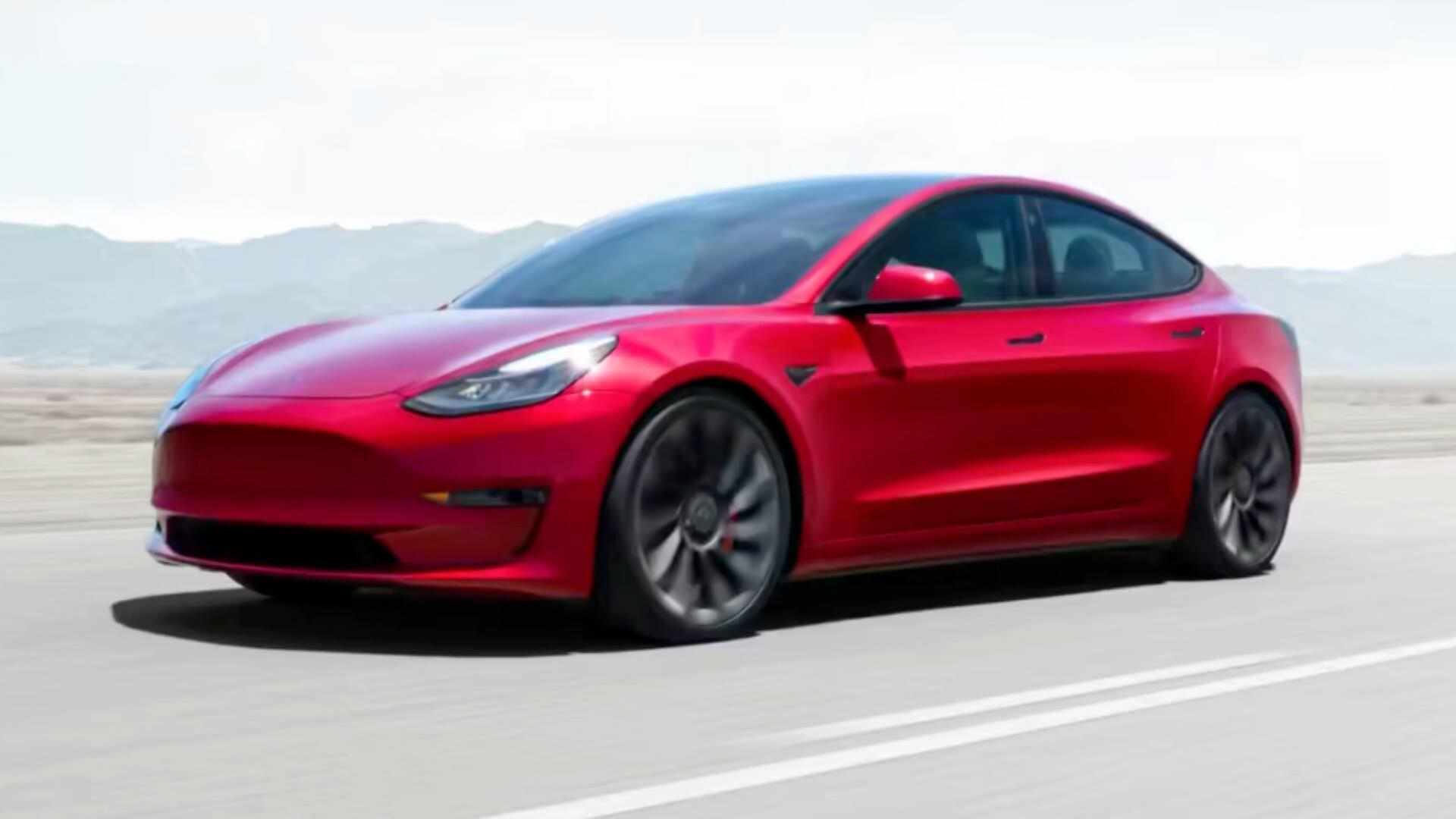
Amid a string of recalls for their electric cars, Tesla is also facing a lawsuit over workplace discrimination. The electric automaker is being accused by California’s Department of Fair Employment and Housing of a pattern of racial discrimination against Black workers. Caleb Silver, Editor-in-Chief at Investopedia, joined Cheddar News to discuss the numerous technical and safety issues that led to the recalls and the allegations of systemic racist abuse at its Fremont plant. "Tesla disputes these claims, but still you can’t avoid the pattern," he said.
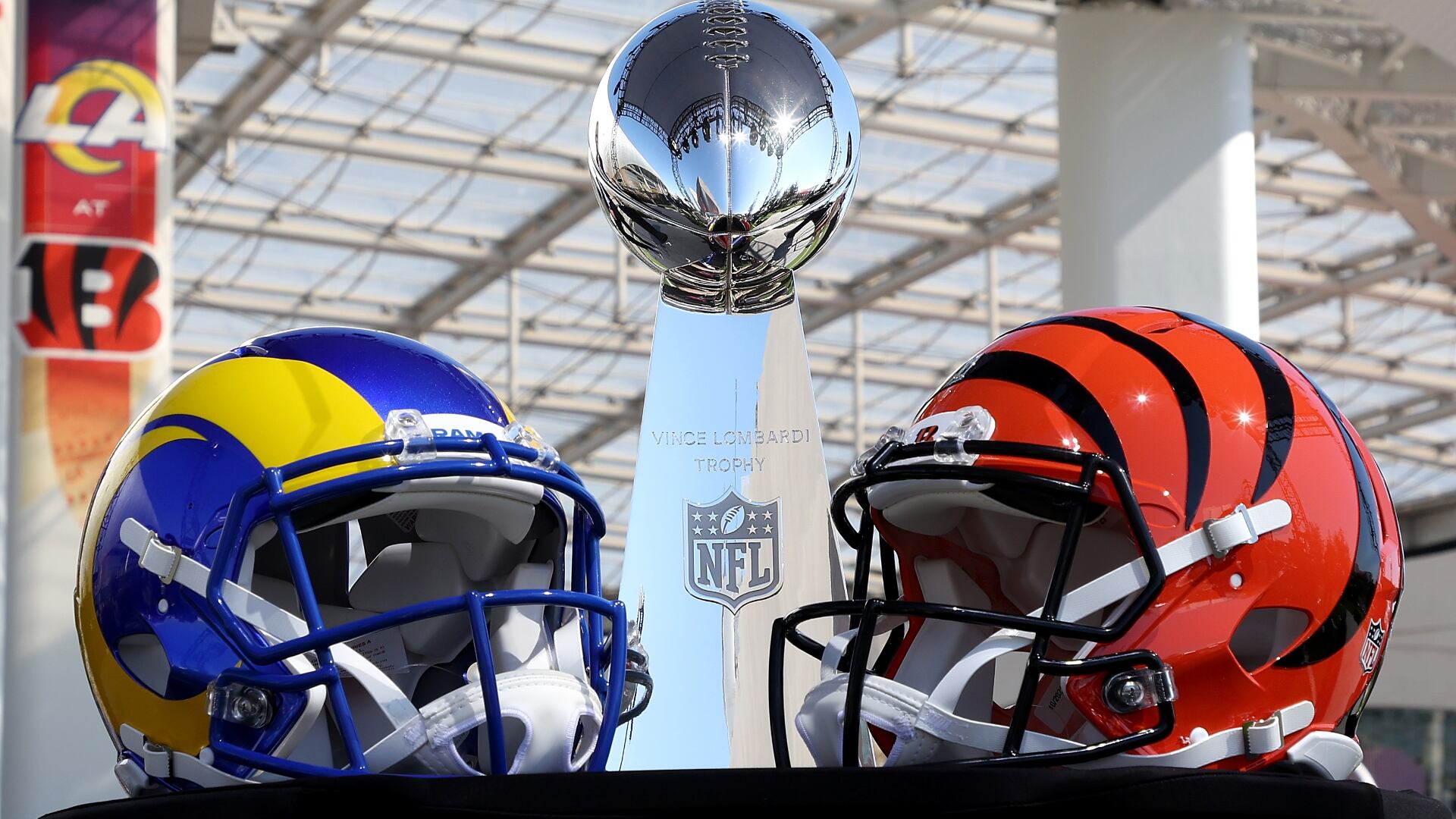
The Super Bowl is only a few days away, and the game is currently tracking to be the most expensive one ever.
Gametime, a website and app for last-minute tickets, says the average ticket price for the NFL's championship game is $9,502.50, with the most expensive seats costing nearly $38,000. That's a far cry away from the average ticket price of the first-ever Super Bowl in 1967, which was only $12. The average ticket price increased by more than $8,000 in just the past decade. Matt Rados, Senior Operations Manager at Gametime, joins Cheddar News' Closing Bell to discuss.