Spotify reported its first quarterly earnings since going public last month, and its stock quickly took a nosedive Wednesday in after-hours trading.
Shares of the music streaming service fell about 8 percent after investors were seemingly disappointed by the company's outlook.
Spotify met most expectations: 170 million monthly active users and 75 million paid subscribers. Revenue was right in line with expectations at around $1.34 billion.
However, guidance for the current quarter was uninspiring. Revenue growth looks flat-ish, projected to be between $1.3 billion to $1.6 billion. (Thomson Reuters estimated less than $1.6 billion.) And Spotify is still losing money ー more than $200 million last quarter, though that's less than the previous quarter.
Not everyone is disappointed in Spotify. Mike Vorhaus, the president of Magid Advisors, said he was impressed by the company's performance in a crowded, competitive market.
"When you are competing successfully with names like Apple and Amazon, and you continue to grow, that's a very very good sign," he said in an interview Wednesday with Cheddar.
Vorhaus said Spotify has great potential, and the company already has a critical mass of reliable customers and two strong business models.
"As advertising increases in the mobile world, that is going to be big for Spotify as well," he said.
Spotify (announced a mobile redesign) [https://mashable.com/2018/04/24/spotify-mobile-app-redesign-free-tier-on-demand-playlists/#wiPqtX_toqqb] last week that has users and tech fans buzzing. The new app is purportedly faster and will make it easier for non-paying users to access specific songs from playlists. There will also be a new "Data Saver" mode that will help users reduce their data usage by up to 75 percent when using 3G.
For the full segment, [click here](https://cheddar.com/videos/spotify-reports-for-the-first-time-and-tesla-reports-less-of-a-loss-than-expected).
Recent internal documents obtained by the New York Times reveal how exactly TikTok's algorithm works. The report highlights how the app is mainly focused on retaining two metrics which are retention and time spent. In addition, the document titled, "TikTok Algo 101" details how the algorithm understands human nature from when we get bored to our sensitivity and culture ques. It means the app monitors will kind of videos you like. Professor of Computer Science at the University of California in San Diego Julian McCauley, joined Cheddar to discuss more.
Carlo and Baker discuss the sweeping new vaccine mandate in NYC that will target all private businesses. Plus, Trump's media venture gets its CEO and more.
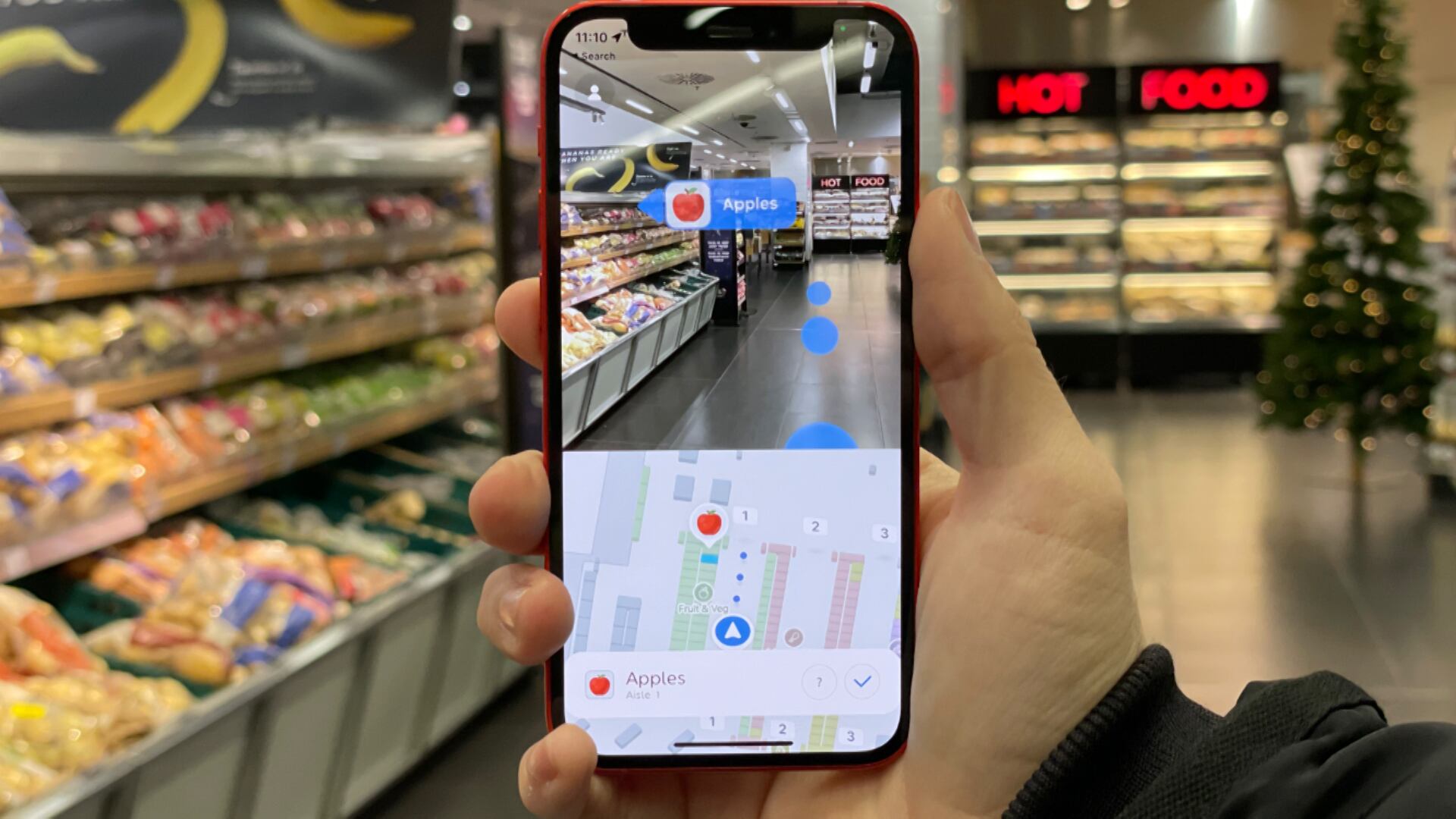
The UK-based augmented reality startup, Dent Reality, raised the equivalent of $3.4 million USD in its most recent funding round. Dent Reality has created an AR app for smartphones that helps shoppers navigate retail locations by providing a layout of a store's aisles, while showing where to find specific items. The company works mainly with grocery stores but aims to integrate its tech with all types of physical spaces. Dent Reality CEO Andrew Hart joins Cheddar News' Closing Bell to discuss.
The world is amidst a skyscraper boom. In 2018, 146 buildings over 650 feet were constructed. That’s more than the total amount of skyscrapers constructed between 1979 and 1999. And all this construction is transforming our cities.
It’s no secret that America’s infrastructure is aging. The average American bridge is 43 years old. 49% of our streets and highways are in poor condition. That’s why rebuilding our roads is near the top of President Biden’s to-do list. But repaving is just surface level, some suggest we need to rethink the structures themselves.
Throughout history, humans have tried their best to predict what the future will look like. Today, it’s fun to look back and laugh at some of the wacky conceptual drawings of “cities of the future”. While the majority of these ideas look silly today, some concepts almost became our reality, if not for a few key shortcoming.
The streaming wars could be peaking as platforms vie for a shrinking pool of new subscribers and services like Disney+ recalibrate their outlooks as the rate of new memberships slows. Jana Arbanas, the U.S. telecom, media, and technology sector leader at Deloitte, joined Cheddar to discuss the 2022 outlook for streaming platforms, expecting more than 150 million people to cancel subscriptions adding to the global churn trend. "People are signing up for a service for a very specific piece of original, compelling content, watching that, perhaps, season of content, dropping that service, and then re-upping the service again when the next season comes out," Arbanas noted.