Spotify may be going public in the biggest tech offering of the year so far, but don’t expect a lot of pomp and circumstance at the NYSE on Tuesday.
That’s just one of the ways in which this listing is not typical. And the Wall Street Journal’s Maureen Farrell says its unprecedented nature could lead to more market volatility than usual.
“The New York Stock Exchange has never done anything like this with a company of this size,” Farrell told Cheddar Monday.
By choosing the direct listing route, the music streaming company removed banks from the picture, meaning there won’t be any underwriters stabilizing the price in case the stock crashes.
Goldman Sachs, Morgan Stanley, and Allen & Co. were brought on just to play advisory roles.
Spotify hasn’t given a range of what price to expect, or even revealed how many shares will be available on day one, creating another layer of uncertainty.
And if all that weren’t enough, there’s also the overall market volatility to contend with. Spotify’s direct listing comes against a backdrop of a major tech sell off last week, with Facebook losing almost $100 billion in market cap. The sector fell sharply to start the second quarter, too, with the tech-heavy Nasdaq dropping 2.7 percent and erasing its gains for the year.
But Farrell says there’s also room for upside.
“What I’ve heard is that there’s been a lot of trading in the private shares and, in that case, it’s been going up,” she said. “The last price they had reported as of mid-March was $132.50…[more recently] the stock has been changing hands about $5 higher than that,” explained Farrell.
There’s also a pretty big appetite among investors for new tech offerings. Dropbox’s strong performance since its IPO last month indicates investors may have a lot of interest in Spotify.
The music streaming company, founded in 2006, could be valued as much as $23.6 billion. In its regulatory filing, it revealed it has 159 million active users, with 71 million of them paying for the service, more than double Apple Music’s subscriber base.
But the company has been suffering heavy losses and predicts it will see slower revenue growth in 2018.
Cheddar will cover the direct listing live from the NYSE all day on Tuesday.
Not only is April Financial Literacy Month, it’s also the kickoff of the spring homebuying season. So now is the time to make sure you have a financial plan in place – and why it might not be wise for that to include buying your first home.
While the U.S. may slowly be on the path to lowering inflation (and therefore interest rates), Europe has thoroughly trounced America, putting it on the path to lower rates by this summer.
April's release of the monthly Housing Starts and Building Permits reports by the Census Bureau provides crucial insights into the construction activity in the housing market. These reports are an economic indicator, shedding light on the current state of the housing market and its broader economic impact.
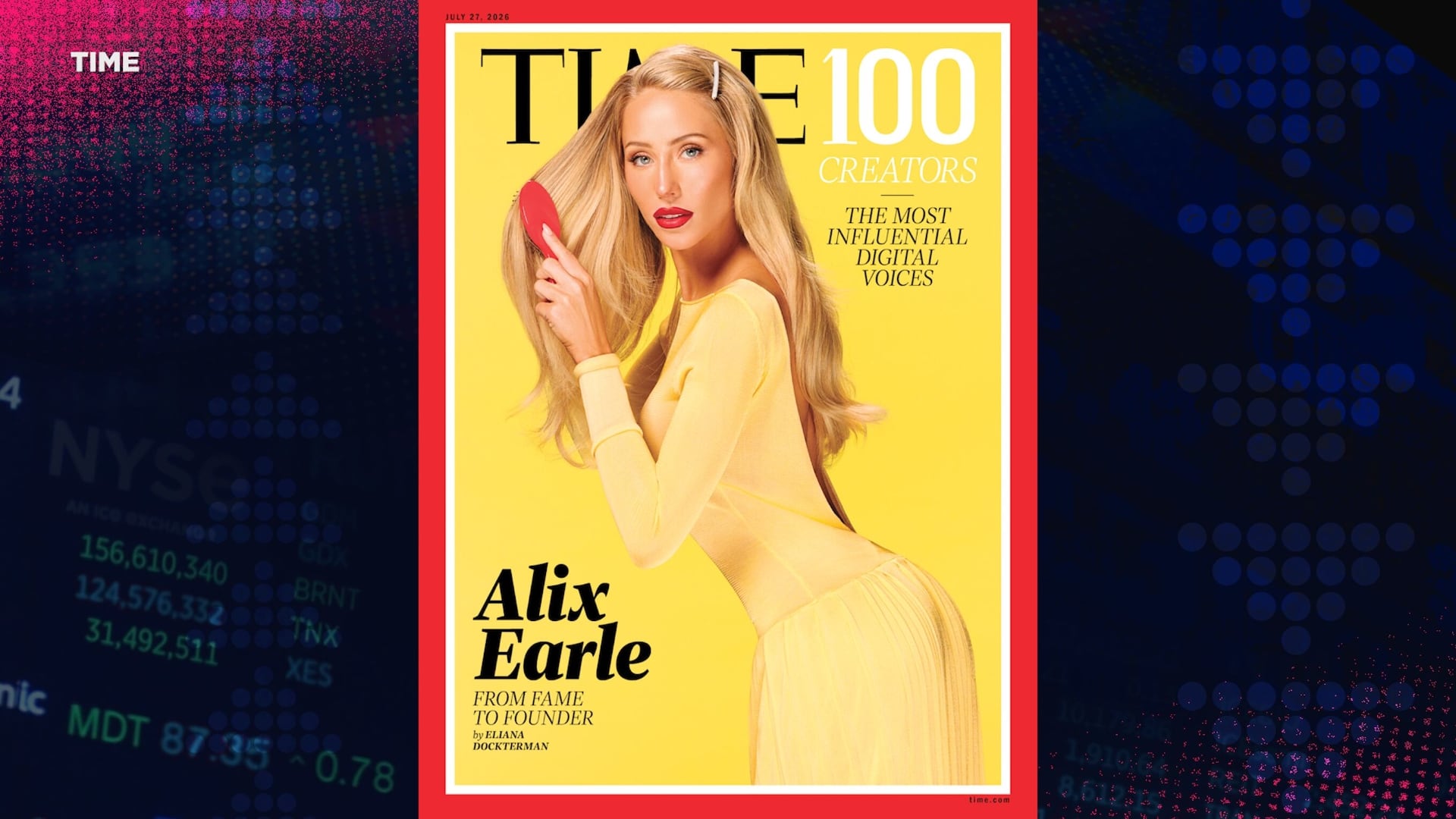
Caitlin Clark is heading to the Indiana Fever, the number one draft pick and the highest-scoring college basketball player of all time. And while she may not be getting millions from the WNBA, there's a few ways she'll net compensation for her generational talents.
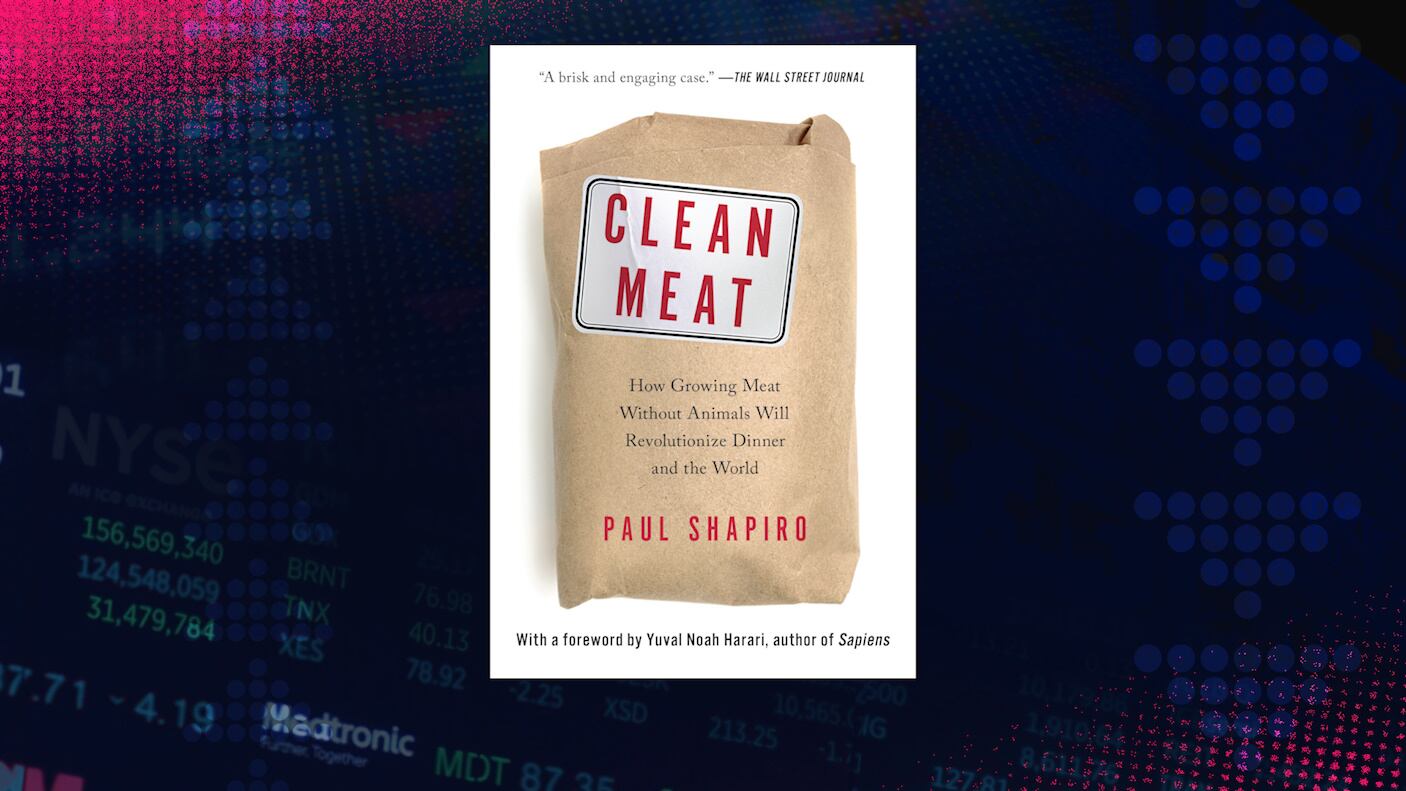
Author of 'Clean Meat,' Paul Shapiro joins Cheddar to discuss how the cellular agricultural revolution helps lower rates of foodborne illness and greatly improves environmental sustainability. Plus, how his company The Better Meat Co. is bringing healthier food options to the table.
Recent headlines might make it sound like World War III is imminent, but when it comes to your finances, it's not the time to panic. The market is coming off its longest winning streak since 2011.
You may have noticed fewer new venture capital-backed startups (like Airbnb or Uber) lately. The market slowed to a crawl after 2021, but things are expected to take off again in 2025.
Corporate earnings season is underway, that time when companies share their billions in sales or double-digit profits. But the data shows even companies are struggling with high inflation and interest rates.
Boeing continues their terrifying trend of having their planes fall apart mid-flight, inflation — checks notes — is still up and the future of AI looks terrifying. Cheery!
Food waste – uneaten scraps or leftovers sent to landfills – is responsible for 10% of global emissions. Mill, a new product from the co-founder of Nest, thinks technology can play a role in eliminating it.