Speaker Ryan's Retirement Is a "Football Captain Quitting Halfway Through"
House Speaker Paul Ryan (R-WI) announced Wednesday he would not seek re-election in November, signaling that Republicans may have a more difficult time maintaining their Congressional majority through the midterm elections.
Ryan’s decision took his Republican colleagues and Democratic opponents by surprise, though he reminded reporters Wednesday he agreed to take up the Speaker’s job in 2015 “reluctantly.”
“I have given this job everything I have,” he said, according to the Associated Press. “We’re going to have a great record to run on.”
Ryan said he decided not to run again to spend more time with his three teenage children, who live in the same Wisconsin town in which Ryan grew up.
He will serve until the end of his term, in January.
His decision not to seek reelection will likely ignite the campaign for his Wisconsin seat and could swell the wave of Republican lawmakers deciding not to run, said Rep. Ruben Gallego (D-AZ).
“When the captain of the football team quits the game halfway through, gives you a good indication of how the rest of the game is going to go,” Gallego told Cheddar. “He knows he’s going to be a minority leader next year.”
“I think Republicans should really be worried about the tsunami that’s coming,” Gallego added.
After Ryan’s announcement, Rep. Dennis Ross (R-FL) announced he would retire after eight terms in the House.
More than 40 Republicans have announced that they won’t run in 2018, either because they’re retiring or seeking other office. Democrats need 24 seats to take back control of the House for the first time since 2011.
Republicans’ chances of maintaining their majority have been hurt by growing voter dissatisfaction and President Trump’s low approval ratings -- around 40 percent in recent polls.
Gallego, who represents Arizona’s 7th district, criticized Trump’s policies, especially his proposed border wall.
Funding for the wall was excluded from the recent $1.3 billion bipartisan spending bill the president signed, frustrating Trump. Instead, he suggested sending up to 4,000 National Guard troops to the southern border with Mexico, though they will not have the authority to make arrests or “perform law enforcement duties.” The governors of California, Texas, New Mexico, and Arizona have all agreed to send the National Guard.
Gallego criticized the president, saying he was using the National Guard as “a prop” in a political debate.
“There is no emergency,” Gallego said. “There’s no reason you call up the National Guard and call it a crisis, just so you can boost up your poll numbers.”
Last December, the arrests of illegal immigrants trying to cross into the U.S. dipped to the lowest level since 1971.
For the full interview, [click here.](https://cheddar.com/videos/why-rep-ruben-gallego-says-the-game-isnt-going-to-end-well-for-republicans-this-november)
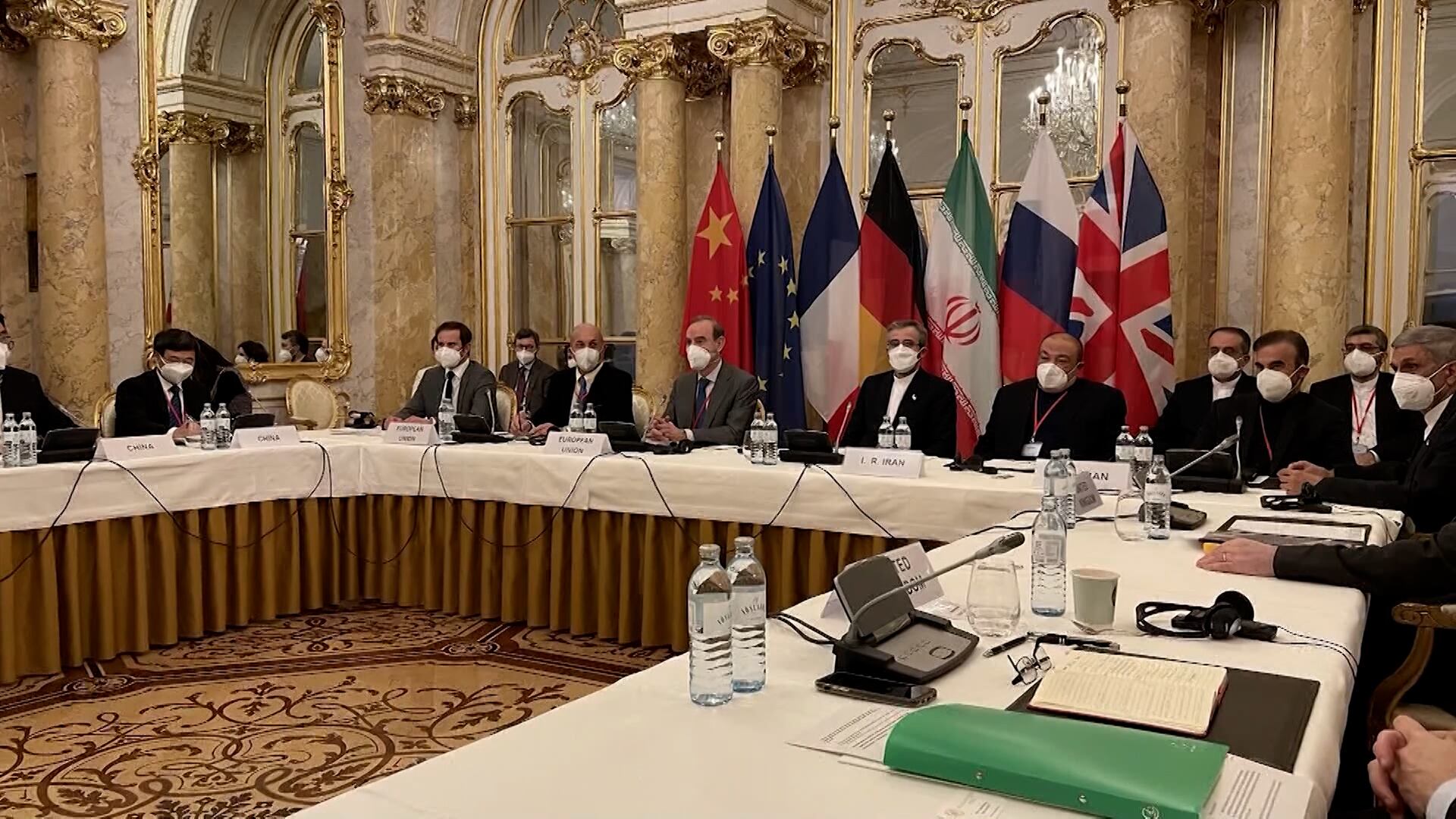
The U.S. is back in negotiations for a nuclear deal with Iran, years after former President Donald Trump withdrew the country from the Joint Comprehensive Plan of Action (JCPOA), which had been meant to curtail the Middle Eastern nation's nuclear ambitions. Former State Department senior advisor to the George W. Bush and Trump administrations, Christian Whiton, joined Cheddar News Wrap to discuss. “It appears to be very similar to the original JCPOA, which does put some constraints on Iran's nuclear program, but also has sunset provisions, including some that in the original plan were expected to take effect in 2025," he said. "And so, if we just reenter that plan, really it just buys perhaps a few years of slowing down, stopping, whatever you want to say, Iran's nuclear program."
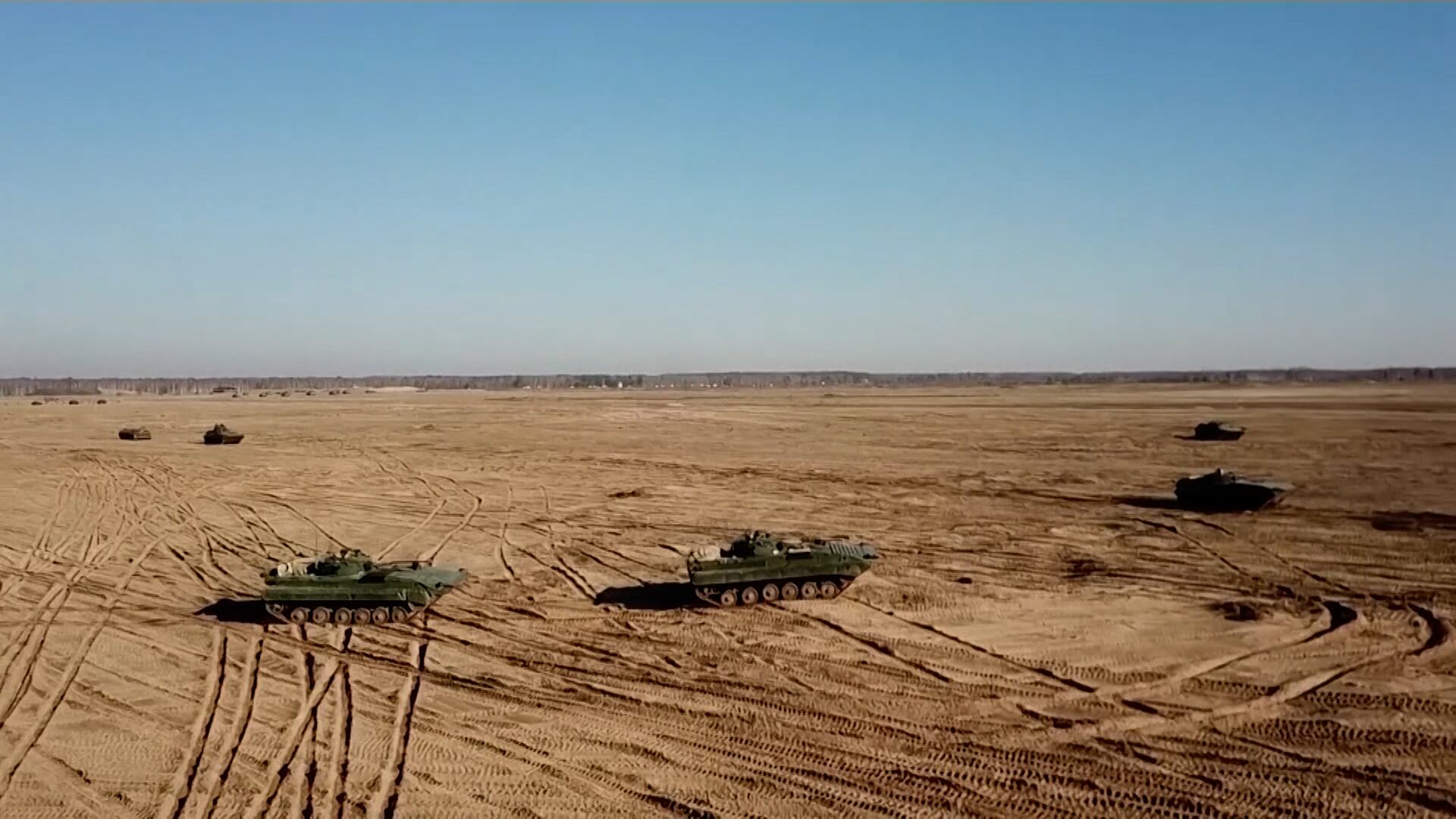
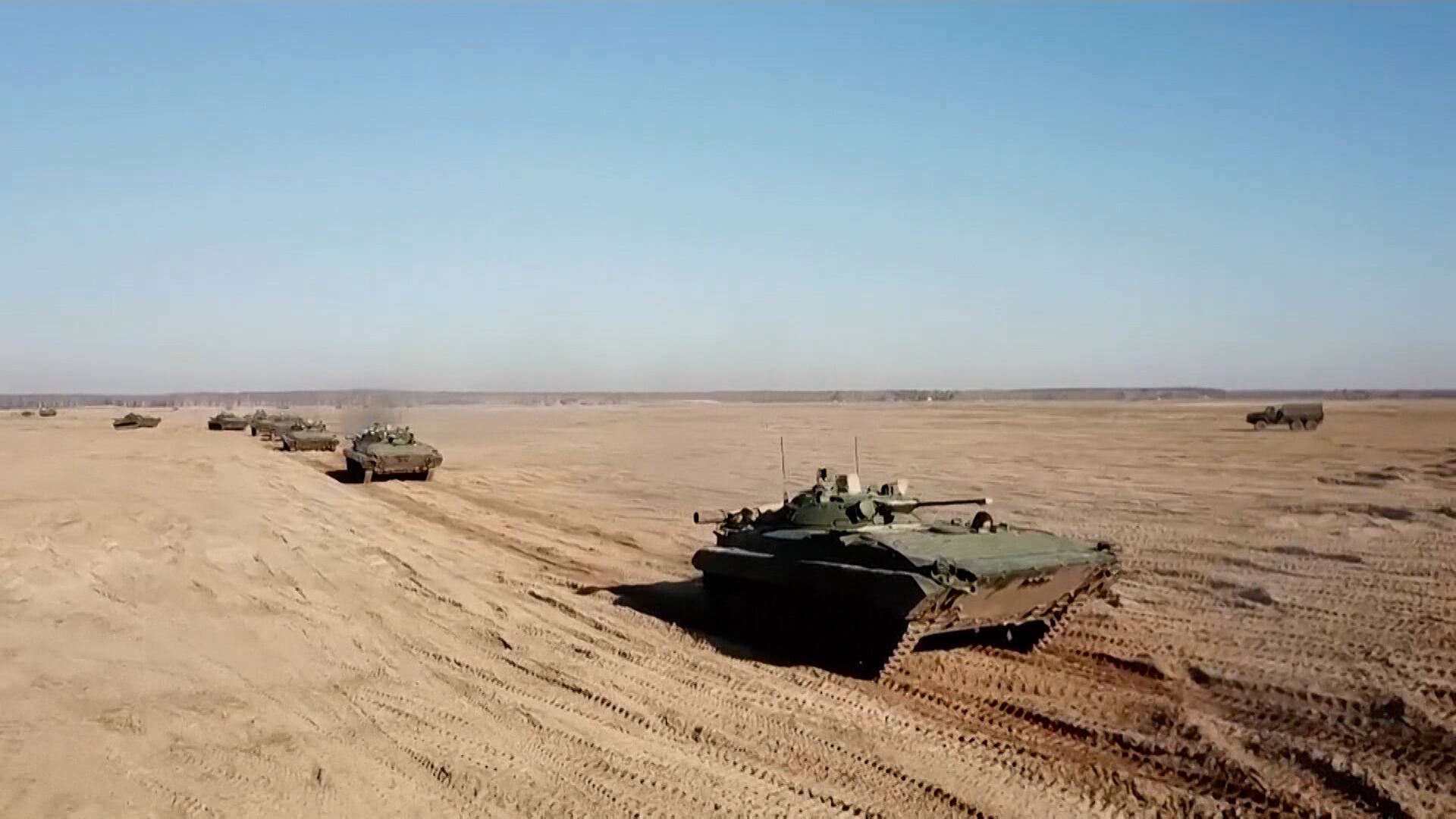
The U.S. has announced the first of what could be multiple levels of sanctions against Russia after Moscow recognized two regions of Ukraine as independent. This comes as Britain imposes sanctions on five Russian banks and two oligarchs, and Germany freezes the Nord Stream gas pipeline. Terrell Star, a foreign affairs reporter at The Atlantic Council, joins from Kyiv to discuss.
Growing tensions in Ukraine might soon be impacting consumers in the United States. With Russia on an invasion footing in the region, gas prices are predicted to go up 10 to 15 cents a gallon in the next coming weeks, according to Robert Sinclair, spokesperson for AAA. Sinclair joined Cheddar to break down what could happen even further. "We've been seeing prices go up, and there's been nothing that's happened to affect supplies," he said. "But it's something known as the fear tax where just the talk of something that might interfere with supplies leads to prices going up speculatively."
The end of 3G is upon us. On Tuesday, AT&T became the first major provider to disable its 3G services, and T-Mobile and Verizon plan to follow suit later this year. The shutdowns are expected to impact millions of vehicles that use 3G networks for updates, remote connection, and certain emergency and convenience features. Lance Ulanoff, the U.S. Editor-in-Chief of TechRadar, joined Cheddar's Closing Bell to discuss the ramifications of the changeover.
A new report shows nearly 240 former officials in Congress, the White House, and regulatory agencies have changed careers to work in the crypto industry.
President Biden unveiled new economic sanctions on Russia for what he called "the beginning of a Russian invasion". This came one day after Putin sent troops into two breakaway regions of eastern Ukraine. Alex Ward, national security reporter for POLITICO, explains what these sanctions might do to the global economy.
U.S. stocks ended today's session sharply lower on the heels of rising geopolitical tensions between Russia and Ukraine. Melissa Brown, Managing Director of Applied Research at Qontigo, joins Cheddar News' Closing Bell to discuss.
President Joe Biden said Tuesday that the U.S. will begin to impose sanctions on Russia, calling recent troop movement into Ukraine an 'invasion.' Biden and other government officials including from the State Department have begun to classify the Russian troop movement as an invasion after Russian President Vladimir Putin ordered troops to two independent Ukrainian areas in an alleged "peacekeeping" mission — which the West considers an act of aggression. Biden said Russia will continue to pay 'an even steeper price' if it continues sending troops into Ukraine. What happens next? Will Putin find a way around these sanctions? Ariel Cohen, senior fellow at the Atlantic Council, joins Closing Bell to discuss Biden's remarks, how the West will protect Ukraine since it doesn't belong to NATO, and more.