Speaker Ryan's Retirement Is a "Football Captain Quitting Halfway Through"
House Speaker Paul Ryan (R-WI) announced Wednesday he would not seek re-election in November, signaling that Republicans may have a more difficult time maintaining their Congressional majority through the midterm elections.
Ryan’s decision took his Republican colleagues and Democratic opponents by surprise, though he reminded reporters Wednesday he agreed to take up the Speaker’s job in 2015 “reluctantly.”
“I have given this job everything I have,” he said, according to the Associated Press. “We’re going to have a great record to run on.”
Ryan said he decided not to run again to spend more time with his three teenage children, who live in the same Wisconsin town in which Ryan grew up.
He will serve until the end of his term, in January.
His decision not to seek reelection will likely ignite the campaign for his Wisconsin seat and could swell the wave of Republican lawmakers deciding not to run, said Rep. Ruben Gallego (D-AZ).
“When the captain of the football team quits the game halfway through, gives you a good indication of how the rest of the game is going to go,” Gallego told Cheddar. “He knows he’s going to be a minority leader next year.”
“I think Republicans should really be worried about the tsunami that’s coming,” Gallego added.
After Ryan’s announcement, Rep. Dennis Ross (R-FL) announced he would retire after eight terms in the House.
More than 40 Republicans have announced that they won’t run in 2018, either because they’re retiring or seeking other office. Democrats need 24 seats to take back control of the House for the first time since 2011.
Republicans’ chances of maintaining their majority have been hurt by growing voter dissatisfaction and President Trump’s low approval ratings -- around 40 percent in recent polls.
Gallego, who represents Arizona’s 7th district, criticized Trump’s policies, especially his proposed border wall.
Funding for the wall was excluded from the recent $1.3 billion bipartisan spending bill the president signed, frustrating Trump. Instead, he suggested sending up to 4,000 National Guard troops to the southern border with Mexico, though they will not have the authority to make arrests or “perform law enforcement duties.” The governors of California, Texas, New Mexico, and Arizona have all agreed to send the National Guard.
Gallego criticized the president, saying he was using the National Guard as “a prop” in a political debate.
“There is no emergency,” Gallego said. “There’s no reason you call up the National Guard and call it a crisis, just so you can boost up your poll numbers.”
Last December, the arrests of illegal immigrants trying to cross into the U.S. dipped to the lowest level since 1971.
For the full interview, [click here.](https://cheddar.com/videos/why-rep-ruben-gallego-says-the-game-isnt-going-to-end-well-for-republicans-this-november)
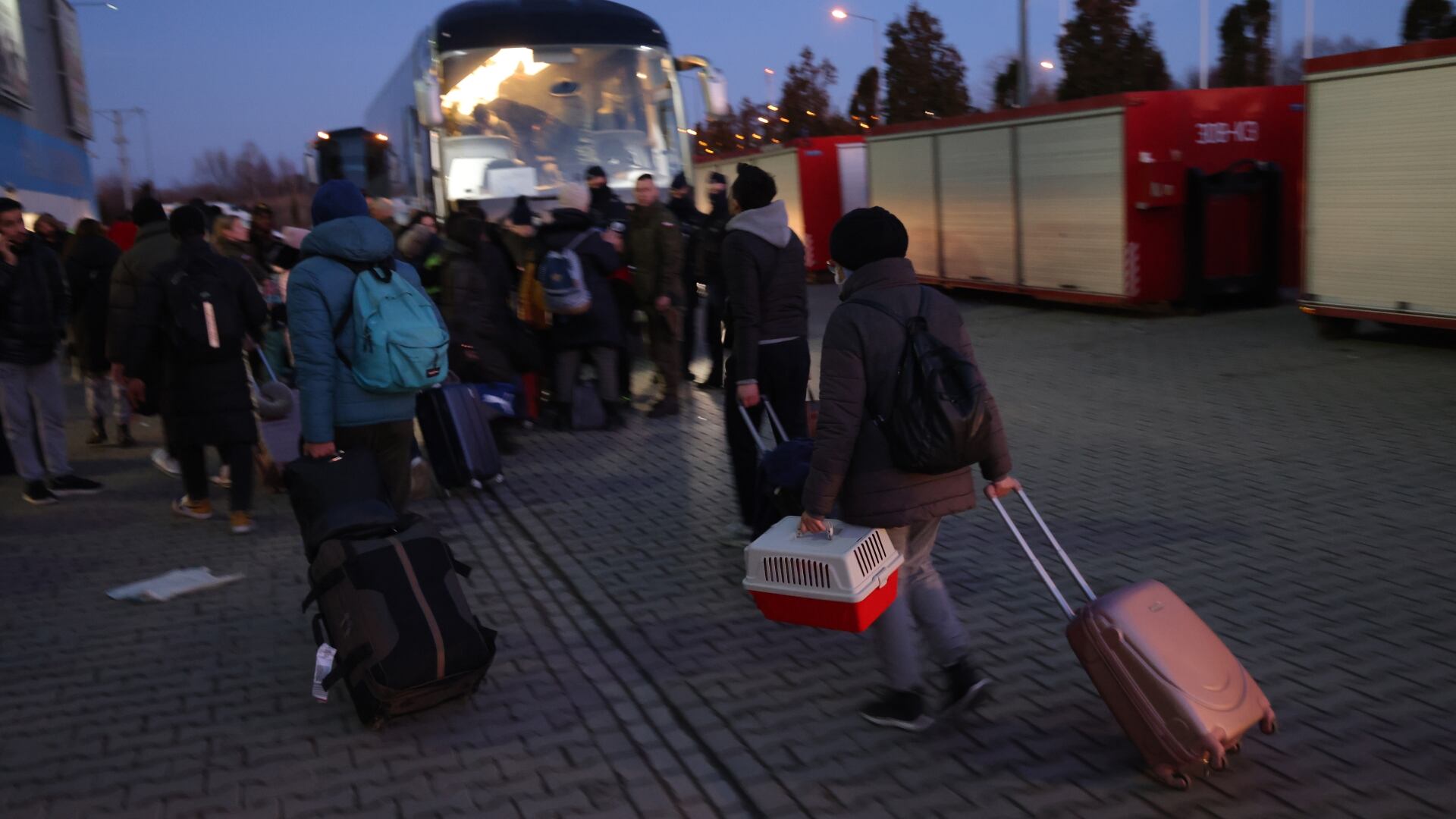
The United Nations High Commissioner for Refugees (UNHCR) has reported that an estimated one million people have fled from Ukraine since Russia invaded. Christopher Boian, senior communications officer at UNHCR, joined Cheddar News to report on the current refugee crisis and what the world might expect if conditions continue to worsen. "We have planning figures that forecast as many as four million people could be forced to flee Ukraine," he said. "But that very much depends on how the conflict underway in that country at the moment unfolds in the days and possibly weeks ahead."
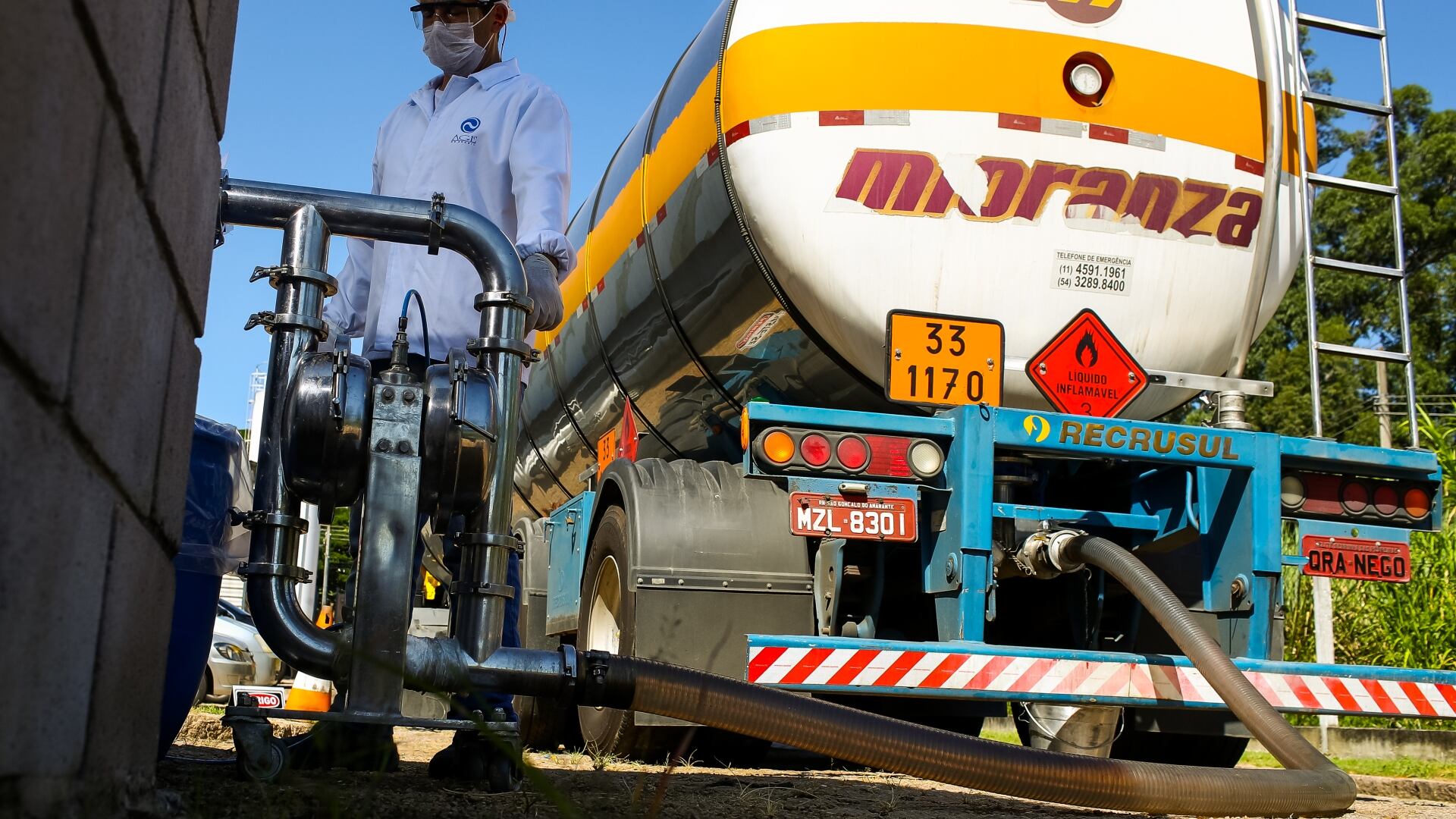
Under the U.S. Renewable Fuel Standard (RFS), corn-based ethanol has been mixed into gasoline sold at pumps in the U.S. since 2005, when a policy was enacted aimed at reducing emissions. Corn-based ethanol had been thought to be a relatively greener energy source compared to other biofuels, but now, a new study published in the Proceedings of the National Academy of Sciences reports it may be actually worse for the climate than straight gasoline. Tyler Lark, an assistant scientist at the University of Wisconsin-Madison's Center for Sustainability, joined Cheddar News' Closing Bell and discussed the pushback against the study. "Essentially when you need to produce more corn to meet the demand for use as ethanol as fuel, farmers respond and they switch more crops like soybeans and wheat into corn," Lark said. "They also bring more land into production, so things that used to be pasture grassland, and both those activities are associated with increased greenhouse gas emissions."
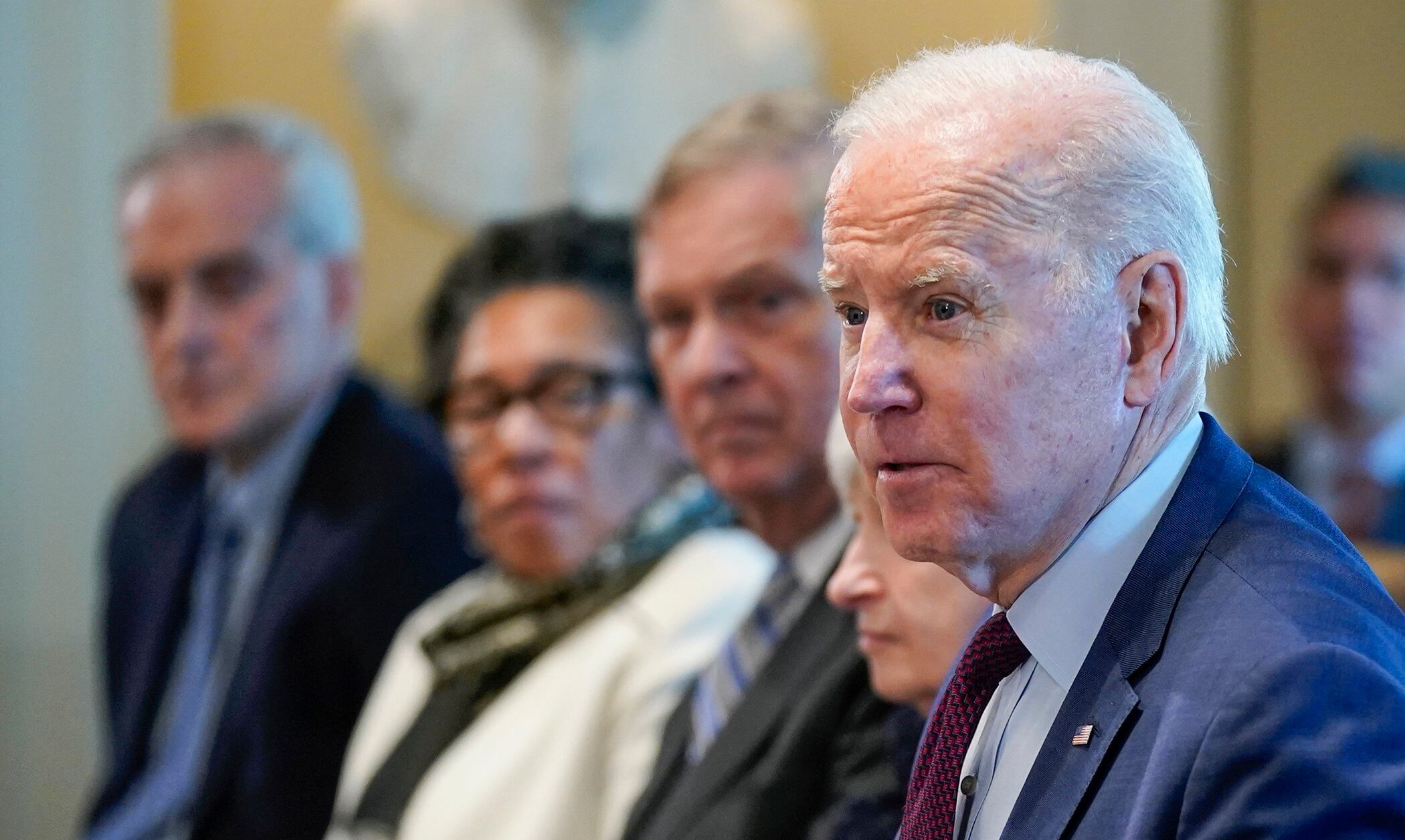
U.S. President Joe Biden’s administration on Thursday announced new sanctions against Russian oligarchs and others in President Vladimir Putin’s inner circle.
Christian Blauvelt, executive managing editor at IndieWire, joins Cheddar News to discuss the growing number of studios pulling content from Russia over Ukraine invasion.
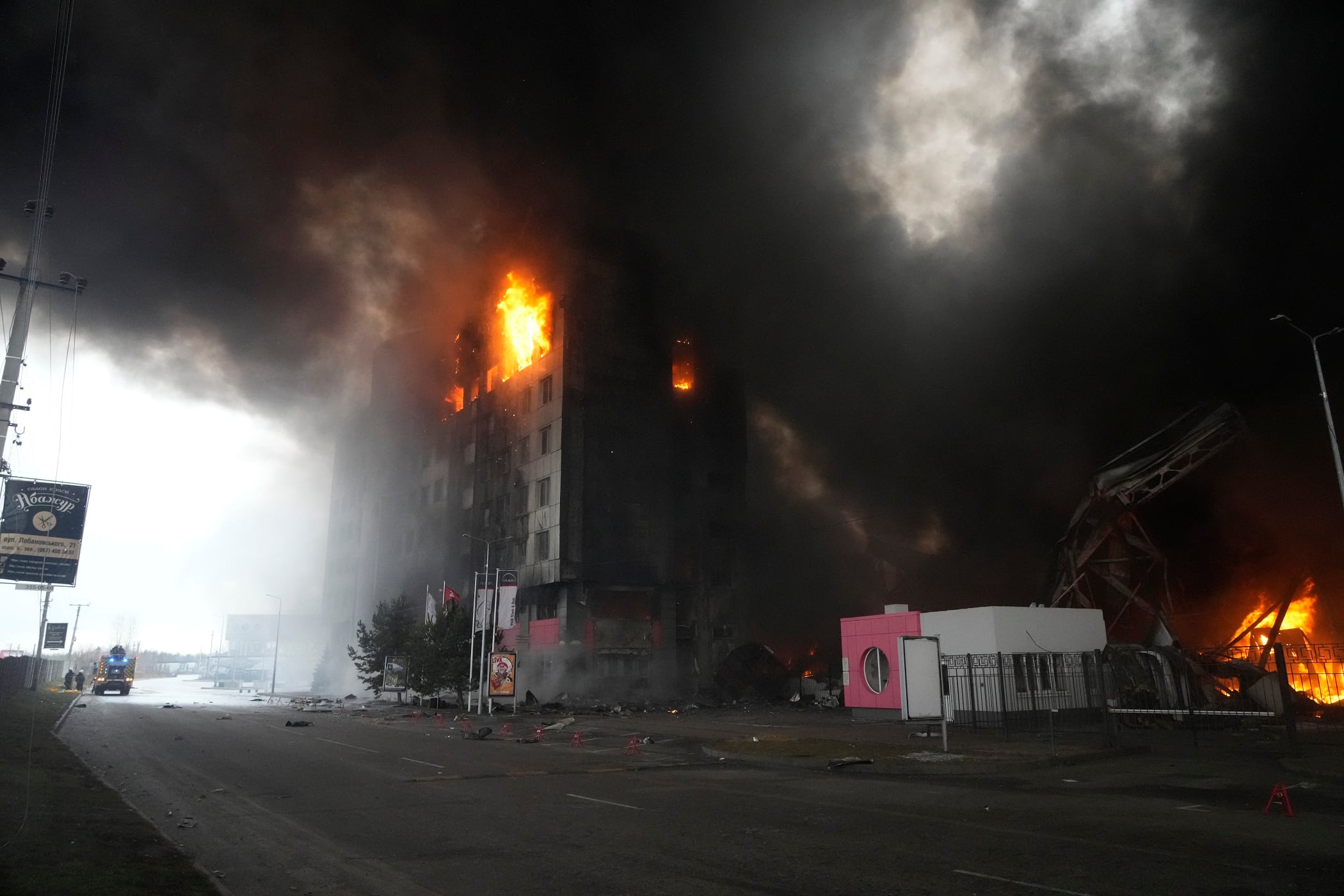
Russian forces are battling for control of a crucial energy-producing city in Ukraine’s south and gaining ground in their bid to cut off the country from the sea.
In the past few years, Betthany Frankel has made a major name for herself as a philanthropist after founding the
BStrong initiative, which has provided relief to people impacted by natural disasters as well as the COVID-19 pandemic. Now, BStrong is shifting its focus to Ukraine, raising millions of dollars in donations for those impacted by Russia's invasion. Bethenny Frankel, the founder of BStrong, joins Cheddar News' Closing Bell to discuss.
Bryan Lee, Chief Investment Officer at Blue Zone Wealth Advisors, joins Cheddar News' Closing Bell, where he elaborates on the volatility we've seen in the markets this week fueled by rising oil prices and the ongoing Russian invasion of Ukraine.
Francesca Chambers, White House correspondent for McClatchy, joins Cheddar News to discuss all the topics President Biden has to juggle in his State of the Union address.