Speaker Ryan's Retirement Is a "Football Captain Quitting Halfway Through"
House Speaker Paul Ryan (R-WI) announced Wednesday he would not seek re-election in November, signaling that Republicans may have a more difficult time maintaining their Congressional majority through the midterm elections.
Ryan’s decision took his Republican colleagues and Democratic opponents by surprise, though he reminded reporters Wednesday he agreed to take up the Speaker’s job in 2015 “reluctantly.”
“I have given this job everything I have,” he said, according to the Associated Press. “We’re going to have a great record to run on.”
Ryan said he decided not to run again to spend more time with his three teenage children, who live in the same Wisconsin town in which Ryan grew up.
He will serve until the end of his term, in January.
His decision not to seek reelection will likely ignite the campaign for his Wisconsin seat and could swell the wave of Republican lawmakers deciding not to run, said Rep. Ruben Gallego (D-AZ).
“When the captain of the football team quits the game halfway through, gives you a good indication of how the rest of the game is going to go,” Gallego told Cheddar. “He knows he’s going to be a minority leader next year.”
“I think Republicans should really be worried about the tsunami that’s coming,” Gallego added.
After Ryan’s announcement, Rep. Dennis Ross (R-FL) announced he would retire after eight terms in the House.
More than 40 Republicans have announced that they won’t run in 2018, either because they’re retiring or seeking other office. Democrats need 24 seats to take back control of the House for the first time since 2011.
Republicans’ chances of maintaining their majority have been hurt by growing voter dissatisfaction and President Trump’s low approval ratings -- around 40 percent in recent polls.
Gallego, who represents Arizona’s 7th district, criticized Trump’s policies, especially his proposed border wall.
Funding for the wall was excluded from the recent $1.3 billion bipartisan spending bill the president signed, frustrating Trump. Instead, he suggested sending up to 4,000 National Guard troops to the southern border with Mexico, though they will not have the authority to make arrests or “perform law enforcement duties.” The governors of California, Texas, New Mexico, and Arizona have all agreed to send the National Guard.
Gallego criticized the president, saying he was using the National Guard as “a prop” in a political debate.
“There is no emergency,” Gallego said. “There’s no reason you call up the National Guard and call it a crisis, just so you can boost up your poll numbers.”
Last December, the arrests of illegal immigrants trying to cross into the U.S. dipped to the lowest level since 1971.
For the full interview, [click here.](https://cheddar.com/videos/why-rep-ruben-gallego-says-the-game-isnt-going-to-end-well-for-republicans-this-november)
Later today House Republicans will grill Snap, Tiktok and Youtube on how their products affect the mental health of teenagers. It comes after a report revealed that Facebook's photo sharing platform, Instagram, can be harmful to teen's mental health. Rishi Bharwani, Director of Partnerships and Policy, Accountable Tech joined Cheddar's Opening Bell to discuss.
As the White House and Congressional leaders work towards finalizing the legislative framework of the Build Back Better budget deal, paid family leave, one of the hallmarks of President Joe Biden's Social Safety Net agenda, still stands in flux. Molly Day, Executive Director, Paid Leave for the U.S. joined Cheddar's Opening Bell to discuss why the finalization of this bill is imperative.
Marjorie Mesidor, Esq., Partner, Phillips and Associates, PLLC and Dr. Anthony Santela, professor of health administration and university covid coordinator at the University of New Haven join J.D. Durkin and None Of The Above to talk about the expected fallout from New York City's vaccine mandate.
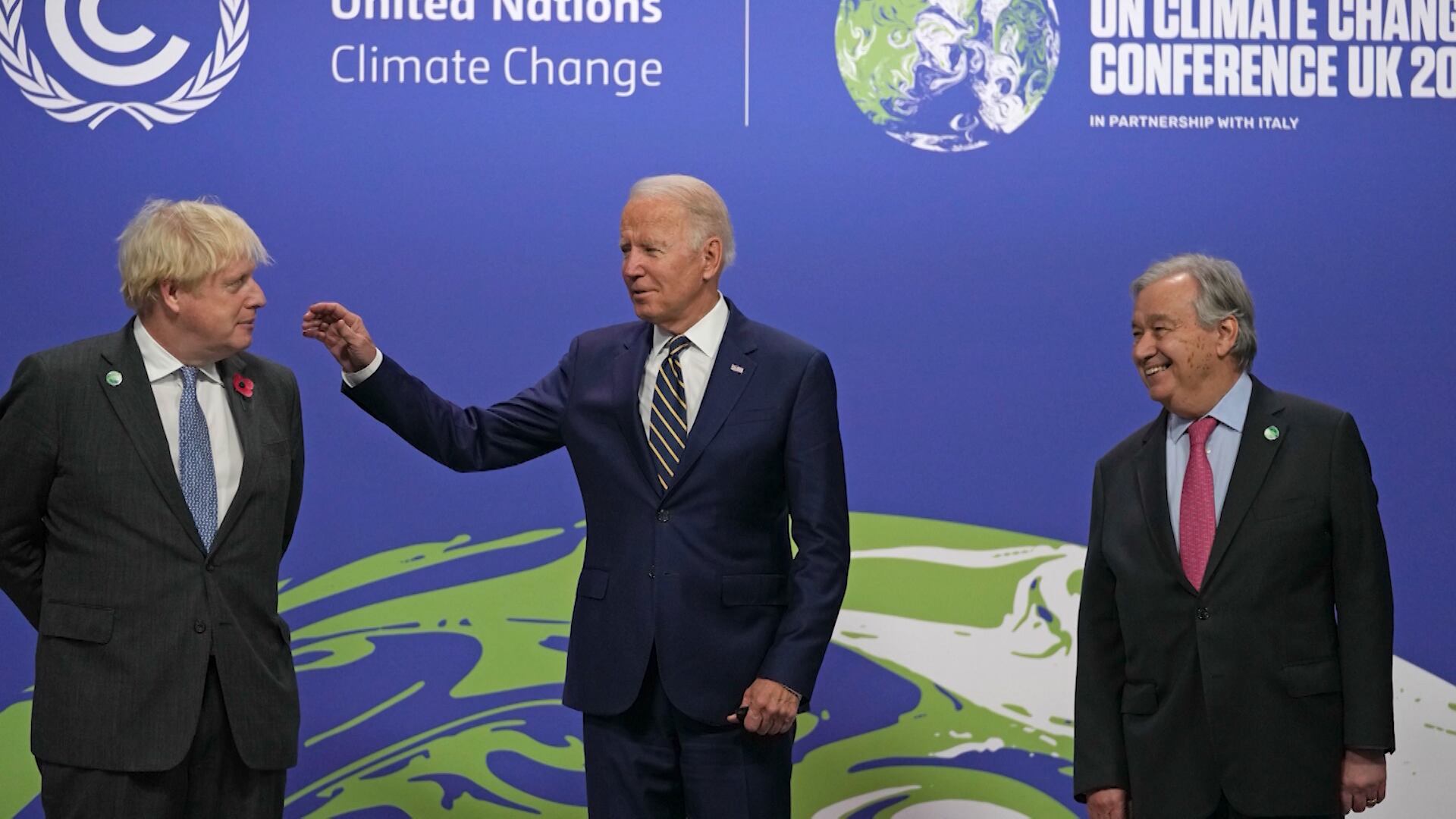
Leaders around the world have come together to discuss plans to bring action towards the Paris Agreement along with solutions on how to solve the evolving climate change crisis at the COP26 Summit. President and CEO of Center for International Environmental Law Carroll Muffett, joined Cheddar to discuss more.
Rachel Cleetus, the policy director and lead economist of the climate and energy program for the Union of Concerned Scientists, joined Cheddar to break down some of the key goals from the COP26 summit and why leaders must focus on the science of climate change instead of getting bogged down by petty politics and the fossil fuel industry. "The main thing they have to do, make sure we're cutting our emissions sharply within this decade because the science shows that we have to cut global emissions in half by 2030 if we're going to meet our goals of averting some of the most catastrophic impacts of climate change," she said.
Carlo and Baker cover the big races to watch on this off-cycle Election Day, the concrete pledges starting to come out of COP26, Jeffrey Epstein keeps causing CEOs to lose their jobs, and Ryan Murphy's TV hit that wasn't.
The Dow, S&P, and Nasdaq begin November by not only ending Monday's session higher but with a record close as well. Melissa Armo, Founder and Owner of The Stock Swoosh, has her eye on major economic storylines and joins Cheddar News' Closing Bell to discuss what role the news could play on Wall Street.
The UN climate change conference kicked off on Sunday with about 120 world leaders and delegates gathering in Glasgow, Scotland this week, as experts continue to warn about the harms of heightened emissions and the effects on climate change. The topic of ESG investing is expected to be a top priority at the summit. Jefferies global head of ESG and sustainability research Aniket Shah joined Cheddar News' Closing Bell to discuss.
Gifted and talented education programs in schools throughout the United States are falling under greater scrutiny as the race and class divide in the programs remain wide. Marcia Gentry, a professor of educational studies and the director of the Gifted Education Research and Resource Institute at Purdue University, joined Cheddar to weigh in on if advanced tracking for students can also be equitable for lower income students and students of color.
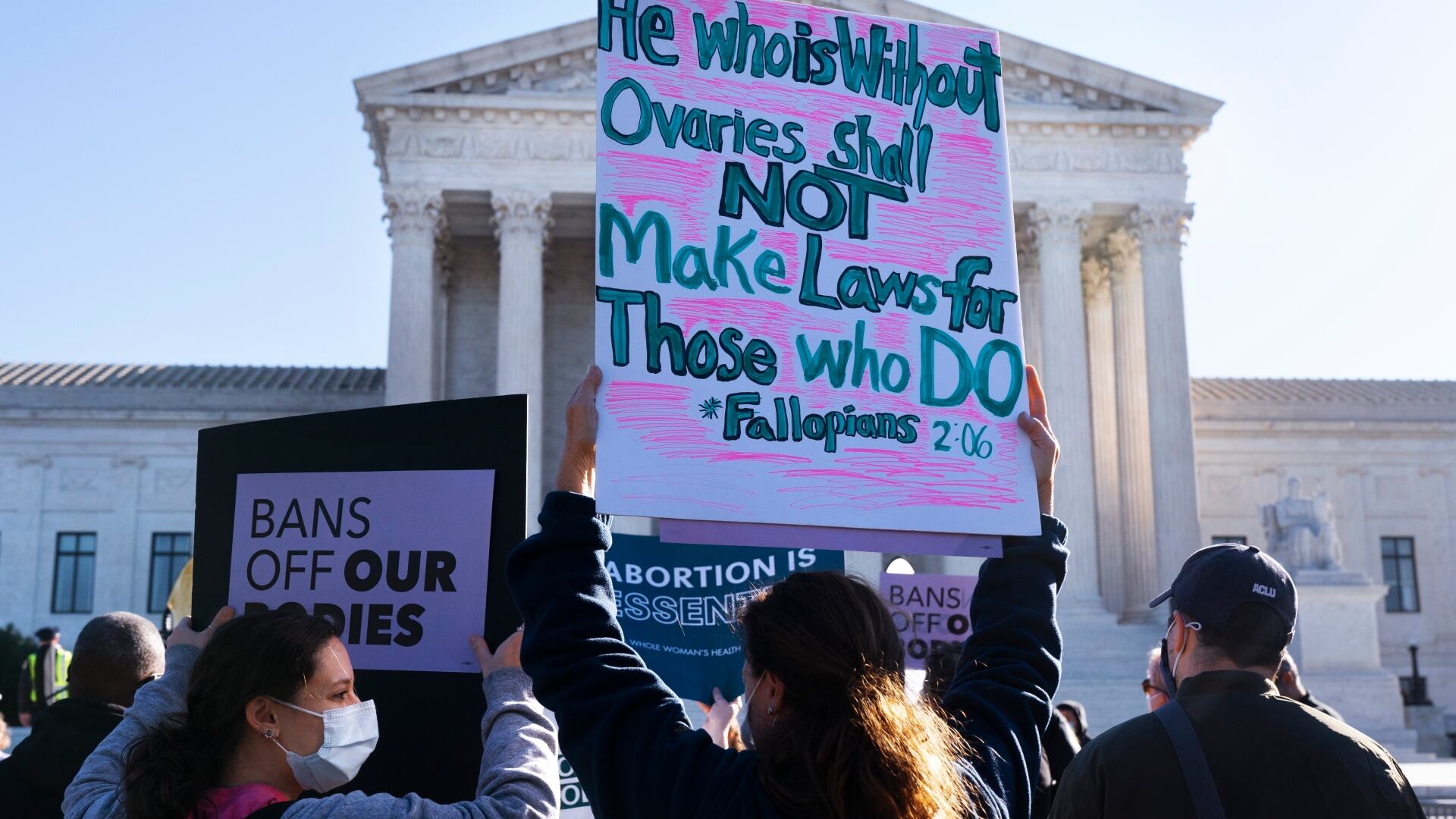
The Supreme Court is now weighing in on one of the nation's most restrictive abortion laws. The Texas law, which was enacted on September 1, bans abortions after six weeks of pregnancy. In addition, it allows any private citizen to sue anyone who helps a woman get an abortion. Jimmy Hoover, Supreme Court Editor-At-Large at Law360, joined Cheddar News to discuss more.