Speaker Ryan's Retirement Is a "Football Captain Quitting Halfway Through"
House Speaker Paul Ryan (R-WI) announced Wednesday he would not seek re-election in November, signaling that Republicans may have a more difficult time maintaining their Congressional majority through the midterm elections.
Ryan’s decision took his Republican colleagues and Democratic opponents by surprise, though he reminded reporters Wednesday he agreed to take up the Speaker’s job in 2015 “reluctantly.”
“I have given this job everything I have,” he said, according to the Associated Press. “We’re going to have a great record to run on.”
Ryan said he decided not to run again to spend more time with his three teenage children, who live in the same Wisconsin town in which Ryan grew up.
He will serve until the end of his term, in January.
His decision not to seek reelection will likely ignite the campaign for his Wisconsin seat and could swell the wave of Republican lawmakers deciding not to run, said Rep. Ruben Gallego (D-AZ).
“When the captain of the football team quits the game halfway through, gives you a good indication of how the rest of the game is going to go,” Gallego told Cheddar. “He knows he’s going to be a minority leader next year.”
“I think Republicans should really be worried about the tsunami that’s coming,” Gallego added.
After Ryan’s announcement, Rep. Dennis Ross (R-FL) announced he would retire after eight terms in the House.
More than 40 Republicans have announced that they won’t run in 2018, either because they’re retiring or seeking other office. Democrats need 24 seats to take back control of the House for the first time since 2011.
Republicans’ chances of maintaining their majority have been hurt by growing voter dissatisfaction and President Trump’s low approval ratings -- around 40 percent in recent polls.
Gallego, who represents Arizona’s 7th district, criticized Trump’s policies, especially his proposed border wall.
Funding for the wall was excluded from the recent $1.3 billion bipartisan spending bill the president signed, frustrating Trump. Instead, he suggested sending up to 4,000 National Guard troops to the southern border with Mexico, though they will not have the authority to make arrests or “perform law enforcement duties.” The governors of California, Texas, New Mexico, and Arizona have all agreed to send the National Guard.
Gallego criticized the president, saying he was using the National Guard as “a prop” in a political debate.
“There is no emergency,” Gallego said. “There’s no reason you call up the National Guard and call it a crisis, just so you can boost up your poll numbers.”
Last December, the arrests of illegal immigrants trying to cross into the U.S. dipped to the lowest level since 1971.
For the full interview, [click here.](https://cheddar.com/videos/why-rep-ruben-gallego-says-the-game-isnt-going-to-end-well-for-republicans-this-november)
Jill and Carlo discuss the scenes of joy at American airports as borders reopen, another tool in the Covid toolbox, the latest in the Astroworld crowd crush tragedy and more.
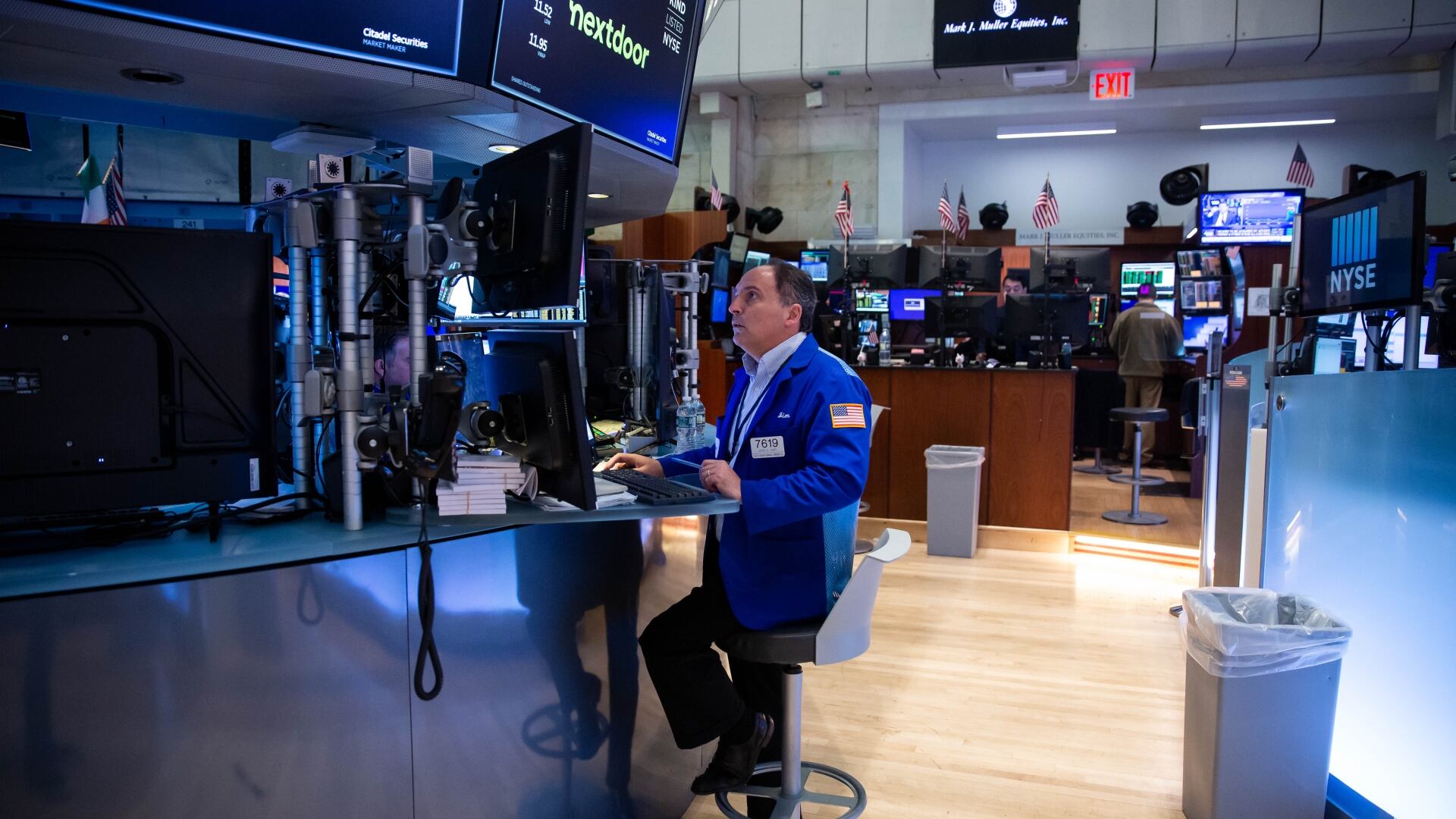
Frank Lee, Managing Director at Miracle Mile Advisors, joins Cheddar News' Closing Bell, where he explains why markets are soaring after the Dow, S&P, Nasdaq, and the Russell 2000 all reached new record closes to begin the trading week.
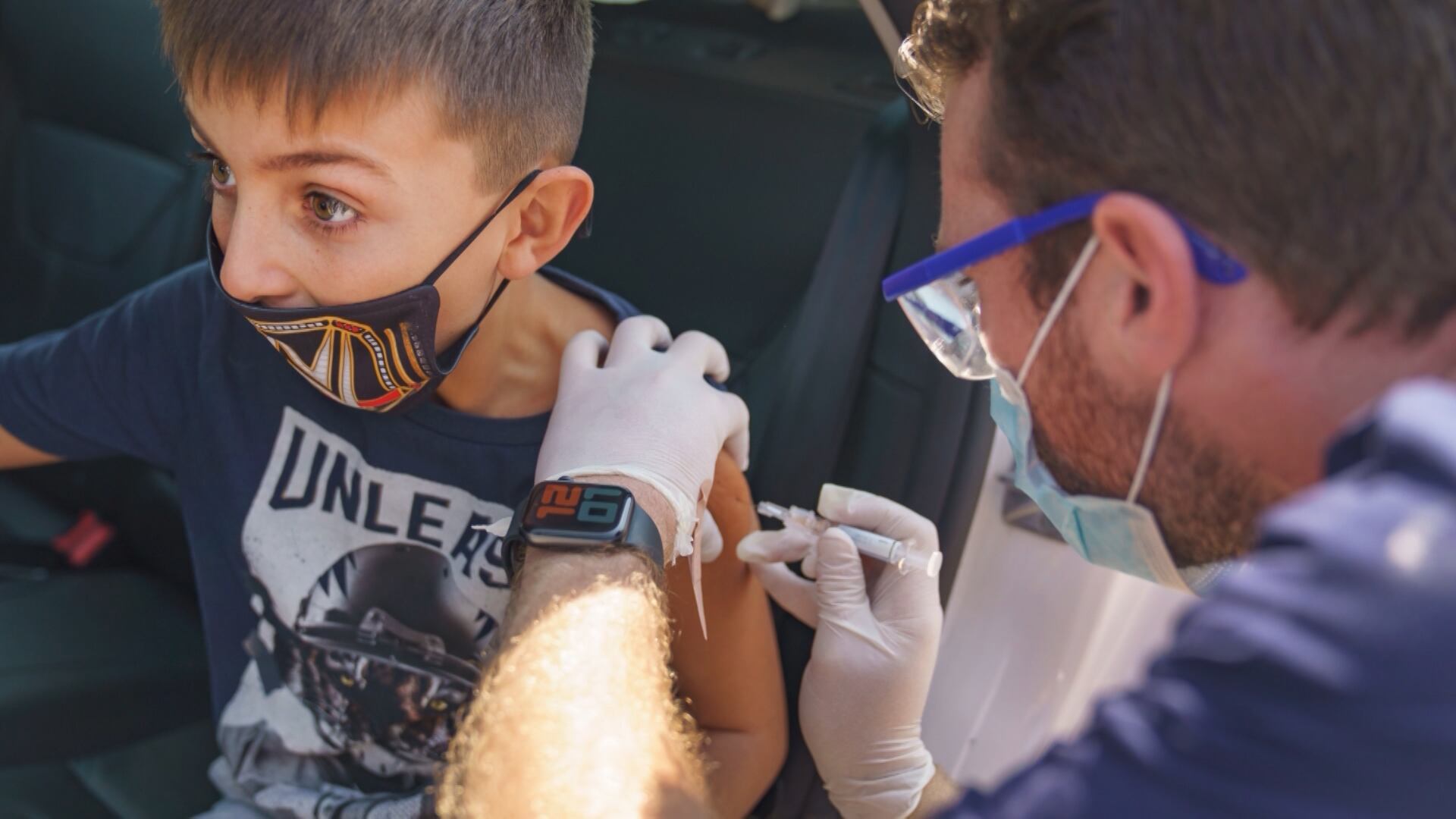
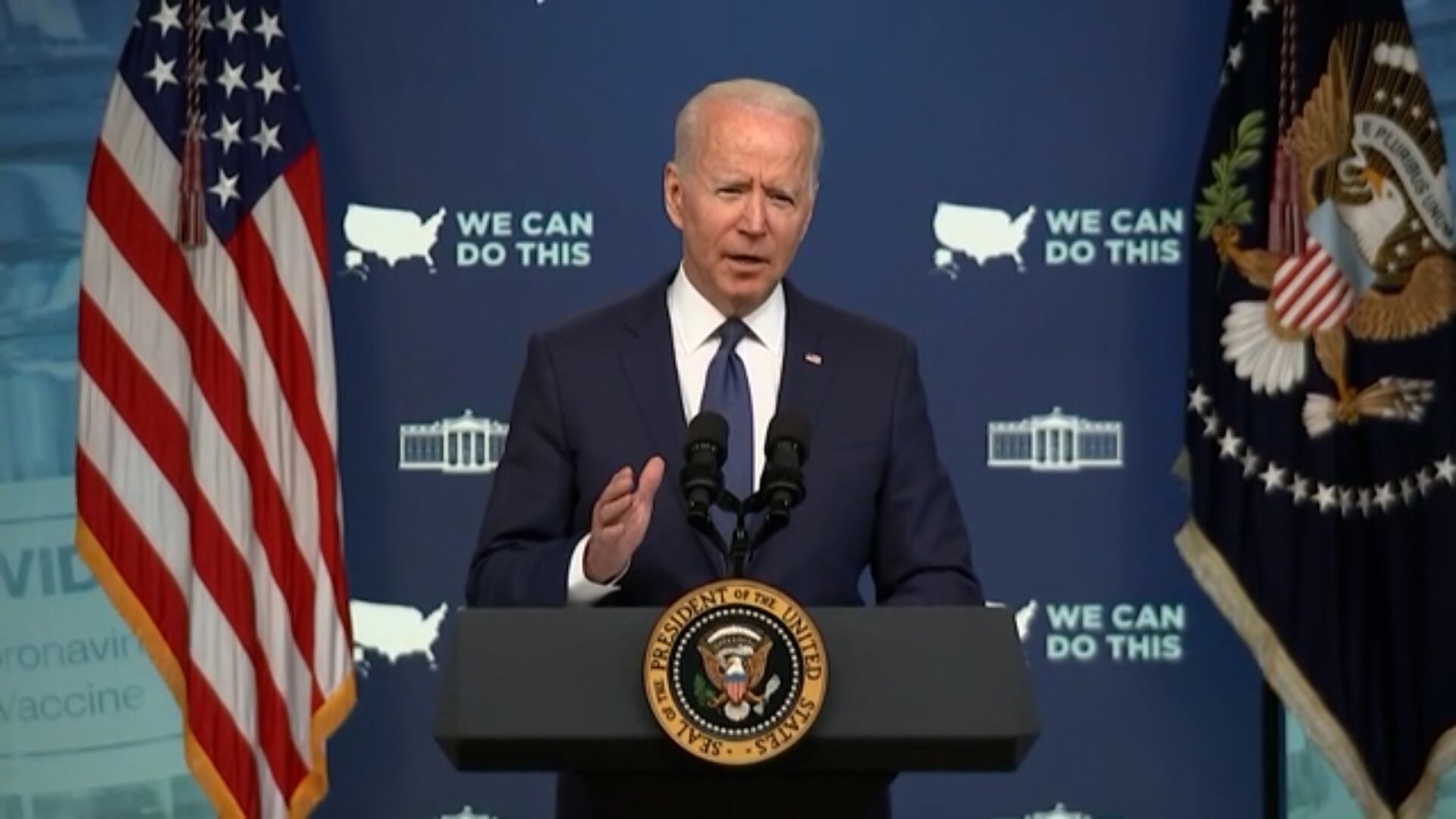
The Biden Administration's mandate for COVID vaccinations by large employers has been put on hold by federal courts as GOP-led states and some businesses push back on the order's legality. Jonathan Adler, a law professor at Case Western Reserve University, joined Cheddar to discuss the legal challenges to implementing such mandates through OSHA (Occupational Safety and Health Administration). "Certainly expanding vaccinations is a good thing, and as vaccination rates go up that's better for all of us," Adler said. "But there are some legal questions about whether or not it's appropriate to use a law about occupational safety and health as the means to do that."
The Biden administration is giving businesses a deadline to implement a vaccination mandate, saying companies can take until after the holiday season. Andew Noymer, Associate Professor of Population Health and Disease Prevention at the University of California, Irvine, joined Cheddar to discuss.
Jacob Rubashkin, reporter and analyst at Inside Elections, joined Cheddar to discuss Republicans' wins on election night and what they mean for Democrats going forward.
James Astill, Washington Bureau Chief at The Economist, joins Cheddar News to discuss the latest issue, 'ONE YEAR ON: The calamity facing Joe Biden and the Democrats.'
Elon Musk asked Twitter if he should sell about $20 billion worth of his Tesla stock and about 58 percent of those who answered said yes. The Tesla CEO pledged to abide by the results of the poll, whichever way it went. Arun Sundararajan, NYU Stern professor & author of "The Sharing Economy: The End of Employment and the Rise of Crowd-Based Capitalism," joined Cheddar to discuss what the Twitter poll says about America's attitude towards billionaires and the nation's tax system.
Dr. Nasia Safdar, Doctor at UW Madison, joined Wake Up With Cheddar to discuss the implications of Merck sharing its antiviral pill, which has been shown in early trials to cut hospitalizations and deaths by half, with poorer nations around the globe.
The Federal Reserve finally announced its taper plan on Wednesday saying that it planned to scale back on bond purchases as growth slows, and would not rush to raise interest rates. Ross Mayfield, Investment Strategy Analyst at Baird spoke on whether or not a decrease in inflation could be in the country’s future amidst comments made by Fed chairman Jerome Powell. Baird also broke down ADP jobs numbers ahead of the Labor Department's October jobs report.