Speaker Ryan Proposes Stopgap Funding Bill Using CHIP As Bargaining Tool
The federal government's budget is set to expire this Friday at midnight. In a last-ditch attempt to avoid a fiscal cliff, House Speaker Paul Ryan (R-WI) is trying to woo Democrats by pushing a short-term stopgap bill that would extend the Children's Health Insurance Program (CHIP) for six years.
Kelly Macias, Staff Writer at Daily Kos, and Ed Morrissey, Senior Editor at Hot Air, discuss whether the Speaker's proposal is enough to get Democrats and Republicans on board. Morrissey says that while he thinks it's enough to keep the government afloat for a month, that a lot still needs to be done to find a long-term solution.
A long-term solution is stalled over debate around immigration. Democrats are holding out for a deal that provides a solution for young undocumented immigrants protected by President Obama's Deferred Action for Childhood Arrival program.
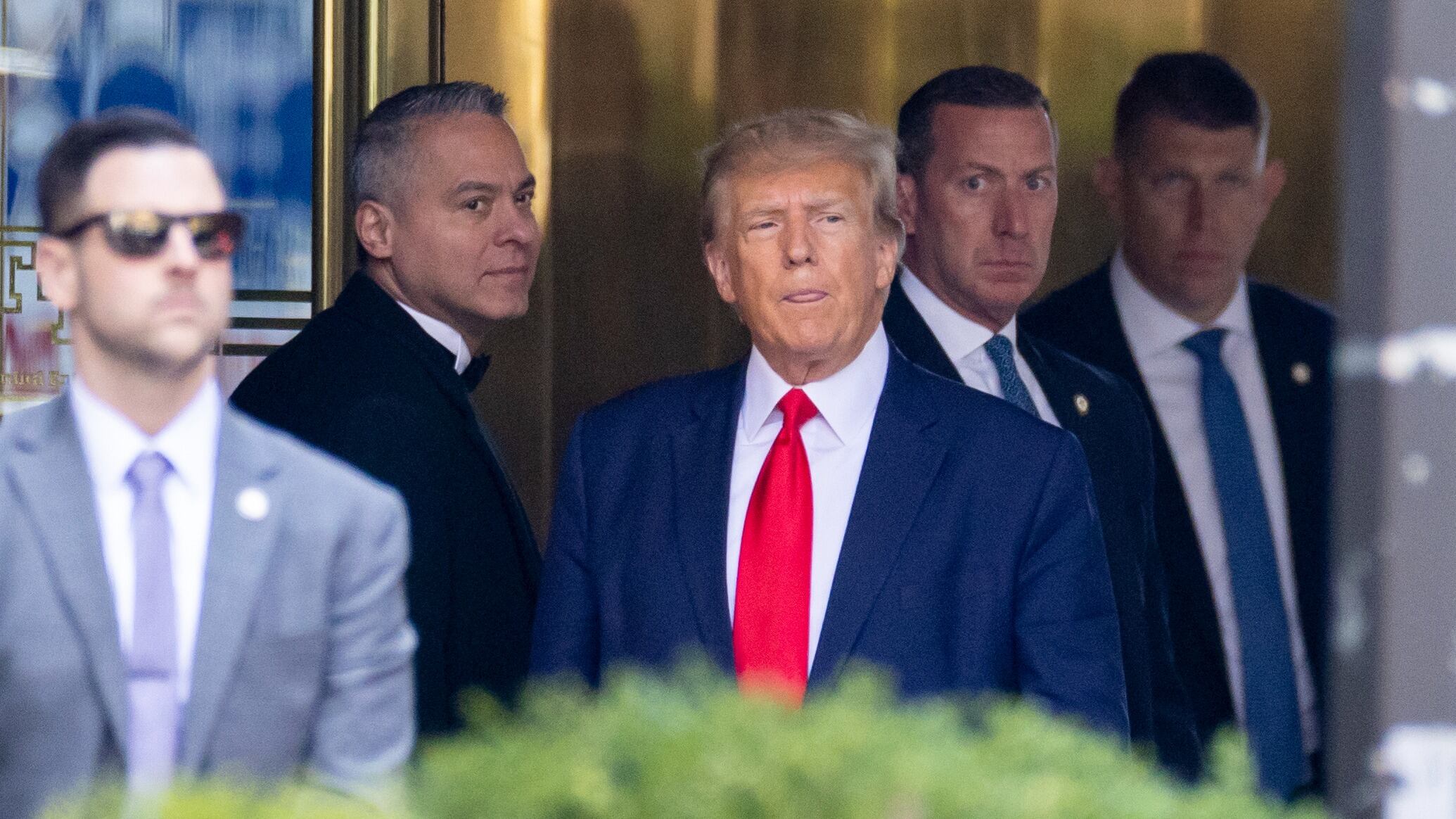
Former President Donald Trump answered questions for nearly seven hours Thursday during his second deposition in a legal battle with New York's attorney general over his company's business practices, reversing an earlier decision to invoke his Fifth Amendment protection against self-incrimination and remain silent.
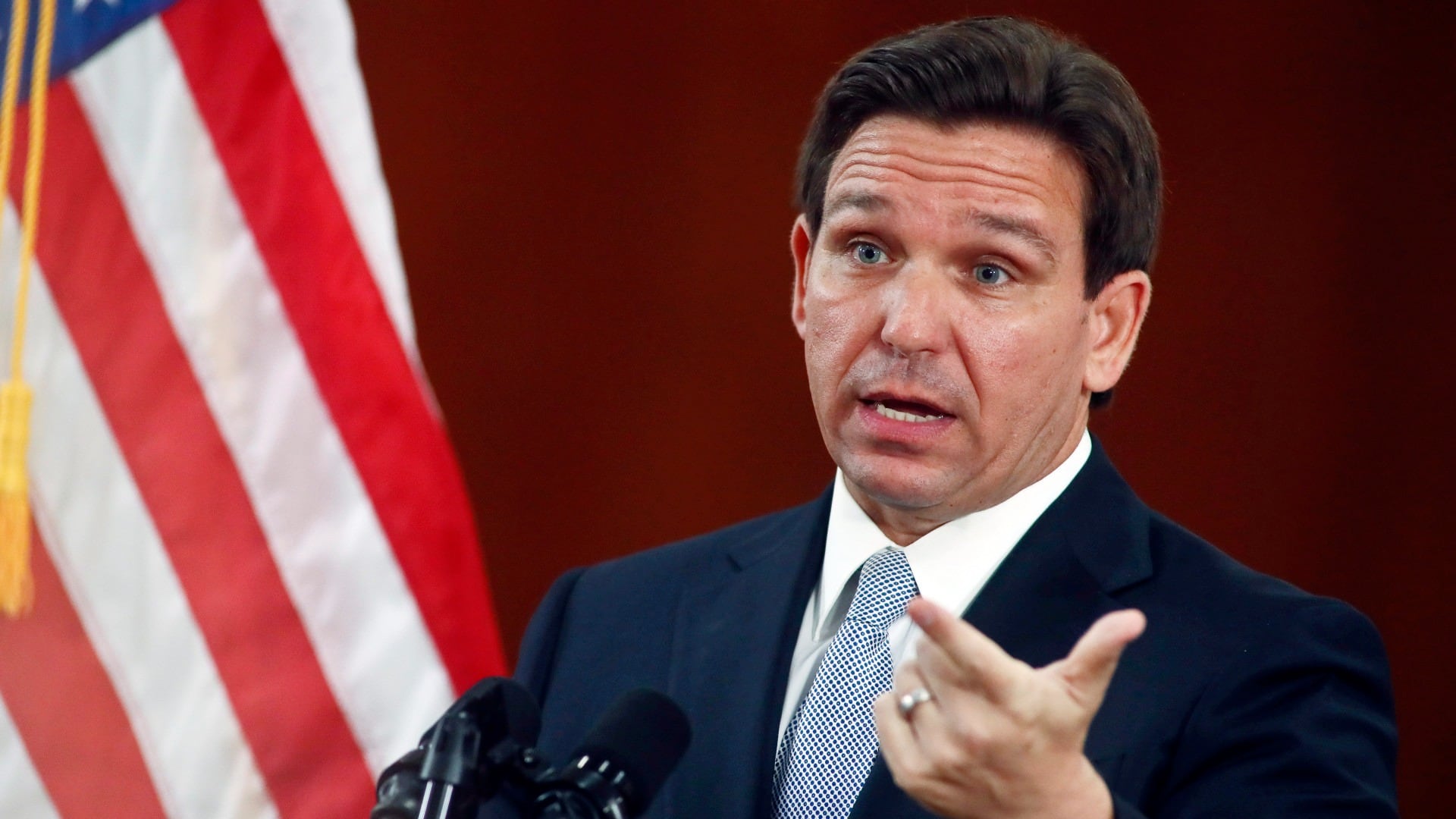
Republican Gov. Ron DeSantis has signed into law a bill approved by the Republican-dominated Florida Legislature to ban abortions after six weeks of pregnancy.
A federal appeals court has ruled that the abortion pill mifepristone can still be used for now but reduced the period of pregnancy when the drug can be taken and said it could not be dispensed by mail.
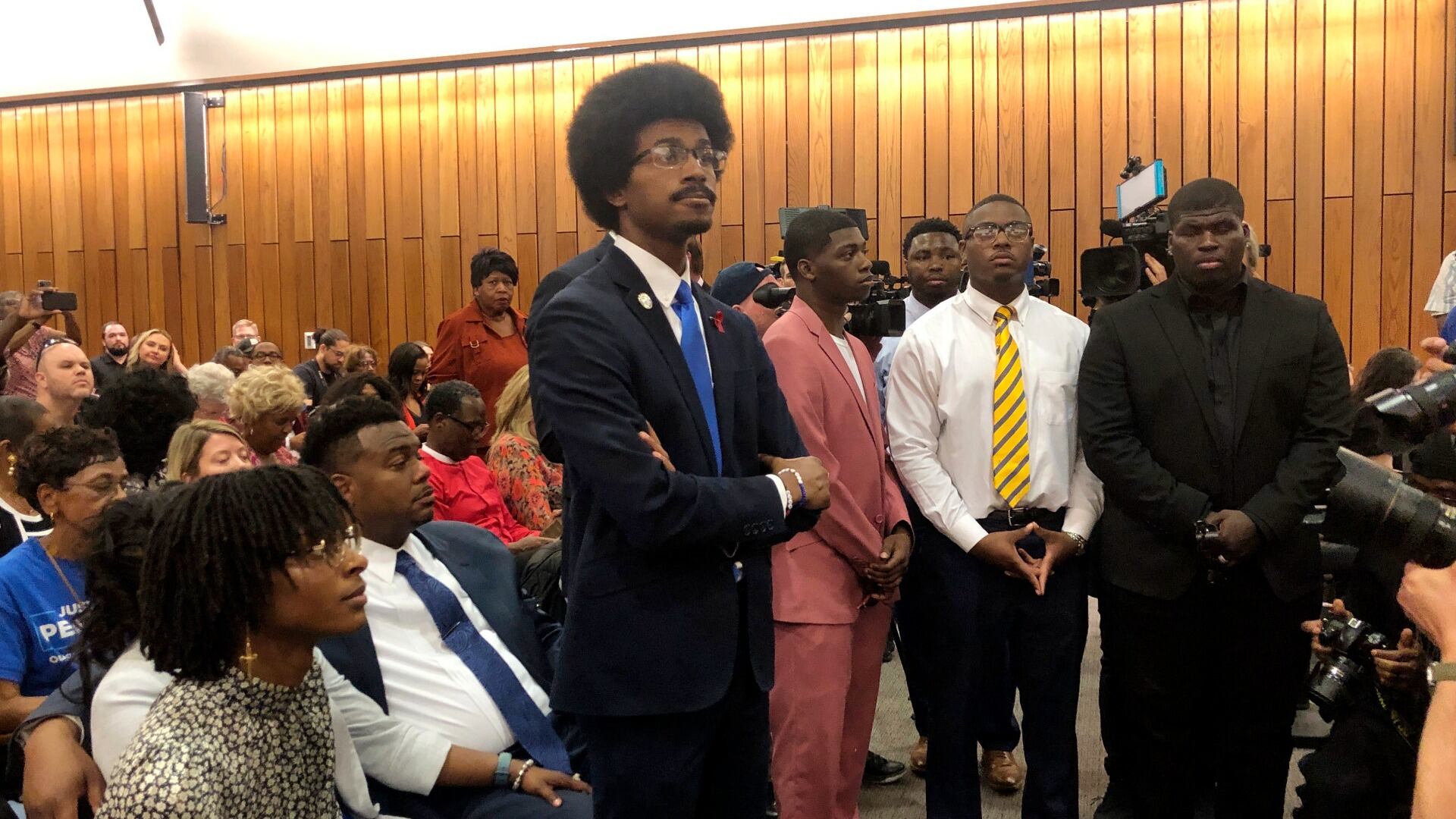
The second of two Black Democrats expelled from the Republican-led Tennessee House will return to the Legislature after a Memphis commission voted to reinstate him Wednesday.
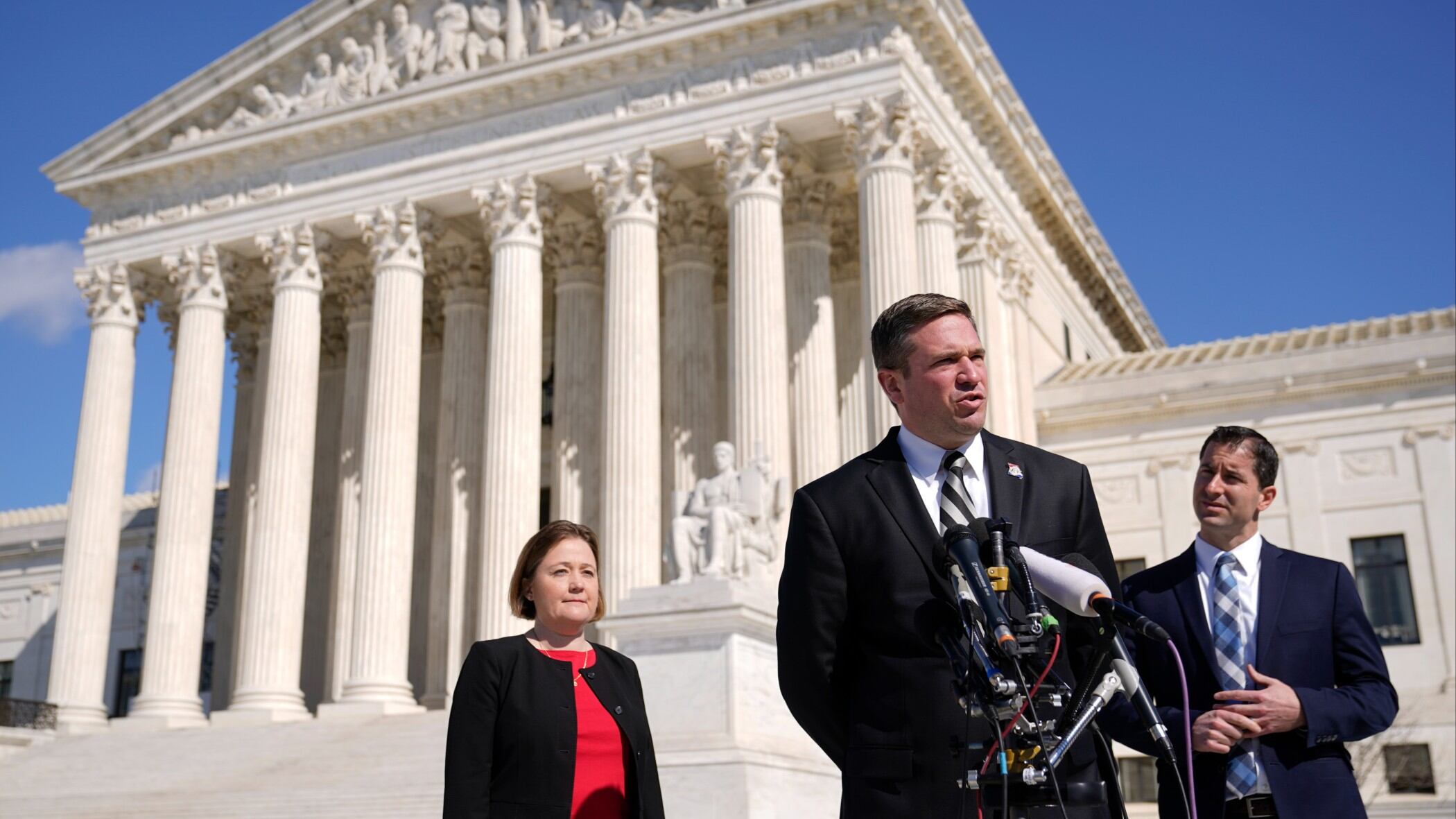
Some abortion clinics are fielding lots of calls from patients since a court ruling last Friday threatened the availability of a main drug used in medication abortion, mifepristone.
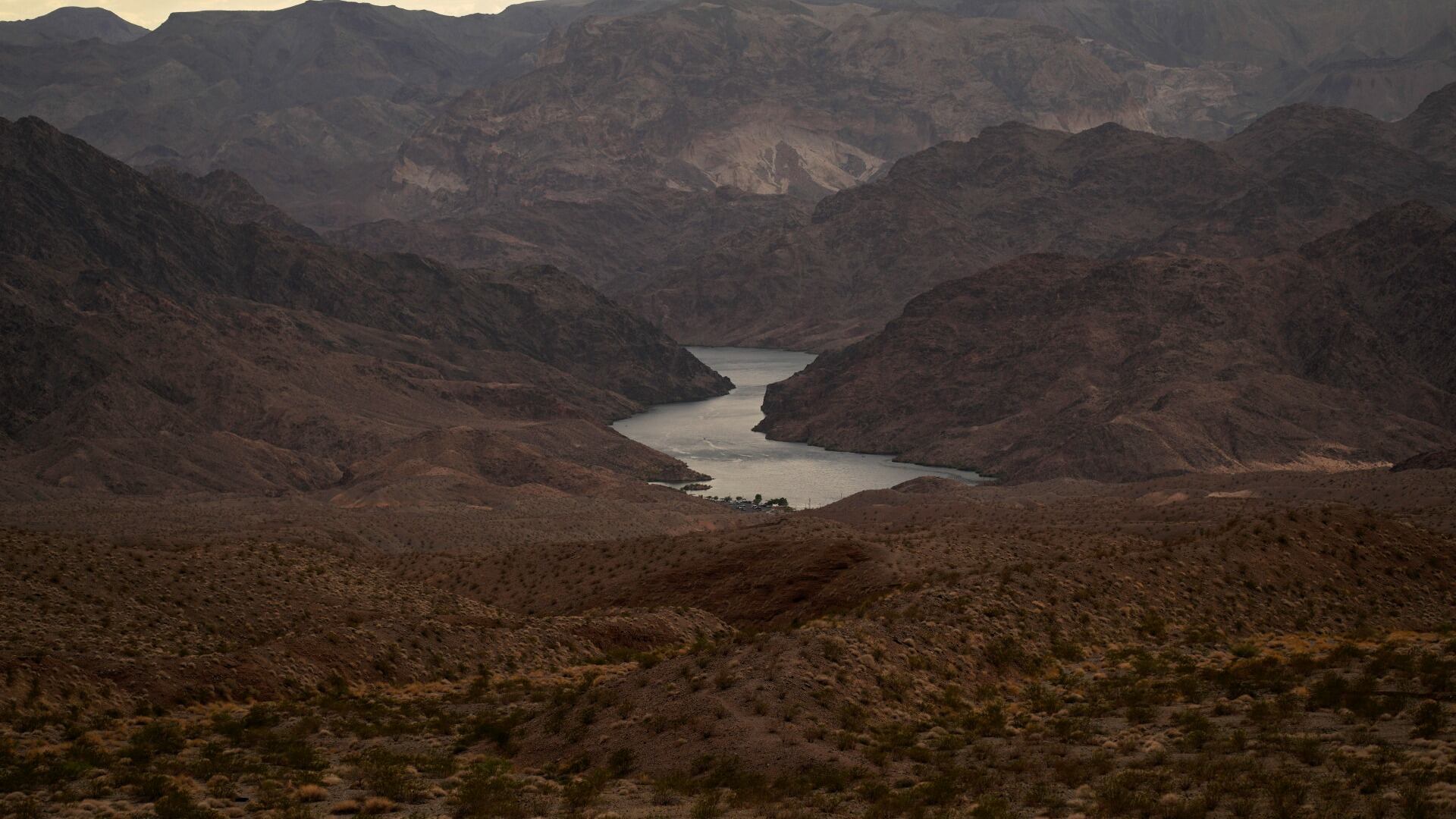
The Biden administration released an environmental analysis Tuesday that outlined two ways that seven Western states and tribes reliant on the over-tapped Colorado River could cut their use, but declined to publicly take a side on the best option.