By Aritz Parra and David Rising
The death toll in Spain from the coronavirus shot up by more than 700 on Wednesday, surpassing China and is now second only to Italy as the pandemic spread rapidly in Europe, with even Britain’s Prince Charles testing positive for the virus.
In India, the world’s largest democracy, the government put its 1.3 billion people on lockdown, while U.S. lawmakers finally agreed on a massive $2 trillion domestic aid package, which buoyed stock markets around the world.
Spain recorded a record daily increase of 738 deaths, pushing it to 3,434 overall and past China’s 3,285, the Ministry of Health said. The country’s infections rose by 20% to 47,610, and more than 5,000 have recovered.
Fernando Simón, head of Spain’s health emergency coordination center, said he hoped the numbers would peak soon.
“If we are not already at the peak, we are very close,” he said. “I cannot say that we have reached it.”
Even once the numbers crest, it would be “counterproductive” to think about relaxing restrictions anytime soon, he added.
The elderly are among the most vulnerable to the coronavirus, and Spain’s nursing home system has been hit particularly hard. Prosecutors are investigating several homes after military troops disinfecting them discovered elderly people living among suspected coronavirus victims who had died.
Spanish media reported that 23 residents of a Madrid retirement home had died from COVID-19 or symptoms related to the new virus, news reports said. The residence hung up when called by The Associated Press, but its management released a statement saying it had been pleading for more staff and supplies, including virus tests, after 55 of its workers had been forced to take medical leave.
National police also arrested two people in southern Spain on Tuesday for throwing stones and other debris at a convoy of ambulances and police vehicles as 28 elderly people were being transferred from a nursing home with a high number of infections to another facility in their town.
With its health system overwhelmed, Spanish hotels have been converted into hospitals and a Madrid ice rink is being used as a temporary morgue. Lawmakers were set to extend the country’s lockdown for two more weeks, to April 12.
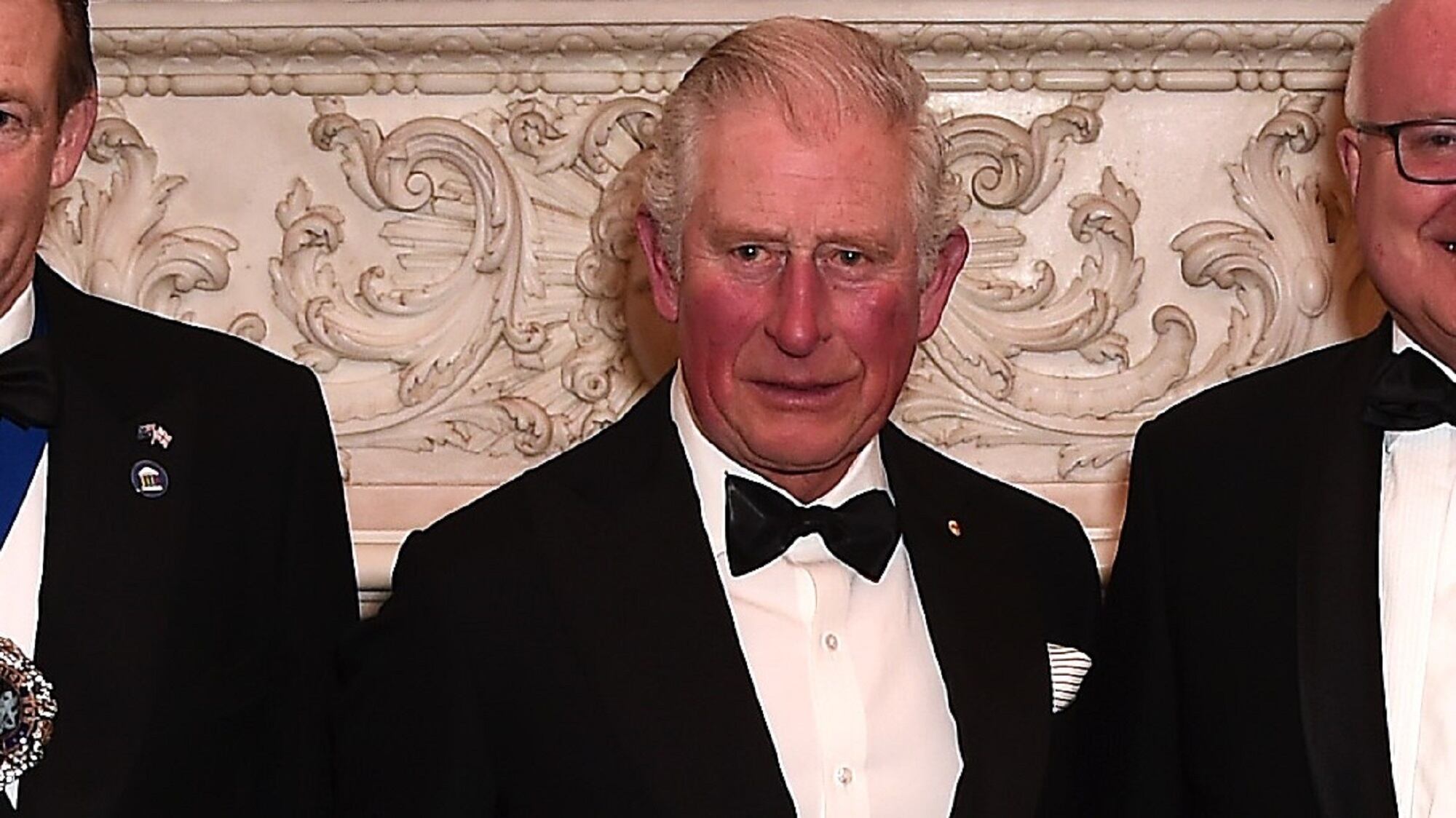
Charles, the 71-year-old heir to the British throne, is showing mild symptoms of COVID-19 and is self-isolating at a royal estate in Scotland, his office said, adding that his wife, Camilla, has tested negative.
Charles “has been displaying mild symptoms but otherwise remains in good health and has been working from home throughout the last few days as usual,” it said.
India, where the massive lockdown is underway, has only about 450 cases due to limited testing, but Prime Minister Narendra Modi warned that if he didn’t act now, it could set the country back decades.
His unprecedented move is aimed at keeping the virus from overwhelming its fragile health care system, as it has done in parts of Europe and threatens to do in U.S. hotspots like New York. Everything but essential services like supermarkets were closed. Normally busy railway stations in New Delhi were deserted and streets were eerily silent.
“Delhi looks like a ghost town,” said Nishank Gupta, a lawyer. “I have never seen the city so quiet before.”
Italy has been the hardest-hit nation in Europe with more than 69,000 infections and 6,800 deaths. Authorities are investigating if a hotly contested Champions League soccer game in Milan in February poured rocket fuel on the crisis that is overwhelming Italian hospitals. Italian doctors are being forced to choose who will receive desperately needed ventilators and who won’t.
Germany’s parliament was set to approve later in the day a series of measures that will allow the government to offer aid totaling more than 1 trillion euros ($1.1 trillion)for the country of 83 million people.
In the United States, infections were climbing rapidly and had passed the 55,000 mark, with deaths at more than 800. Top White House aide Eric Ueland announced the massive economic agreement in a Capitol hallway shortly after midnight after days of haggling.
Relief that U.S. politicians have reached a deal on economic support pushed world stock markets up on Wednesday. Indexes in Europe and Asia rose a day after the Dow Jones Industrial Average had its best day since 1933.
With Americans’ lives and livelihoods hanging in the balance, President Donald Trump said he “would love to have the country opened up and just raring to go by Easter,” on April 12. But that statement sharply contradicted health officials’ calls for stricter restrictions on public interactions. Scientists and other politicians in the U.S. have warned that the worst is yet to come.
New York Gov. Andrew Cuomo said his state’s infections are doubling every three days, threatening to swamp the city’s intensive care units much quicker than experts had expected. The state has 26,000 infections and more than 200 deaths.
“One of the forecasters said to me: ‘We were looking at a freight train coming across the country,’” the governor said. “We’re now looking at a bullet train.”
More than 435,000 people worldwide have been infected by the virus and more than 19,000 have died, according to Johns Hopkins University. Overall, more than 111,000 have recovered.
There are signs, however, that drastic measures to keep people away from one another can push back the spread of the illness and flatten the infection curve. In China’s Hubei province, where the outbreak was first spotted late last year, started lifting its lockdown.
Some train stations and bus services reopened in Hubei and people who passed a health check were allowed to travel for the first time since January. A similar easing in the hard-hit epicenter of Wuhan is planned for April 8.
For most people, the new coronavirus causes mild or moderate symptoms, such as fever and cough that clear up in two to three weeks. For some, especially older adults and people with existing health problems, it can cause more severe illness, including pneumonia and death.
It is the latter cases — often requiring ventilators and specialized care — that threaten to overwhelm hospitals. Several countries are already running short of the critical equipment needed to treat patients and keep doctors and nurses safe. Doctors are dying in Italy and Spain says 14% of its infections are health care workers.
Cases edged up in countries with fragile health care systems. Virus cases in South Africa rose to 709 as the country got ready to go on lockdown Friday and Russia reporting 163 new cases overnight for 658 total.
Russia’s prime minister ordered provincial governors to move more quickly to ready hospital beds for patients as the outbreak spreads across the vast country, and President Vladimir Putin ordered the military to train for helping handle the pandemic.
In New Zealand, the government declared an emergency before an unprecedented lockdown began.
“I have one simple message for New Zealanders today as we head into the next four weeks: Stay at home,” Prime Minister Jacinda Ardern said. “It will break the chain of transmission and it will save lives.”