After years of anticipation, SpaceX is supposed to launch its first ever Falcon Heavy rocket today. SpaceX CEO Elon Musk wants to eventually use these rockets to send people to Mars. However, strong winds could put a dent in the company's plans.
Mary Beth Griggs, Assistant Editor at Popular Science, explains what's causing the delay. Even though the rocket is massive, slight changes to the weather could lead to disaster.
The Falcon Heavy rocket cost about $90 million to build. It is the largest rocket SpaceX has made so far, with 27 engines.
Microsoft is offering a rare peek behind the "cloud" with virtual tours of its Azure public data centers.
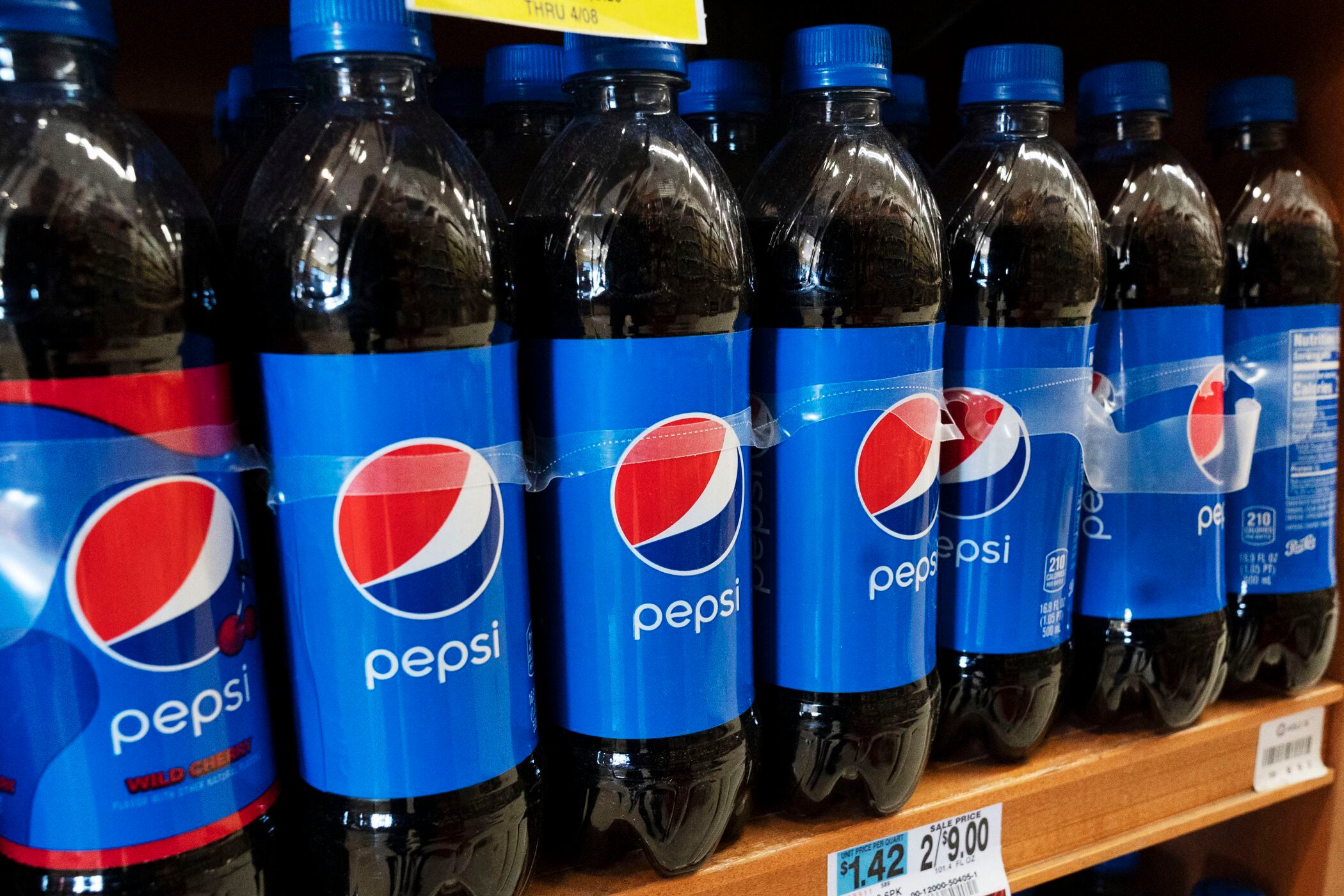
Jim Andrew, global chief sustainability officer at PepsiCo, joined Cheddar to discuss the food and beverage giant's latest attempts at tackling climate change.
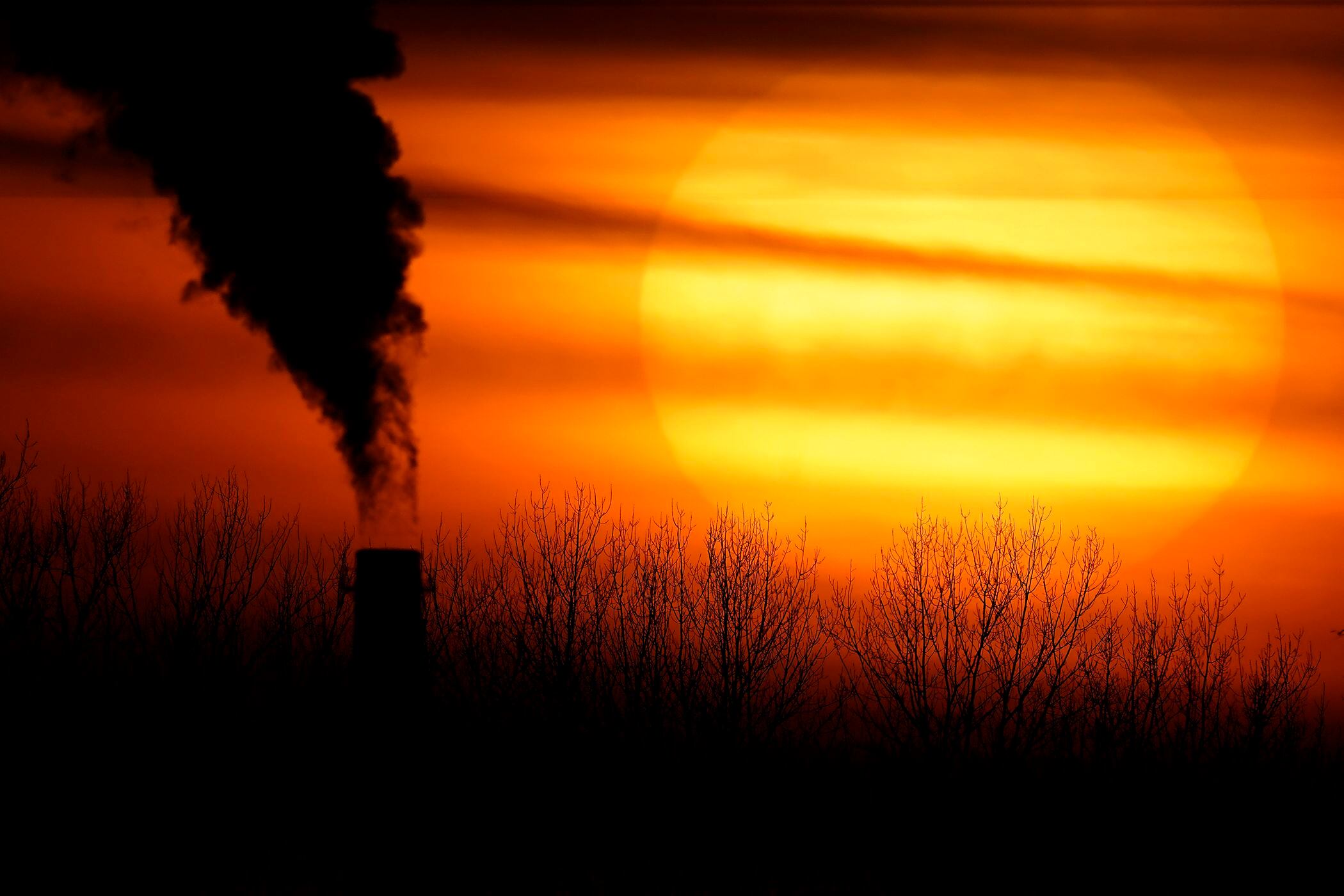
Despite a measurable impact that the COVID-19 pandemic made on carbon emissions throughout 2020, researchers are warning that to hold back climate change, nations need to keep pushing for reductions.
The United States and China, the world’s two biggest carbon polluters, have agreed to cooperate to curb climate change with urgency.
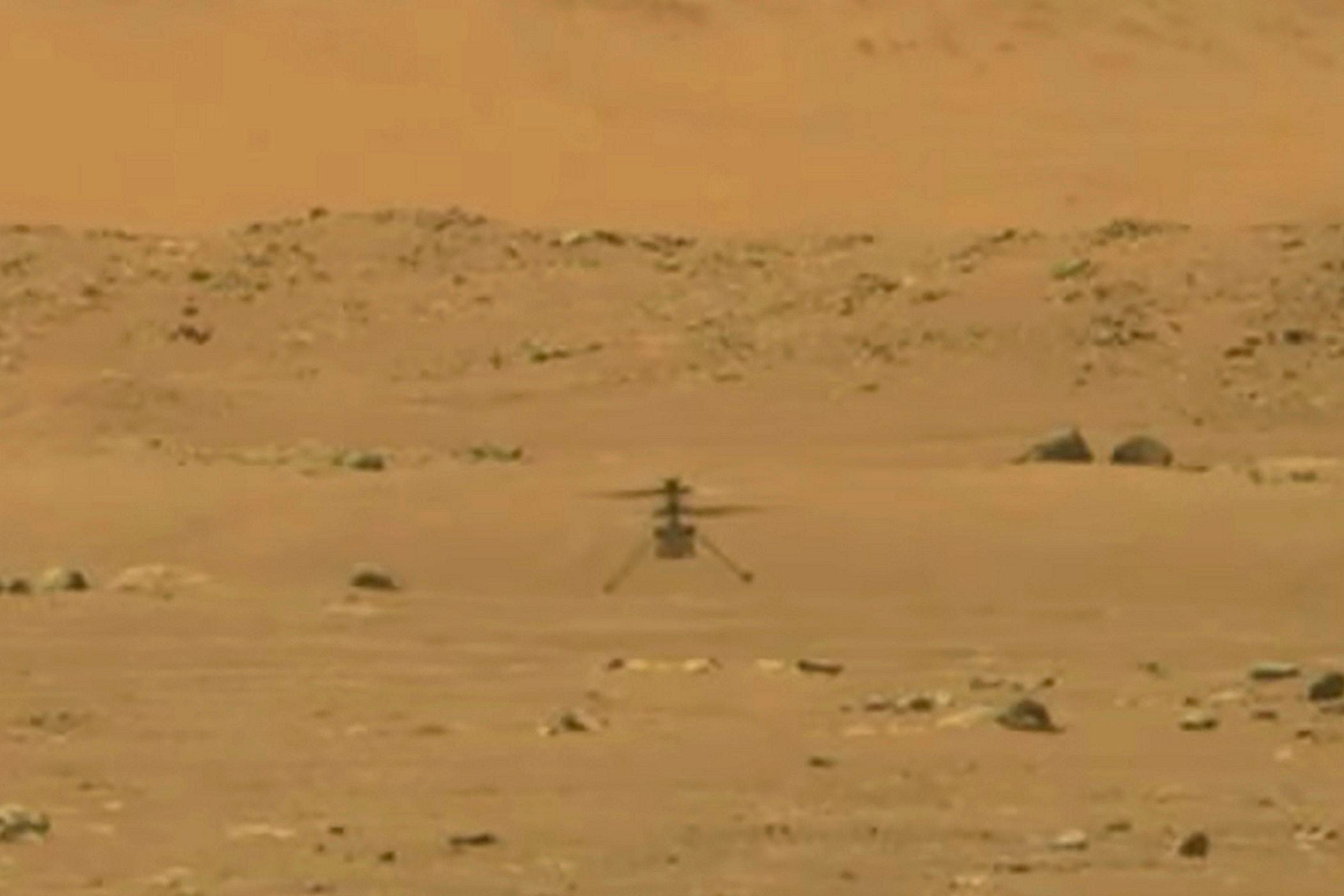
NASA's experimental Mars helicopter has taken flight. The little 4-pound helicopter named Ingenuity rose into the thin air above the dusty red surface of Mars on Monday, achieving the first powered flight by an aircraft on another planet.
From Wall Street to Silicon Valley, these are the top stories that moved markets and had investors, business leaders, and entrepreneurs talking this week on Cheddar.
Developers and architects have been searching for creative solutions to zoning regulations. What started as a creative solution is now the standard blueprint for all modern apartment construction.
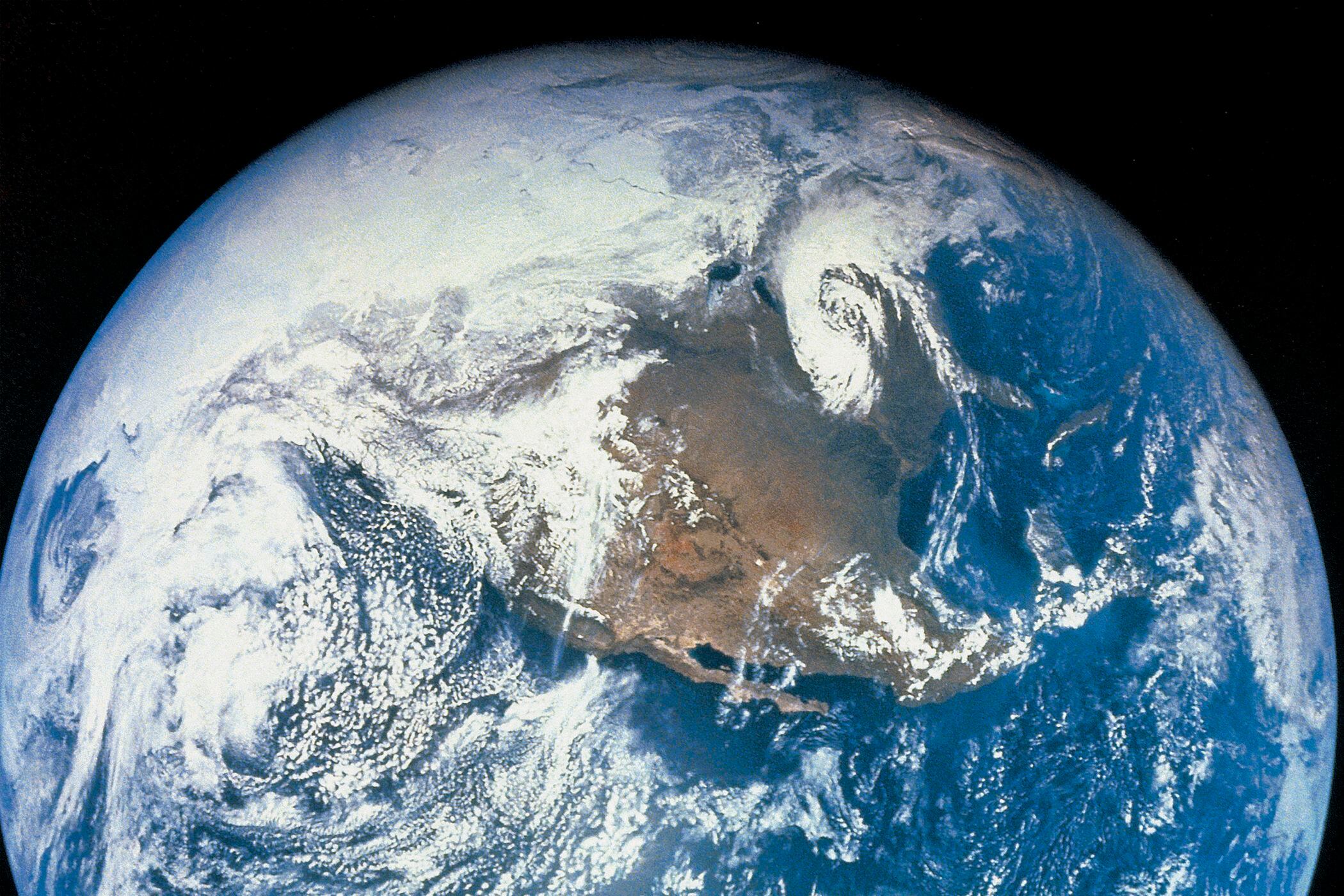
Ideas about how to celebrate Earth Day, even as we continue to fight the COVID-19 pandemic.
Cheddar takes a closer look at the controversy surrounding COVID-19 "vaccine passports."
Japan’s government has decided to start releasing treated radioactive water from the wrecked Fukushima nuclear plant into the Pacific Ocean in two years.