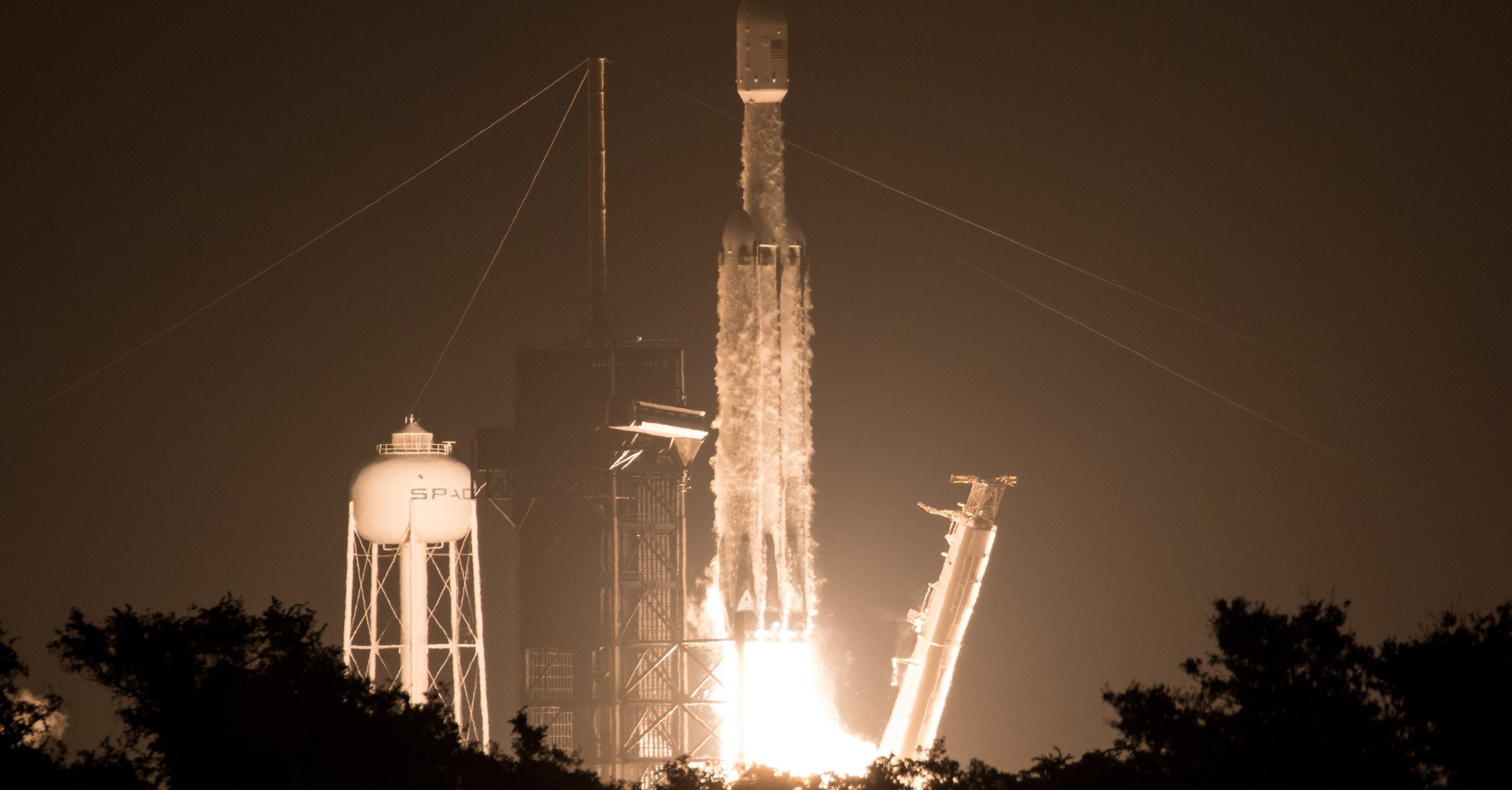
Elon Musk had called Tuesday's launch of SpaceX's Falcon Heavy rocket the "most difficult" yet. So the fact that the rocket made it into space — even if one of its core boosters did end up crashing into the sea — is "a huge deal," according to the former NASA astronaut Leroy Chiao.
Chiao has flown on three Space Shuttle flights, and lived aboard the International Space Station for several months as the commander of the 10th-ever expedition to the habitable satellite.
He adds that SpaceX's mostly successful launch is a promising sign to government agencies — including the Air Force, the Defense Department, and NASA — that commercial, reusable space rockets could make travel beyond earth easier.
"It showed a very high level of sophistication," Chiao told Cheddar. "It all seems to have gone off without a hitch. And so this demonstrates to the Air Force that SpaceX is up to this kind of sophistication and that they're ready, hopefully, to launch more sophisticated and expensive Air Force payloads in the future."
In the early morning hours on Tuesday, the vehicle ascended from NASA's Kennedy Space Center in Florida, beginning its third trip since 2018. After takeoff, the rocket's two side-boosters — which the rocket uses to propel its launch — successfully returned to the ground, landing vertically at the Air Force station on Cape Canaveral.
Leroy said the rocket's greatest challenge was launching myriad spacecraft, including 24 satellites, a new, solar-powered space 'sail,' and NASA's Deep Space Atomic Clock — a tool that should help future vehicles navigate farther into space — to three different orbits. That task required reigniting and shutting off its upper stage, a smaller portion of the rocket that is meant to position payloads into the orbit, several times.
While the rocket's center booster didn't land quite so perfectly (missing its intended target and dramatically crashing into the sea), Falcon Heavy did manage to deploy its payload, an important victory for future flights.
In addition to its spacecraft, the flight also carried the ashes of 152 people.
The former astronaut explained that successfully landing side-boosters has become "more and more routine."
As for the Falcon Heavy's central booster, he says: "It was coming in so hot because of the trajectory of the launch, it looks like it didn't have enough control-authority and fuel to make a successful landing."
The launch marked the first time the Defense Department has deployed its hardware on a rocket that had been launched previously, the New York Times reported.
Falcon Heavy's third ascent also comes amid vigorous competition in the burgeoning commercial space industry, where SpaceX faces tough foes in both Blue Origin and Virgin Galactic.
Meanwhile, government agencies have increasingly looked to private companies to assist in their ventures into space. For instance, the Defense Department's research arm, DARPA, has begun a competition among space launch firms, including Vector Launch and Virgin Orbit, to make the process of delivering small payloads like satellites more flexible.
"It's a natural progression," said Chiao. "This is the next step. NASA never wanted to be the only customer for these services, and so it's natural that NASA would step up and provide a destination for some of these activities, be it research, tourism, or something else."
But spending time in space? That will still require some adjustment.
"You can't go home when you want to go home. You're going to be there for the time of your planned journey," said Chiao. "It can be frustrating at times, but it's definitely worth it."
On this episode of Cheddar Innovates: Founder of Unlimited Tomorrow breaks down how he is creating completely 3D printed prosthetics to make them more affordable, customizable, and accessible; Chief Technology Officer of Zebra Technologies explains what the future of collaboration between robots and humans may look like; A look at Curiosity Stream's 'Mystery of the Roman Skulls.'
Each year about 5,000 people are diagnosed with ALS. This is such an important conversation. A disease that can weaken a patient's muscles and impact physical function. However, one research company says that could all change soon. Coya Therapeutics has developed a way to isolate a patient problematic T-cells in order to help ultimately slow the decline of not just ALS, but potentially Alzheimer's and other neurodegenerative diseases as well. Founder and Chief Executive Officer at Coya Therapeutics, Dr. Howard Berman, joined Cheddar to discuss more.
In the fight against climate change, much of the conversation revolves around reducing greenhouse gases like carbon dioxide or methane - and attempting to raise oxygen levels. But there's another gas - hydrogen - that could play a big role in the fight for the climate. Marco Alvera, CEO of Italian energy infrastructure company Snam and author of the book, 'The Hydrogen Revolution,' joined Cheddar Climate to explain the role hydrogen plays in helping achieve a net-zero future.
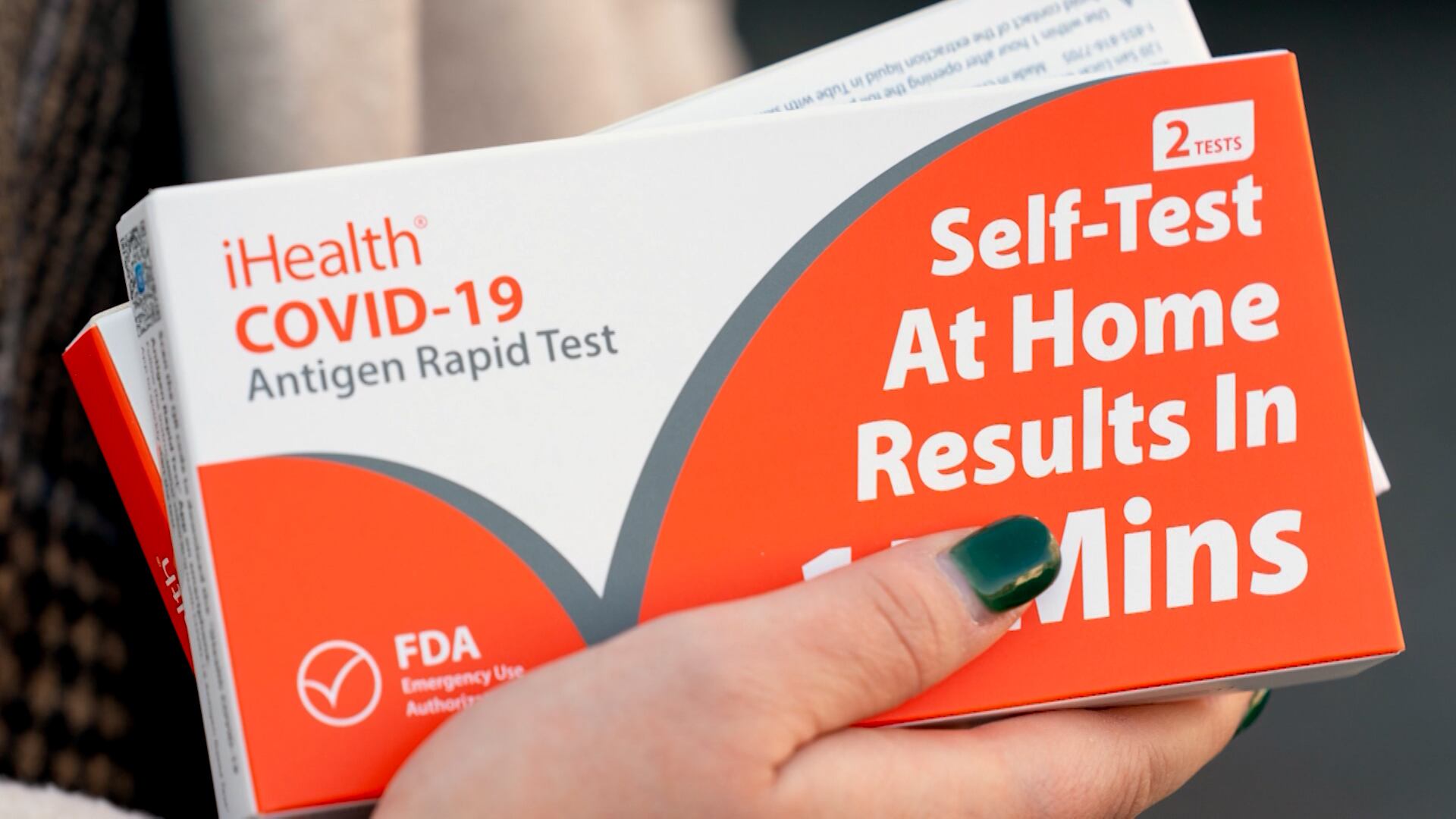
Americans looking to purchase at-home COVID-19 tests will now have to shell out a bit more money after an agreement expired between the White House and companies to sell the tests at cost. The price of Abbot's BinaxNow test kit from October to December was $14 apiece; on Tuesday, Walmart's website listed the test for $19.88, and Kroger listed the tests for $23.99. Carbon Health Regional Clinical Director Dr. Bayo Curry-Winchell joined Cheddar News' Closing Bell to discuss the impact higher prices will have as the nation experiences another surge in cases.
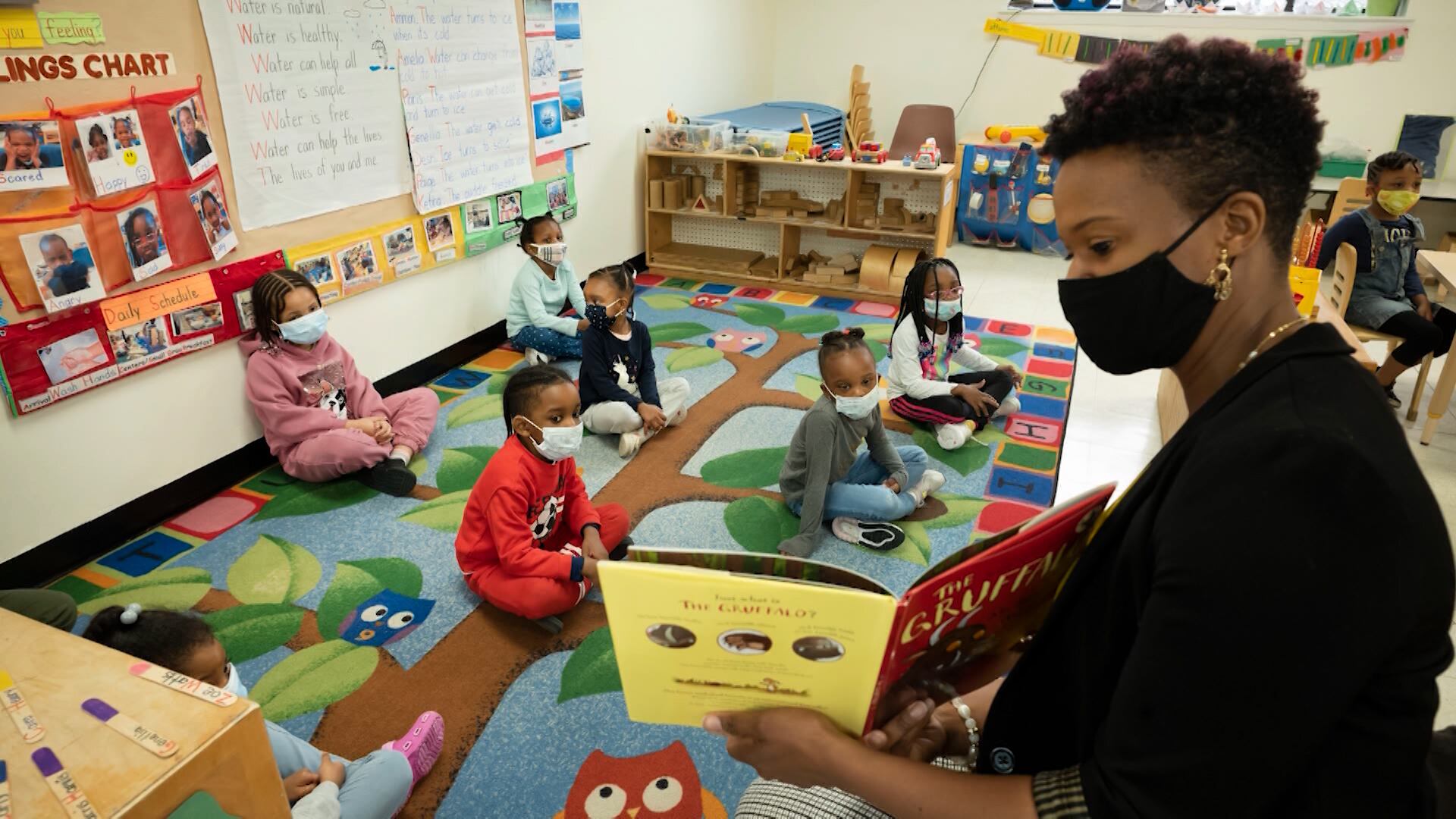
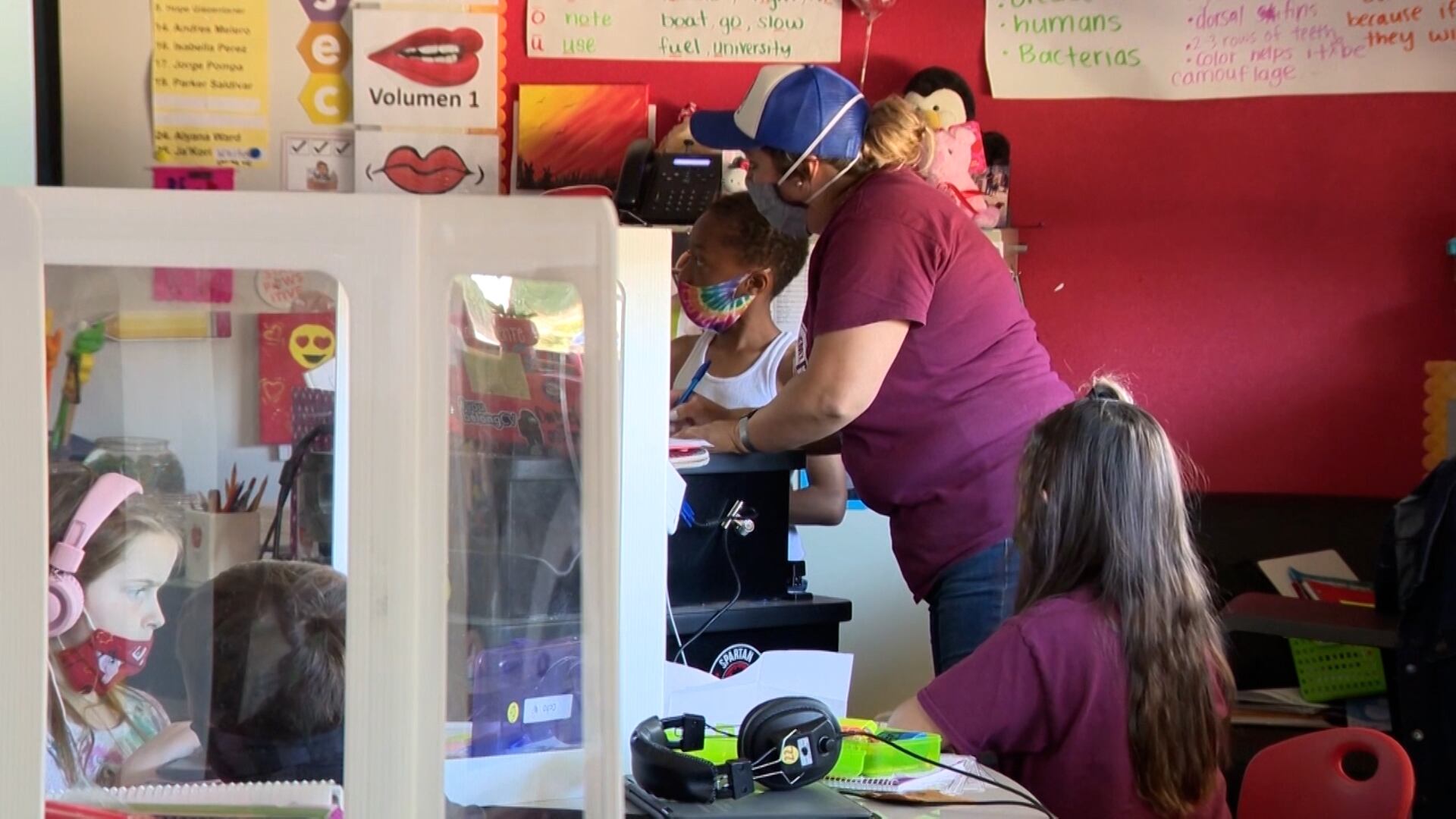
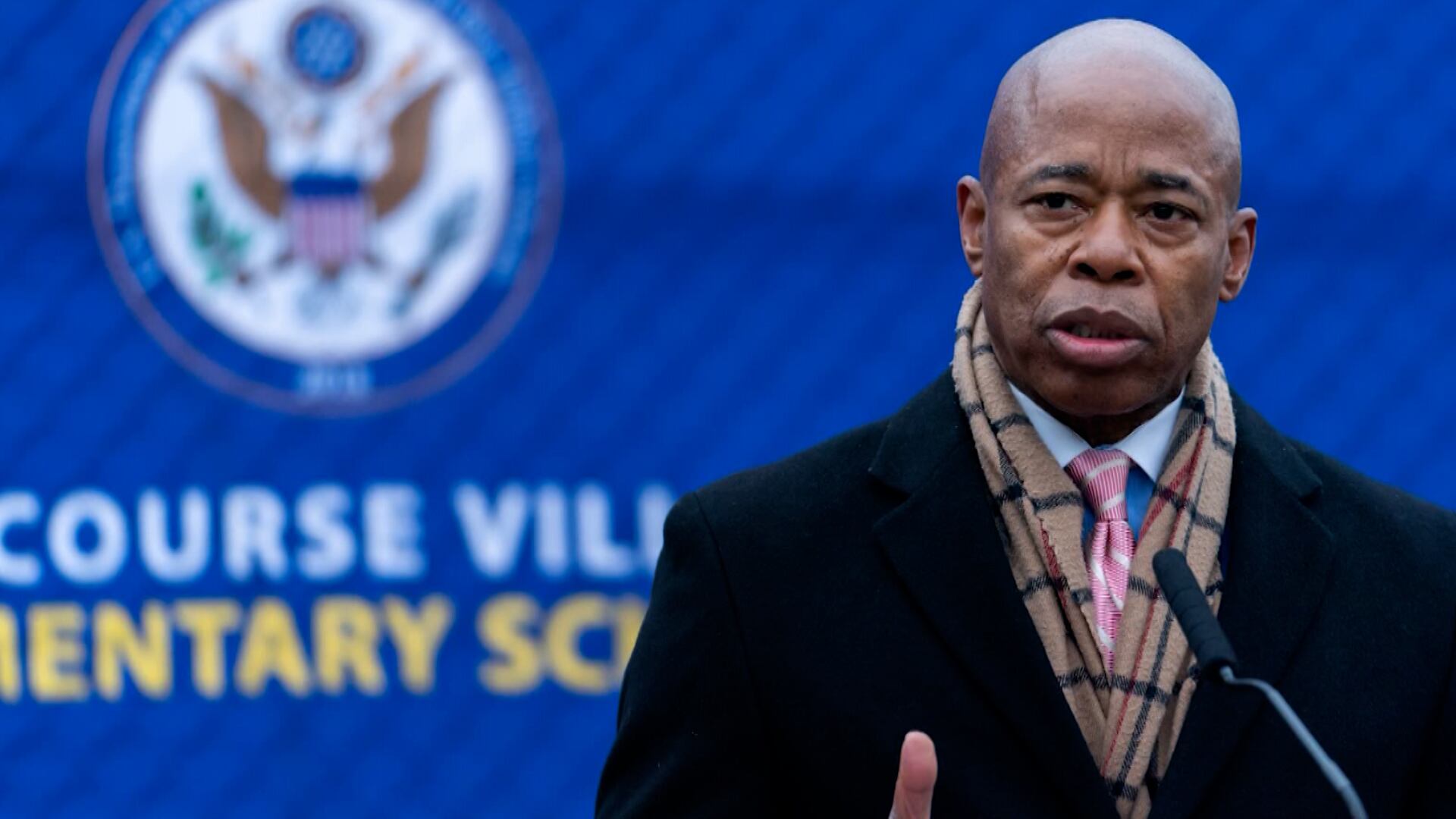
As millions of kids go back to school, districts across the country are determined to keep class in person, despite a surge in COVID cases. In New York City, Mayor Eric Adams has vowed to keep the nation's largest school system open amid Omicron, citing the disastrous effect of remote learning on students. Oswald Feliz, NYC council member who sits on the health and education committee, joined Cheddar to discuss the city's plan to combat the recent surge and keep kids in school.
Schools across the country are determined to keep class in session, despite the rapidly-spreading Omicron variant. While many parents prefer in-person learning, they also worry whether the current public health guidelines will be enough to protect their kids. Erin Richards, national education reporter for USA Today, joined Cheddar to discuss how are schools are preparing for the surge to avoid another round of remote learning.
With the annual CES convention underway amid COVID, HP unveiled rolled out a number of new products virtually this year, including new gaming PCs and 4K display monitors. But as industries look toward a greener future, HP is working with the climate crisis in mind. James McCall, chief sustainability officer at HP, joined Cheddar's Kristen Scholer to discuss the company's climate goals, which includes reducing its carbon footprint to net-zero by 2040. He admitted that reaching the ambitious goal will be difficult because much of the company's emissions totals come from third parties. "A large part of our footprint is outside of HP's direct control. A lot of it comes either from our incoming supply chain, the materials, our manufacturing process, or about 30 to 40 percent of it comes from our consumer-use base," McCall told Cheddar.
Pfizer and BioNTech are working to develop an mRNA-based shingles vaccine following the success of the COVID-19 shot. This latest collaboration will mark the third time the pharmaceutical companies have worked together on a vaccine.
The potential collapse of the Thwaites glacier in Antarctica has been deemed a potential "doomsday event" — researchers and scientists say its melting and collapse could raise global sea levels by at least two feet, enough to destroy coastal communities around the world. One team of scientists is traveling to the Thwaites glacier to drill below in order to gauge current ocean temperatures and attempt to model possible outcomes. David Holland, professor at NYU and Principal Investigator for the International Thwaites Glacier Collaboration, joins Cheddar Climate to discuss the glacier's potential collapse, his team's research plan, and more.
As winter break wraps up and COVID-19 cases hit record levels, the majority of school districts are returning to in-person classes. While some public schools in large cities have shifted to remote learning for the beginning of the year, the schools that are reopening campuses are determined to avoid the academic, social, and logistical challenges that come with a virtual classroom. Cheddar News is joined by Keith Powers, NYC Council Member, to discuss.