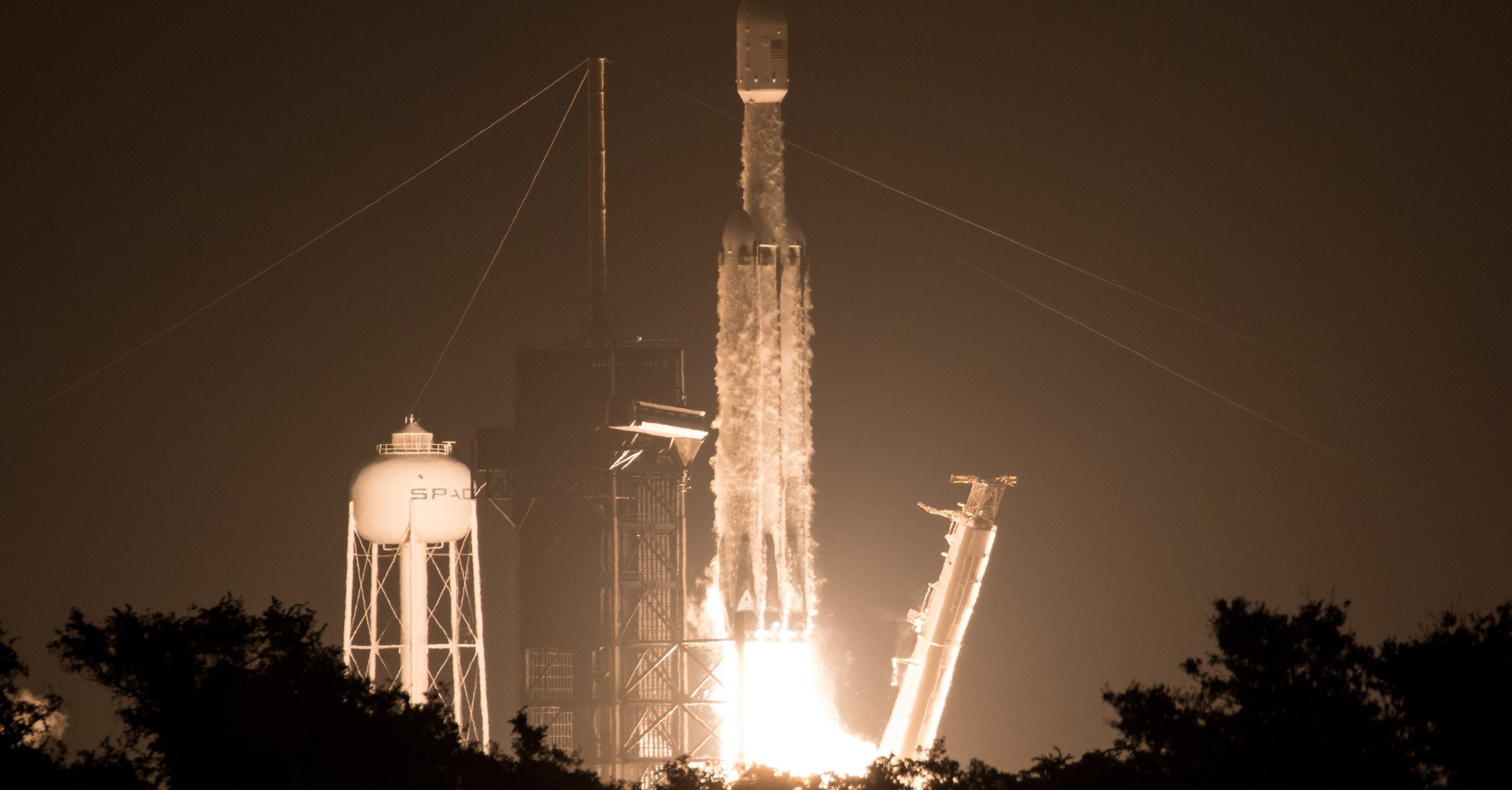
Elon Musk had called Tuesday's launch of SpaceX's Falcon Heavy rocket the "most difficult" yet. So the fact that the rocket made it into space — even if one of its core boosters did end up crashing into the sea — is "a huge deal," according to the former NASA astronaut Leroy Chiao.
Chiao has flown on three Space Shuttle flights, and lived aboard the International Space Station for several months as the commander of the 10th-ever expedition to the habitable satellite.
He adds that SpaceX's mostly successful launch is a promising sign to government agencies — including the Air Force, the Defense Department, and NASA — that commercial, reusable space rockets could make travel beyond earth easier.
"It showed a very high level of sophistication," Chiao told Cheddar. "It all seems to have gone off without a hitch. And so this demonstrates to the Air Force that SpaceX is up to this kind of sophistication and that they're ready, hopefully, to launch more sophisticated and expensive Air Force payloads in the future."
In the early morning hours on Tuesday, the vehicle ascended from NASA's Kennedy Space Center in Florida, beginning its third trip since 2018. After takeoff, the rocket's two side-boosters — which the rocket uses to propel its launch — successfully returned to the ground, landing vertically at the Air Force station on Cape Canaveral.
Leroy said the rocket's greatest challenge was launching myriad spacecraft, including 24 satellites, a new, solar-powered space 'sail,' and NASA's Deep Space Atomic Clock — a tool that should help future vehicles navigate farther into space — to three different orbits. That task required reigniting and shutting off its upper stage, a smaller portion of the rocket that is meant to position payloads into the orbit, several times.
While the rocket's center booster didn't land quite so perfectly (missing its intended target and dramatically crashing into the sea), Falcon Heavy did manage to deploy its payload, an important victory for future flights.
In addition to its spacecraft, the flight also carried the ashes of 152 people.
The former astronaut explained that successfully landing side-boosters has become "more and more routine."
As for the Falcon Heavy's central booster, he says: "It was coming in so hot because of the trajectory of the launch, it looks like it didn't have enough control-authority and fuel to make a successful landing."
The launch marked the first time the Defense Department has deployed its hardware on a rocket that had been launched previously, the New York Times reported.
Falcon Heavy's third ascent also comes amid vigorous competition in the burgeoning commercial space industry, where SpaceX faces tough foes in both Blue Origin and Virgin Galactic.
Meanwhile, government agencies have increasingly looked to private companies to assist in their ventures into space. For instance, the Defense Department's research arm, DARPA, has begun a competition among space launch firms, including Vector Launch and Virgin Orbit, to make the process of delivering small payloads like satellites more flexible.
"It's a natural progression," said Chiao. "This is the next step. NASA never wanted to be the only customer for these services, and so it's natural that NASA would step up and provide a destination for some of these activities, be it research, tourism, or something else."
But spending time in space? That will still require some adjustment.
"You can't go home when you want to go home. You're going to be there for the time of your planned journey," said Chiao. "It can be frustrating at times, but it's definitely worth it."
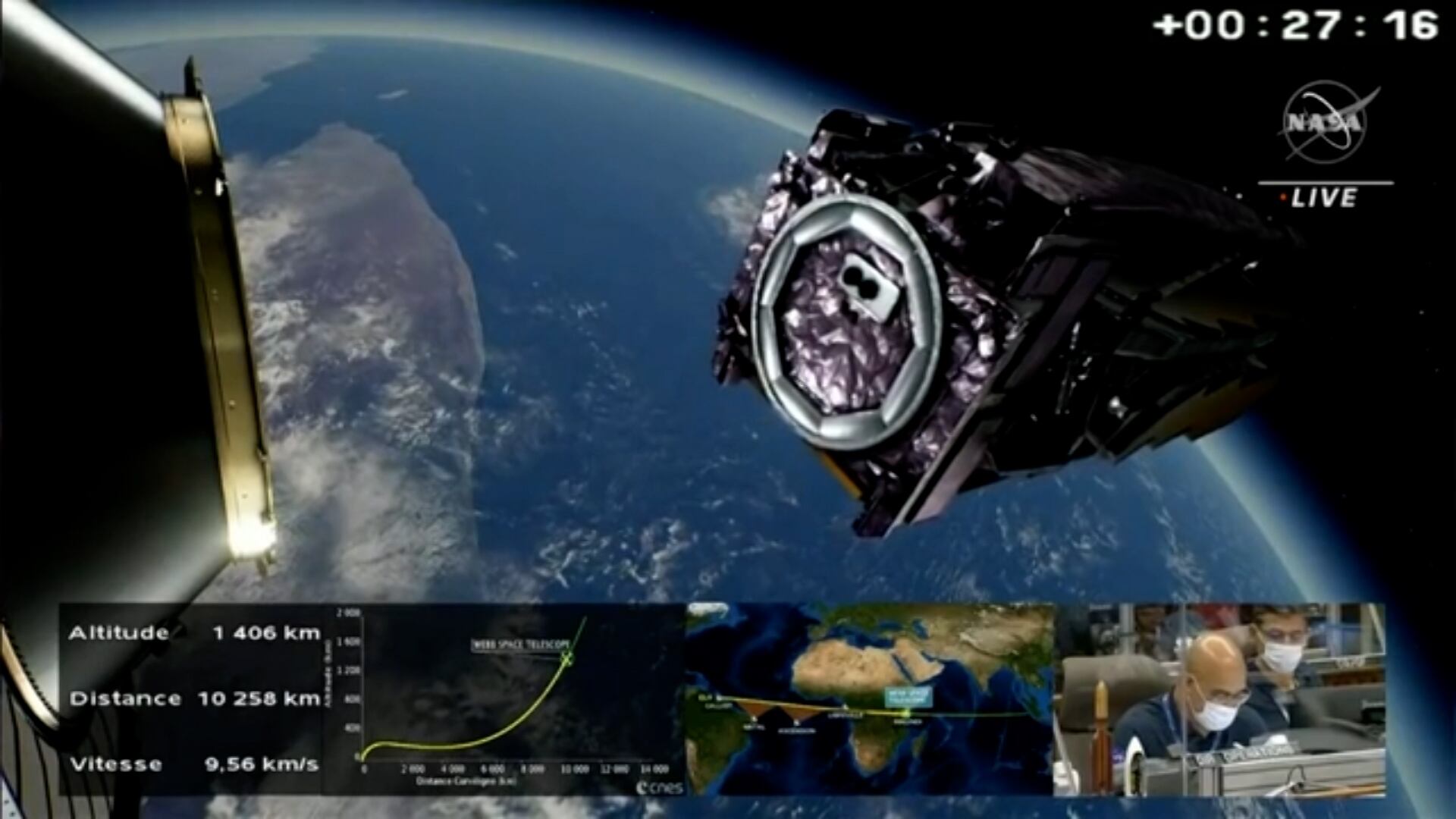
2021 was an exciting year for space innovations, but 2022 could hold even more in store. Cheddar took a deep dive into the space mission on tap for the year ahead.
The United States purchased over 600,000 doses of a monoclonal antibody treatment from Glaxosmithkline and Vir Biotechnology, bringing the total worldwide doses purchased to 1.7 million. This comes as the country attempts to ramp up treatment options as cases of the omicron variant continue to surge. Dr. Asha Shah, Director of Infectious Diseases at Stamford Health joined Cheddar's Opening Bell to discuss.
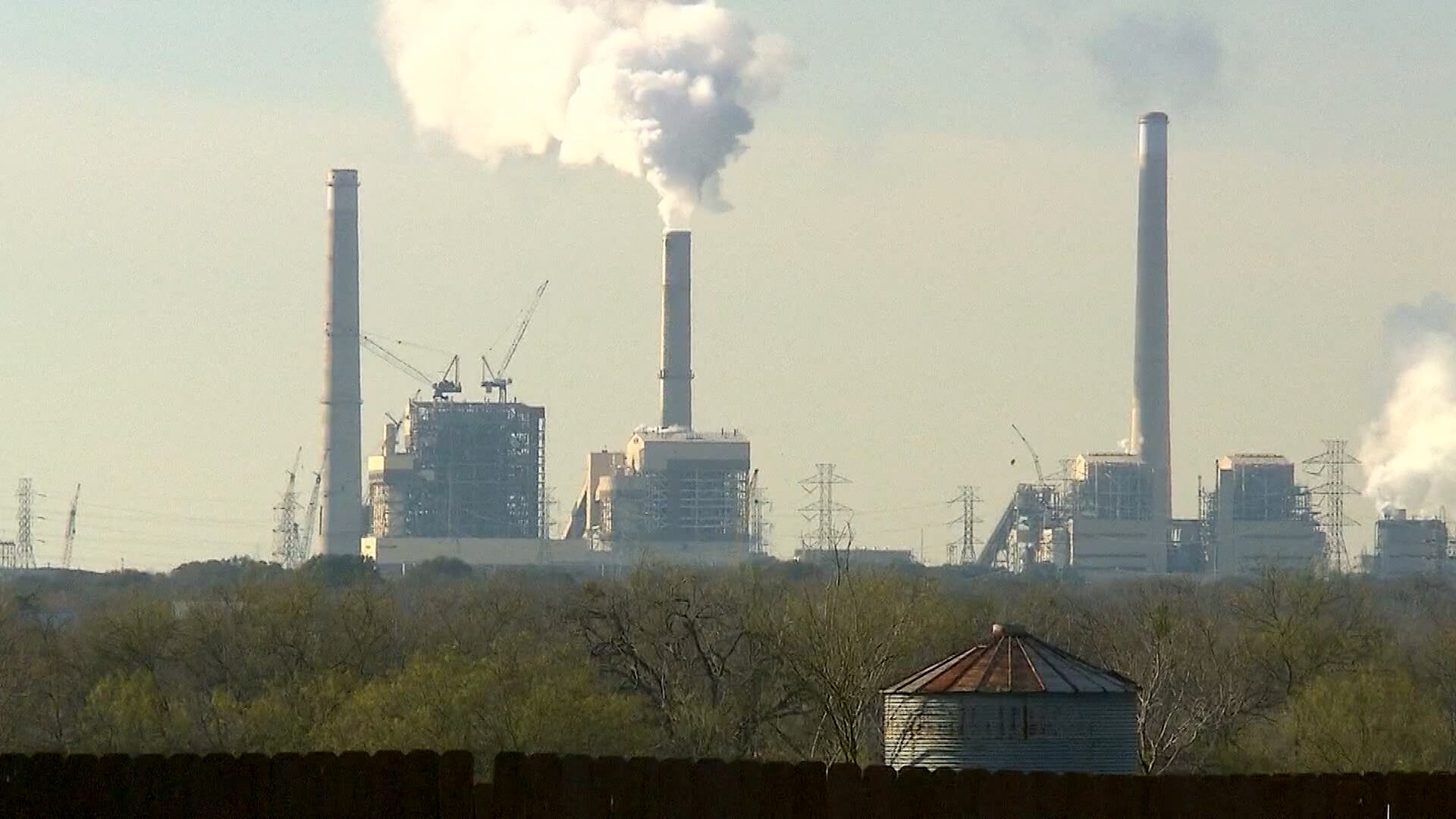
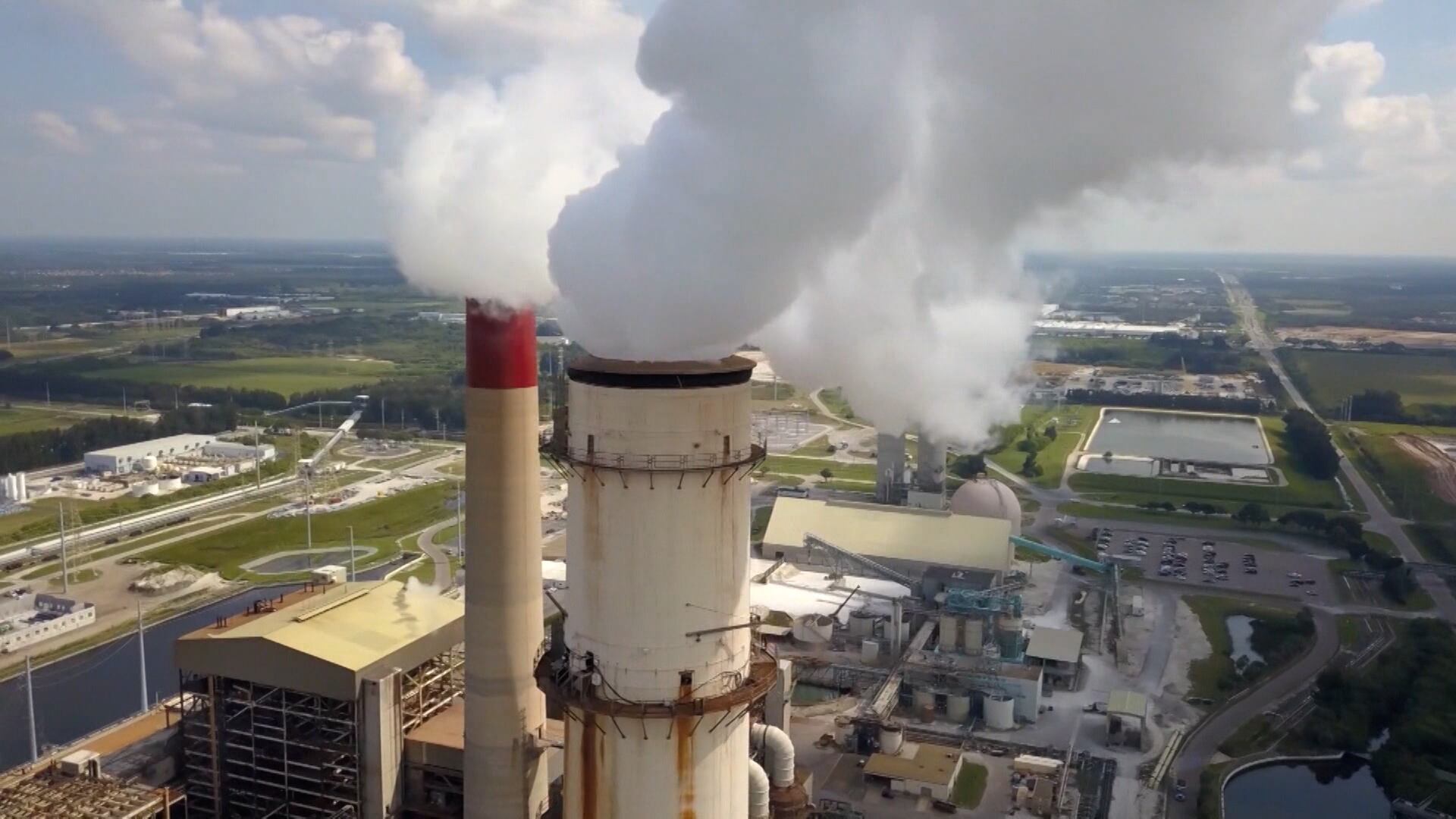
As the pandemic slammed the brakes on the nation's economy in 2020, America's greenhouse gas emissions reached their lowest levels in at least three decades. However, as the world, and the economy re-opened, 2021 told a much different story as emissions surged. Biden's flagship 'Build Back Better' act involves billions in spending on electric cars and renewables, in an effort to cut U.S. emissions, experts are still skeptical that the nation will meet the current 2030 target. Andrew Dessler, professor of atmospheric sciences at Texas A&M University, joins Cheddar News.
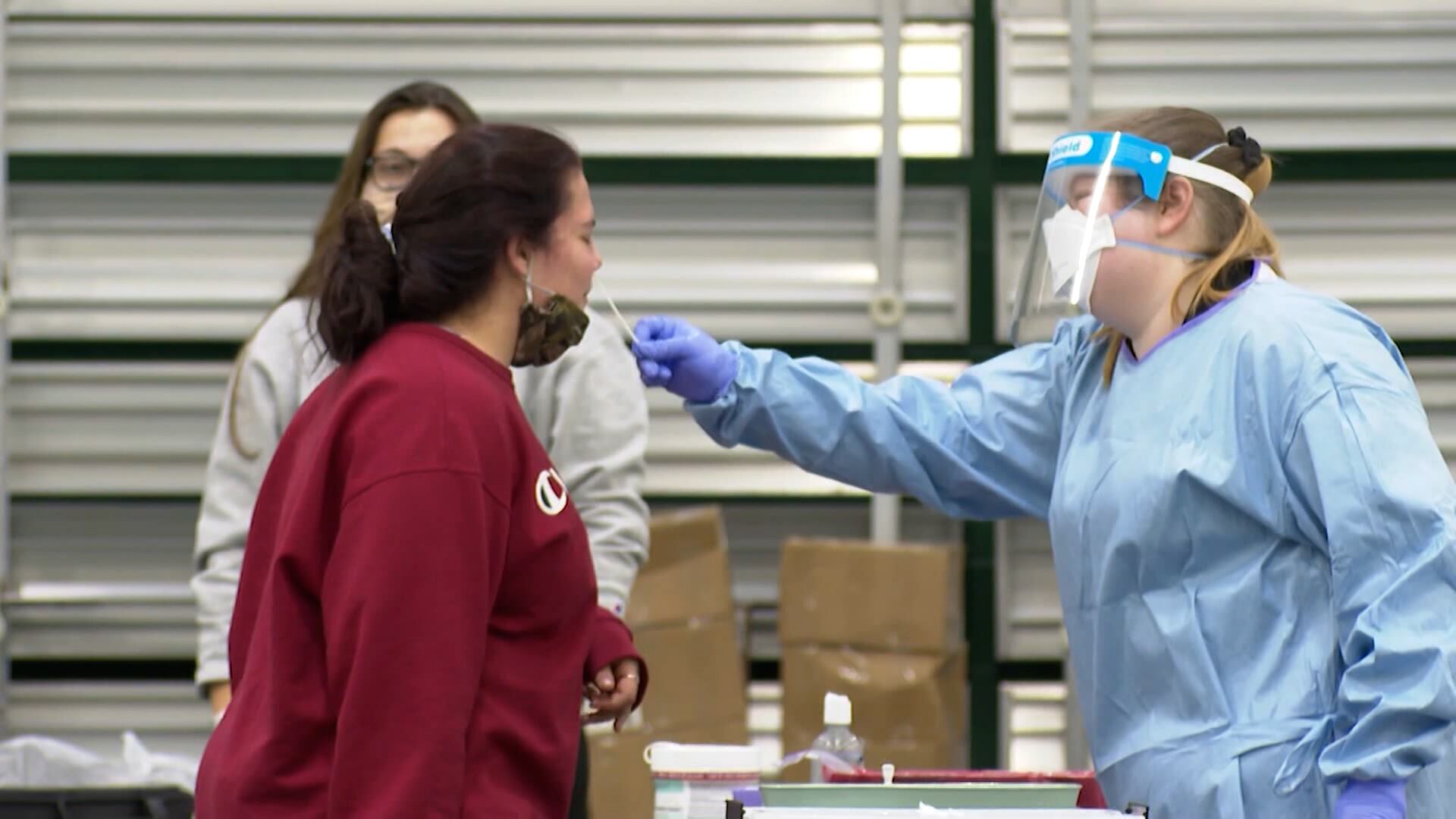
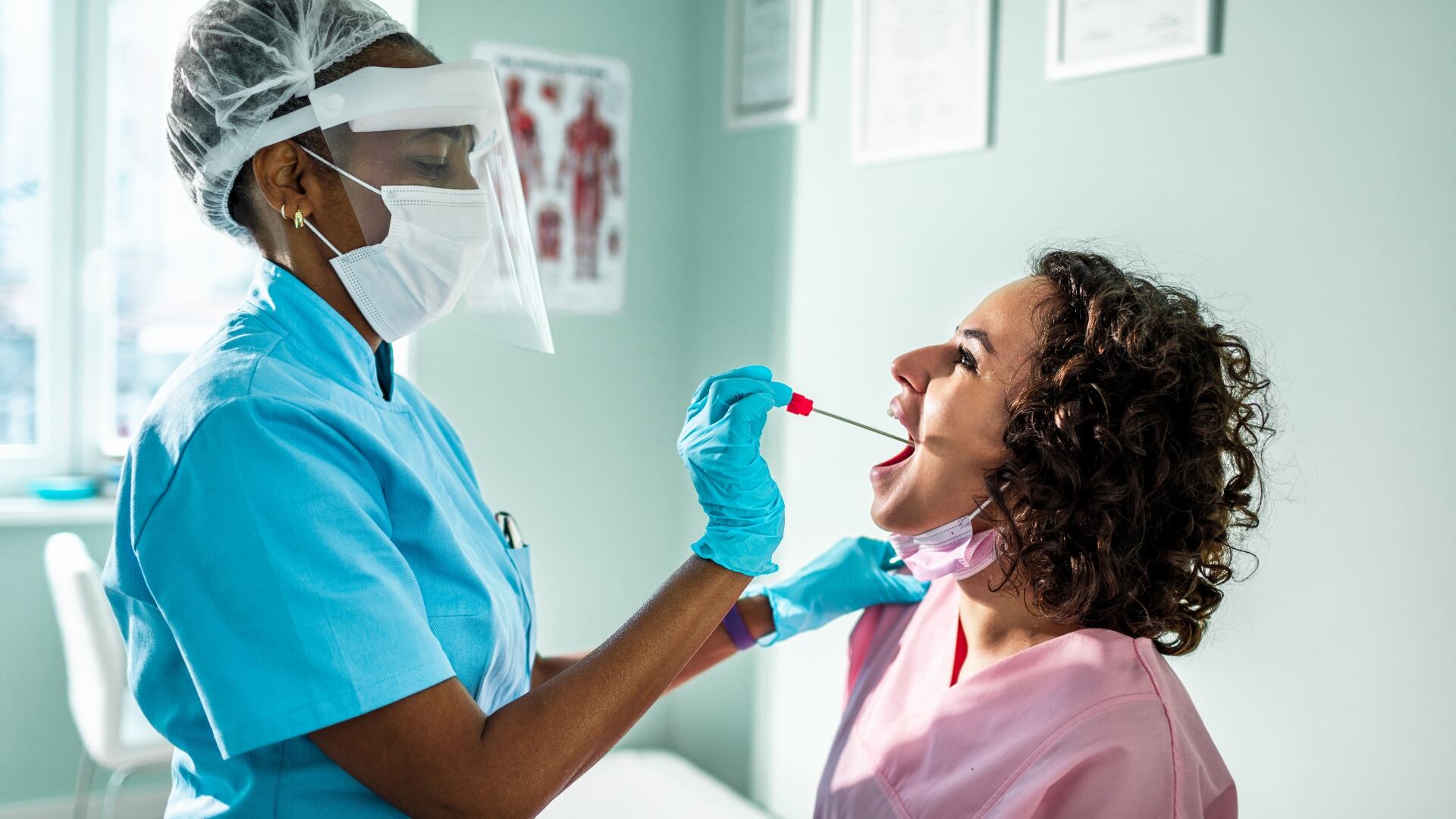
Amid the omicron surge, a new debate has emerged about whether or not throat swabs are more effective than nasal swabs for COVID testing. Dr. William Schaffner, MD, professor of infectious diseases, Vanderbilt Medical Center, sat down with Cheddar's News Wrap to weigh in on the dispute. "Should there be a change? You've got to do the studies, show that in the field [a throat swab] works as well or better than the nasal specimen," he said. "Let's not do it off our hips, as we say."
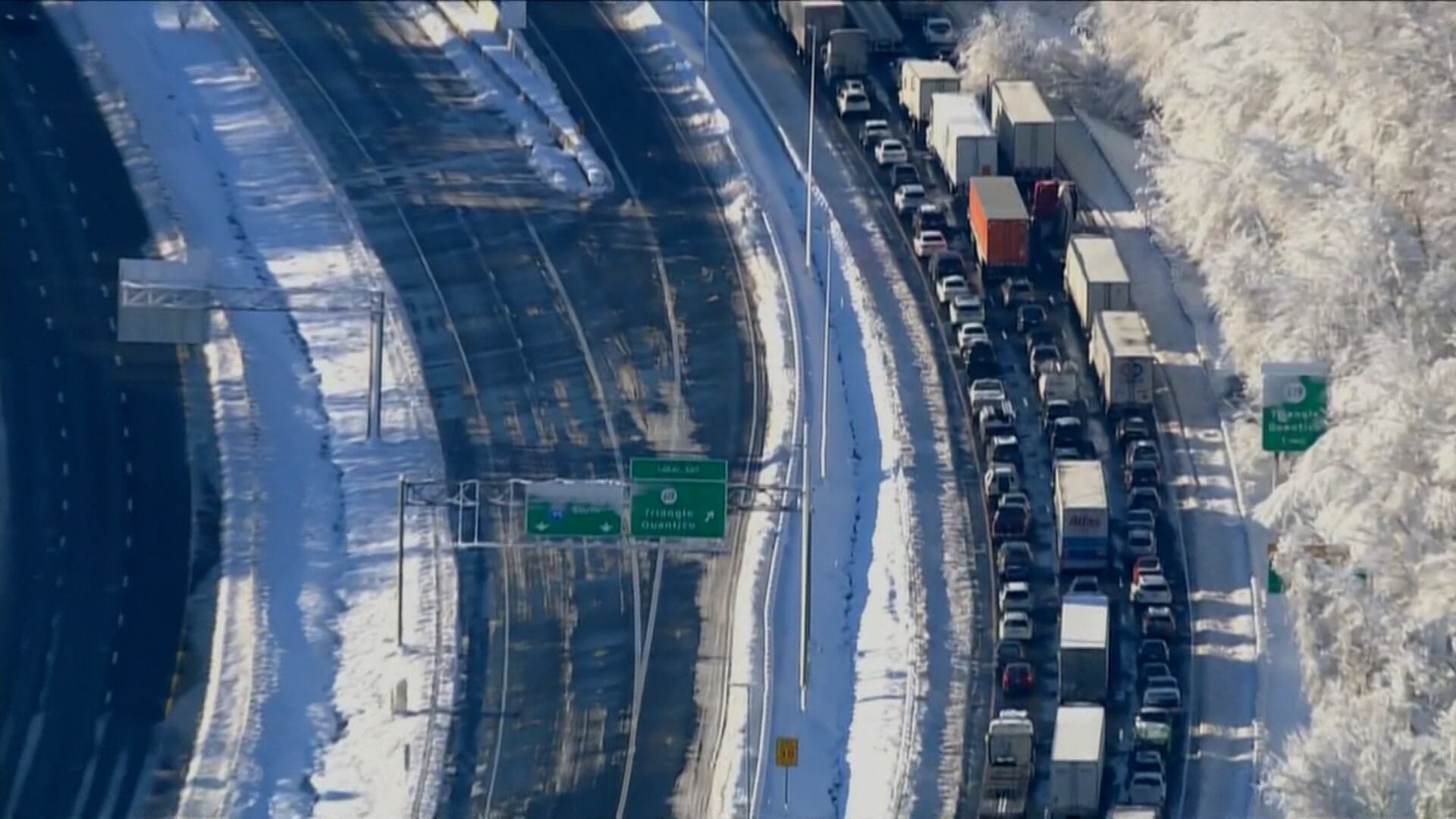
Virginia Governor Ralph Northam is declaring a state of emergency after Monday's winter storm left hundreds of drivers stranded on the interstate for more than 24 hours.
The snow also knocked out power for many residents, with more than 100,000 outages remaining days later.
Michael Wehner, a climate scientist at Lawrence Berkeley national laboratory, discusses recent weather disasters.
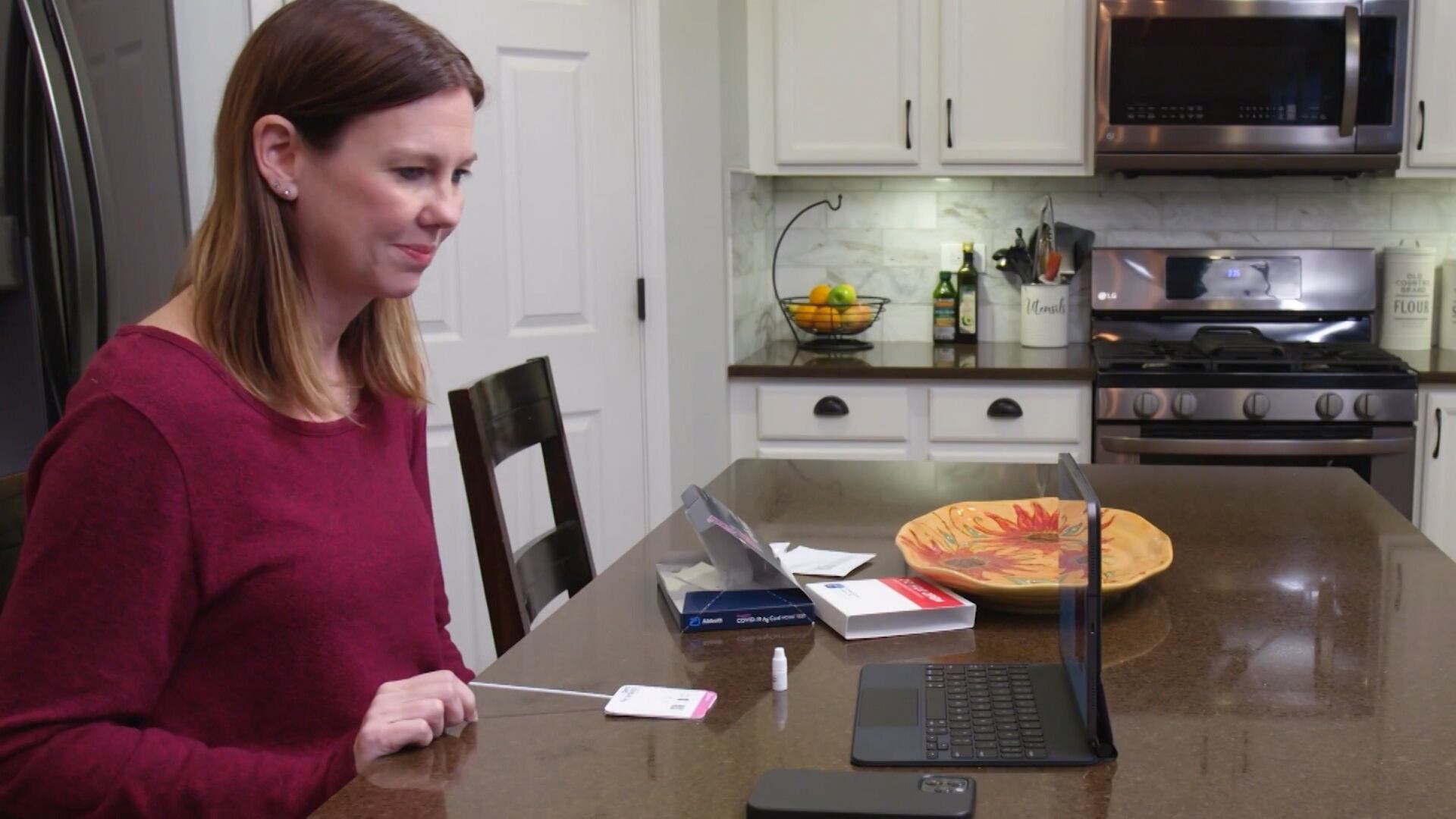
As the need for COVID-19 testing increases, so does the price of the tests themselves. An agreement with The White House and several major companies to sell the tests at a lower cost has now expired, sending prices up as retailers struggle to keep kits on shelves. Dr. Thomas McGinn, executive VP of physician enterprise at Common Spirit Health, joins Cheddar News to discuss.
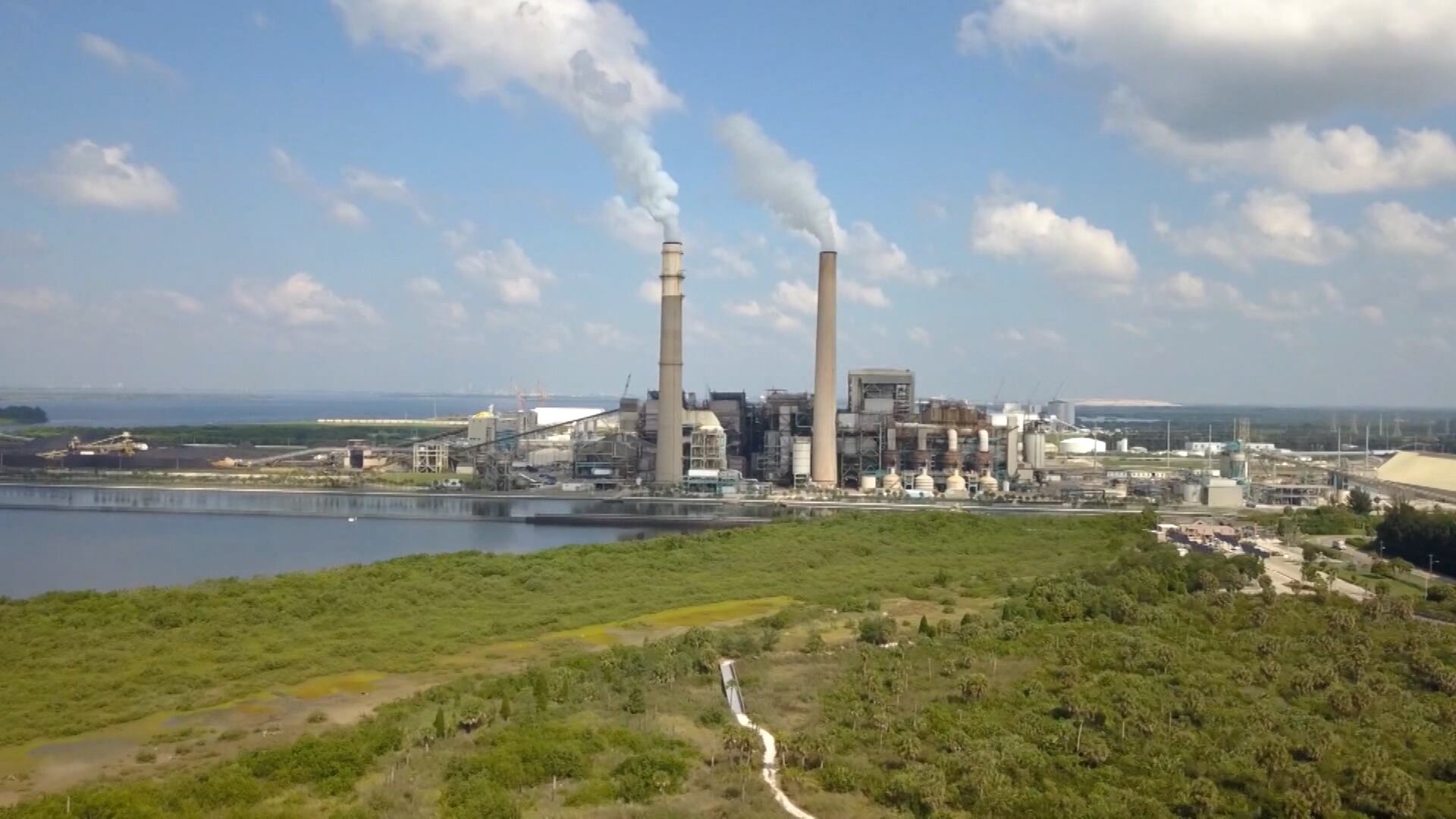
A new report shows 2021 saw a surge in U.S. greenhouse gas emissions, indicating that the country remains far off track from meeting President Biden's climate change targets. Biden previously pledged to cut the nation's emissions in half by 2030, and now experts warn that immediate action must be taken in order to get the nation back on track. Zeke Hausfather, director of climate and energy at The Breakthrough Institute on U.S. Emissions and Global Temperatures, joins Cheddar News to discuss.
Electric vehicles are quickly becoming an accessible way for consumers to slash emissions as legacy automakers begin to electrify their fleets and world leaders including President Joe Biden push for broad EV adoption. But consumers have concerns about EV range, the availability of charging stations, and more. What if it were both helpful to consumers — and feasible from a climate change standpoint — to keep hybrid models that run on gas on the market? Gill Pratt, CEO of the Toyota Research Institute & Toyota Motor Corporation's Chief Scientist joins Cheddar Climate to discuss his team's research about 'carbon return on investment,' how Toyota is electrifying its fleet, and more.
According to a recent analysis compiled by The Washington Post, more than four in 10 Americans lived in areas hit by climate-related disasters in 2021. Jonathan Porter, Chief Meteorologist at AccuWeather, joined Cheddar Climate to discuss what this means and what can be done to prevent severe weather events from becoming even worse.
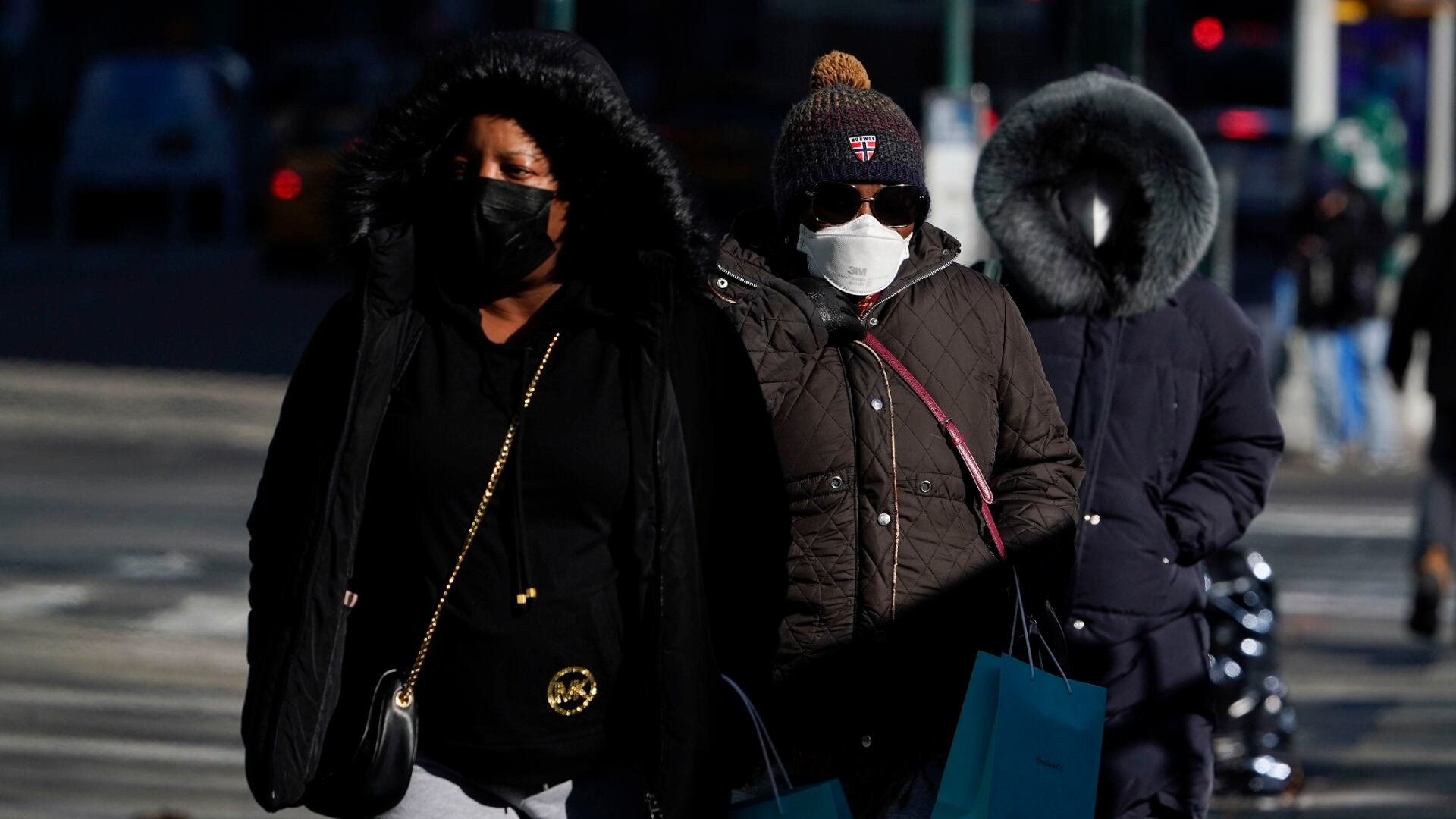
It's a painfully cold week across a large portion of the U.S. with more than 185 million Americans experiencing below-freezing temperatures on Monday and 10 million of them dealing with dangerous sub-zero temps.