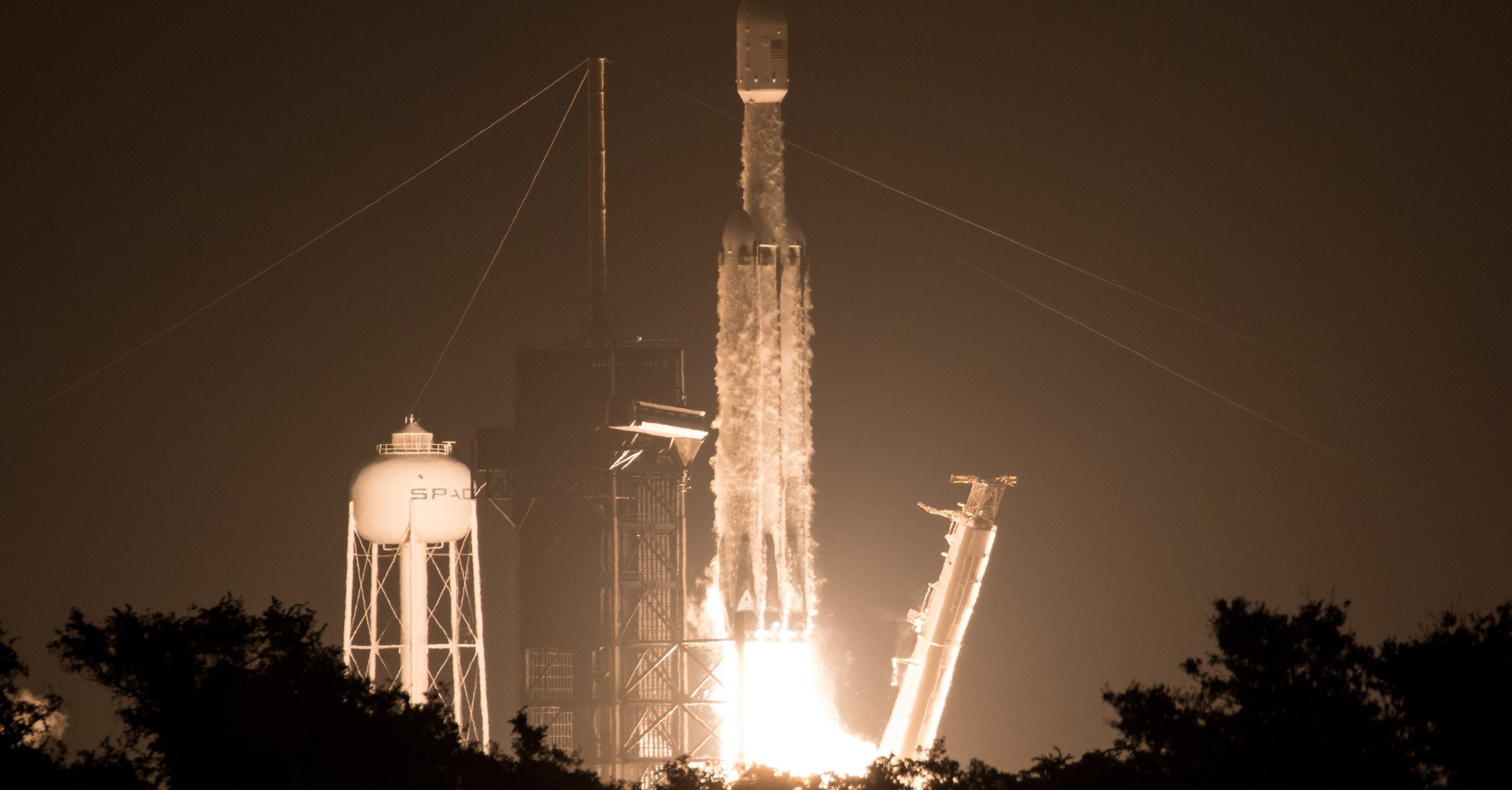
Elon Musk had called Tuesday's launch of SpaceX's Falcon Heavy rocket the "most difficult" yet. So the fact that the rocket made it into space — even if one of its core boosters did end up crashing into the sea — is "a huge deal," according to the former NASA astronaut Leroy Chiao.
Chiao has flown on three Space Shuttle flights, and lived aboard the International Space Station for several months as the commander of the 10th-ever expedition to the habitable satellite.
He adds that SpaceX's mostly successful launch is a promising sign to government agencies — including the Air Force, the Defense Department, and NASA — that commercial, reusable space rockets could make travel beyond earth easier.
"It showed a very high level of sophistication," Chiao told Cheddar. "It all seems to have gone off without a hitch. And so this demonstrates to the Air Force that SpaceX is up to this kind of sophistication and that they're ready, hopefully, to launch more sophisticated and expensive Air Force payloads in the future."
In the early morning hours on Tuesday, the vehicle ascended from NASA's Kennedy Space Center in Florida, beginning its third trip since 2018. After takeoff, the rocket's two side-boosters — which the rocket uses to propel its launch — successfully returned to the ground, landing vertically at the Air Force station on Cape Canaveral.
Leroy said the rocket's greatest challenge was launching myriad spacecraft, including 24 satellites, a new, solar-powered space 'sail,' and NASA's Deep Space Atomic Clock — a tool that should help future vehicles navigate farther into space — to three different orbits. That task required reigniting and shutting off its upper stage, a smaller portion of the rocket that is meant to position payloads into the orbit, several times.
While the rocket's center booster didn't land quite so perfectly (missing its intended target and dramatically crashing into the sea), Falcon Heavy did manage to deploy its payload, an important victory for future flights.
In addition to its spacecraft, the flight also carried the ashes of 152 people.
The former astronaut explained that successfully landing side-boosters has become "more and more routine."
As for the Falcon Heavy's central booster, he says: "It was coming in so hot because of the trajectory of the launch, it looks like it didn't have enough control-authority and fuel to make a successful landing."
The launch marked the first time the Defense Department has deployed its hardware on a rocket that had been launched previously, the New York Times reported.
Falcon Heavy's third ascent also comes amid vigorous competition in the burgeoning commercial space industry, where SpaceX faces tough foes in both Blue Origin and Virgin Galactic.
Meanwhile, government agencies have increasingly looked to private companies to assist in their ventures into space. For instance, the Defense Department's research arm, DARPA, has begun a competition among space launch firms, including Vector Launch and Virgin Orbit, to make the process of delivering small payloads like satellites more flexible.
"It's a natural progression," said Chiao. "This is the next step. NASA never wanted to be the only customer for these services, and so it's natural that NASA would step up and provide a destination for some of these activities, be it research, tourism, or something else."
But spending time in space? That will still require some adjustment.
"You can't go home when you want to go home. You're going to be there for the time of your planned journey," said Chiao. "It can be frustrating at times, but it's definitely worth it."
After months of investigation, board members from U.S. big oil companies were slated to appear before a House oversight committee this week to discuss their respective roles in pushing for climate initiatives internally. However, all four board members from Exxon, Shell, Chevron, and BP said they couldn't attend due to scheduling conflicts. Climate experts are testifying in their place about how effective big oil's climate promises have been so far. Meanwhile, President Joe Biden's lead science adviser Eric Lander has resigned after an investigation found he violated workplace policy. What will this mean for Biden's climate agenda? Amy Harder, executive editor of Cipher, a publication by Breakthrough Energy, joins Cheddar Climate to discuss.
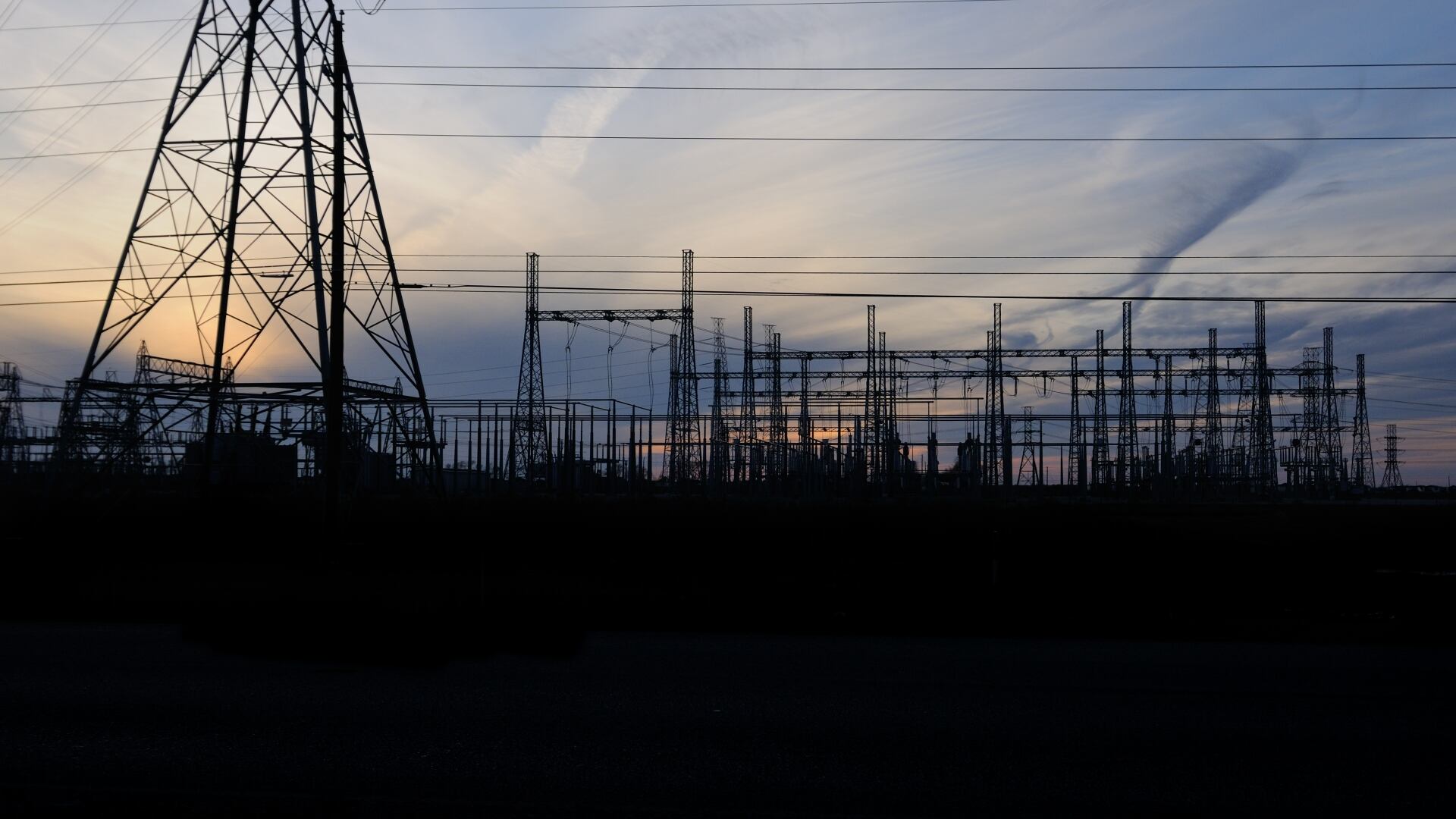
Although this week's weather is predicted to be less severe than the 2021 storm, Texans are preparing for the worst - stocking up on supplies and emptying shelves in grocery stores, once again. Some Texans still have not recovered from last year's tragedy, and are heading into the next few weeks with anxiety for what's to come. Leslie Beyer, CEO of the Houston-based energy workforce & technology council, joins Cheddar News to discuss if the Texas grid will fail again.
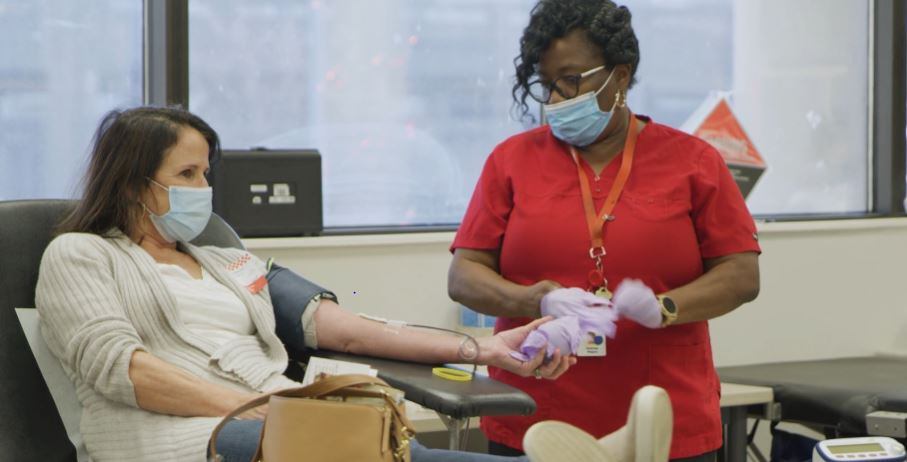
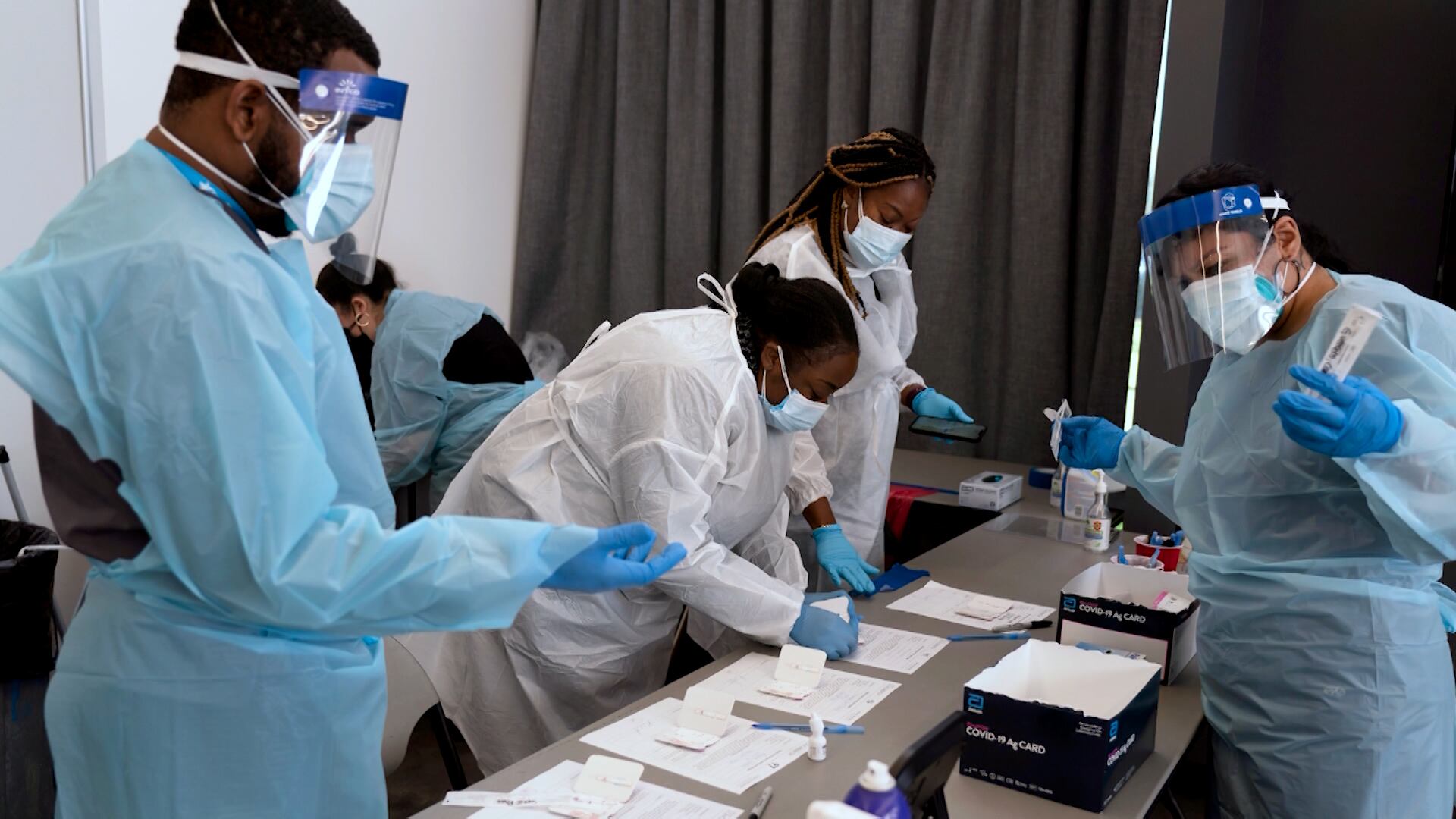
The American Red Cross has declared its first-ever "national blood crisis" in the United States. Since COVID hit the U.S. in March 2020, blood donations have declined by 10 percent. American Red Cross Medical Director, Dr. Baia Lasky joined Cheddar News to discuss the country facing the worst blood shortage in over a decade. Dr. Lasky noted that as much as 40 percent of Americans are eligible to donate blood but only about 4 percent do so. "This is going to be ongoing," she said. "This is not an acute shortage. We really do need the commitment of people to come out and donate and donate again." Appointments to donate can be made by using the Red Cross Donor App, at RedCrossBlood.org, or calling 1-800-RED CROSS (1-800-733-2767).
Eight months after the National Football League announced $1 million in research into cannabinoids, the NFL-NFLPA Joint Pain Management Committee has awarded the funding to two teams of medical researchers at the University of California San Diego and the University of Regina. The NFL says the studies will investigate the effects of cannabinoids on pain management and neuroprotection from concussion in elite football players, respectively. Cheddar correspondent Chloe Ailello spoke with Jeff Miller, the executive vice president of communications, public affairs, and policy for the NFL, about the studies, as well as the recent lawsuit filed against the NFL by former Miami Dolphins head coach Brian Flores. "Maybe we can learn things from other alternative pain approaches that are going to benefit our player population and then sports medicine as a whole," Miller said.
On this episode of Cheddar Innovates: CEO of HereAfter AI discusses how artificial intelligence can be used to preserve family history and stories, and allow you to 'talk' to loved ones that have passed; Creator of the board game 'Travel Explore Discover' explains how she came up with the idea for this informative and educational board game, and how she's using the proceeds to give back to her community; Cheddar gets a look at Curiosity Stream's 'The Humboldt Current.'
Immunologist Dr. Purvi Parikh of the Allergy & Asthma Network joined Cheddar News to break down long Covid, in which Covid symptoms remain up to two years after infection; a phenomenon that has so far mystified health experts.
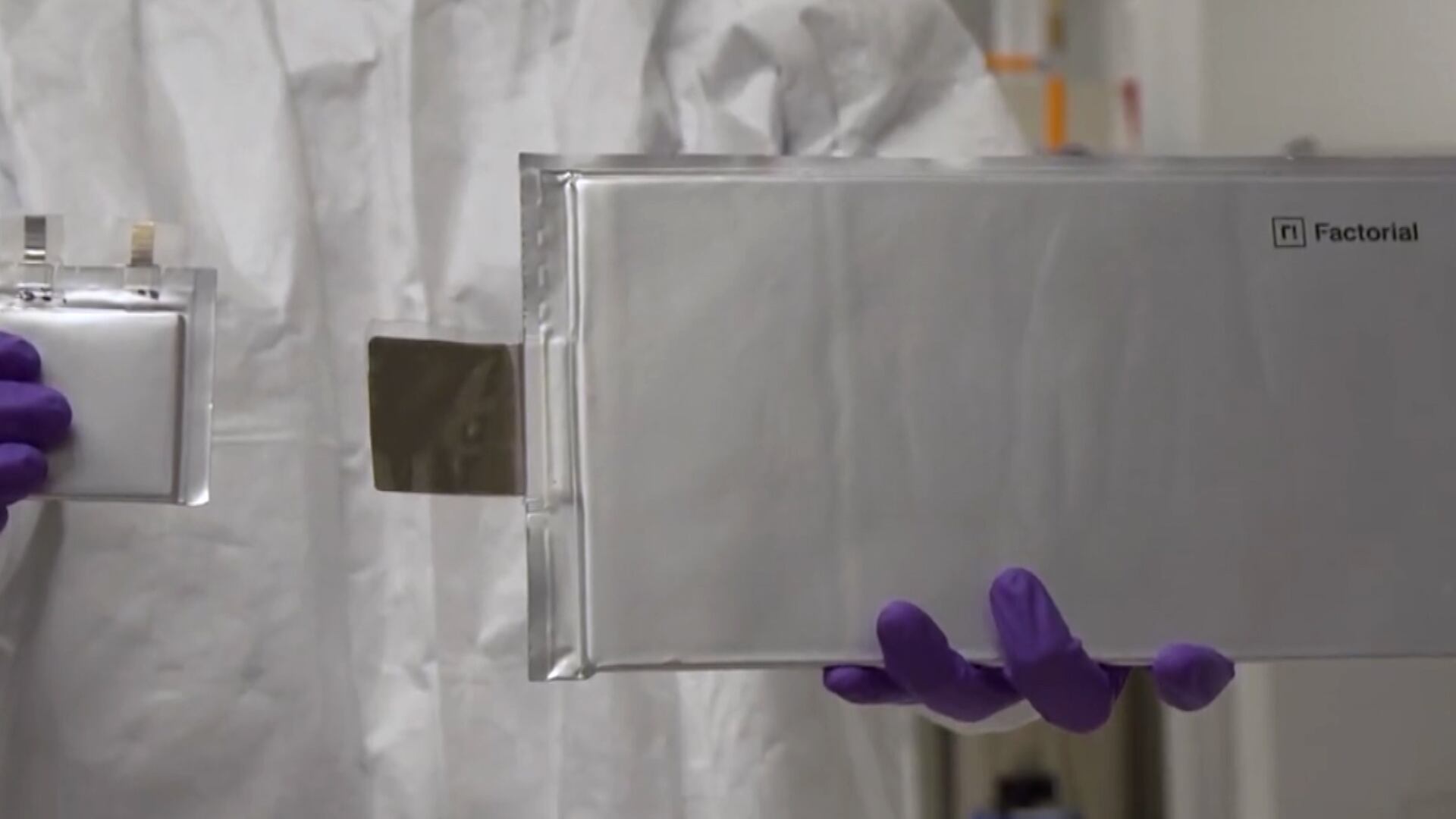
Solid-state battery maker Factorial Energy recently raised $200 million in a Series D round led by Mercedes-Benz and Stellantis. Factorial says the funding will be used to accelerate commercial production and deployment of its solid-state battery technology, which the company says is safer, and offers up to 50% more driving range than current lithium-ion technology. Factorial also has joint development agreements (announced in late 2021) with Mercedes-Benz, Stellantis, and Hyundai, three of the top 10 global automotive manufacturers, to commercialize its batteries. Factorial CEO Siyu Huang joined Cheddar News' Closing Bell to discuss.
David Malott, founder and chief architect at AI PlanetWorks joins Cheddar News to discuss the release of its augmented reality NFTs for the metaverse called 'TERA.'
A 2021 report from UK Research and Innovation found that the shipping industry makes up at least 2.5 percent of the world's total CO2 emissions. It's a problem that energy solutions company, Leclanché, is trying to solve. Founded in 1909, the company has been developing and producing batteries for more than 100 years. Today, Leclanché's lithium-ion battery is used to electrify not just ships, but also railroad locomotives, trucks, and specialty vehicles. Cheddar News spoke with Pierre Blanc, chief technology and industrial officer of Leclanché, to discuss.