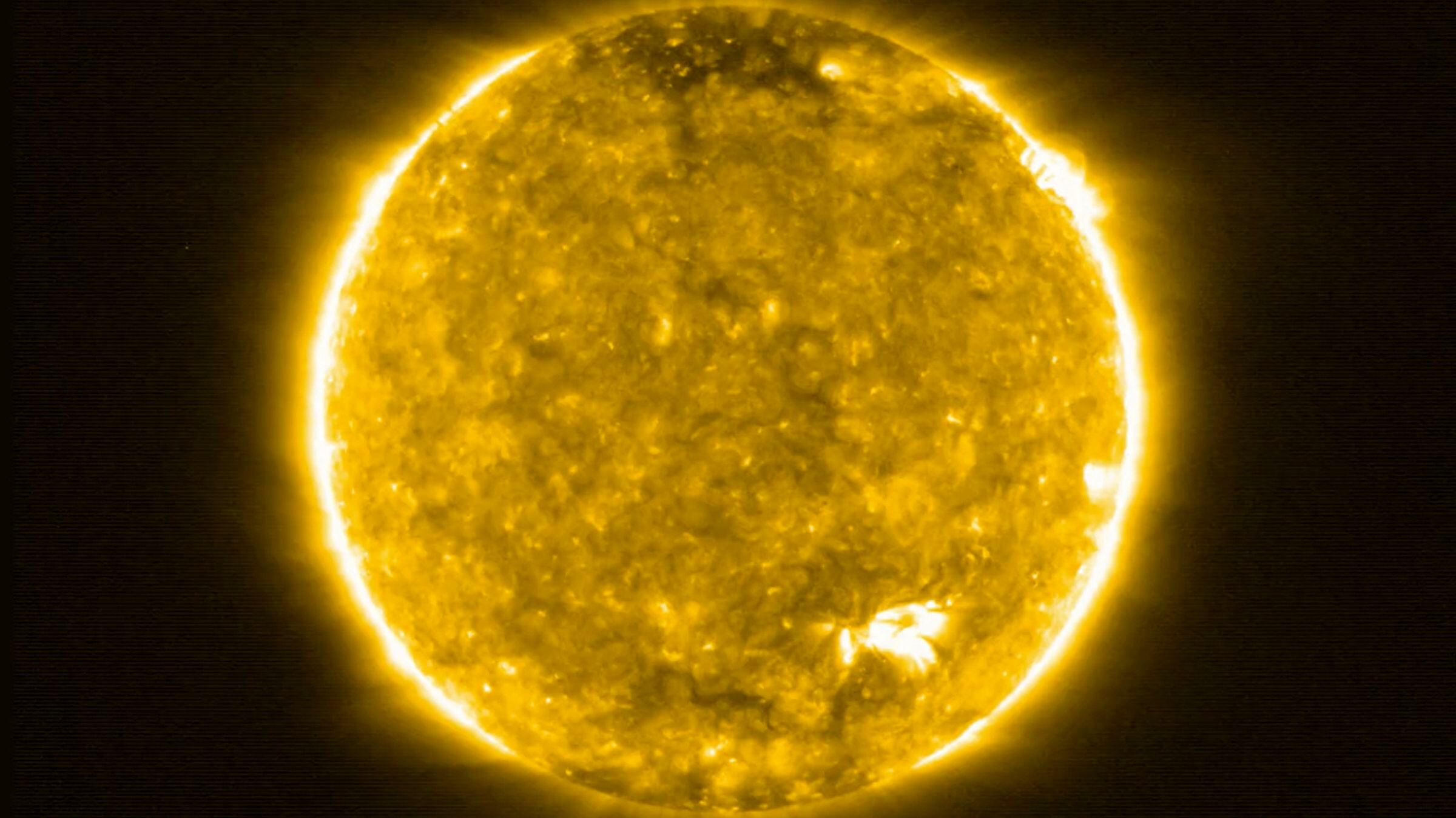
This image, provided by the European Space Agency (ESA) on Thursday, July 16, 2020, shows the Sun. The Extreme Ultraviolet Imager (EUI) on ESA's Solar Orbiter spacecraft took this image on 30 May 2020. It shows the Sun's appearance at a wavelength of 17 nanometers, which is in the extreme ultraviolet region of the electromagnetic spectrum. During an online press briefing with Solar Orbiter mission experts, the first images from ESA's new Sun-observing spacecraft were released on Thursday. (Solar Orbiter/EUI Team (ESA & NASA); CSL, IAS, MPS, PMOD/WRC, ROB, UCL/MSSL/ via AP)
By Marcia Dunn
A European and NASA spacecraft has snapped the closest pictures ever taken of the sun, revealing countless little "campfires" flaring everywhere.
Scientists on Thursday released the first images taken by Solar Orbiter, launched from Cape Canaveral in February.
The orbiter was about 48 million miles (77 million kilometers) from the sun — about halfway between Earth and the sun — when it took the stunning high-resolution pictures last month.
NASA's Parker Solar Probe is flying much closer to the sun than Solar Orbiter — too close for cameras to safely photograph the sun. Its lone camera faces away from the sun to observe the solar wind.
That's why Solar Orbiter's new pictures showing vibrant swirls of yellow and dark smoky gray — the first images from so close and at such small scale — are so precious. The team had to create a new vocabulary to name these tiny flare-ups, said European Space Agency project scientist Daniel Muller.
Muller described the observed multitude of "campfires" shooting into the corona, or sun's crown-like outer atmosphere, as quite possibly "the tiny cousins of the solar flares that we already know." Millions if not billions of times smaller, these tiny flares may be heating the corona, he said, long known to be hundreds of times hotter than the actual solar surface for unknown reasons.
The Royal Observatory of Belgium's David Berghmans, principal scientist of the instrument that captured the images, said he was blown away. He said his first response was: "This is not possible. It cannot be that good."
"It was really much better than we expected, but what we dared to hope for," Berghmans said.
These so-called campfires, Berghmans noted, are "literally everywhere we look." Not yet well understood, they could be mini explosions, or nanoflares. More measurements are planned.
The $1.5 billion spacecraft will tilt its orbit as the mission goes on, providing unprecedented views of the sun's poles. This vantage point will allow it to capture the first pictures of the solar poles.
Solar Orbiter will get even closer to the sun in two years.
"This is just the beginning of the long epic journey of Solar Orbiter," Muller said.
The pandemic has forced Solar Orbiter's scientists to work from home for months. Only a few engineers are allowed at any one time inside the control center in Darmstadt, Germany.
___
The Associated Press Health and Science Department receives support from the Howard Hughes Medical Institute's Department of Science Education. The AP is solely responsible for all content.
Brightseed Co-Founder Sofia Elizondo breaks down what plant bioactives are, and how they're using the latest technology to study human's biological connections with plants.
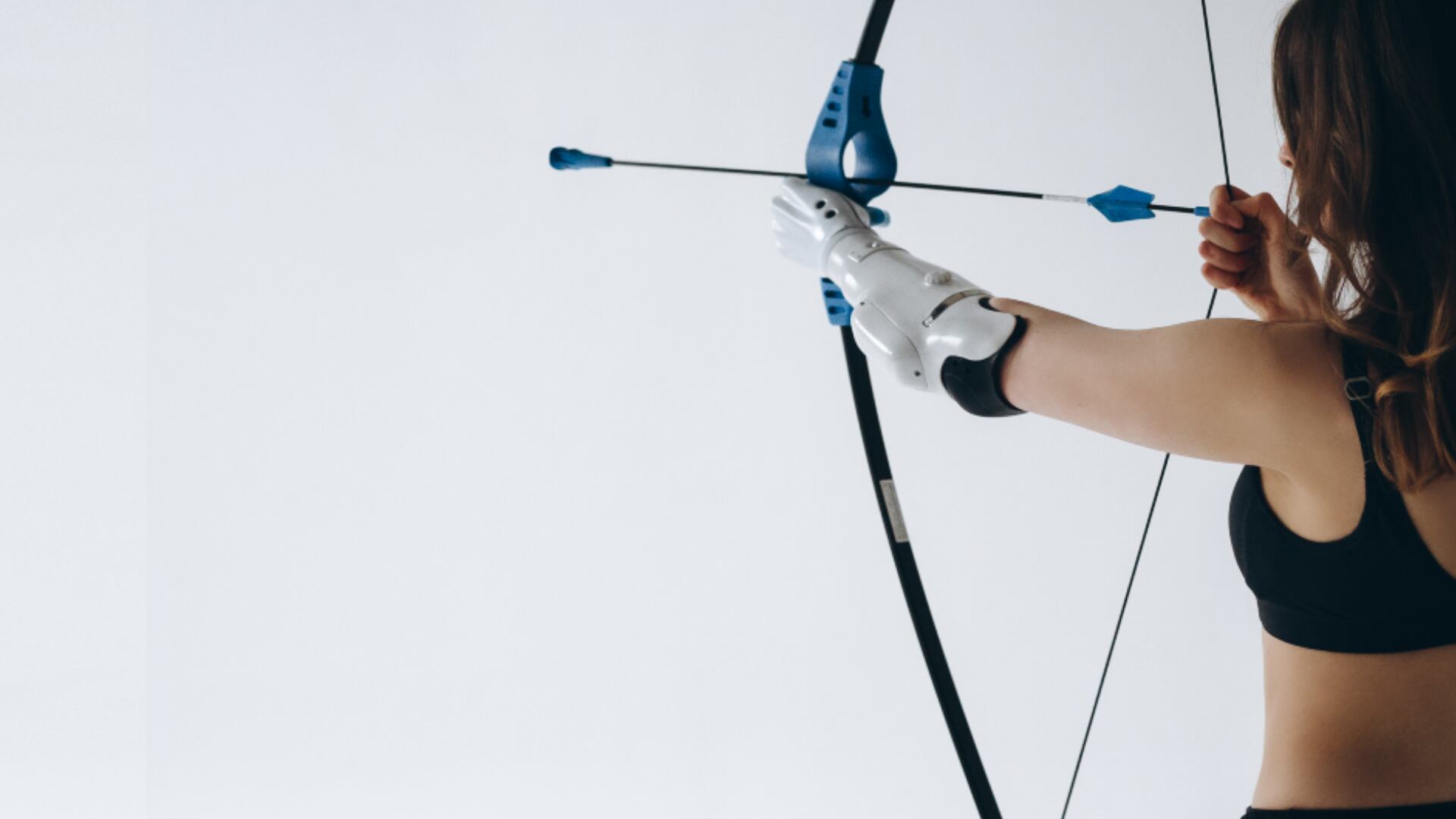
On this episode of Cheddar Innovates: Brightseed Co-Founder breaks down what plant bioactives are, and how they're using the latest technology to study human's biological connections with plants; Esper Bionics CEO breaks down how they re creating a mind-controlled bionic hand that guest smarter the more you use it; Cheddar gets a look at Curiosity Stream's 'Capturing A Black Hole In Our Milky Way.'
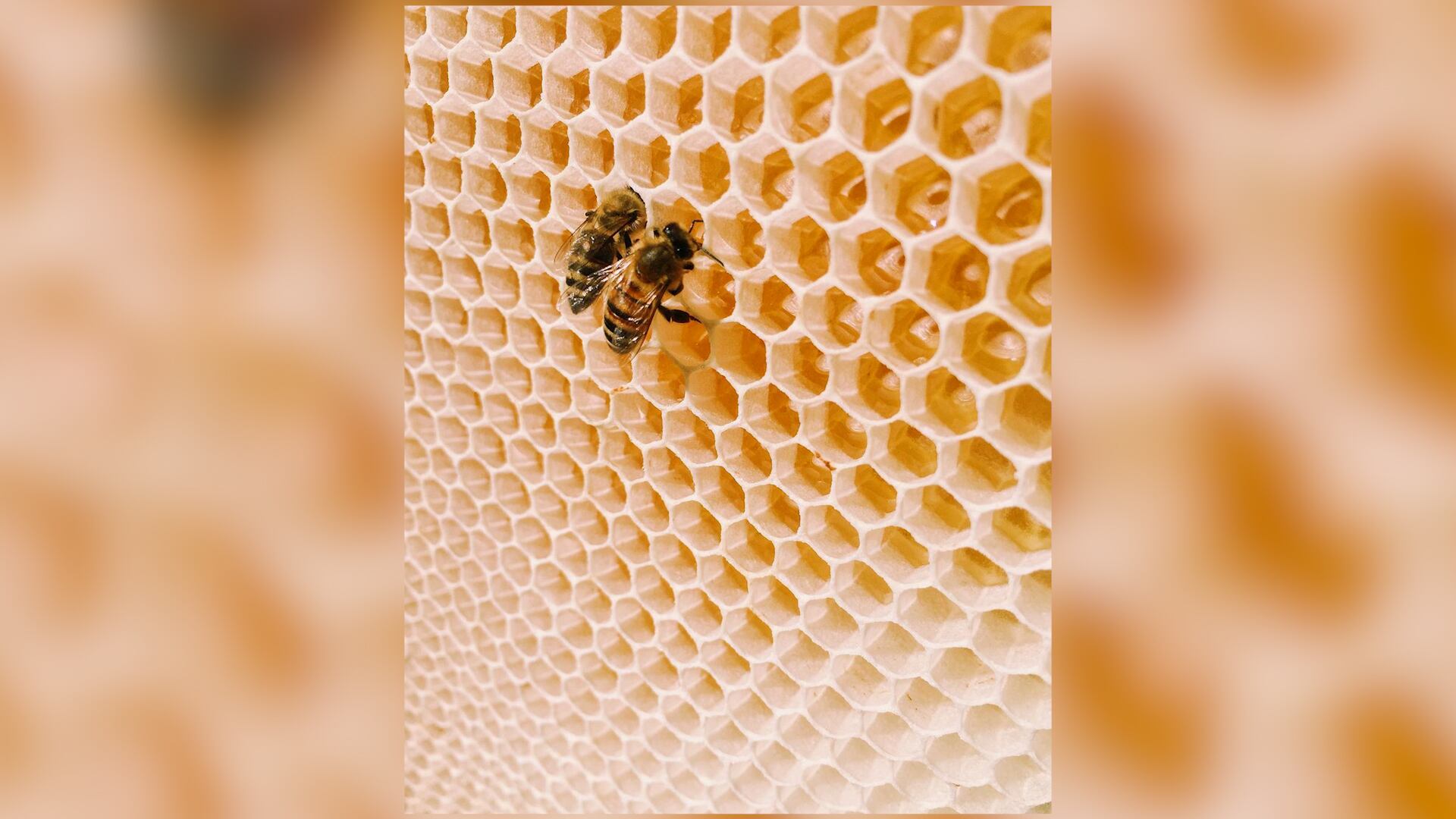
Hilary Kearney, Founder of Girl Next Door Honey, joined Closing Bell to discuss her partnership with Comvita to save the important pollinators, as bee colonies are on the decline across the United States.
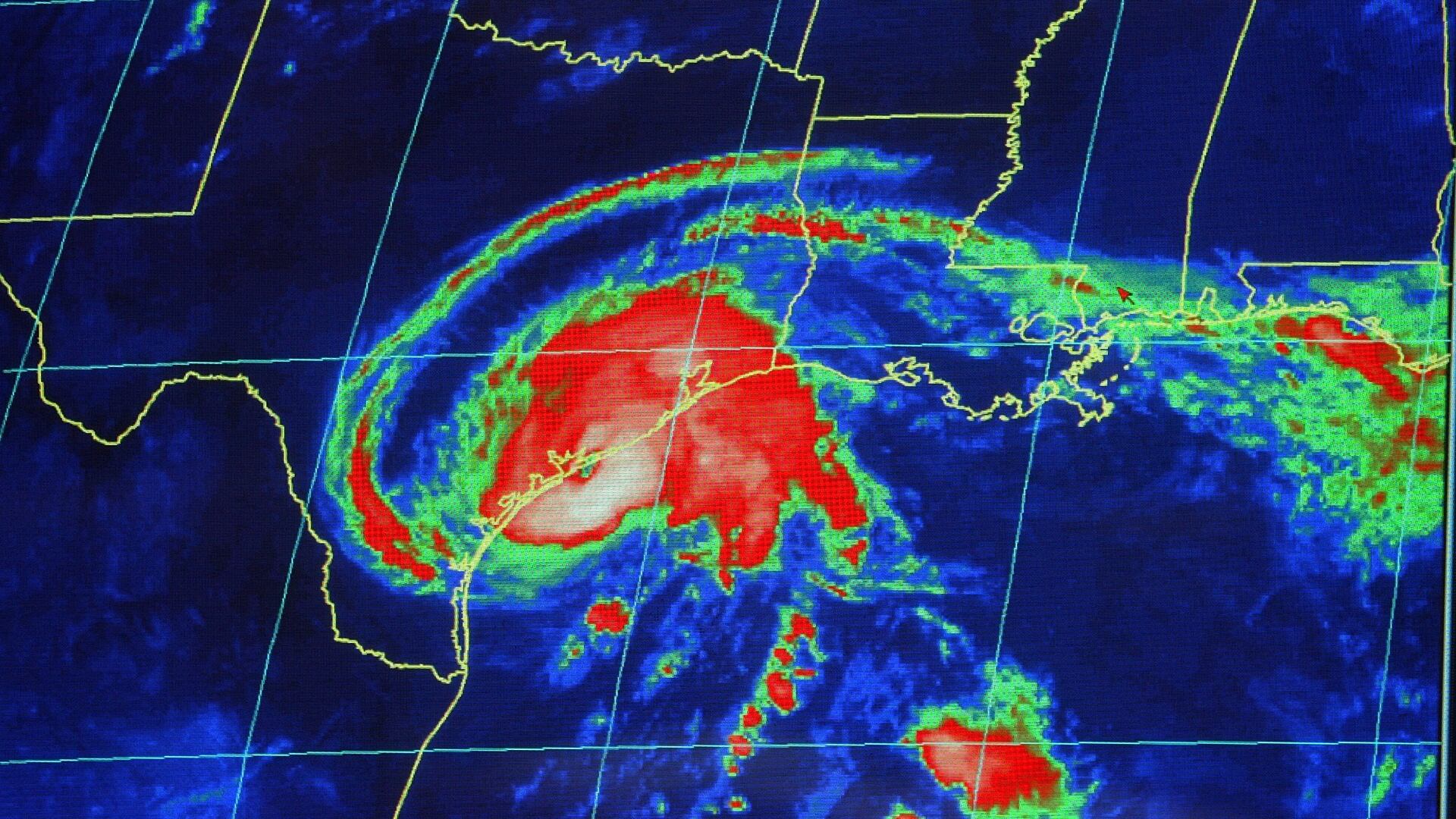
Hurricane climatologist Jill Trepanier joined Cheddar News to discuss NOAA's announced prediction for an above-normal hurricane season and what it might mean for people in the United States. "I think it's important that people who maybe haven't been used to having extreme weather events related to say tropical cycles and tropical systems, like thinking New Jersey, Northeastern seaboard, that area may get more action than they're used to in the past," she said.
Dr. Jarrad Aguirre, Co-Founder and CEO of Miga Health, joins Cheddar News' Closing Bell, where he says his company is looking to establish the future of heart health and points to how 80% of premature heart attacks and strokes are preventable.
On this episode of Cheddar Reveals, David Keith, Professor of Applied Physics at the Harvard School of Engineering and Applied Sciences and Professor of Public Policy at the Harvard Kennedy School, and founder of Carbon Engineering outlines the viability of solar geoengineering as a solution to help reverse the effects of global warming; Lena Geraghty, Sustainability & Urban Innovation Director at National League of Cities, discusses which U.S. cities are safest from global warming and how the real estate market will be impacted from the effects of climate change; Cheddar gets a look at Curiosity Stream's 'Changing Ocean Asia.'
David Keith, Professor of Applied Physics at the Harvard School of Engineering and Applied Sciences and Professor of Public Policy at the Harvard Kennedy School, and founder of Carbon Engineering joins Cheddar Reveals to outline the viability of solar geoengineering as a solution to help reverse the effects of global warming.
Lena Geraghty, Sustainability & Urban Innovation Director at National League of Cities, joins Cheddar News to discuss which U.S. cities are safest from global warming and how the real estate market will be impacted from the effects of climate change.
Peggy Whitson, Director of Human Space Flight, Axiom Space, joins Cheddar Innovates to discuss Axiom's involvement in the first fully-private mission to the ISS, and her experience spending 665 days in space.
On this episode of Cheddar Innovates, Peggy Whitson, Director of Human Space Flight, Axiom Space, breaks down Axiom's involvement in the first fully-private mission to the ISS, and her experience spending 665 days in space; William Li and Danielle Chang, co-founders of The Hao Life, discuss how they're shaking up the $71 billion supplement industry by putting a modern spin on traditional natural Chinese remedies; Cheddar gets a look at Curiosity Stream's 'Sagrada Familia: Gaudi's Challenge.'