By Seth Borenstein
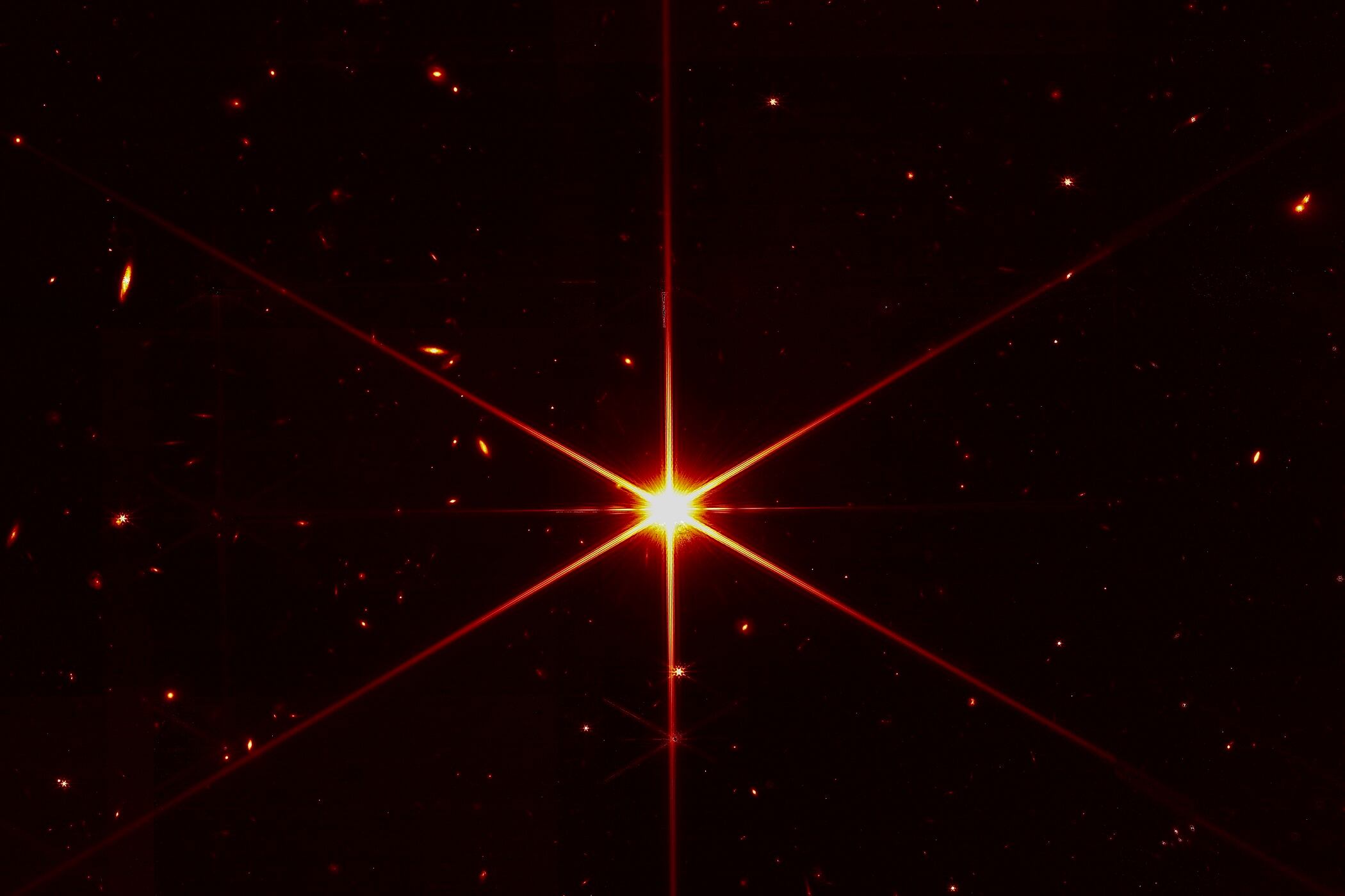
NASA’s new space telescope has gazed into the distant universe and shown perfect vision: a spiky image of a faraway star photobombed by thousands of ancient galaxies.
The image released Wednesday from the James Webb Space Telescope is a test shot — not an official science observation — to see how its 18 hexagonal mirrors worked together for a single coordinated image taken 1 million miles (1.6 million kilometers) away from Earth. Officials said it worked better than expected.
Last month, NASA looked at a much closer star with 18 separate images from its mirror segments.
Scientists said they were giddy as they watched the latest test photos arrive. NASA’s test image was aimed at a star 100 times fainter than the human eye can see — 2,000 light-years away. A light-year is nearly 6 trillion miles (9.7 trillion kilometers).
The shape of Webb’s mirrors and its filters made the shimmering star look more red and spiky but the background really stole the show.
“You can’t help but see those thousands of galaxies behind it, really gorgeous,” said Jane Rigby, Webb operations project scientist.
Those galaxies are several billions of years old. Eventually, scientists hope Webb will see so faraway and back in time that it will only be “a couple hundred million years after the Big Bang,” she said.
The first science images won’t come until late June or early July.
The $10 billion Webb — successor to the nearly 32-year-old Hubble Space Telescope — blasted off from South America in December and reached its designated perch in January.
___
The Associated Press Health and Science Department receives support from the Howard Hughes Medical Institute’s Department of Science Education. The AP is solely responsible for all content.
How Incorporating Resistance Bands Can Diversify Workout Sessions
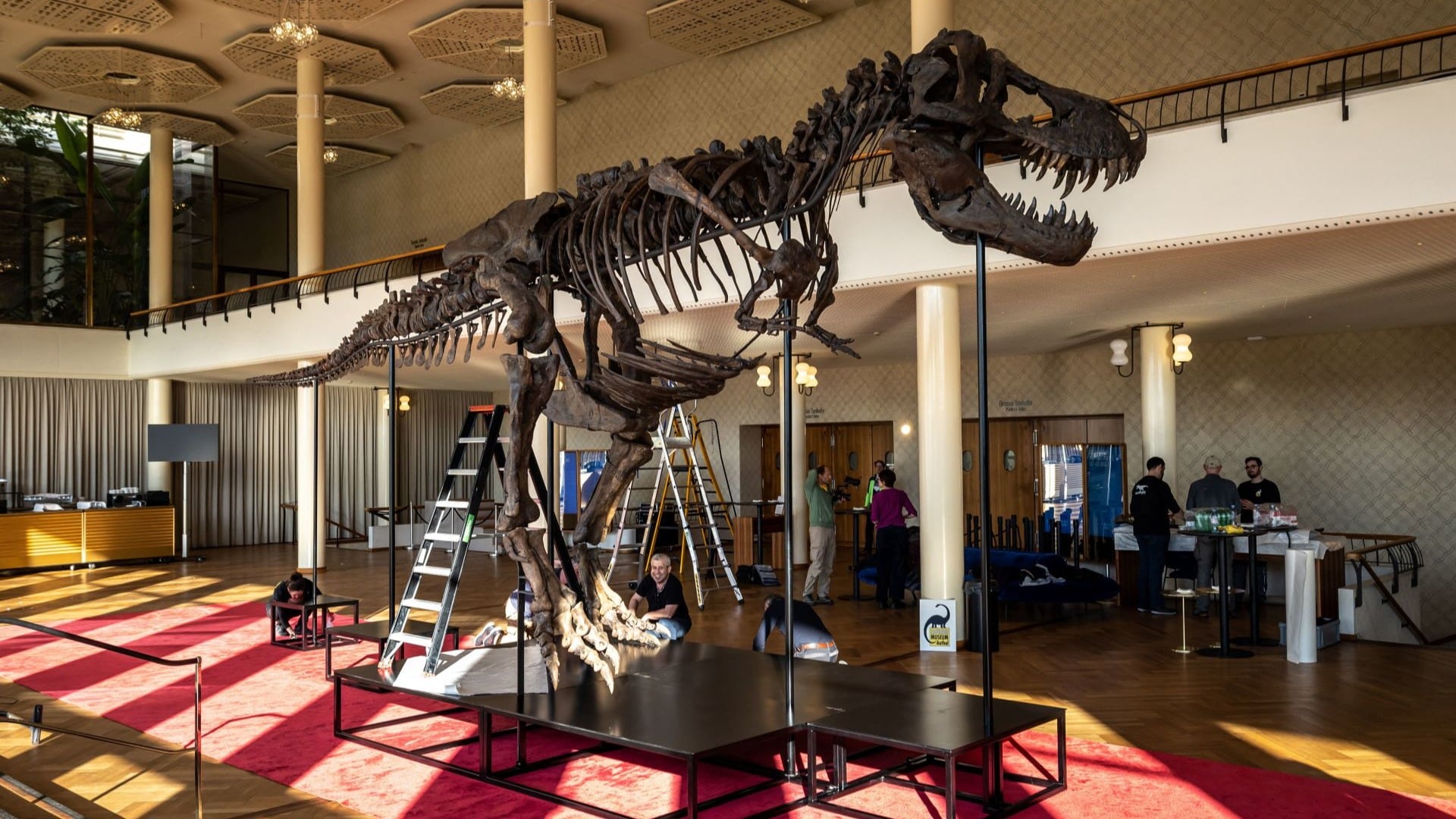
A giant Tyrannosaurus rex skeleton that’s been dug up from three sites in the United States is going up for auction in Zurich. It's a first sale of its kind in Europe.
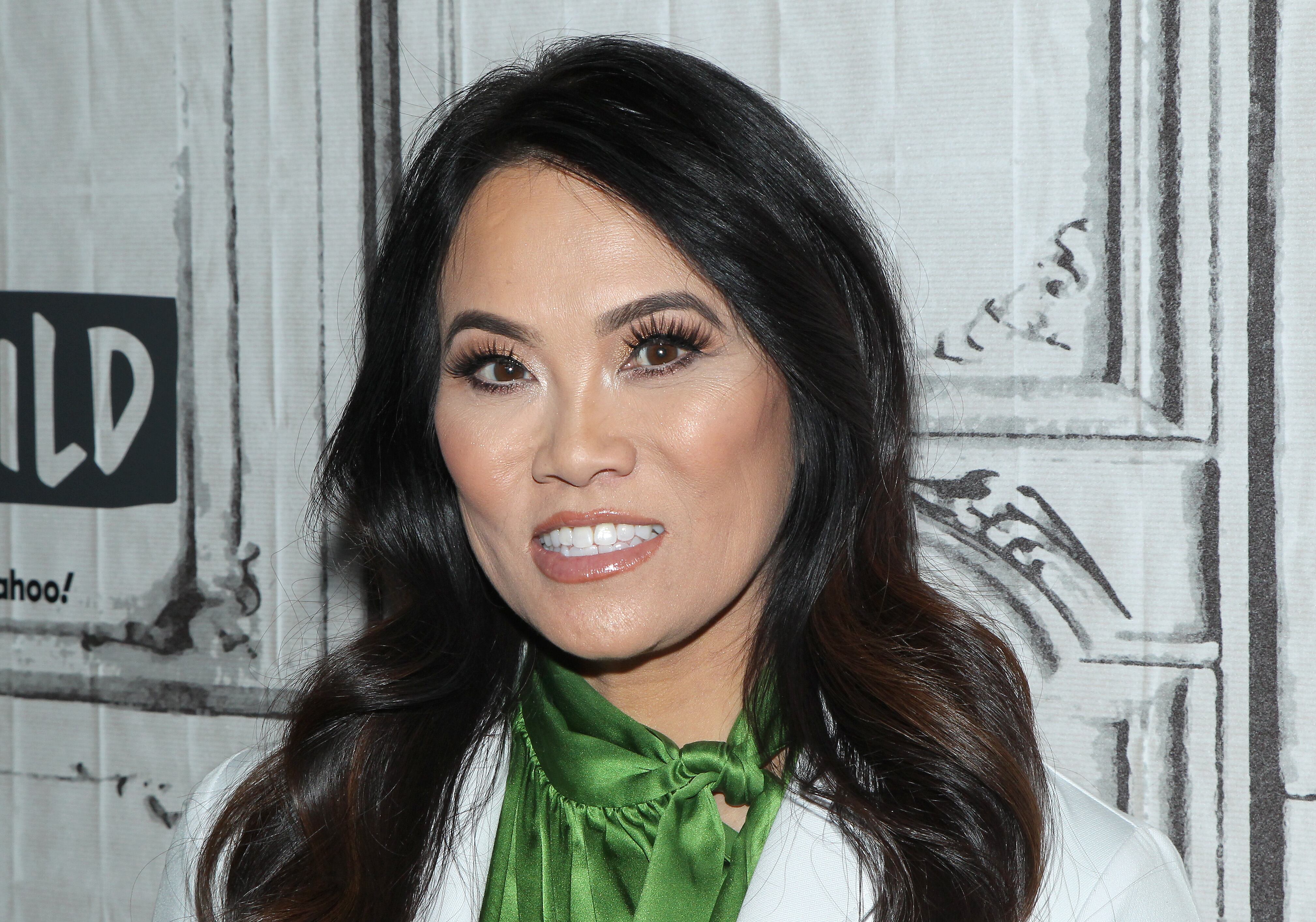
As the inaugural guest on Cheddar News' new show Be Well, Dr. Sandra Lee, also known as Dr. Pimple Popper, discussed when (and when not) to pop a pimple and how to take care of your skin and keep an eye out for signs of more dangerous issues such as cancer.
Moderna and Merck & Co. have developed a cancer vaccine that cuts the risk of death or recurrence of most deadly skin cancer by 44 percent compared to Keytruda on its own, according to researchers.
The company got the OK on Friday from the Federal Aviation Administration. CEO Elon Musk is giving 50-50 odds of Starship reaching orbit.
Vertical farming startup Babylon Micro-Farms recently raised $8 million in a Serie A round. Alexander Oleson, CEO and co-founder of Babylon Micro-Farms, joined Cheddar News to explain his company's mission to help businesses and communities grow their own fresh produce in a sustainable manner.
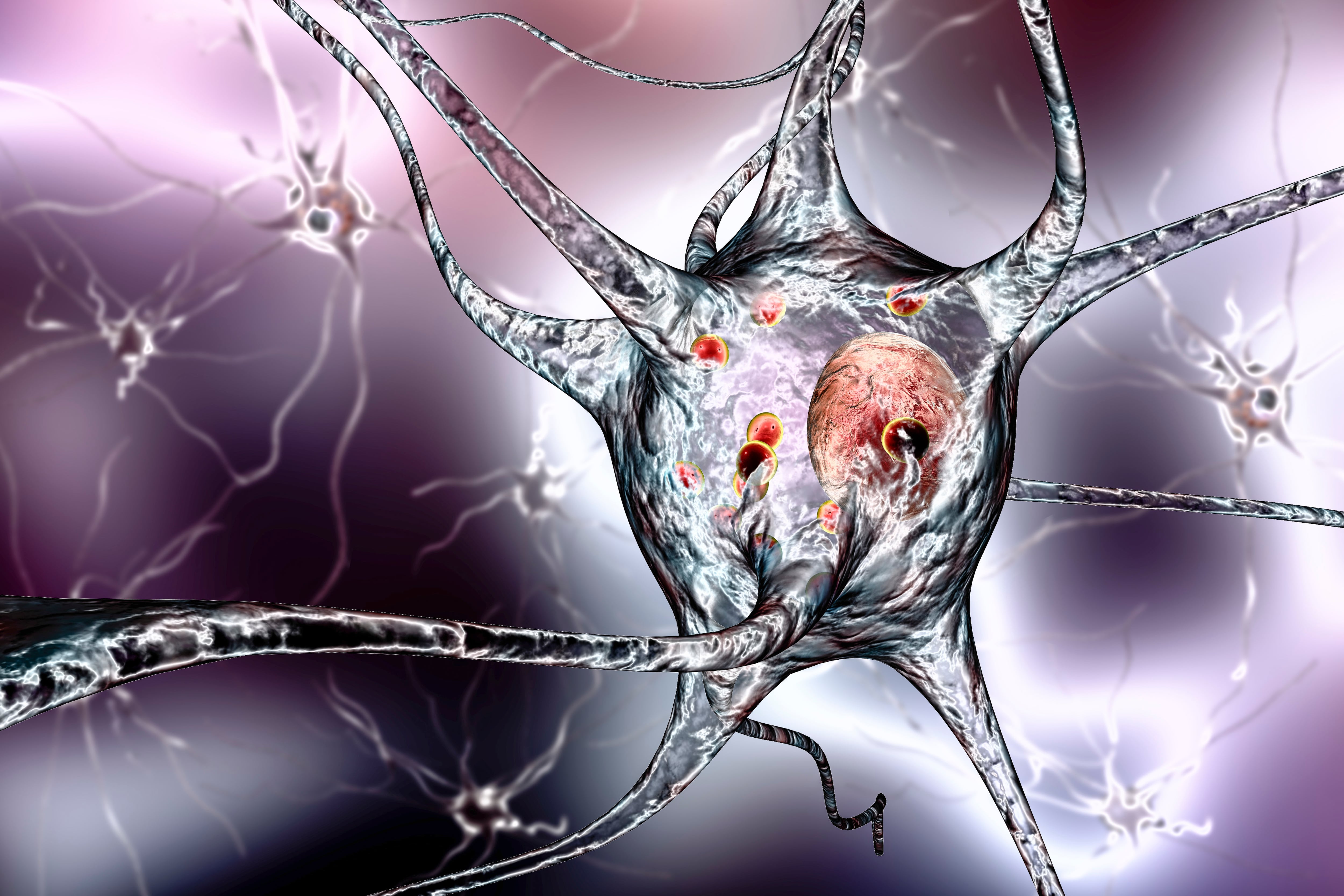
A new lab test can detect Parkinson's disease in its early stages.
Cheddar News is highlighting companies with a focus on sustainability for Earth Month. Ashley Allen, chief sustainability officer with Oatly, joined Cheddar News to discuss her company's mission to deliver products that have a minimal environmental impact. "We want to make it easy for people to eat better and live healthier lives without recklessly taxing the planet's resources," she said.
'Plant Kween' Talks Low Maintenance Care for Budding Plant Parents
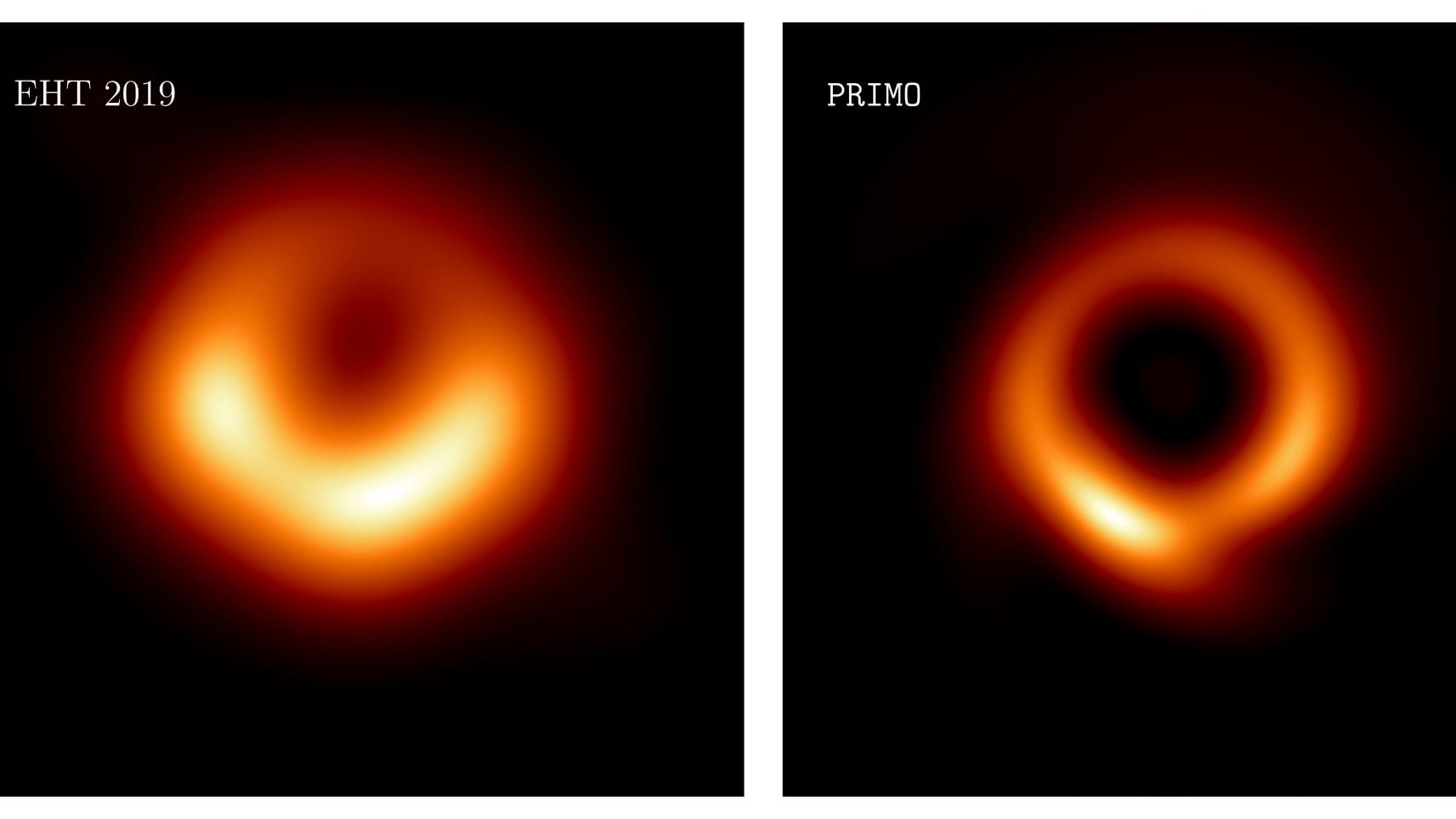
The first image of a black hole captured in 2019 is getting a makeover. Researchers on Thursday revealed an updated version, which they made using artificial intelligence.