By Seth Borenstein
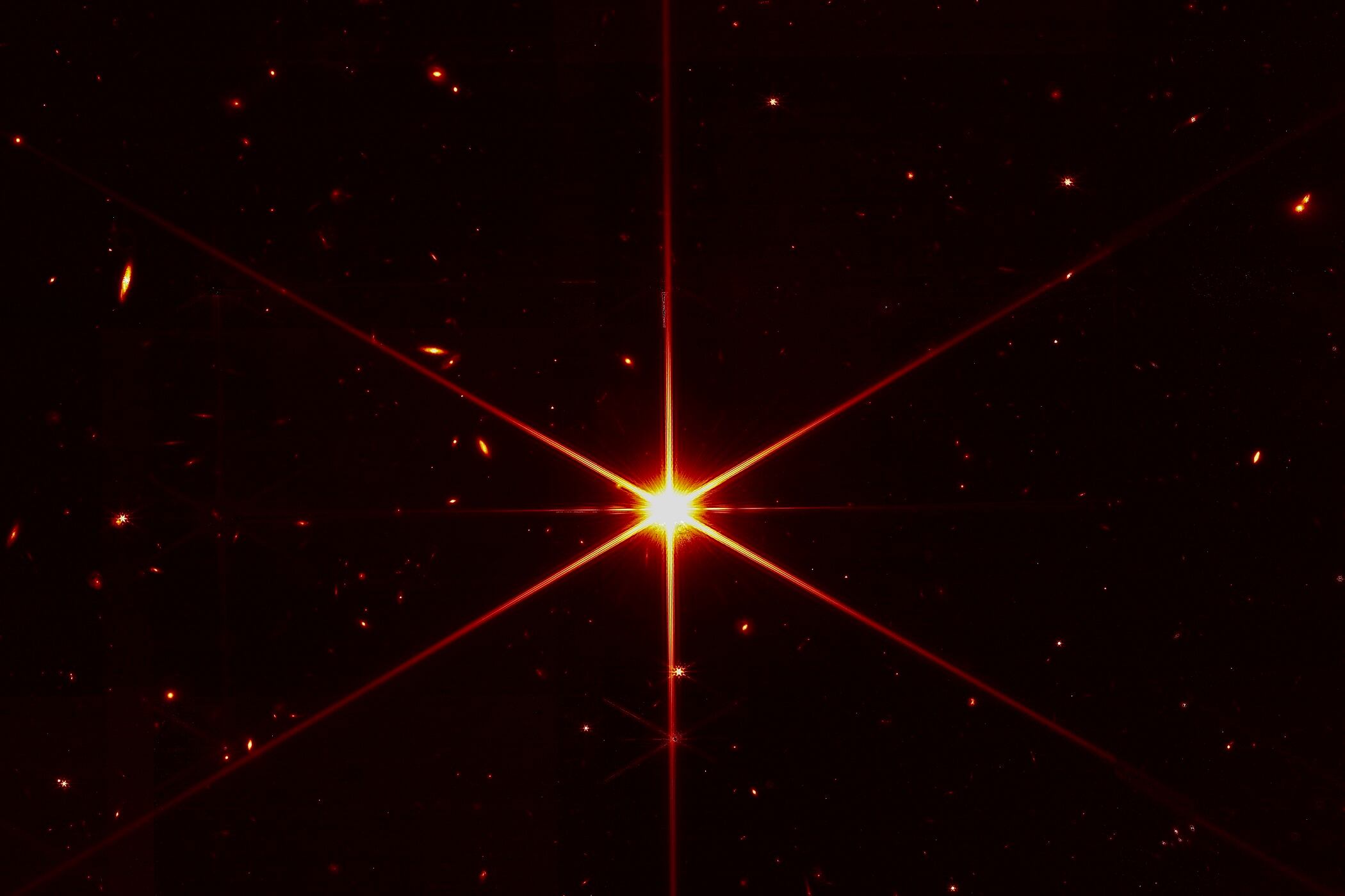
NASA’s new space telescope has gazed into the distant universe and shown perfect vision: a spiky image of a faraway star photobombed by thousands of ancient galaxies.
The image released Wednesday from the James Webb Space Telescope is a test shot — not an official science observation — to see how its 18 hexagonal mirrors worked together for a single coordinated image taken 1 million miles (1.6 million kilometers) away from Earth. Officials said it worked better than expected.
Last month, NASA looked at a much closer star with 18 separate images from its mirror segments.
Scientists said they were giddy as they watched the latest test photos arrive. NASA’s test image was aimed at a star 100 times fainter than the human eye can see — 2,000 light-years away. A light-year is nearly 6 trillion miles (9.7 trillion kilometers).
The shape of Webb’s mirrors and its filters made the shimmering star look more red and spiky but the background really stole the show.
“You can’t help but see those thousands of galaxies behind it, really gorgeous,” said Jane Rigby, Webb operations project scientist.
Those galaxies are several billions of years old. Eventually, scientists hope Webb will see so faraway and back in time that it will only be “a couple hundred million years after the Big Bang,” she said.
The first science images won’t come until late June or early July.
The $10 billion Webb — successor to the nearly 32-year-old Hubble Space Telescope — blasted off from South America in December and reached its designated perch in January.
___
The Associated Press Health and Science Department receives support from the Howard Hughes Medical Institute’s Department of Science Education. The AP is solely responsible for all content.
Walmart is expanding its HIV treatments, planning to add over 80 specialty facilities across nearly a dozen states by the end of the year.
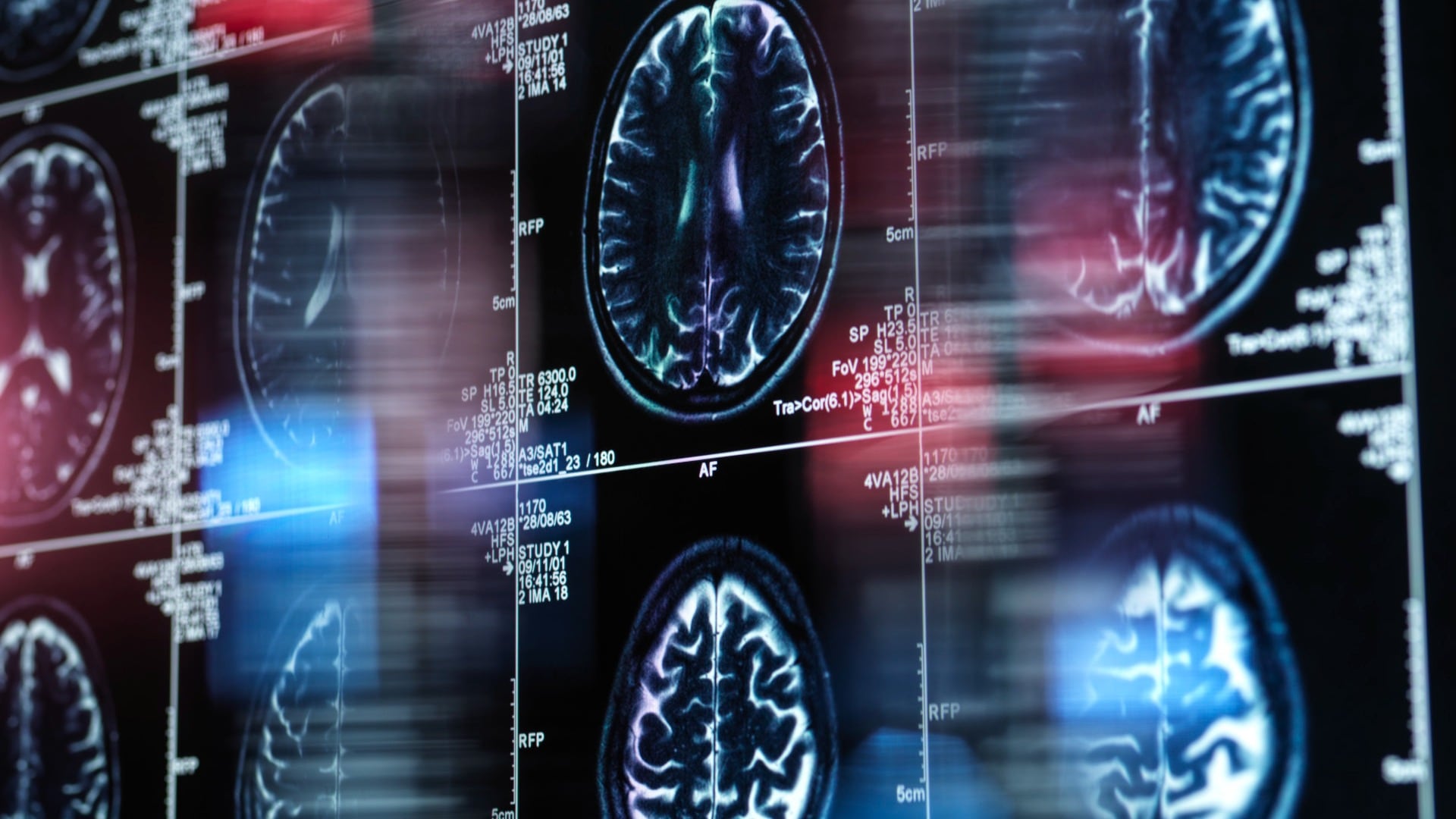
A Food and Drug Administration advisory panel met to discuss regulatory approval for the Alzheimer's drug, Leqembi.
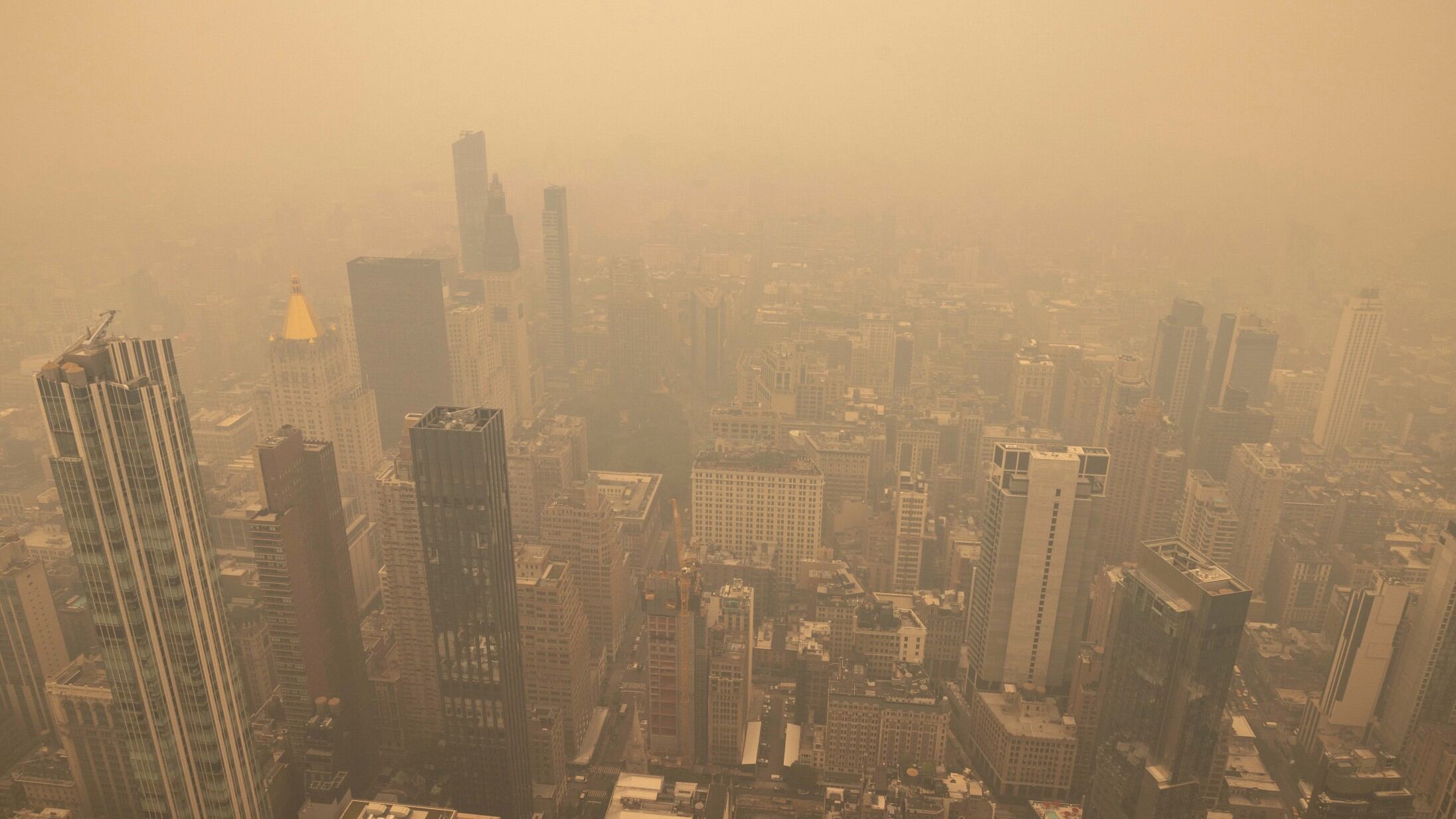
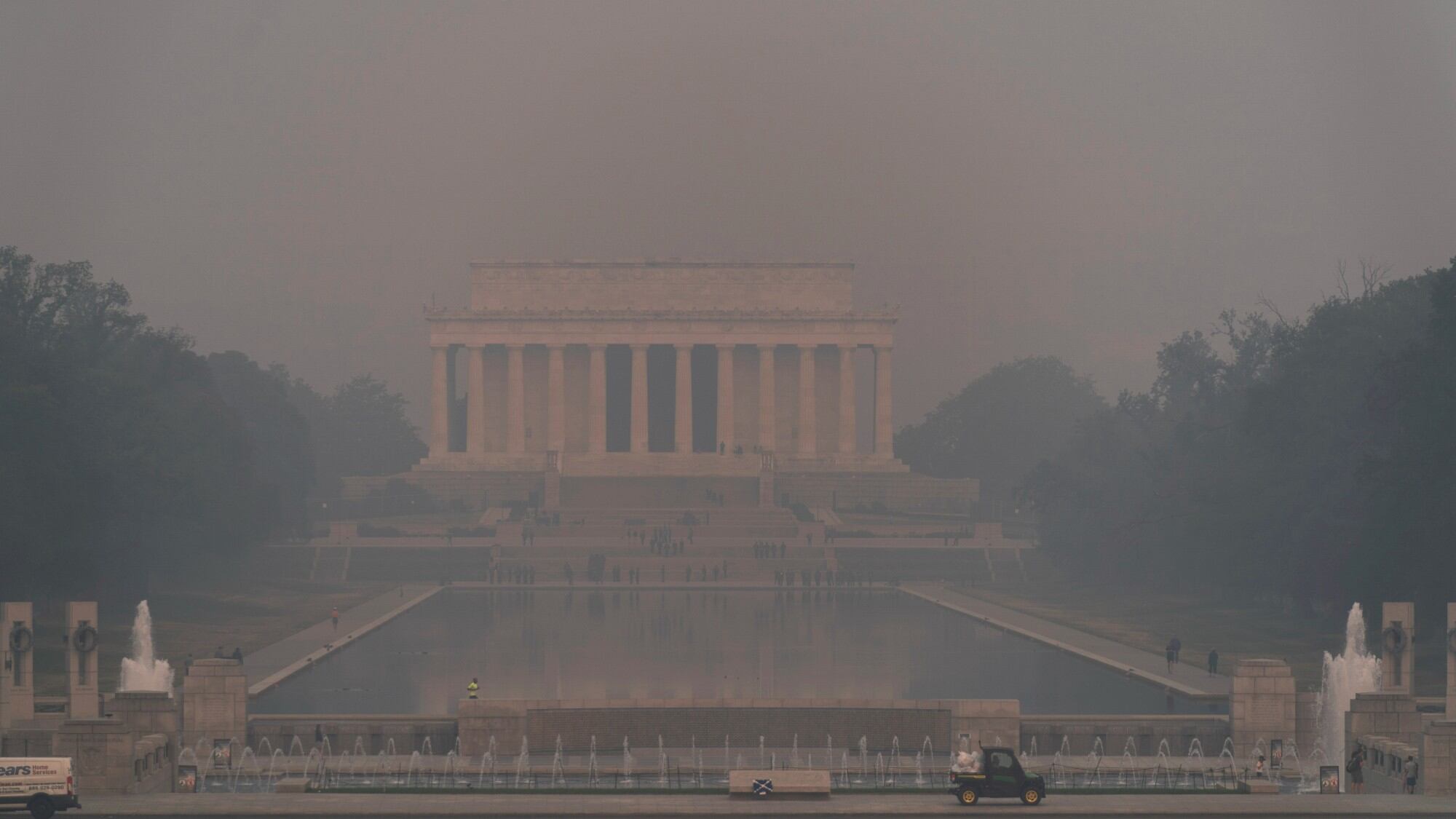
Air quality on the East Coast has improved to at least a moderate level and will continue getting better by the weekend.
A new study from Columbia University has found that taurina, a type of amino acid known mostly as an ingredient in energy drinks, extended the life of worms, mice and monkeys.
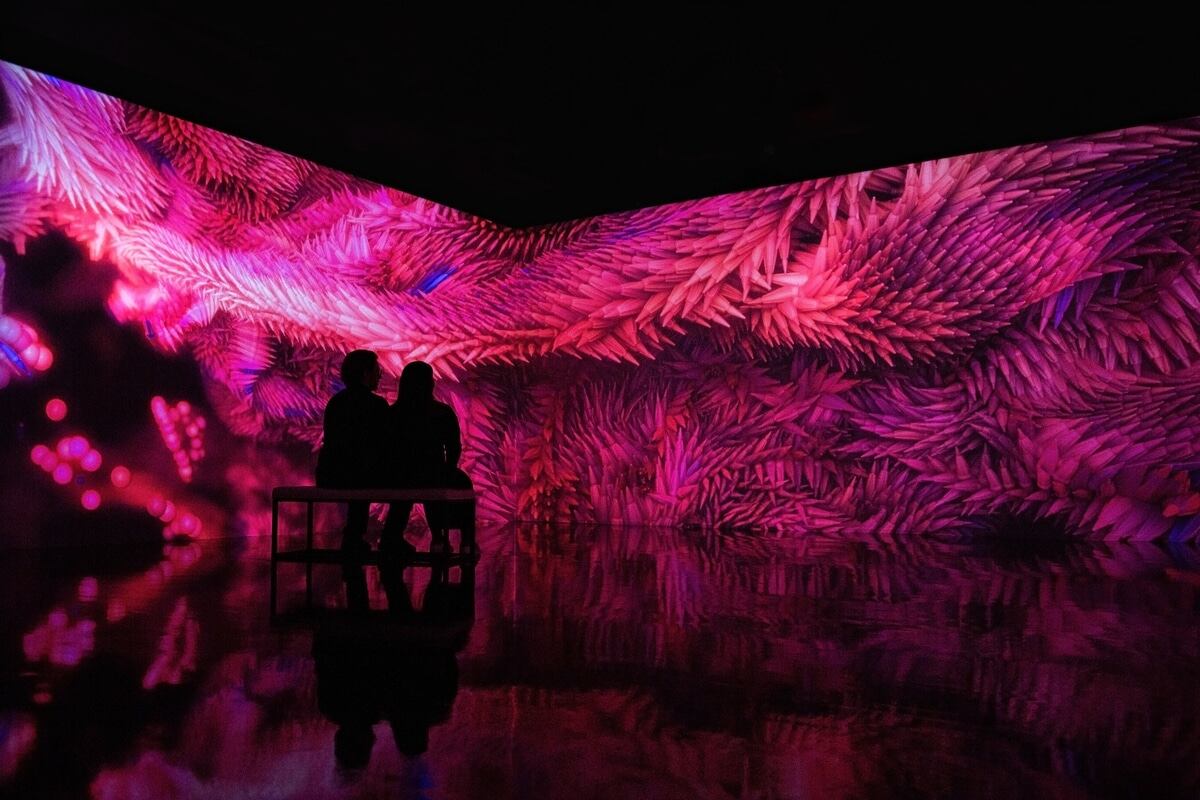
Artechouse, a digital art studio in New York City, has a new exhibition that lets visitors experience never-before-seen images that the James Webb space telescope captured. Cheddar News takes a peek inside the newest immersive experience.
A report said that cancer centers are dealing with shortages of carboplatin and cisplatin, drugs that are used to treat cancers.
On air quality maps, purple signifies the worst of it. In reality, it's a thick, hazardous haze that’s disrupting daily life for millions of people across the U.S. and Canada, blotting out skylines and turning skies orange.
With large swaths of the East Coast blanketed with smog, many are worried about their health. Mangala Narasimhan, director of critical care services at Northwell Health, offers some peace of mind with a handful of expert tips for coping with poor air quality.
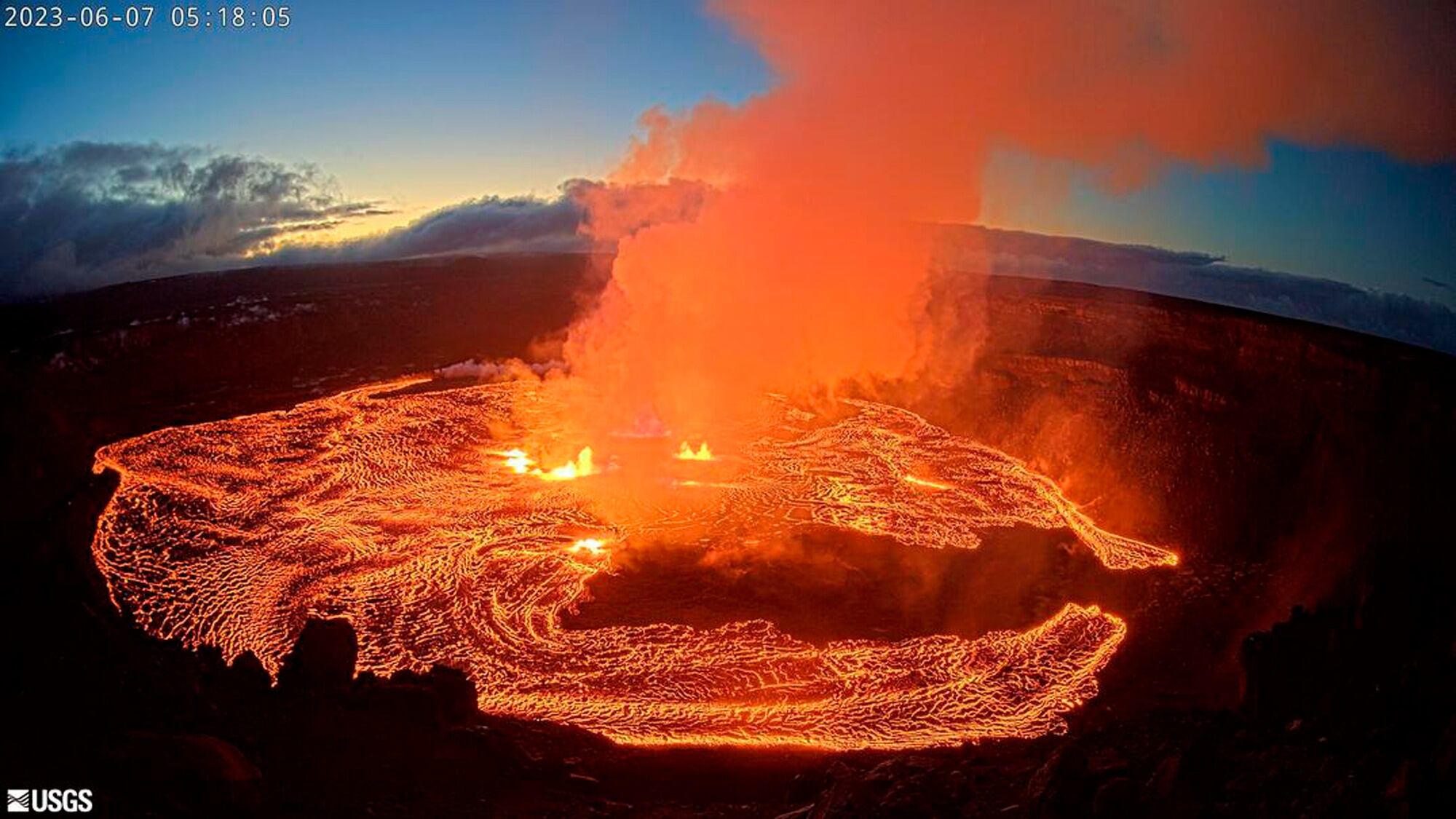
Kilauea, one of the most active volcanoes in the world, began erupting on Wednesday after a three-month pause, displaying spectacular fountains of mesmerizing, glowing lava that's a safe distance from people and structures in a national park on the Big Island.
Smoke from the Canadian wildfires has reached New York and New Jersey which prompted officials to declare the area as currently having some of the worst air quality in the world.