This July 19, 2011 photo of the International Space Station was taken from the space shuttle Atlantis. On Tuesday, Sept. 29, 2020, NASA said that the two Russians and one American on board were awakened late Monday to hurriedly seal hatches between compartments and search for the ongoing leak, which appeared to be getting worse. It was the third time in just over a month that the crew had to isolate themselves on the Russian side, in an attempt to find the growing leak. (NASA via AP)
By Marcia Dunn
A small air leak at the International Space Station finally has been traced to the Russian side, following a middle-of-the-night search by astronauts.
NASA said Tuesday that the two Russians and one American on board were awakened late Monday to hurriedly seal hatches between compartments and search for the ongoing leak, which appeared to be getting worse. It was the third time in just over a month that the crew had to isolate themselves on the Russian side, in an attempt to find the growing leak.
It turns out instead of the leak getting bigger this time, a temporary temperature change caused the erroneous cabin air pressure reading, according to NASA. The leak was first spotted a year ago.
NASA officials stress that the leak remains small and poses no danger. The astronauts will now use leak detectors to try to pinpoint the leak in Russia’s main living and working compartment called Zvezda, Russian for Star.
Space station deputy program manager Kenny Todd said the good news is that “instead of a bunch of haystacks, we're down to maybe one haystack." But he added: “It's still a needle we're looking for.”
NASA is sending up extra air supply tanks on its next space station delivery, scheduled for a Thursday departure from Virginia. As long as the leak does not worsen, Todd said, the space station should be fine through next spring.
In two weeks, two Russians and an American are scheduled to arrive at the space station, followed by a crew of three Americans and a Japanese on SpaceX's second launch of astronauts, now targeted for Oct. 31.
During a news conference Tuesday from Houston, NASA astronaut Mike Hopkins, the commander, announced that the SpaceX capsule would be called Resilience — to reflect how the world is coping with this year's challenges.
“We hope that it brings a smile to your face and we hope that it provides something positive in your lives. Quite frankly, we hope that it’s an inspiration,” Hopkins said of the name and the mission.
___
The Associated Press Health and Science Department receives support from the Howard Hughes Medical Institute’s Department of Science Education. The AP is solely responsible for all content.
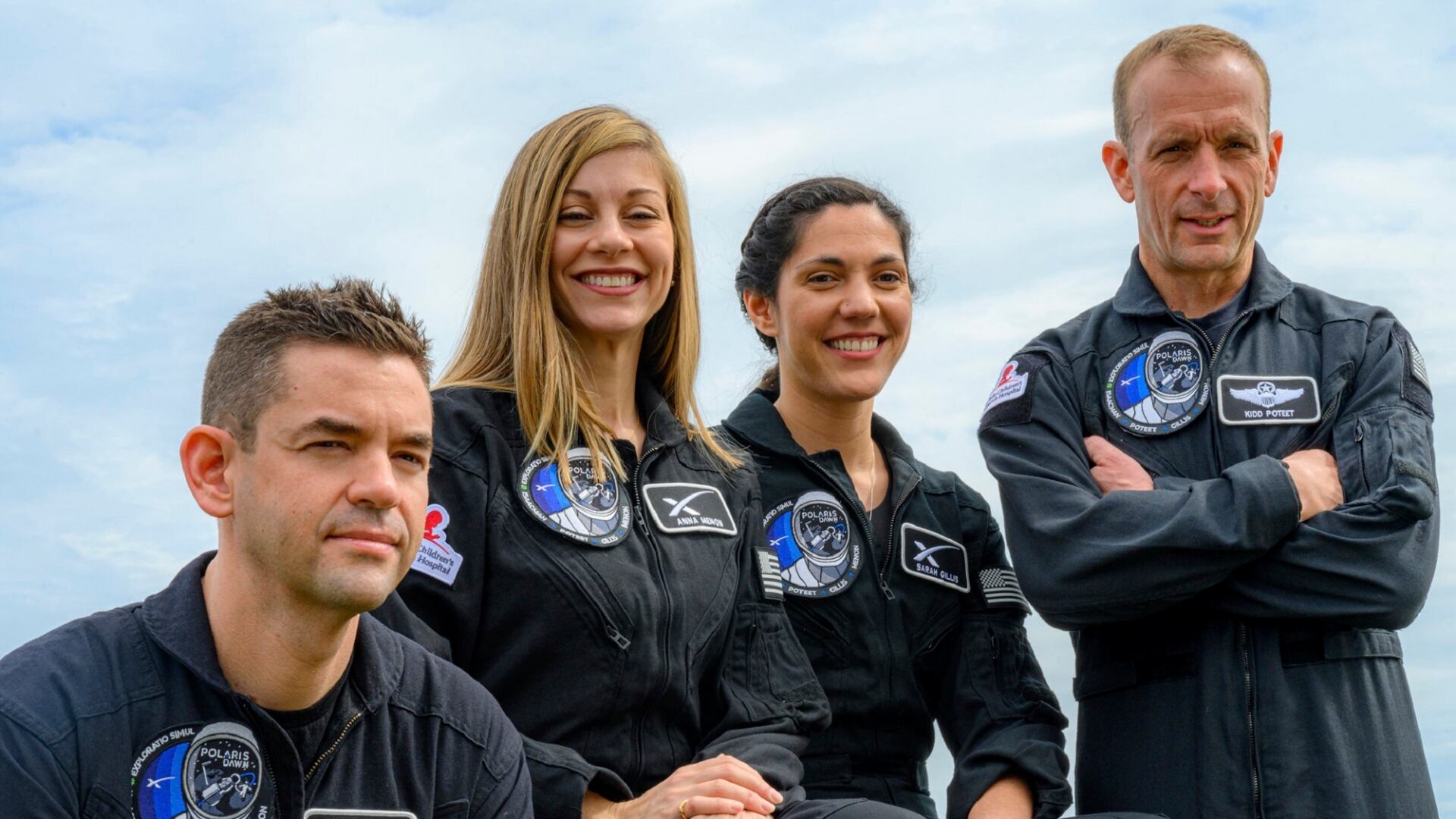
Space travel is growing rapidly, and one billionaire businessman has purchased three SpaceX flights in order to push the industry forward. The Polaris Dawn, the first of three flights, will launch later this year, and its crew will conduct the first commercial spacewalk after they've reached the highest orbit in over 50 years. Jared Isaacman, Polaris Program Mission Commander and Founder & CEO of Shift4, joins Closing Bell to discuss the Polaris program's mission, when the first launch will happen and what it will entail, balancing his business with space exploration efforts, charitable efforts with St. Jude Children's Research Hospital, and more.
The most recent quarterly report from American Clean Power reveals the U.S. surpassed more than 200 gigawatts of total operating utility-scale clean power capacity in 2021. While it is a great milestone, significant policy issues have continued to slow growth for the industry and threaten our country's ability to meet emissions goals. John Hensley, VP for Research and Analytics at American Clean Power, joined Cheddar News to discuss more.
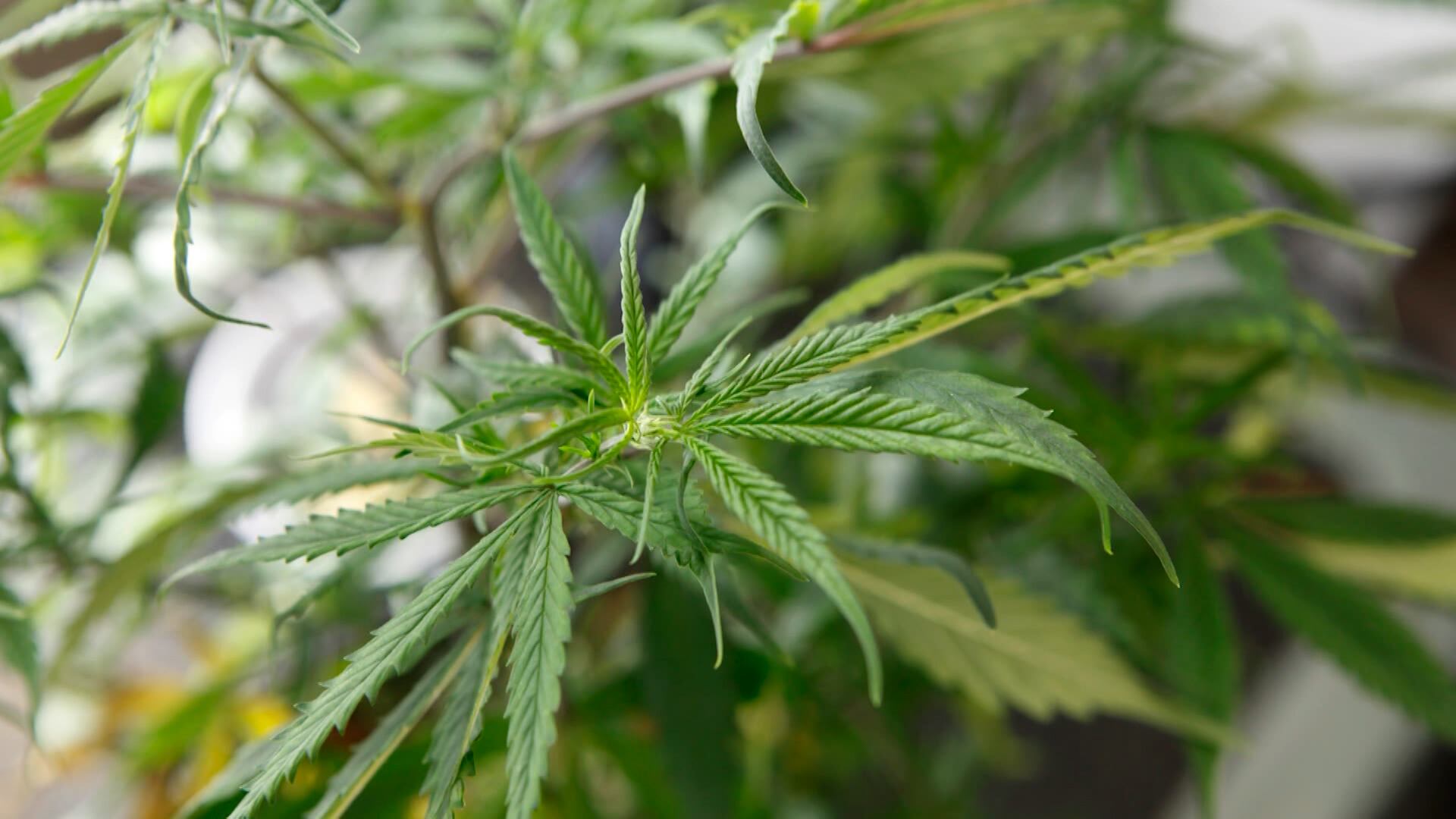
Cann, a cannabis-infused beverage company, announced today a $27 million Series A funding round from existing investors like Imaginary Ventures and a roster of new celebrity investors including Nina Dobrev, Adam Devine, Zoey Deutch, Jordan Cooper, Sara Foster, and Rosario Dawson. Cann is also announcing its first international expansion with the brand's launch in Canada. Jake Bullock, co-founder and CEO of Cann, joins Cheddar News' Closing Bell to discuss.
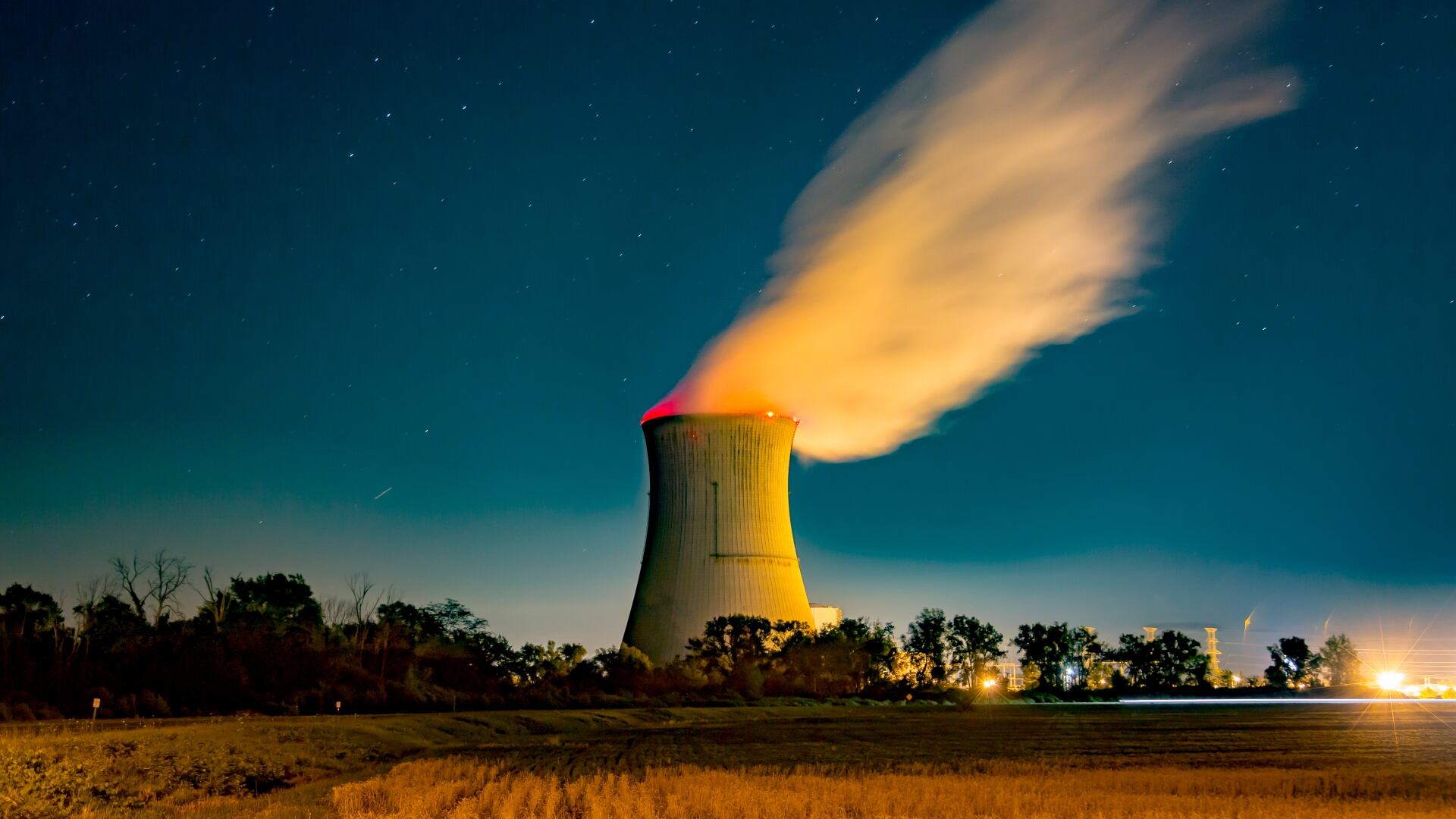
By 2050, nuclear power share of total energy consumption will dip to just 3.7% down from the already measly 4.5% it is today, according to the U. S. Energy Information Administration. However, a group of world powers including the U.S. and Japan is looking to reverse the trend. John Kotek, SVP of Policy Development and Public Affairs at the Nuclear Energy Institute, joined Cheddar News to discuss.
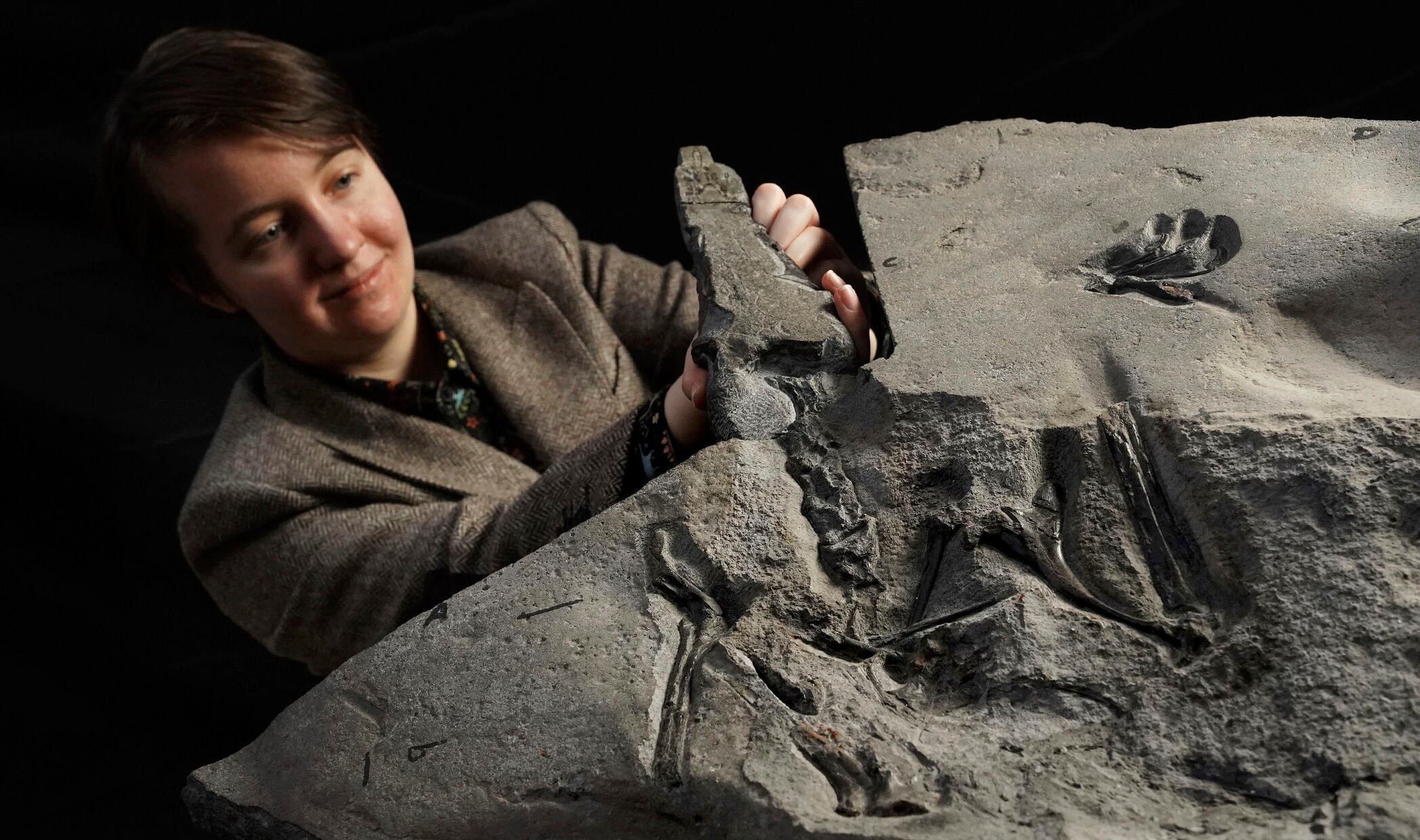
Scientists say the fossil of a 170-million-year-old pterosaur, billed as the world’s best-preserved skeleton of the prehistoric winged reptile, has been found on the Isle of Skye in Scotland.
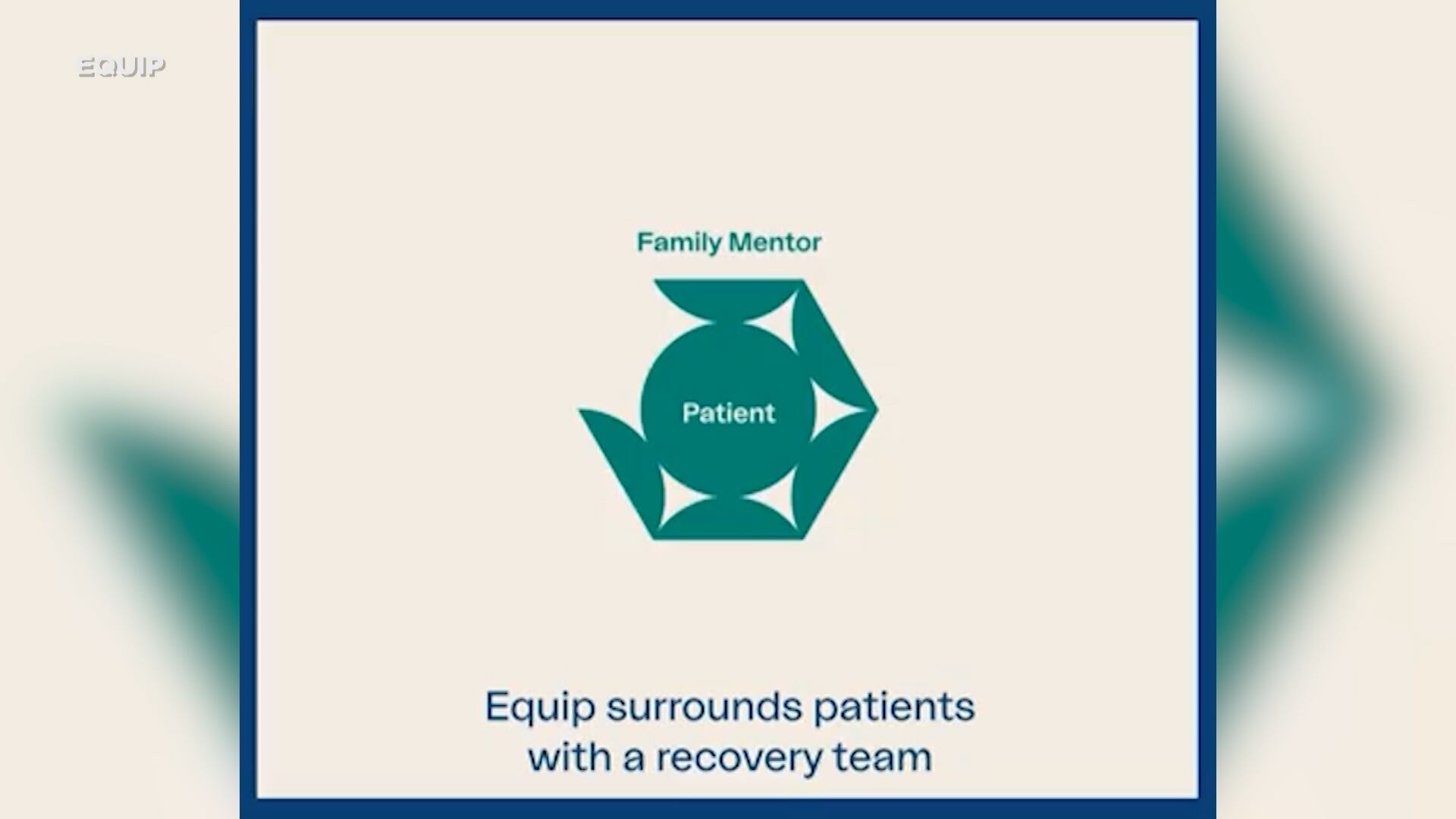
Equip is a virtual treatment platform for eating disorders, and recently raised $58 million in a Series B round led by The Chernin Group. The company aims to revolutionize treatment for eating disorders by delivering virtual care teams and clinical expertise directly to families' homes. Equip says the need for its platform has only been exacerbated by the COVID-19 pandemic. The National Eating Disorder Association's helpline has had a 107% increase in contacts since the start of the pandemic. Kristina Saffran, CEO and co-founder of Equip, joins Cheddar News' Closing Bell to discuss.
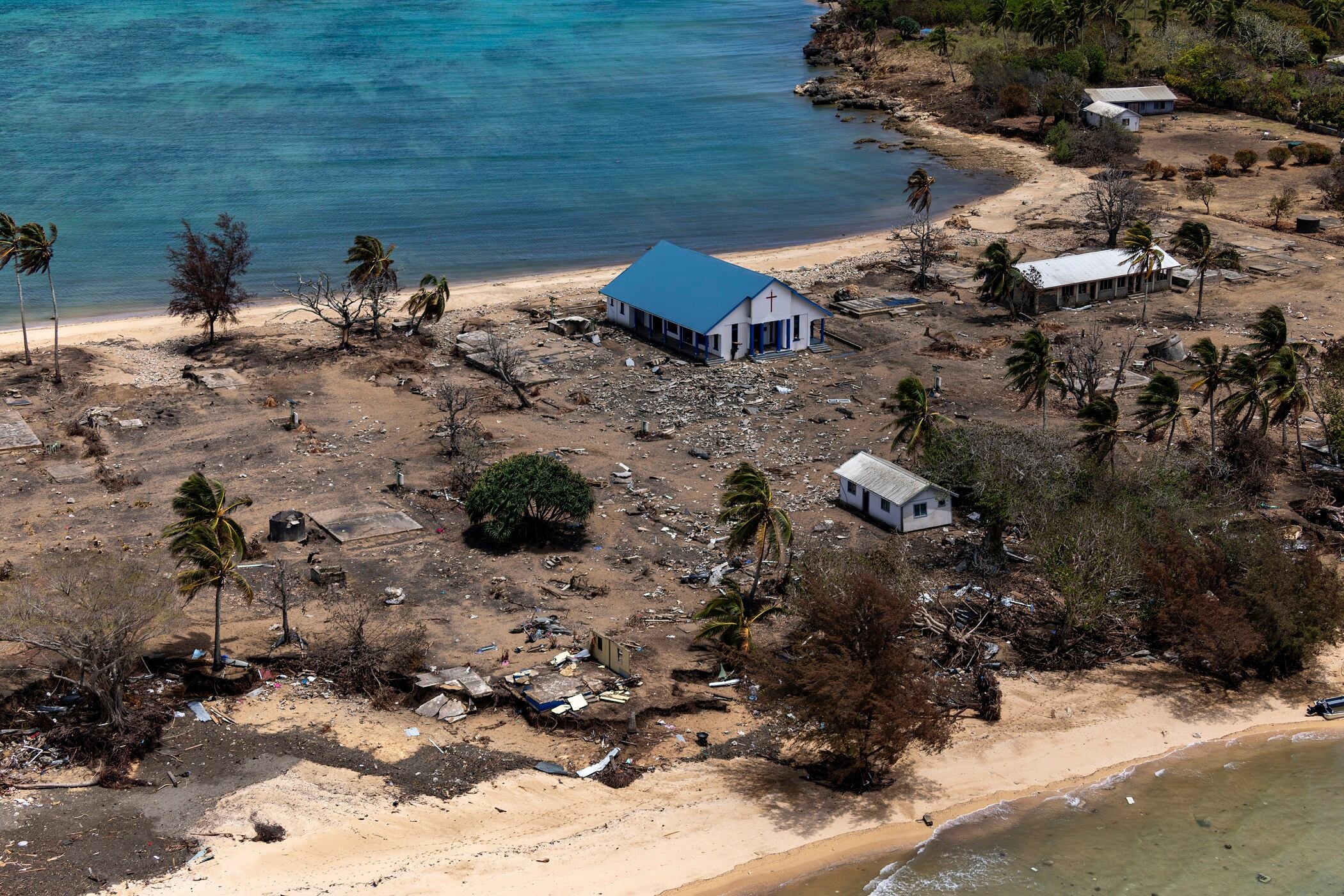
Tonga's main internet connection to the rest of the world has finally been restored more than five weeks after a huge volcanic eruption and tsunami severed a crucial undersea cable.
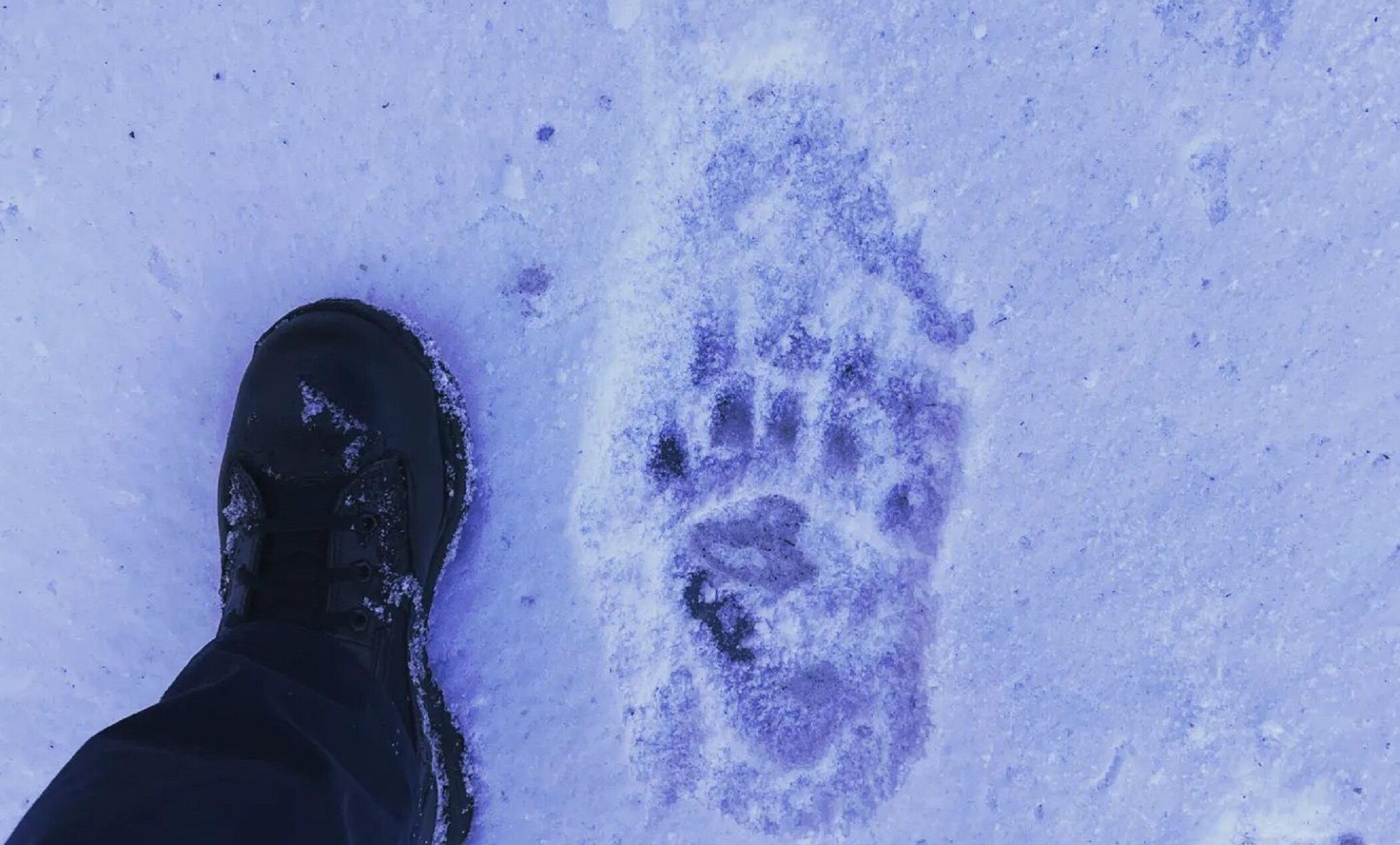
Hank the Tank strikes again. The 500-pound black bear that has damaged more than 30 properties around Lake Tahoe last week broke into yet another home in its endless quest for a quick meal.