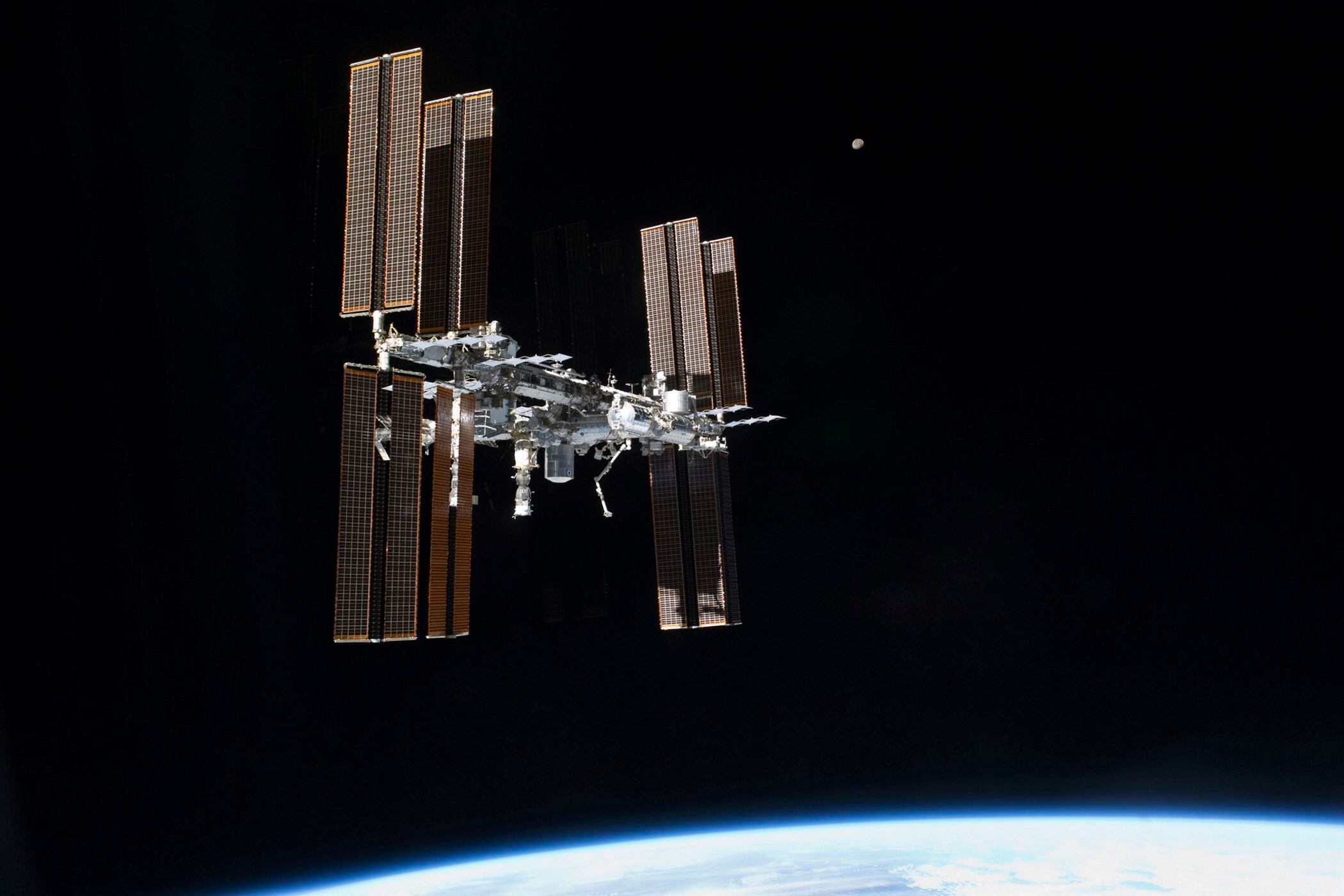
This July 19, 2011 photo of the International Space Station was taken from the space shuttle Atlantis. On Tuesday, Sept. 29, 2020, NASA said that the two Russians and one American on board were awakened late Monday to hurriedly seal hatches between compartments and search for the ongoing leak, which appeared to be getting worse. It was the third time in just over a month that the crew had to isolate themselves on the Russian side, in an attempt to find the growing leak. (NASA via AP)
By Marcia Dunn
A small air leak at the International Space Station finally has been traced to the Russian side, following a middle-of-the-night search by astronauts.
NASA said Tuesday that the two Russians and one American on board were awakened late Monday to hurriedly seal hatches between compartments and search for the ongoing leak, which appeared to be getting worse. It was the third time in just over a month that the crew had to isolate themselves on the Russian side, in an attempt to find the growing leak.
It turns out instead of the leak getting bigger this time, a temporary temperature change caused the erroneous cabin air pressure reading, according to NASA. The leak was first spotted a year ago.
NASA officials stress that the leak remains small and poses no danger. The astronauts will now use leak detectors to try to pinpoint the leak in Russia’s main living and working compartment called Zvezda, Russian for Star.
Space station deputy program manager Kenny Todd said the good news is that “instead of a bunch of haystacks, we're down to maybe one haystack." But he added: “It's still a needle we're looking for.”
NASA is sending up extra air supply tanks on its next space station delivery, scheduled for a Thursday departure from Virginia. As long as the leak does not worsen, Todd said, the space station should be fine through next spring.
In two weeks, two Russians and an American are scheduled to arrive at the space station, followed by a crew of three Americans and a Japanese on SpaceX's second launch of astronauts, now targeted for Oct. 31.
During a news conference Tuesday from Houston, NASA astronaut Mike Hopkins, the commander, announced that the SpaceX capsule would be called Resilience — to reflect how the world is coping with this year's challenges.
“We hope that it brings a smile to your face and we hope that it provides something positive in your lives. Quite frankly, we hope that it’s an inspiration,” Hopkins said of the name and the mission.
___
The Associated Press Health and Science Department receives support from the Howard Hughes Medical Institute’s Department of Science Education. The AP is solely responsible for all content.
Andrew Chanin, CEO of investment management firm ProcureAM, joined Cheddar to break down the many industries in the space economy and discuss what trends are driving the most growth. "Right now there's been so much media focus on space tourism. Why? Because last year it really debuted itself to the world," he said. "However it's less than 1 percent of the overall space economy, and there are many other parts of space which are actually driving this area."
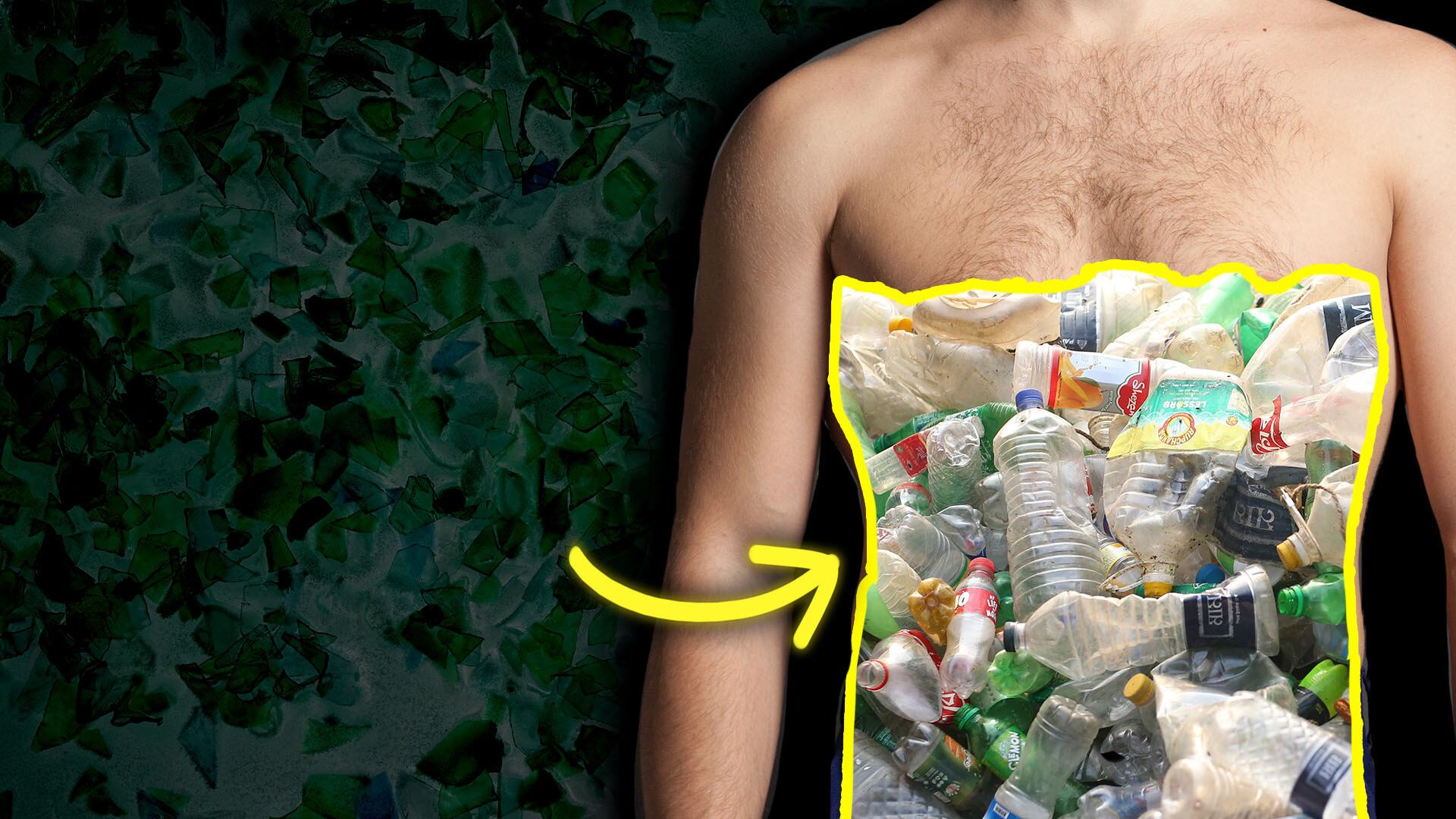
Plastic has become the face of global pollution. To date, humans have produced 8.3 billion metric tons of it. Once discarded, plastic doesn’t biodegrade. Instead, it fragments into microplastics smaller than the size of a sesame seed and further into nanoplastics.
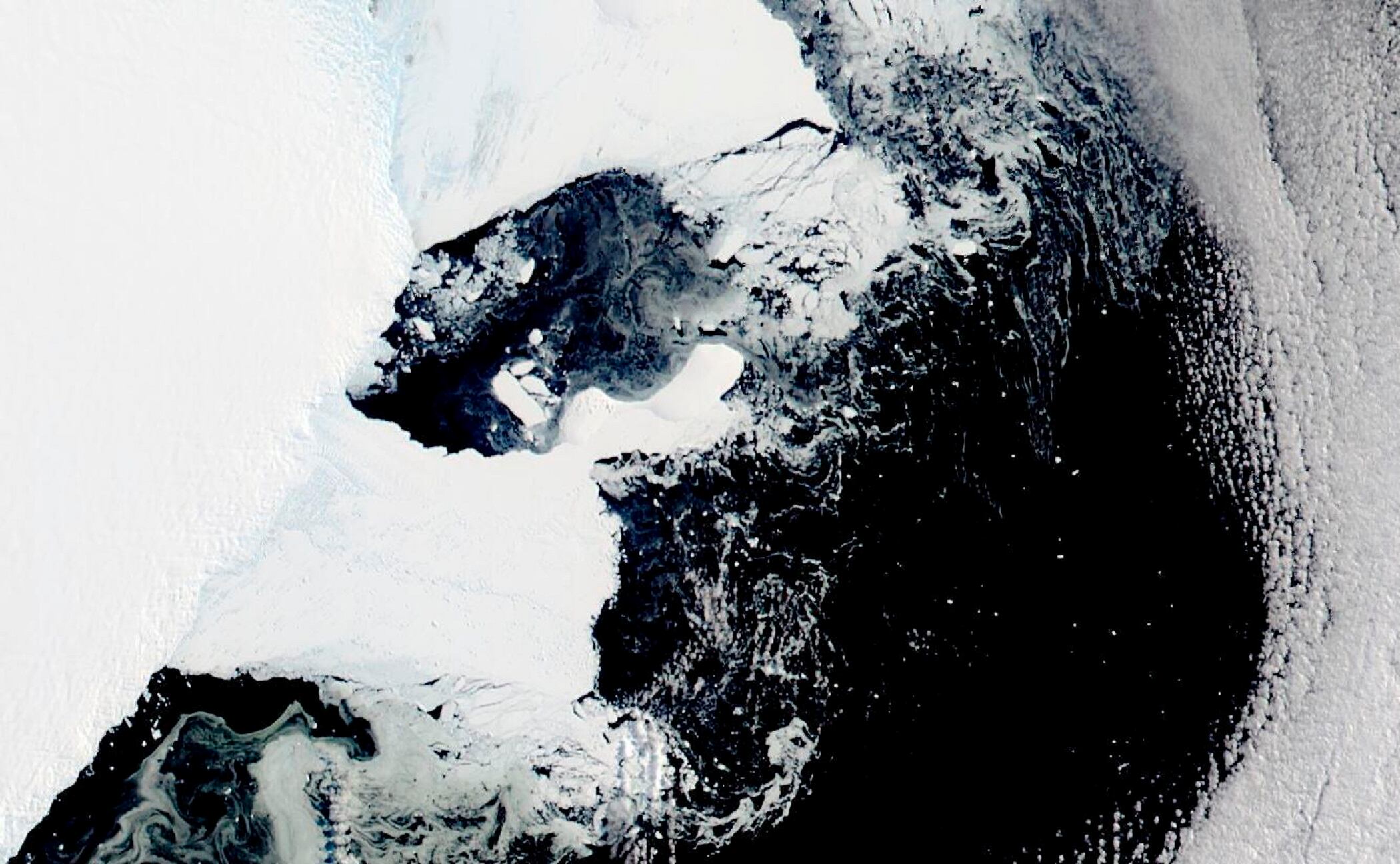
These tiny particles of plastic end up everywhere, deep in the ice of Antarctic glaciers or even inside our bodies.
So how much plastic is inside of us? And what does it mean for our health? Let’s find out.
Catching you up on what you Need to Know on Mar 29, 2022, with updates on the snow squall in Pennsylvania that caused a pileup killing three, the teacher's strike in Sacramento heading into week two, Walmart no longer selling tobacco products in select stores, and what meme stocks are up to this week.
Catching you up on what you Need to Know on Mar 28, 2022, with peace talks resuming in Ukraine as early as today, Colorado wildfires causing evacuations, Shanghai, China, ramping up restrictions once again, the Oscars debacle between Will Smith and Chris Rock, and more.
The U.S. market value of the plant-based food industry reached an all-time high last year. According to a new report from the Plant Based Food Association, retail sales of plant-based foods reached $7.4 billion, but questions are arising over whether the industry can sustain the levels of growth it had in the past few years. Julie Emmett, senior director of marketplace development at the Plant Based Food Association, joined Cheddar News' Closing Bell to discuss.
Bowery Farming's vertical growing process allows it to cultivate 13 types of greens — and now, strawberries — in a sustainable way that's also faster than traditional farming. Bowery focuses on sustainability from start to finish, using unique technology to provide plants with what they need at the right time while eliminating waste and cutting down on carbon dioxide emissions. Katie Seawell, Chief Commercial Officer of Bowery Farming, joins Closing Bell to discuss the company's vertical farming process, sustainability focus, fixing the food supply chain, and more.
Nexii, a company based in Canada, is getting some big backing for its sustainable, low-carbon concrete alternative. CEO Stephen Sidwell, joined Cheddar News to talk about the initiatives his company is taking to tackle climate change and scaling up production to meet demand. "Most people don’t realize it, but buildings are the number one contributor to CO2 emissions," he said. "So that's really what we're attacking, the overall CO2 emissions."
Catching you up on what you need to know on March 25, 2022, with Ukrainian forces retaking Kyiv, 300 deaths reported from the bombing of a theater used as a shelter in Mariupol, U.S. regulators ditch a climate review of natural gas projects, the 94th Academy Awards, and more.
New York City Mayor Eric Adams has announced the removal of the mask mandate in school and day-care centers for children under 5. If COVID-19 cases remain low, this change will take place on April 4th. Syra Madad, an infectious disease epidemiologist, joins Cheddar News to discuss.