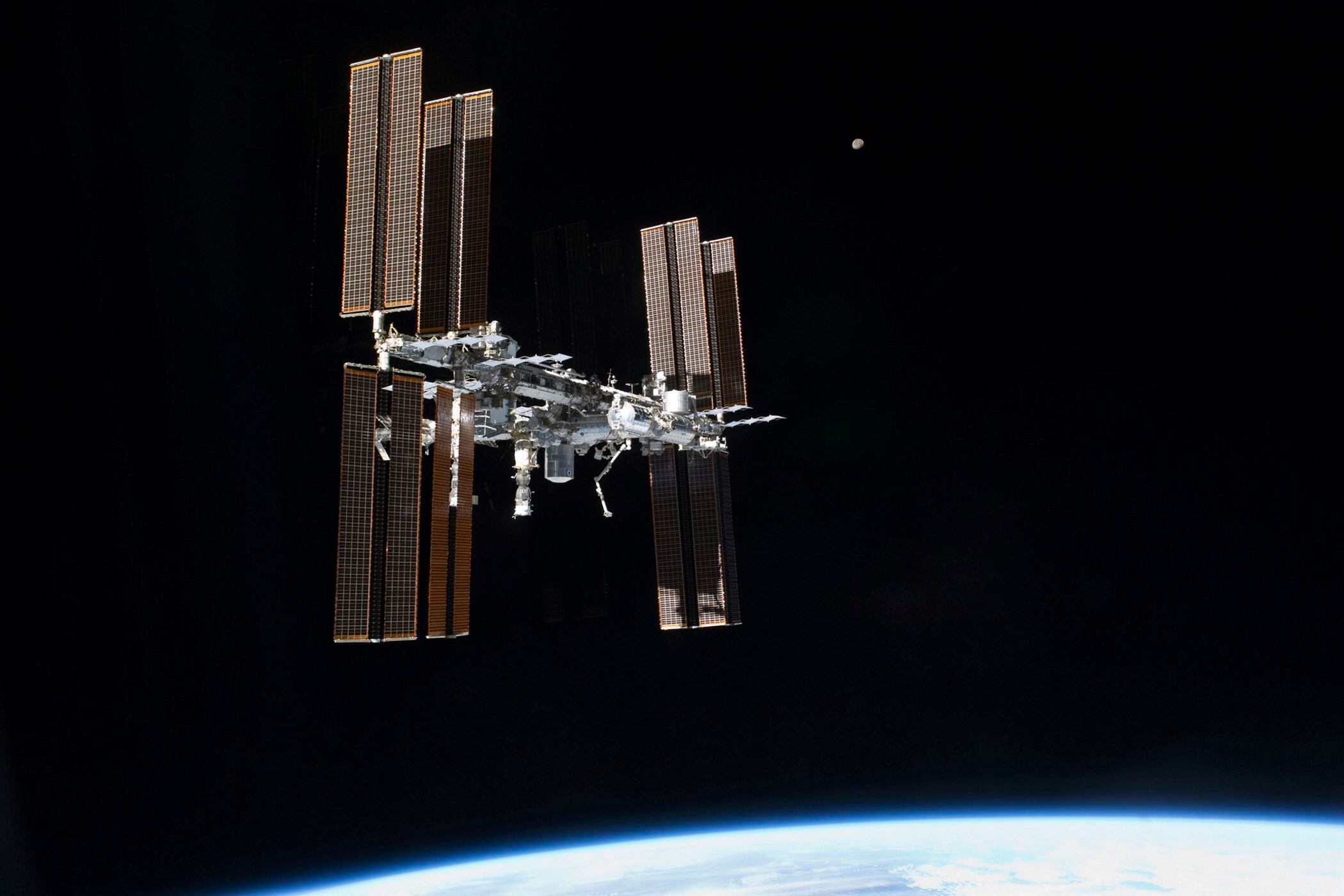
This July 19, 2011 photo of the International Space Station was taken from the space shuttle Atlantis. On Tuesday, Sept. 29, 2020, NASA said that the two Russians and one American on board were awakened late Monday to hurriedly seal hatches between compartments and search for the ongoing leak, which appeared to be getting worse. It was the third time in just over a month that the crew had to isolate themselves on the Russian side, in an attempt to find the growing leak. (NASA via AP)
By Marcia Dunn
A small air leak at the International Space Station finally has been traced to the Russian side, following a middle-of-the-night search by astronauts.
NASA said Tuesday that the two Russians and one American on board were awakened late Monday to hurriedly seal hatches between compartments and search for the ongoing leak, which appeared to be getting worse. It was the third time in just over a month that the crew had to isolate themselves on the Russian side, in an attempt to find the growing leak.
It turns out instead of the leak getting bigger this time, a temporary temperature change caused the erroneous cabin air pressure reading, according to NASA. The leak was first spotted a year ago.
NASA officials stress that the leak remains small and poses no danger. The astronauts will now use leak detectors to try to pinpoint the leak in Russia’s main living and working compartment called Zvezda, Russian for Star.
Space station deputy program manager Kenny Todd said the good news is that “instead of a bunch of haystacks, we're down to maybe one haystack." But he added: “It's still a needle we're looking for.”
NASA is sending up extra air supply tanks on its next space station delivery, scheduled for a Thursday departure from Virginia. As long as the leak does not worsen, Todd said, the space station should be fine through next spring.
In two weeks, two Russians and an American are scheduled to arrive at the space station, followed by a crew of three Americans and a Japanese on SpaceX's second launch of astronauts, now targeted for Oct. 31.
During a news conference Tuesday from Houston, NASA astronaut Mike Hopkins, the commander, announced that the SpaceX capsule would be called Resilience — to reflect how the world is coping with this year's challenges.
“We hope that it brings a smile to your face and we hope that it provides something positive in your lives. Quite frankly, we hope that it’s an inspiration,” Hopkins said of the name and the mission.
___
The Associated Press Health and Science Department receives support from the Howard Hughes Medical Institute’s Department of Science Education. The AP is solely responsible for all content.
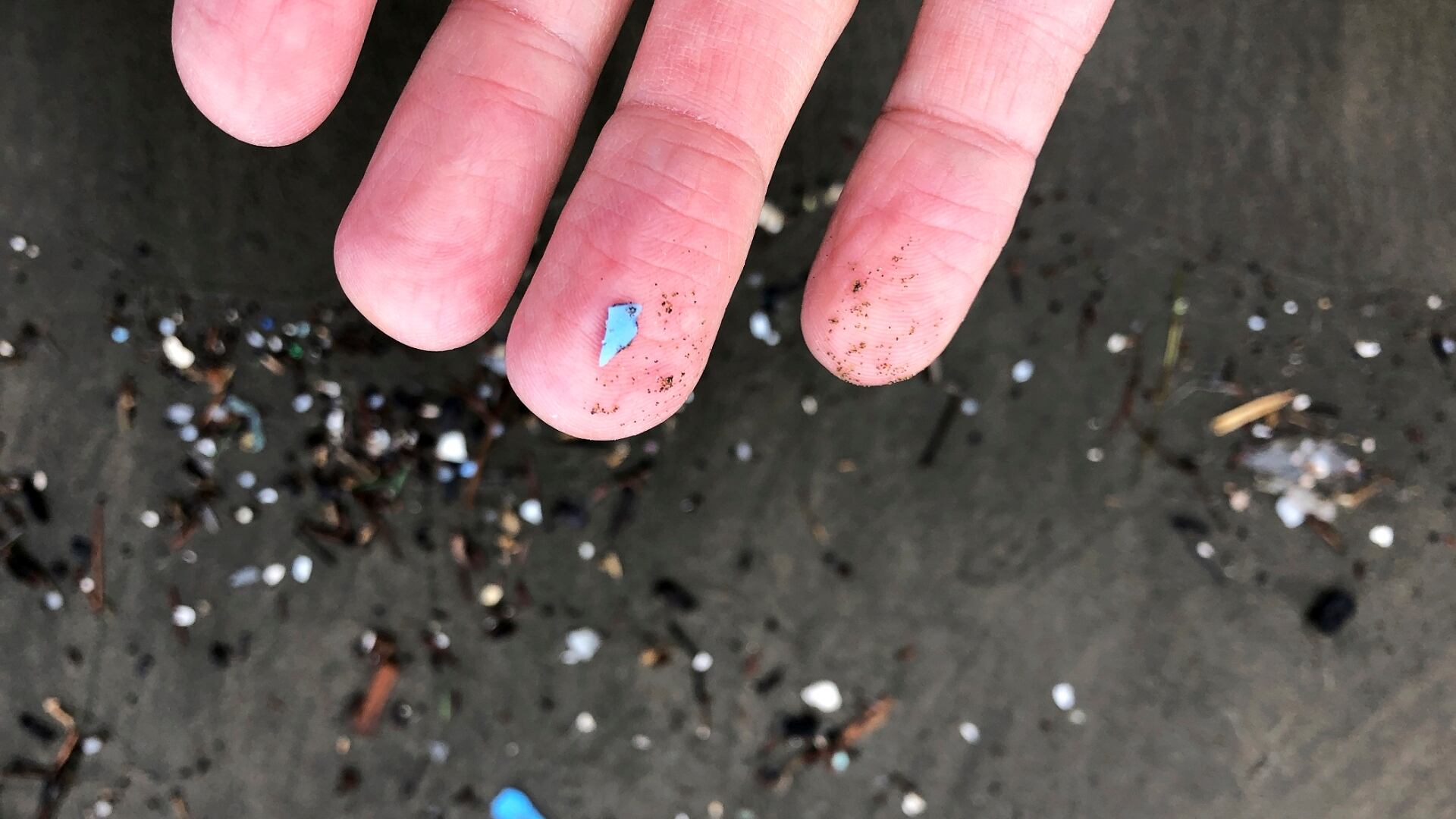
For the first time microplastics have been found deep in the lungs of living humans. The trace materials potentially came from everyday items such as plastic bottles and bags. Dr. Jessica Shepherd, the chief medical officer at Verywell Health, joined Cheddar News to talk about the report's findings and to discuss the possible risks people might face. "The study’s most important part is we need to decrease our pollution, and we need to think about different ways to consume outside of plastic," she said.
An estimated five billion people lack access to affordable and safe surgical care around the world. For World Health Day, Cheddar News spoke with Kristie Magee Porcaro of Operation Smile, a nonprofit organization assisting with cleft lip and palate surgeries, about how they work to better it around the globe.
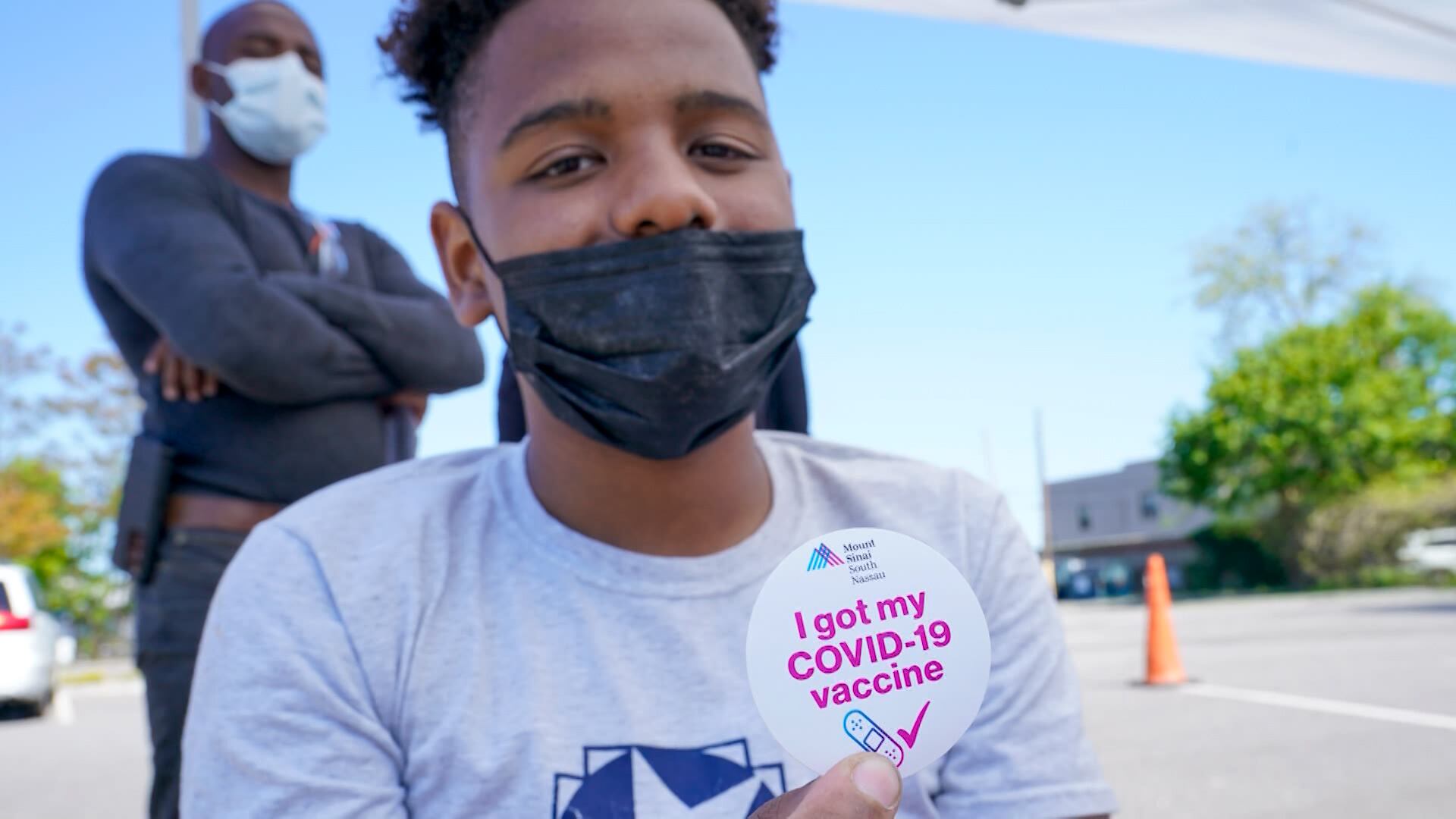
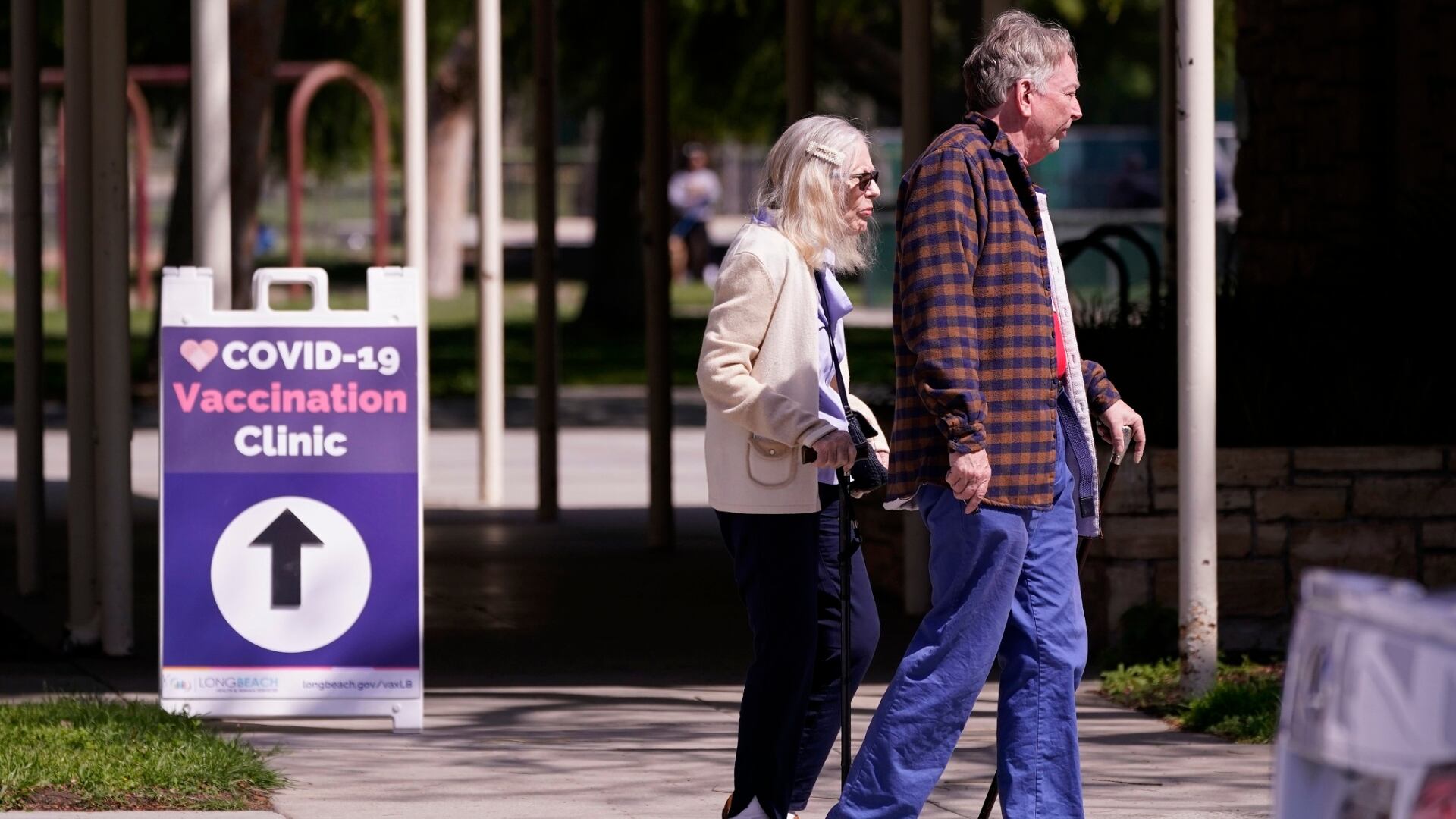
There has been notable disagreement in the medical community about a fourth COVID-19 vaccine dose. The FDA last week authorized a second booster dose for older and immunocompromised individuals, as some agency officials did not support the idea. The FDA made the decision without meeting with its advisory committee, as it had ahead of its recommendations on the previous COVID-19 vaccine doses.
The CDC followed in the footsteps of the FDA and authorized a fourth dose as well. Reports say the agency also did not discuss the move with its own advisory team of vaccine experts. Now, a growing number of doctors are speaking out against the decisions - leaving people confused about whether they should get another vaccine dose. Dr. Julie Morita, a member of the CDC's advisory committee to the director, and the executive vice president of the Robert Wood Johnson Foundation, joins Cheddar News' Closing Bell to discuss.
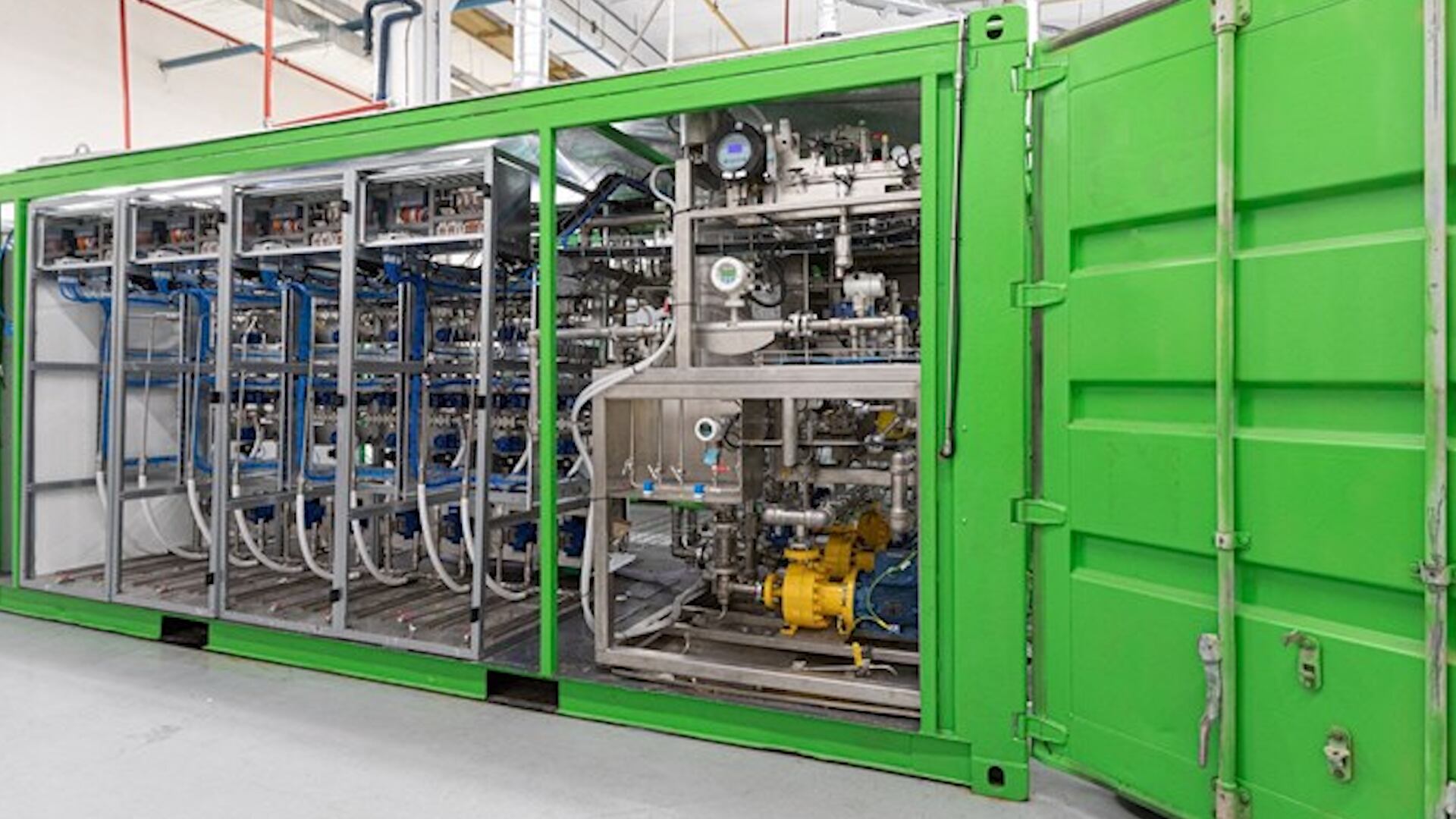
Talmon Marco, CEO of H2Pro, joins Cheddar Innovates to discuss how to bring environmentally friendly hydrogen to scale, and what this means for hydrogen's many use cases.
Catching you up on what you need to know on April 7, 2022, with updates on Ukraine urging NATO for military aid for their war with Russia, the SEC investigating Amazon, microplastics being found deep inside human lungs for the first time, and more.
Patients who have grown frustrated with lingering COVID-19 symptoms and unanswered questions are now not only the subjects of "long covid" research, but also partners in pushing this research forward. Harlan Krumholz, professor of medicine at Yale University, joins Cheddar News to discuss.
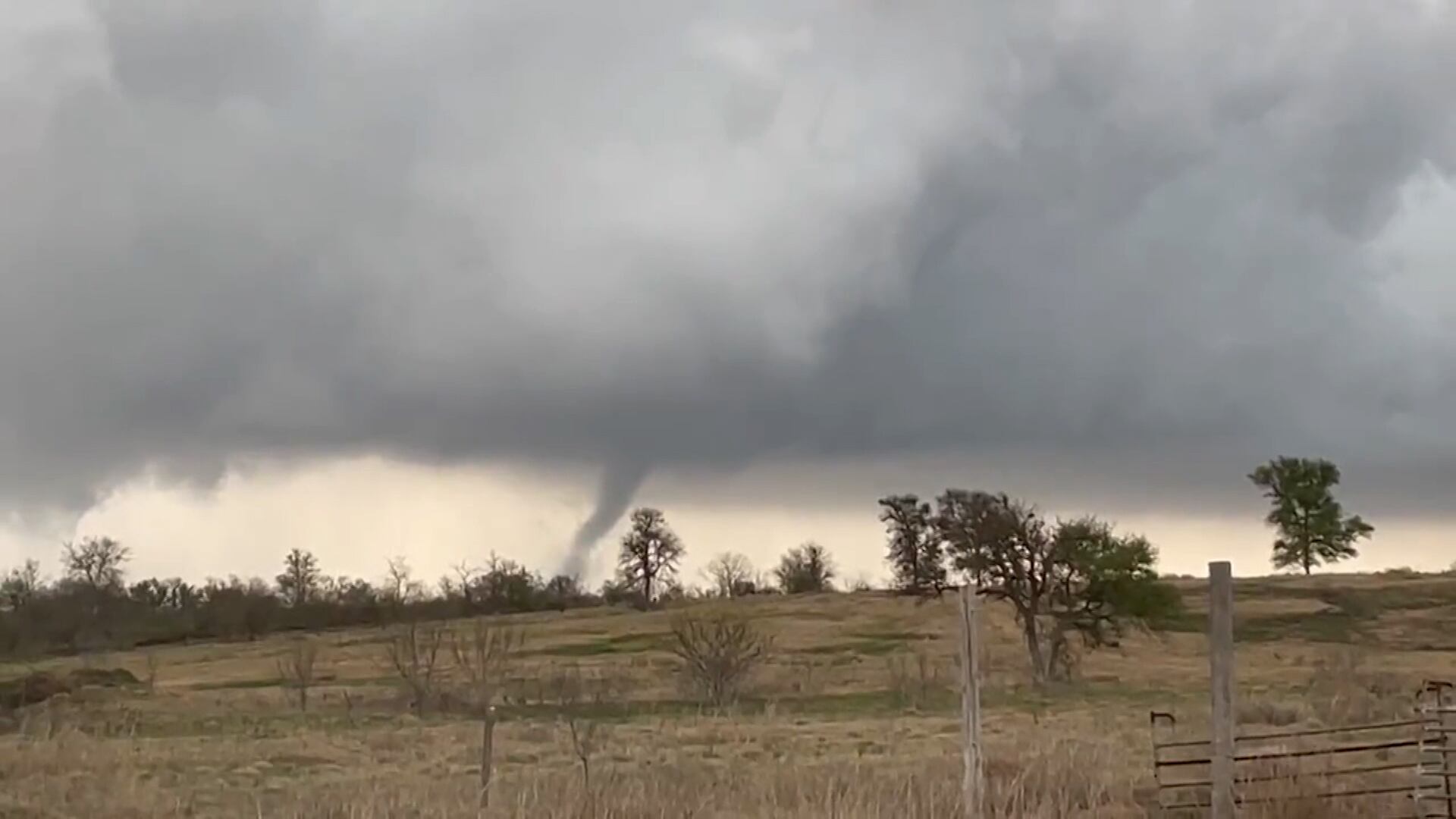
A record number of tornadoes were observed in March, topping the previous record set last year. Cheddar News speaks with NOAA’s Harold Brooks about what the implications are of an early tornado season.
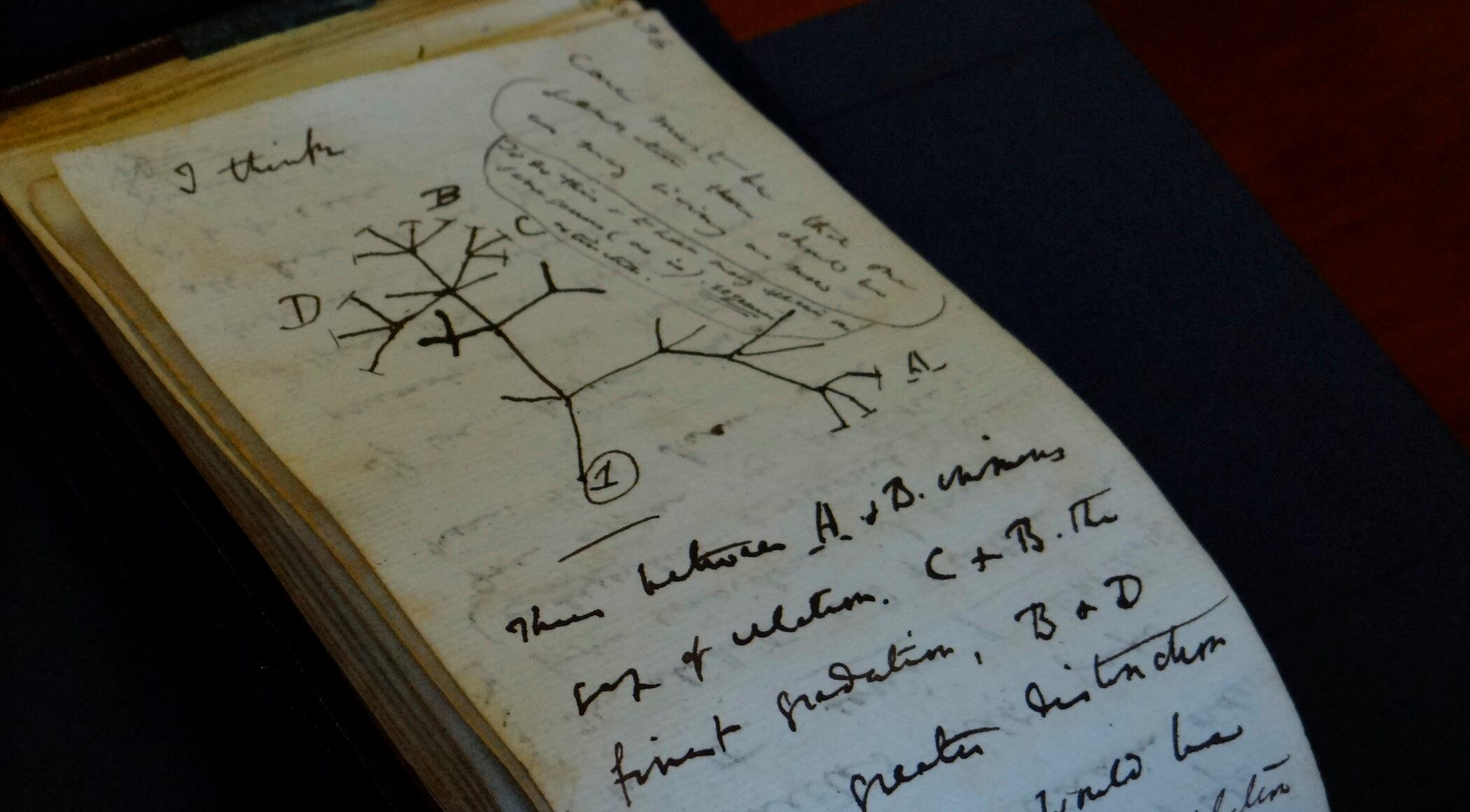
Catching you up on what you need to know on April 6, 2022, with updates on the FDA’s meeting to discuss a second COVID booster shot, more on the war in Ukraine, tornadoes on the Gulf coast, a third suspect arrested in connection to the mass shooting in California, Darwin’s lost notebooks mysteriously returned, and more.
Two of naturalist Charles Darwin’s notebooks that were reported stolen from Cambridge University have been returned, two decades after they disappeared.