Rob Verger, assistant tech editor at Popular Science, discusses SpaceX's successful launch of the Falcon Heavy rocket that propelled Elon Musk's red Tesla Roadster into orbit. The release of the car into space has prompted people to ask the question, "what now?"
Verger notes that it will take two and a half years for the rocket to orbit around the sun and end up back where it started from. It will be another five years before we could potentially see it with a telescope.
Verger says the Roadster will face significant deterioration due to radiation and a "sandblasting" of dust that will cause the car to lose its cherry red color. He talks about the vastness of space, noting it's unlikely the car would be destroyed by an asteroid.
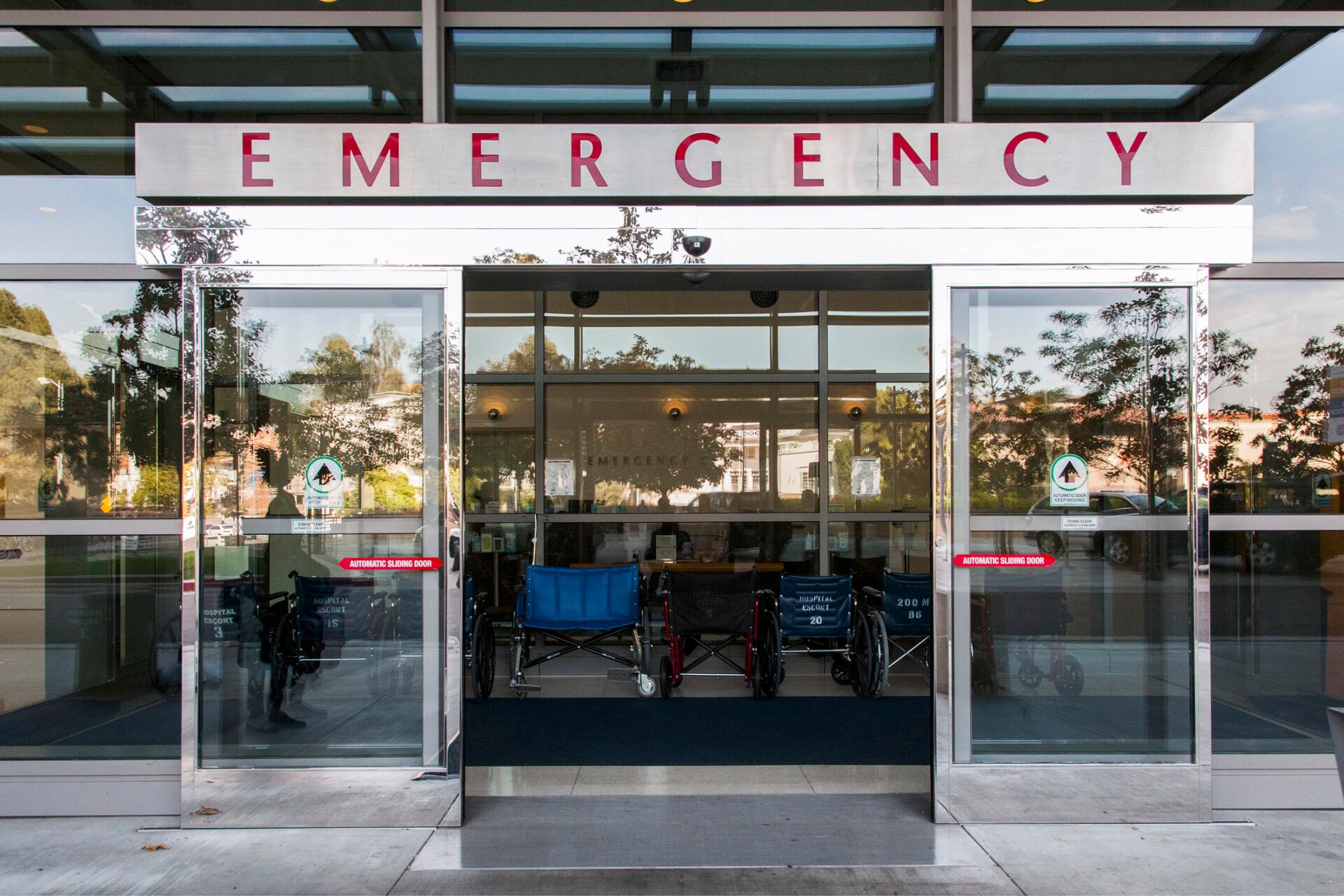
Visits to the emergency room related to mental health among young adults, teenagers, and children spiked between 2011 and 2020, according to the Journal of the American Medical Association. The annual number rose form 4.8 million to 7.5 million over that period.
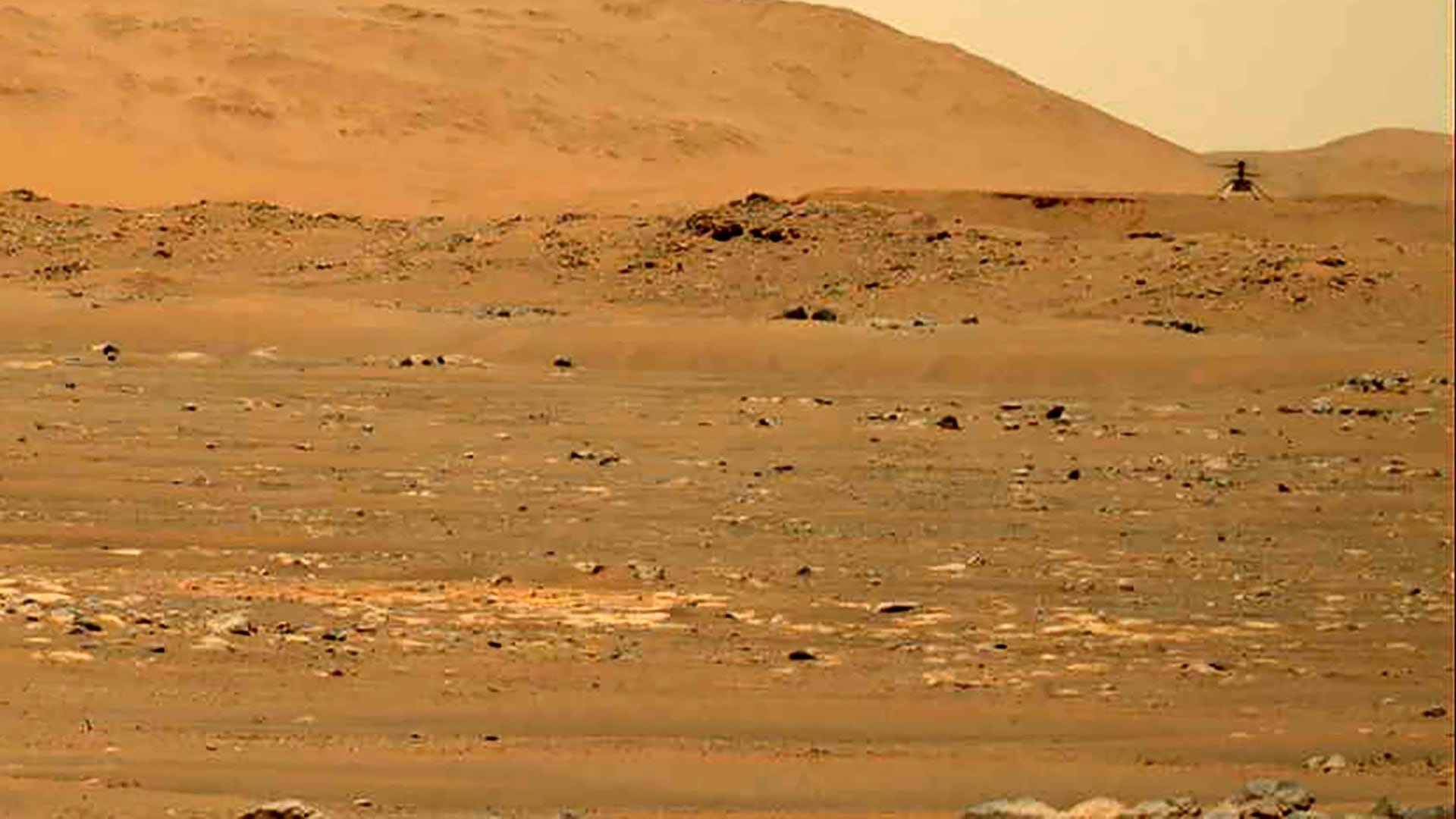
A new study suggests water on Mars may be more widespread and recent than previously thought. Scientists reported the finding from China's Mars rover in Science Advances on Friday.
Thinking about trying a new diet but not sure which way to go? An evidence-based analysis of 10 popular eating patterns shows some promote heart health much better than others.
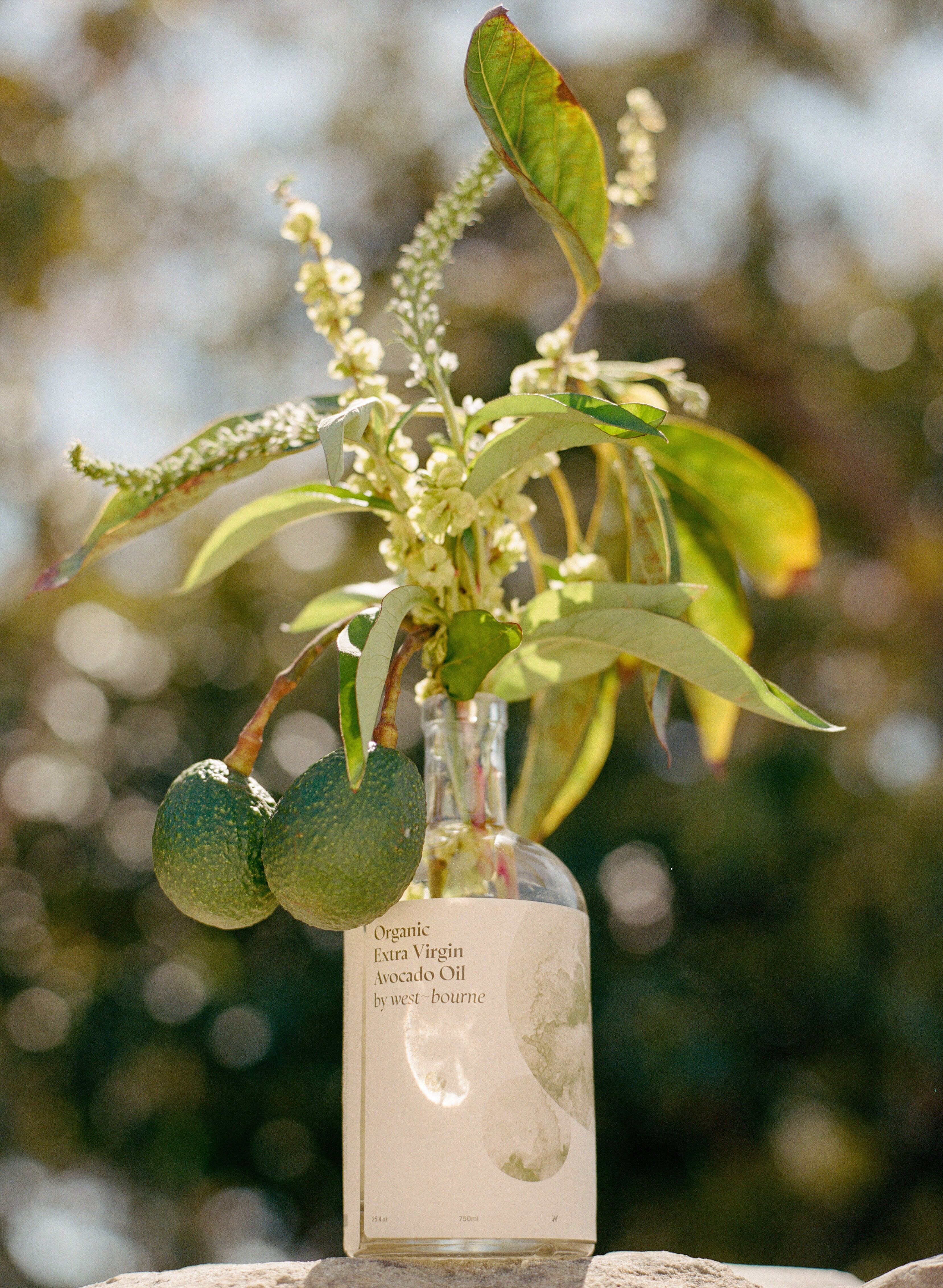
Camilla Marcus, founder of West-Bourne, joined Cheddar News to highlight the issue of wastefulness in the food industry and spoke on the importance of regenerative farming amid a growing climate crisis.