Rob Verger, assistant tech editor at Popular Science, discusses SpaceX's successful launch of the Falcon Heavy rocket that propelled Elon Musk's red Tesla Roadster into orbit. The release of the car into space has prompted people to ask the question, "what now?"
Verger notes that it will take two and a half years for the rocket to orbit around the sun and end up back where it started from. It will be another five years before we could potentially see it with a telescope.
Verger says the Roadster will face significant deterioration due to radiation and a "sandblasting" of dust that will cause the car to lose its cherry red color. He talks about the vastness of space, noting it's unlikely the car would be destroyed by an asteroid.
Pfizer is warning that an antibiotic used to treat syphilis and other bacterial infections in young people are likely to run out by the end of this quarter.
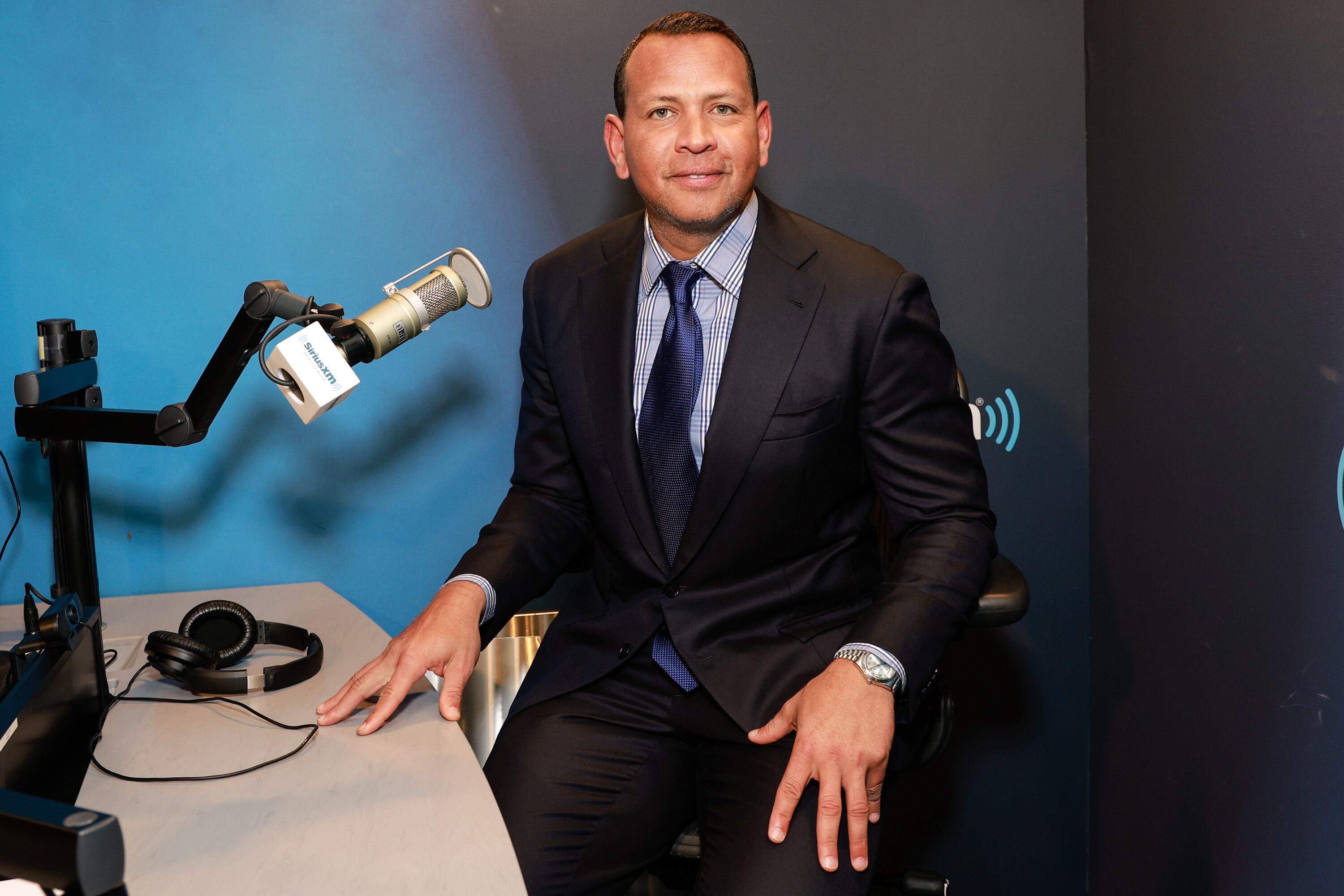
Be Well: Alex Rodriguez on the Importance of Dental Hygiene Following Gum Disease Diagnosis
Be Well: Key Stretches to Consider Before Your Workout
A scientist at the University of California, Riverside is designing an emoji-based measurement system to aid communication between patients and doctors, arguing they could be particularly useful for patients who cannot speak.
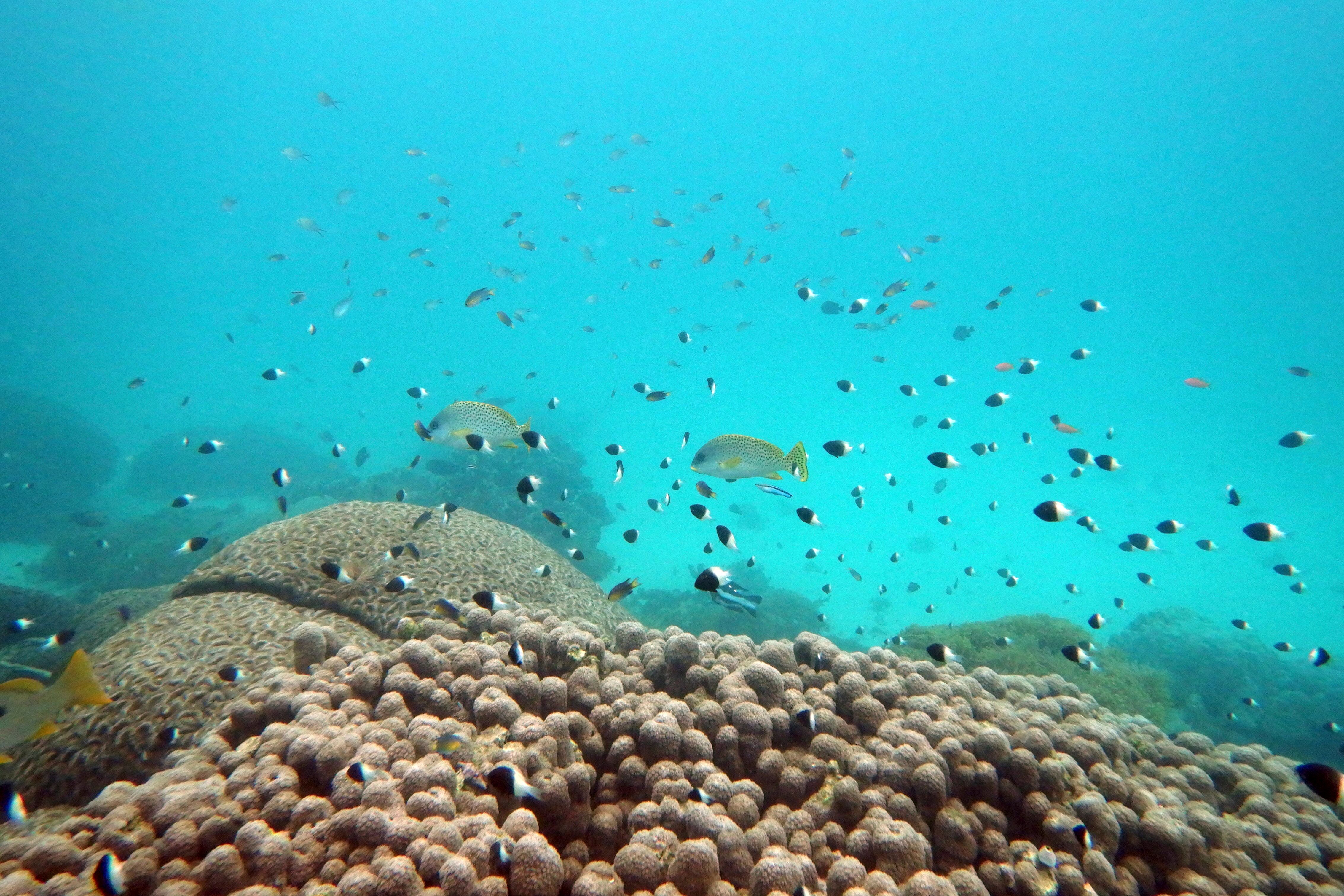
Thousands of dead fish washed up ashore in southwest Texas.
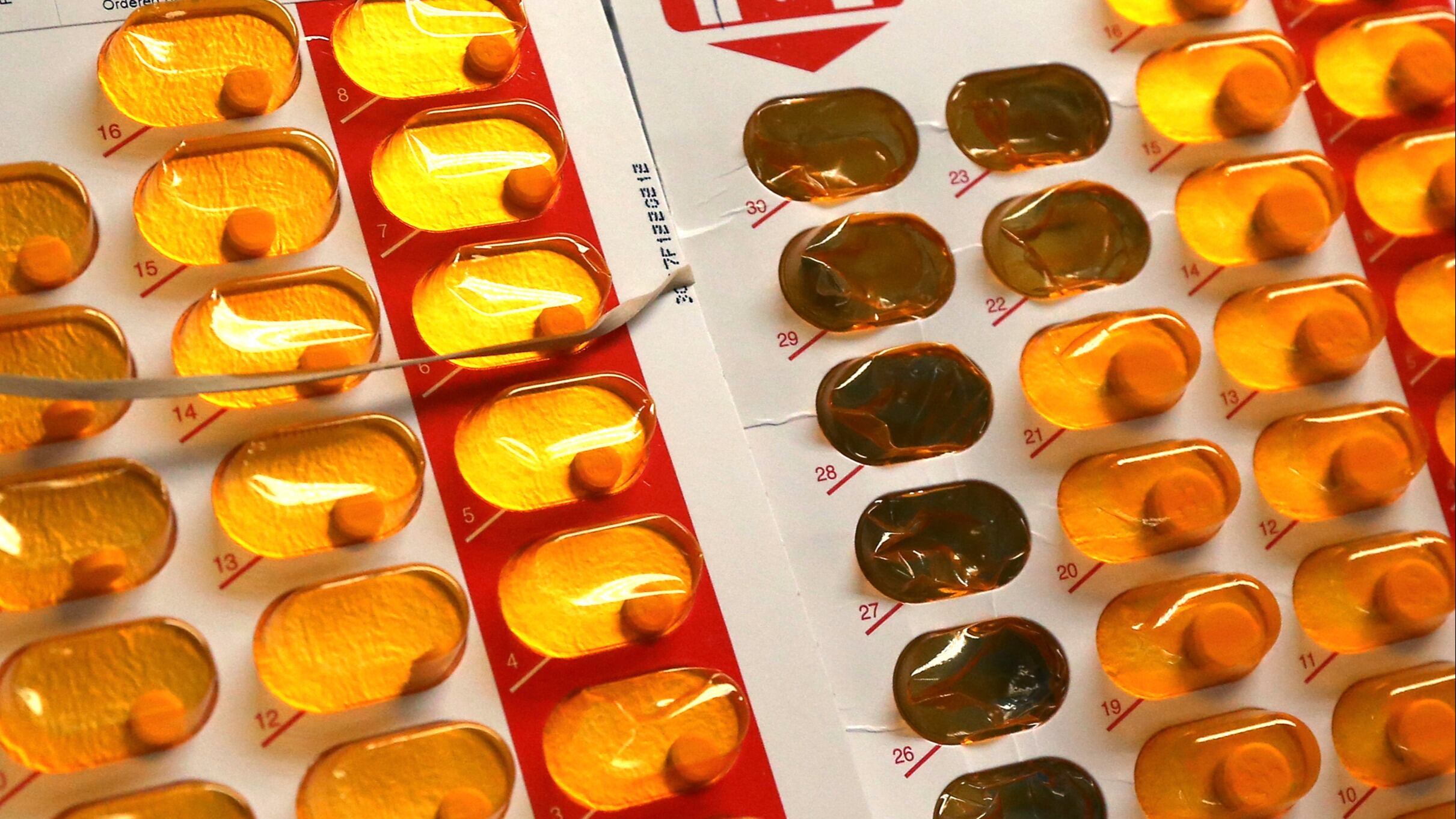
Only 1 in 4 residential treatment centers for teens offers a recommended medicine for opioid addiction, according to a study that exposes an important gap in care.
Be Well: Understanding Infertility and Weighing Options to Start a Family
Be Well: Building Strength, Cardio and Mindfulness at 'The Class'
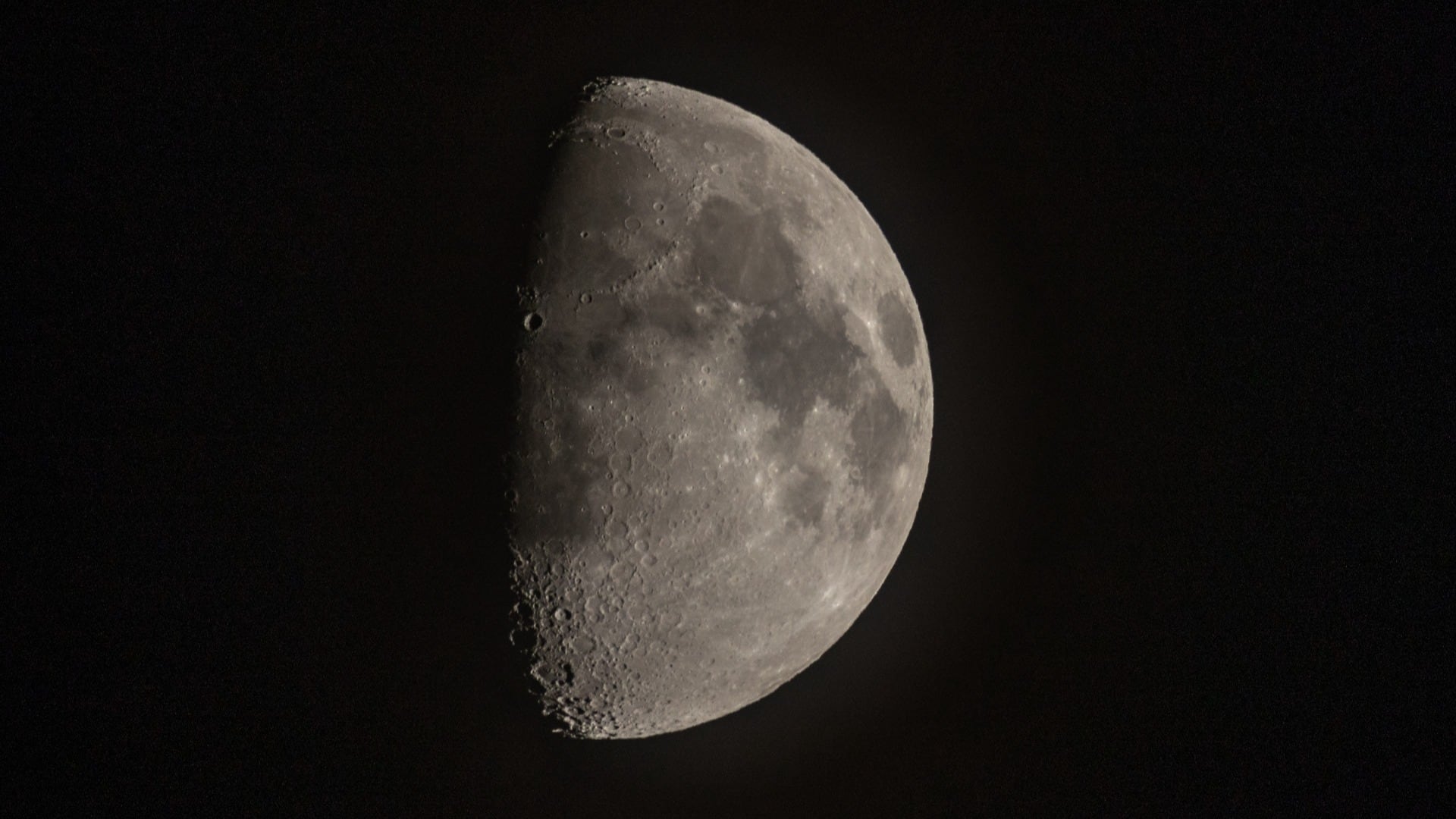
The NASA Artemis 3 mission in 2025 plans to investigate whether microorganisms may have survived in the moon's permanently shadowed craters .
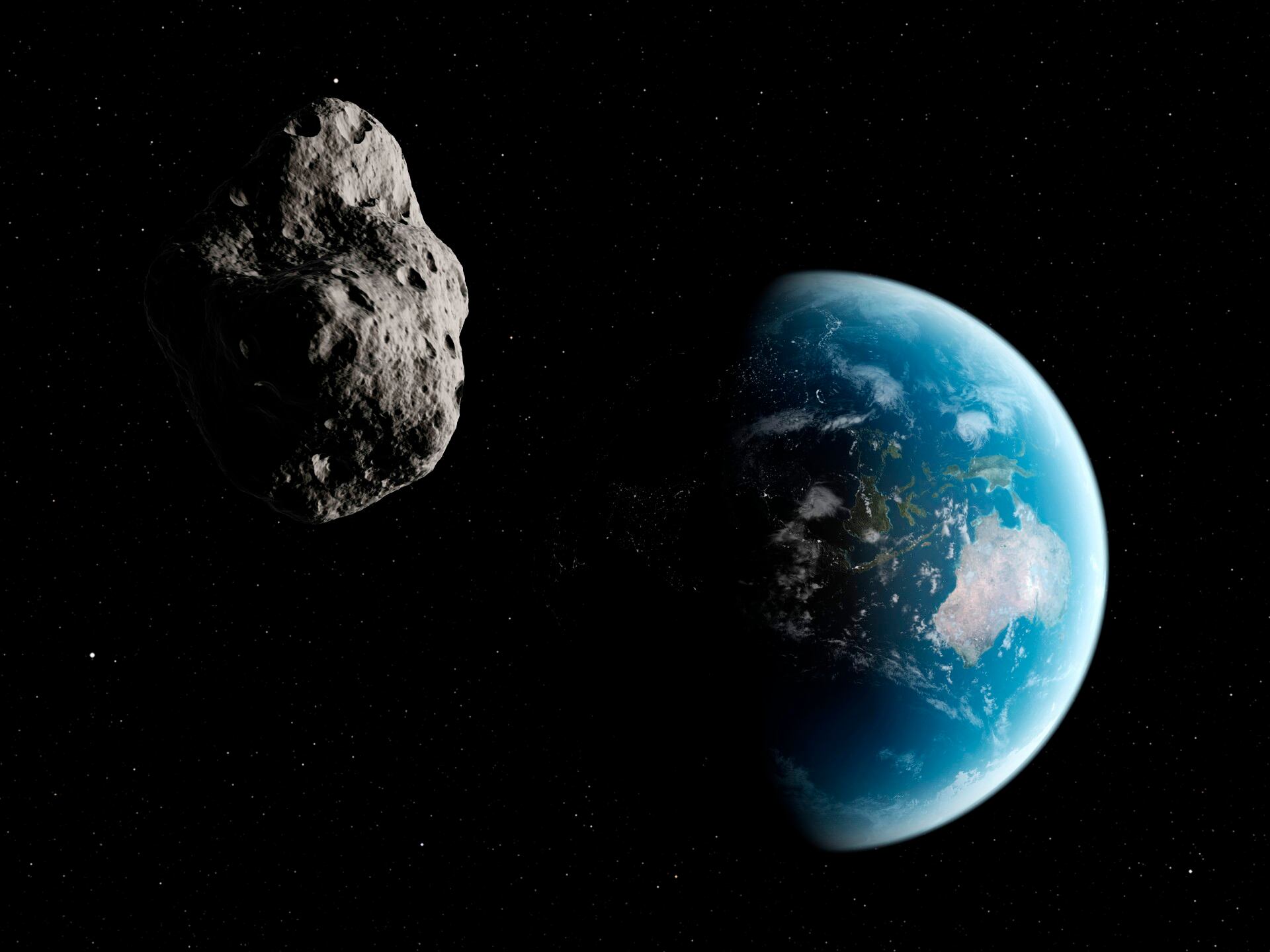
According to NASA, a "potentially dangerous" asteroid about the size of a bridge narrowly passed Earth on Monday.