Rob Verger, assistant tech editor at Popular Science, discusses SpaceX's successful launch of the Falcon Heavy rocket that propelled Elon Musk's red Tesla Roadster into orbit. The release of the car into space has prompted people to ask the question, "what now?"
Verger notes that it will take two and a half years for the rocket to orbit around the sun and end up back where it started from. It will be another five years before we could potentially see it with a telescope.
Verger says the Roadster will face significant deterioration due to radiation and a "sandblasting" of dust that will cause the car to lose its cherry red color. He talks about the vastness of space, noting it's unlikely the car would be destroyed by an asteroid.
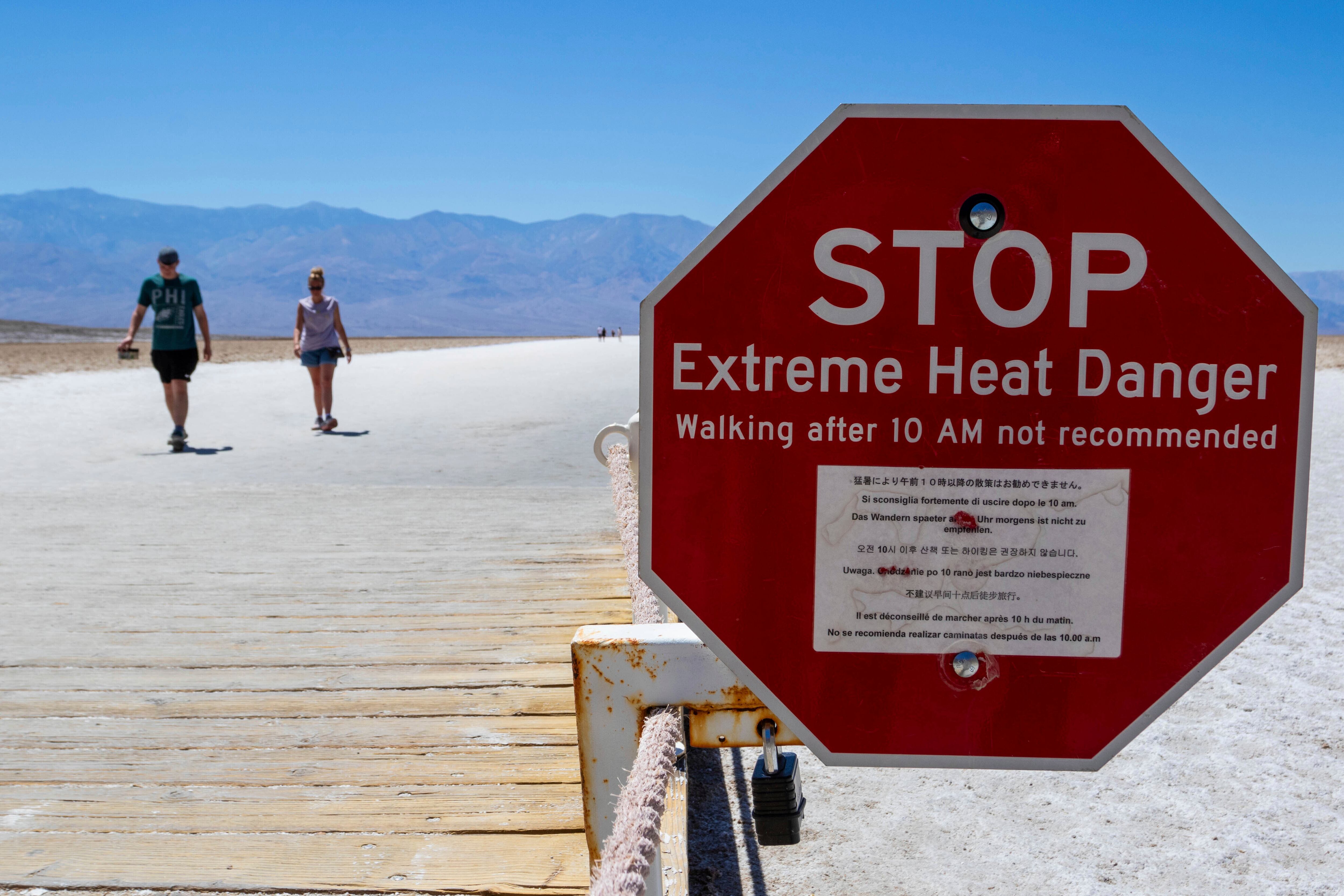
Temperatures in central and southern California could hit 120 degrees Fahrenheit this weekend.
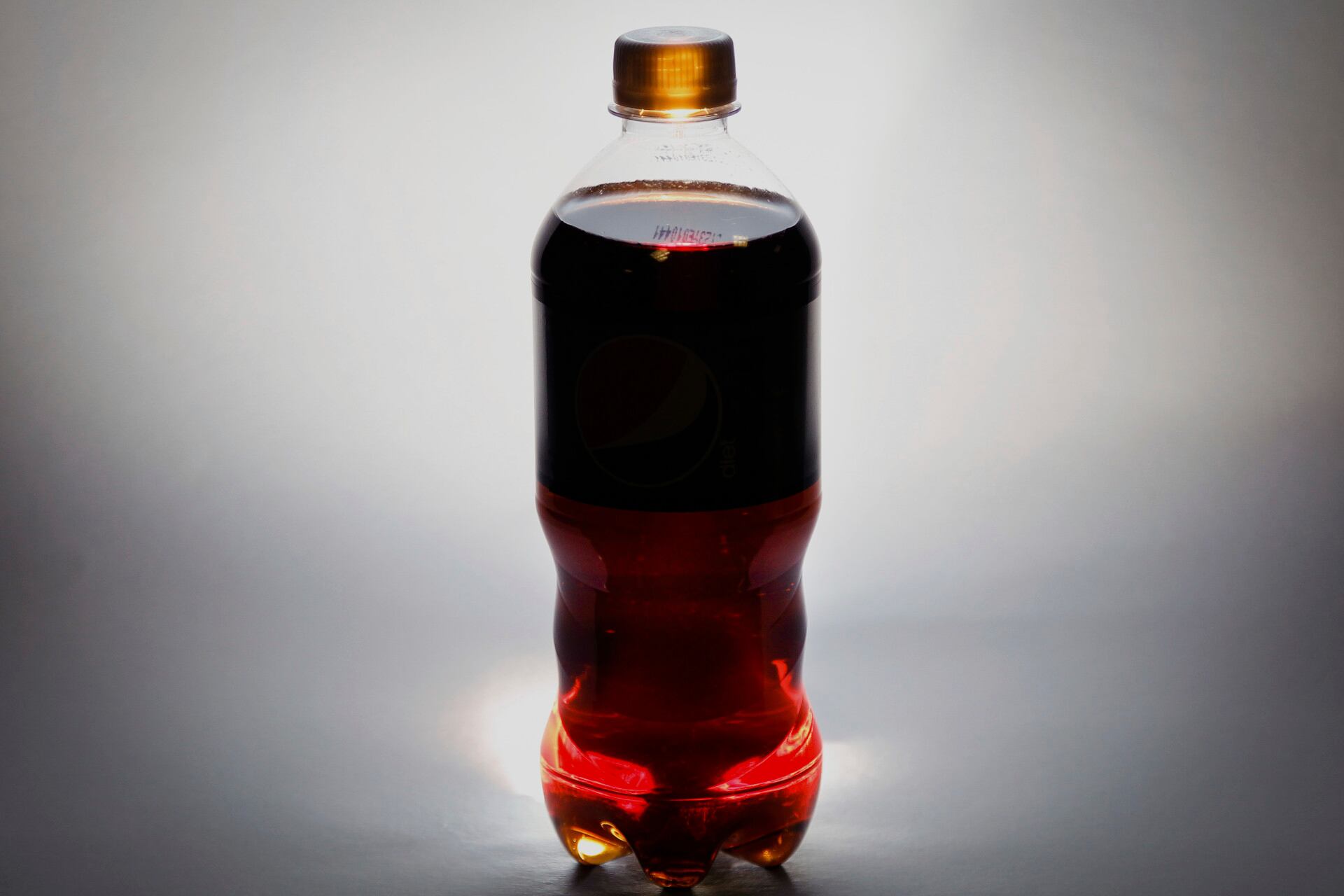
The World Health Organization moved to classify aspartame, the artificial sweetener in diet soda, as a possible carcinogen.
The World Health Organization's cancer agency has deemed the sweetener aspartame — found in diet soda and countless other foods — as a “possible” cause of cancer, while a separate expert group looking at the same evidence said it still considers the sugar substitute safe in limited quantities.
More than a third of Americans were under extreme heat advisories, watches and warnings Thursday as a blistering heat wave that's been baking the nation spread further into California, forcing residents to seek out air conditioning or find other ways to stay cool in triple-digit temperatures.
Tourists in central Athens huddled under mist machines, and zoo animals in Madrid were fed fruit popsicles and chunks of frozen food, as southern Europeans braced for a heat wave Thursday, with a warning of severe conditions coming from the European Union’s space agency.
A new study published in Nature has found that more than 56 percent of the world's oceans have changed color in the past 20 years, and climate change is to blame.
Recently discovered teeth of a two-million-year-old human relative in Africa could give researchers new insight into genetics.