Rob Verger, assistant tech editor at Popular Science, discusses SpaceX's successful launch of the Falcon Heavy rocket that propelled Elon Musk's red Tesla Roadster into orbit. The release of the car into space has prompted people to ask the question, "what now?"
Verger notes that it will take two and a half years for the rocket to orbit around the sun and end up back where it started from. It will be another five years before we could potentially see it with a telescope.
Verger says the Roadster will face significant deterioration due to radiation and a "sandblasting" of dust that will cause the car to lose its cherry red color. He talks about the vastness of space, noting it's unlikely the car would be destroyed by an asteroid.
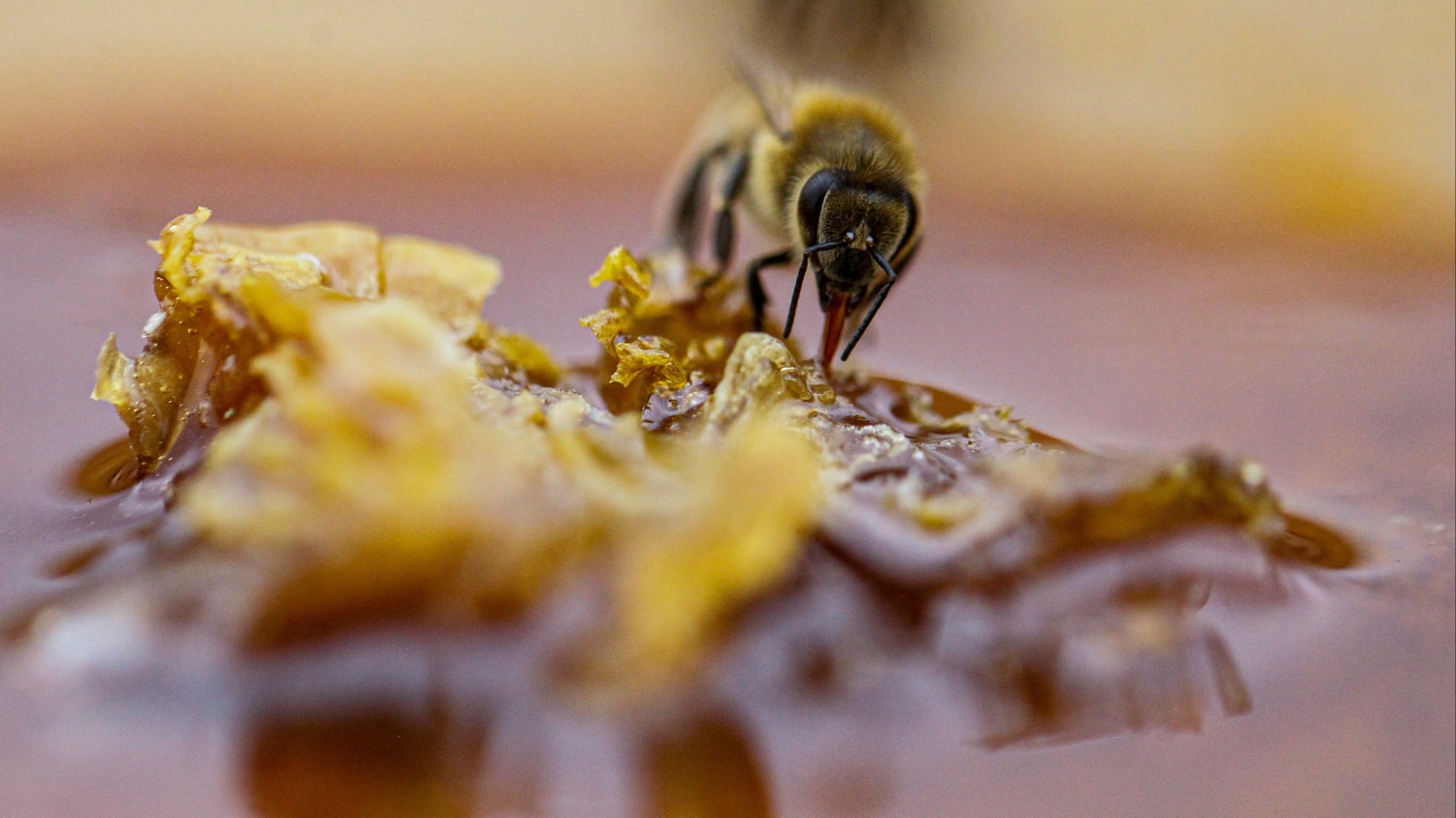
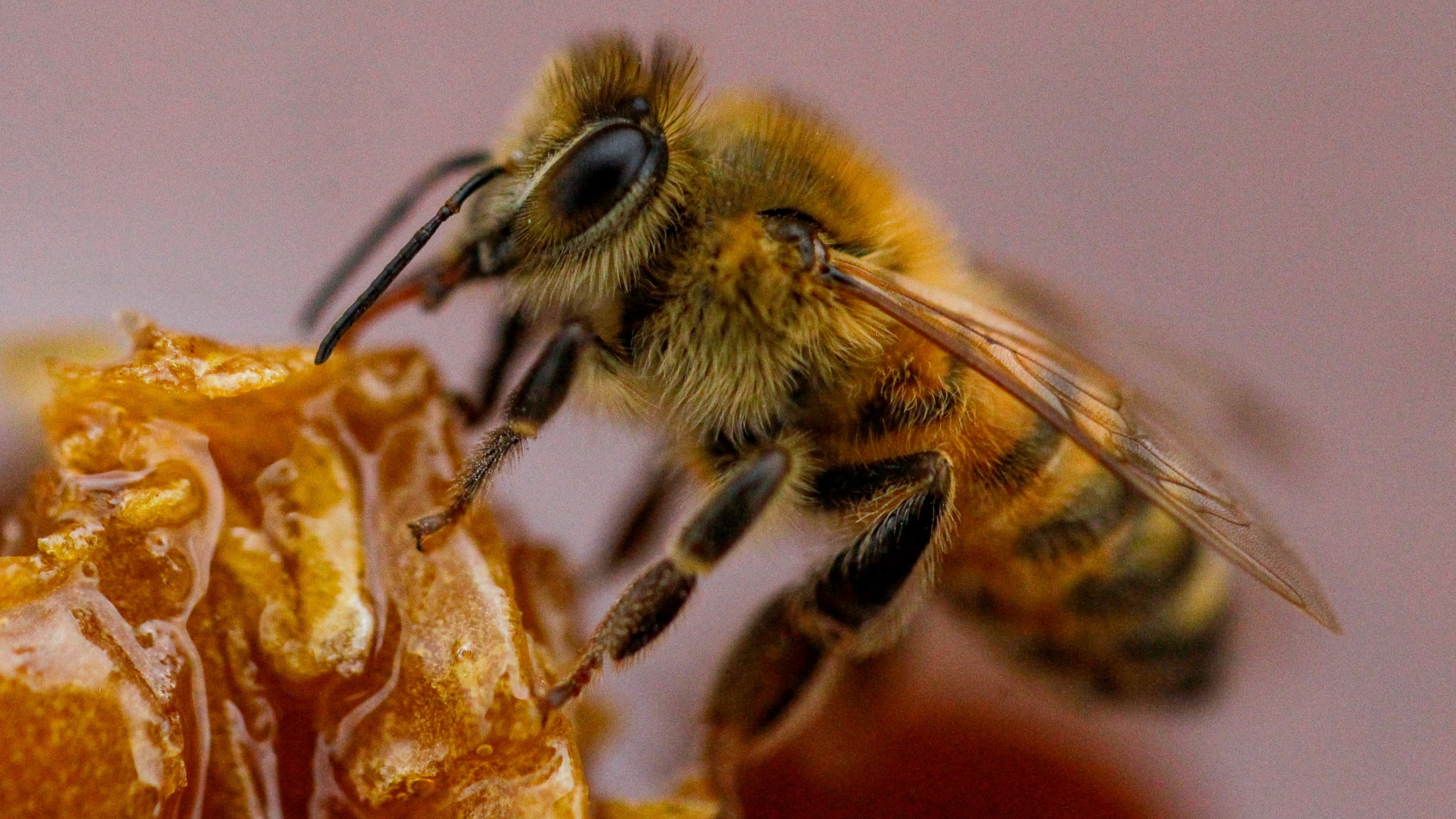
Astor Apiaries' Nick Hoefly is an expert on honey bees and, of course, honey. Cheddar News' Michelle Castillo checked out the hives to learn everything you ever wanted to know about honey ahead of Bee's Knees Week.
Nick Hoefly of Astor Apiaries explains the importance of bees for our ecosystem and talks to Cheddar News' Michelle Castillo about what you can do if you're nervous around them.
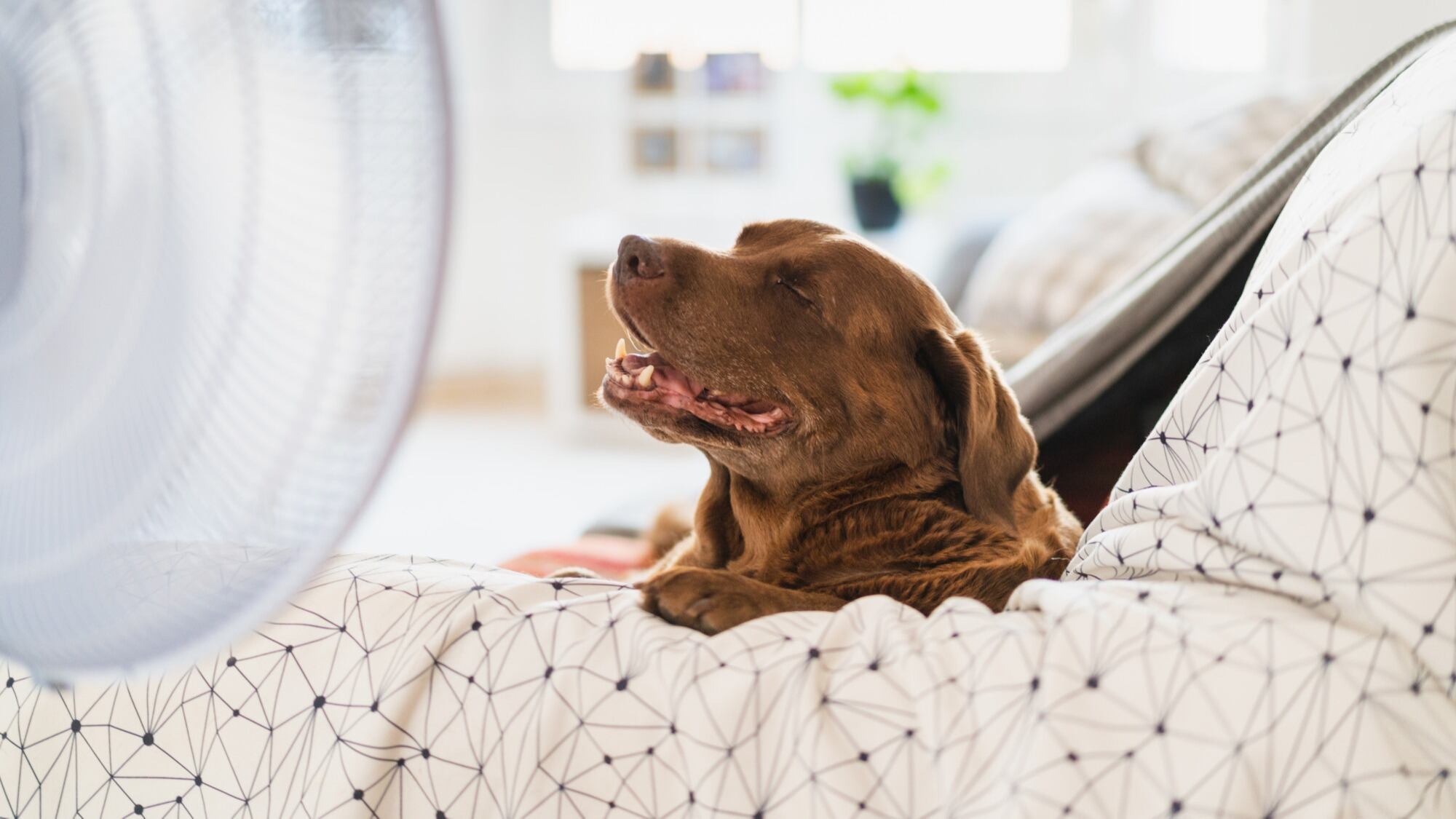
Research now shows dogs tend to age better when they have plenty of interaction with humans and other pets, according to a study published in the journal Evolution, Medicine & Public Health.
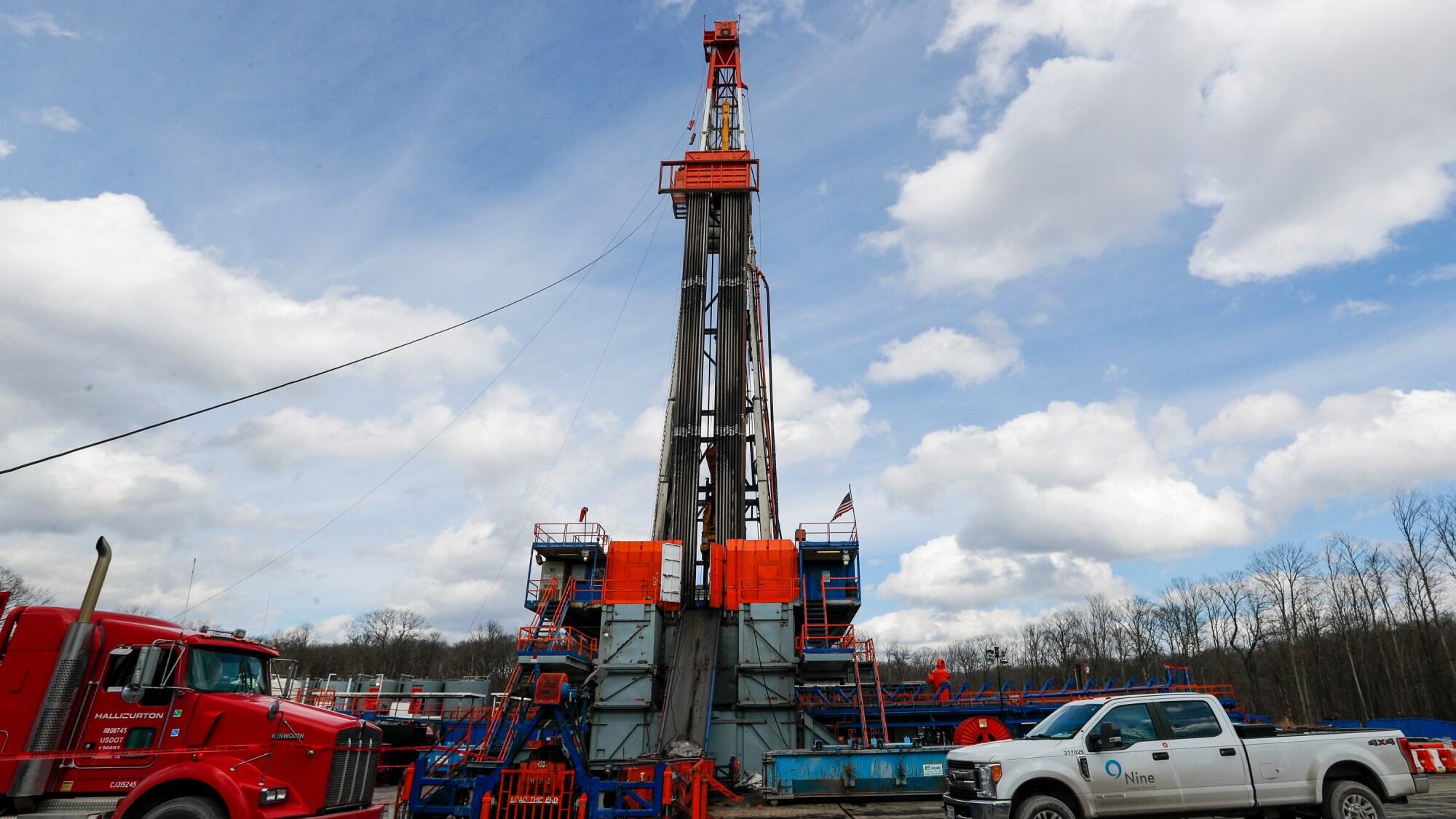
Children who lived closer to natural gas wells in heavily drilled western Pennsylvania were more likely to develop a relatively rare form of cancer, and nearby residents of all ages had an increased chance of severe asthma reactions, researchers said in reports released Tuesday evening.
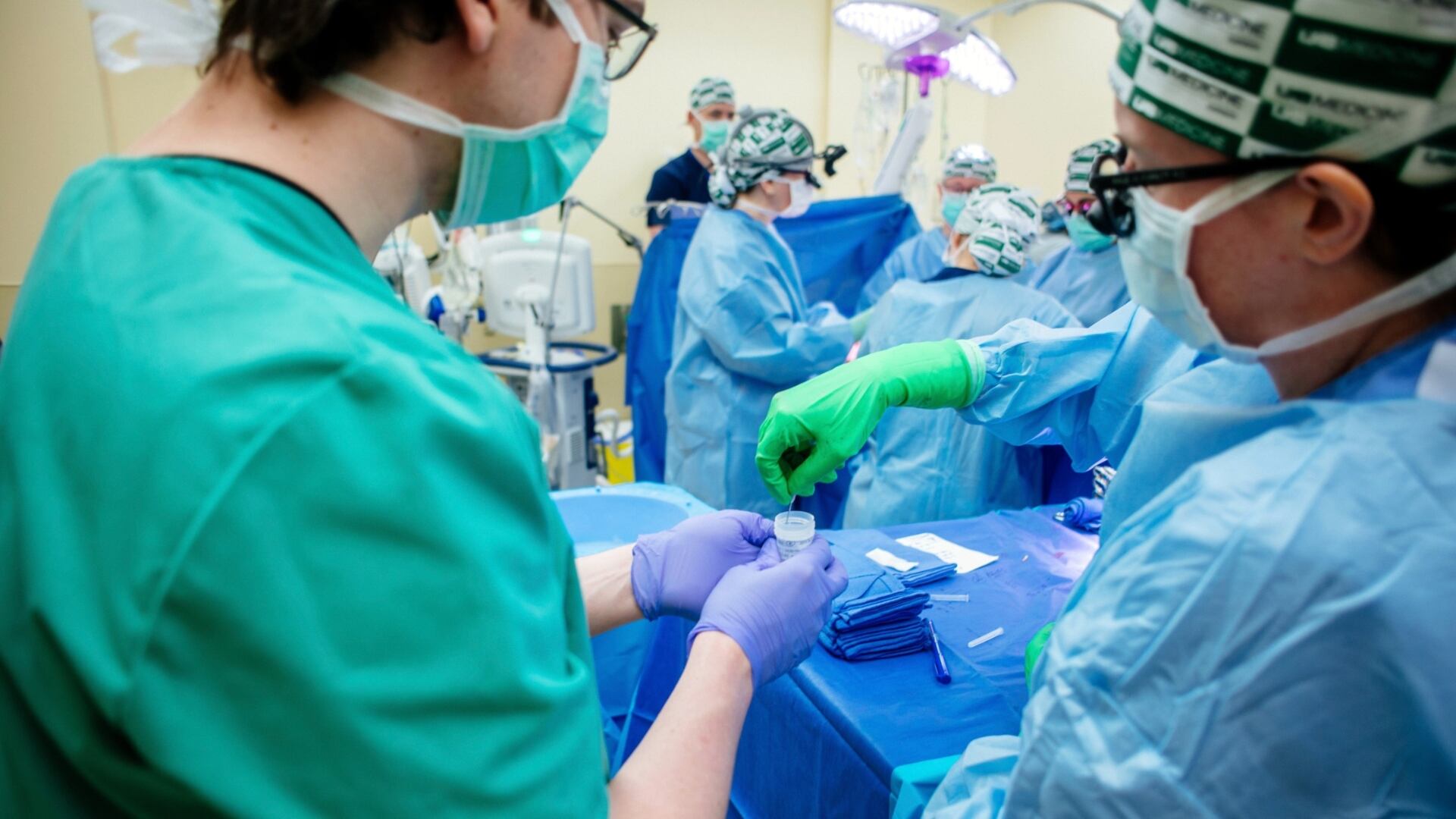
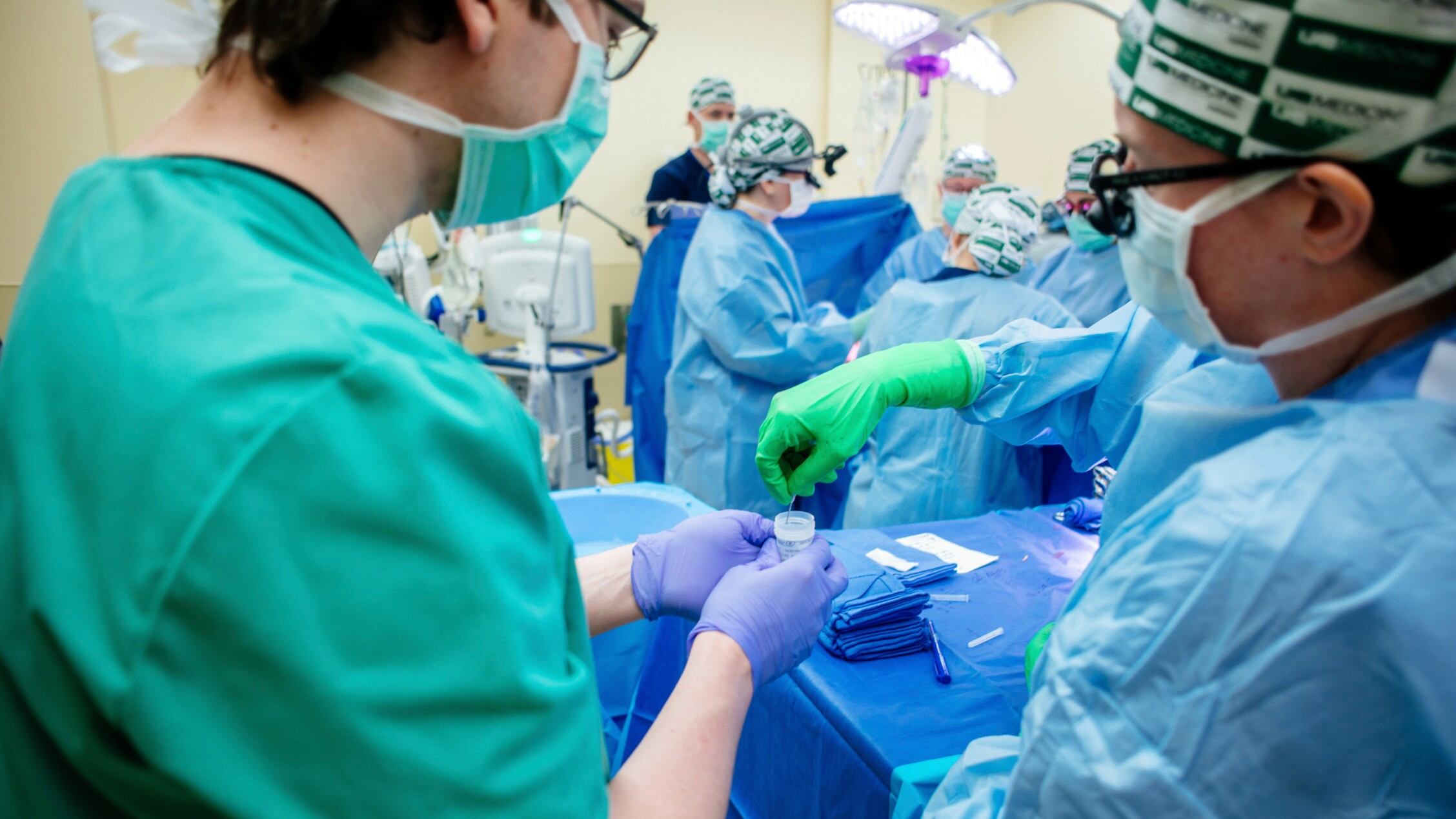
Surgeons transplanted a pig’s kidney into a brain-dead man and for over a month it's worked normally — a critical step toward an operation the New York team hopes to eventually try in living patients.